Tag

Launch Costs

All articles tagged with #launch costs

Rocket launch costs plummet 96% since 1960, possibly dropping to $300 per kg by 2040
space15 hours ago

Rocket launch costs plummet 96% since 1960, possibly dropping to $300 per kg by 2040

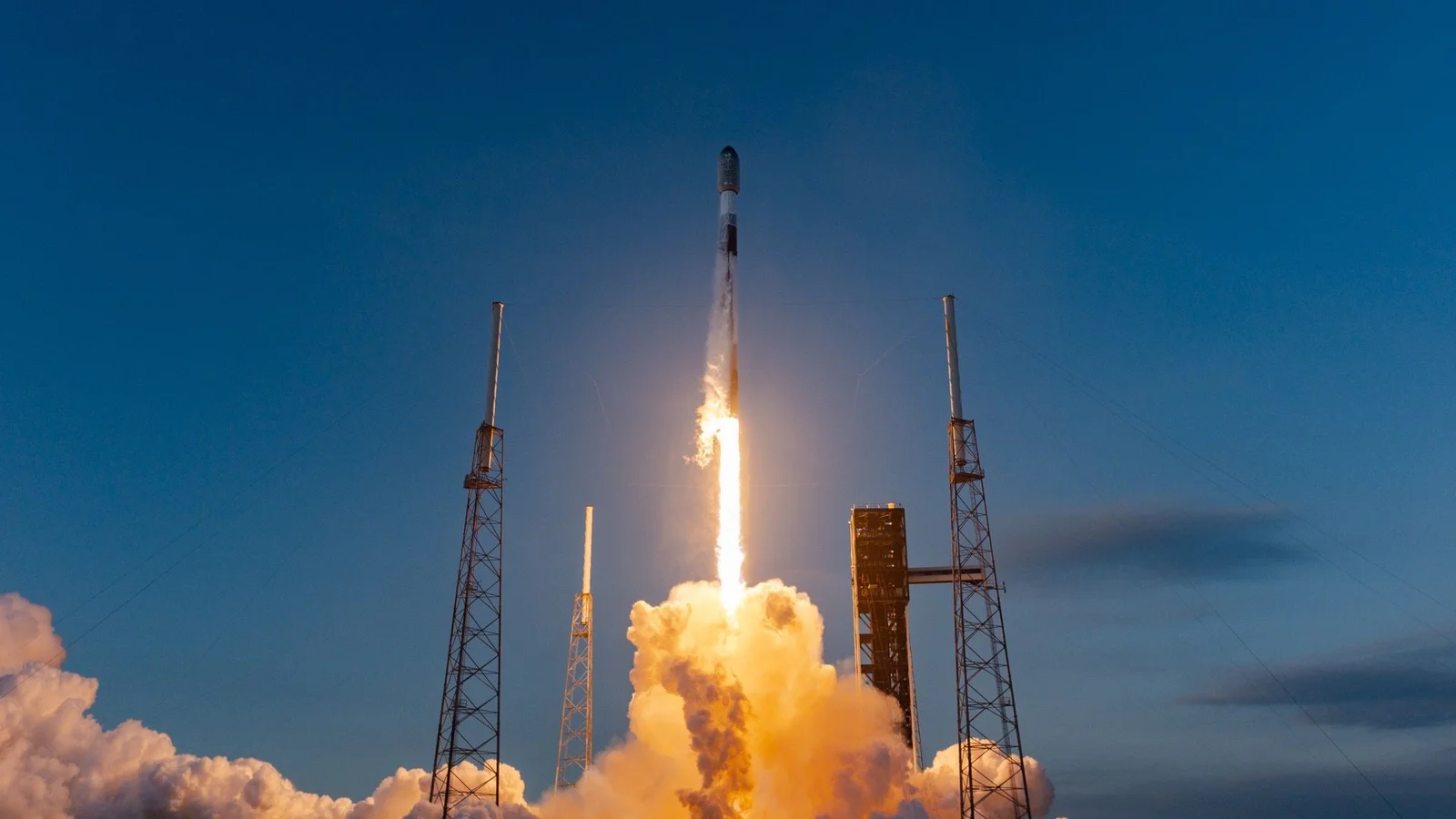
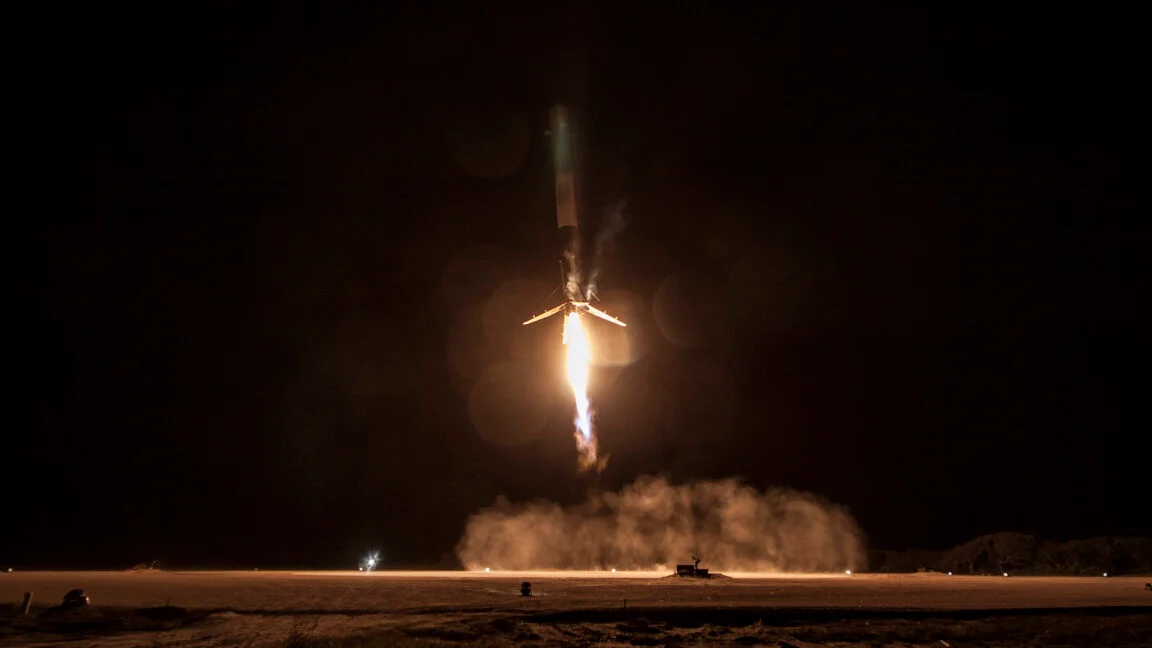
A study analyzing 4,405 rocket launches from 1960–2025 finds the real-terms average cost to send 1 kg to orbit fell 96% (from $87,023 in 1960 to $3,868 in 2025). The drop is linked to post–Cold War shifts to commercial space and rapid gains in reusable-rocket tech, led by SpaceX’s Falcon 9. If current learning rates continue, launch costs could reach about $1,600 per kg by 2030 and $300 per kg by 2040, though challenges such as space debris, the risk of a monopoly, and geopolitical tensions could slow progress.

AI Compute in Orbit: Sunlight-Powered Data Centers Face Massive Costs and Challenges
technology9 days ago

AI Compute in Orbit: Sunlight-Powered Data Centers Face Massive Costs and Challenges

Rising AI compute demand is driving interest in orbital data centers powered by solar energy, which could slash electricity bills but require massive solar arrays, radiators, and launch costs; feasibility studies show near-term use may be limited to specialized workloads due to power, cooling, debris, and communication constraints.

Starship's heft upends the satellite playbook
technology12 days ago

Starship's heft upends the satellite playbook

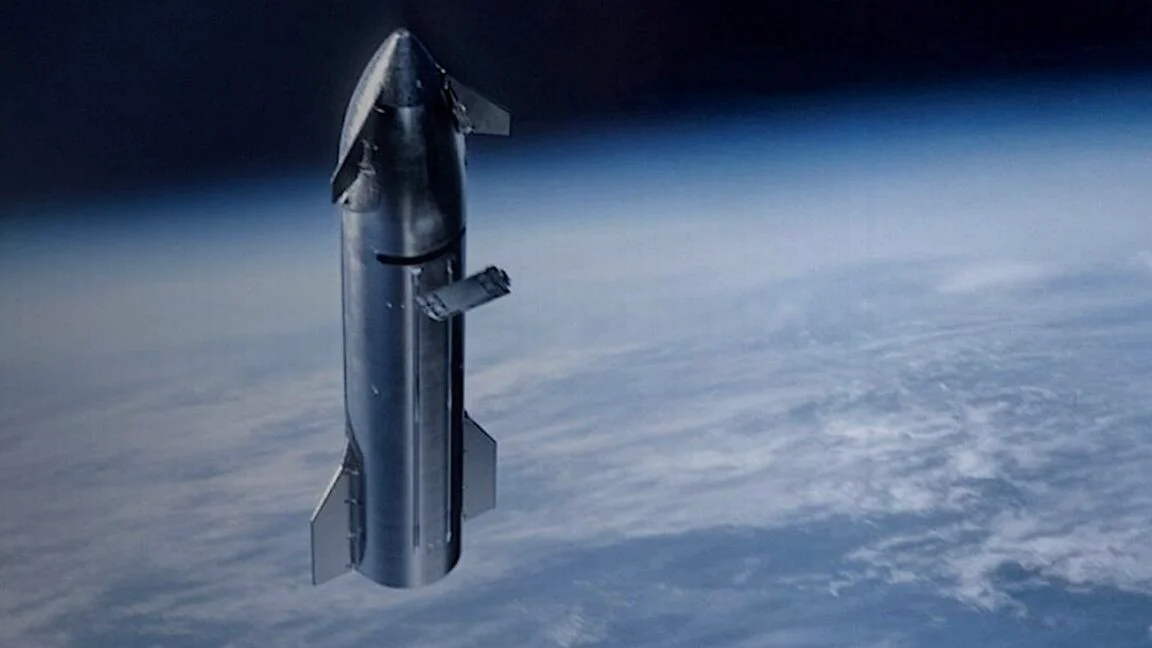
SpaceX’s Starship, boasting over 100 metric tons to LEO and a path to full reuse, is redefining how satellites are designed and deployed. Its side-door, Pez-dispenser-style deployment for Starlink V3s enables flat-panel, stackable satellites and mass rideshares, opening new markets from megaconstellations to lunar/Mars missions and orbital data centers. Industry analysis suggests dramatic potential drops in launch costs per kilogram as reuse matures, though the economics will hinge on ongoing development and rising competition with Blue Origin.

Space-Based AI Data Centers: The Economic Bet
business29 days ago

Space-Based AI Data Centers: The Economic Bet

SpaceX’s IPO windfall is accelerating plans for orbital AI data centers, with players like Blue Origin and Google pursuing space-based compute and large facilities. Yet economists say current costs aren’t yet competitive with Earth-based centers. Proponents argue perpetual solar power and potentially cheaper launch costs could shift the economics in coming years, while regulatory, environmental, and public pushback add risk. Numerous pilots and partnerships (Terafab, Starcloud, Rendezvous Robotics) are underway, but a clear path to profitability remains speculative.

"SpaceX's Starship Achieves Milestone Launch, Paving the Way for Interstellar Travel"
space-exploration2 years ago

"SpaceX's Starship Achieves Milestone Launch, Paving the Way for Interstellar Travel"

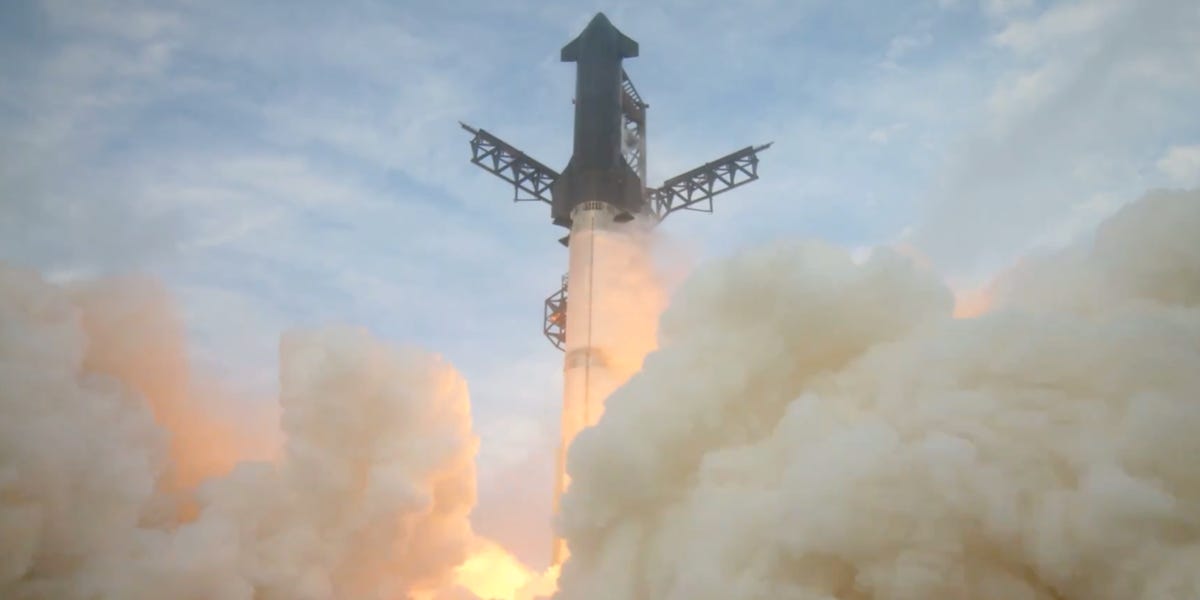
SpaceX's successful Starship mission marks a significant step towards reducing launch costs by 10-fold, potentially opening up space to industries like asteroid mining and space factories. The mega-rocket, though not surviving the landing, demonstrated its potential for fully reusable space travel, with hopes of slashing launch costs to about $10 million per launch. The development of the Starship-Super Heavy launch system offers high hopes for its functionality and reusability, potentially revolutionizing the space industry and enabling broader and deeper sources of value from space.

"China's Ambitious Space Plans: Giant Rail Guns and Hypersonic Jets"
space-technology2 years ago

"China's Ambitious Space Plans: Giant Rail Guns and Hypersonic Jets"

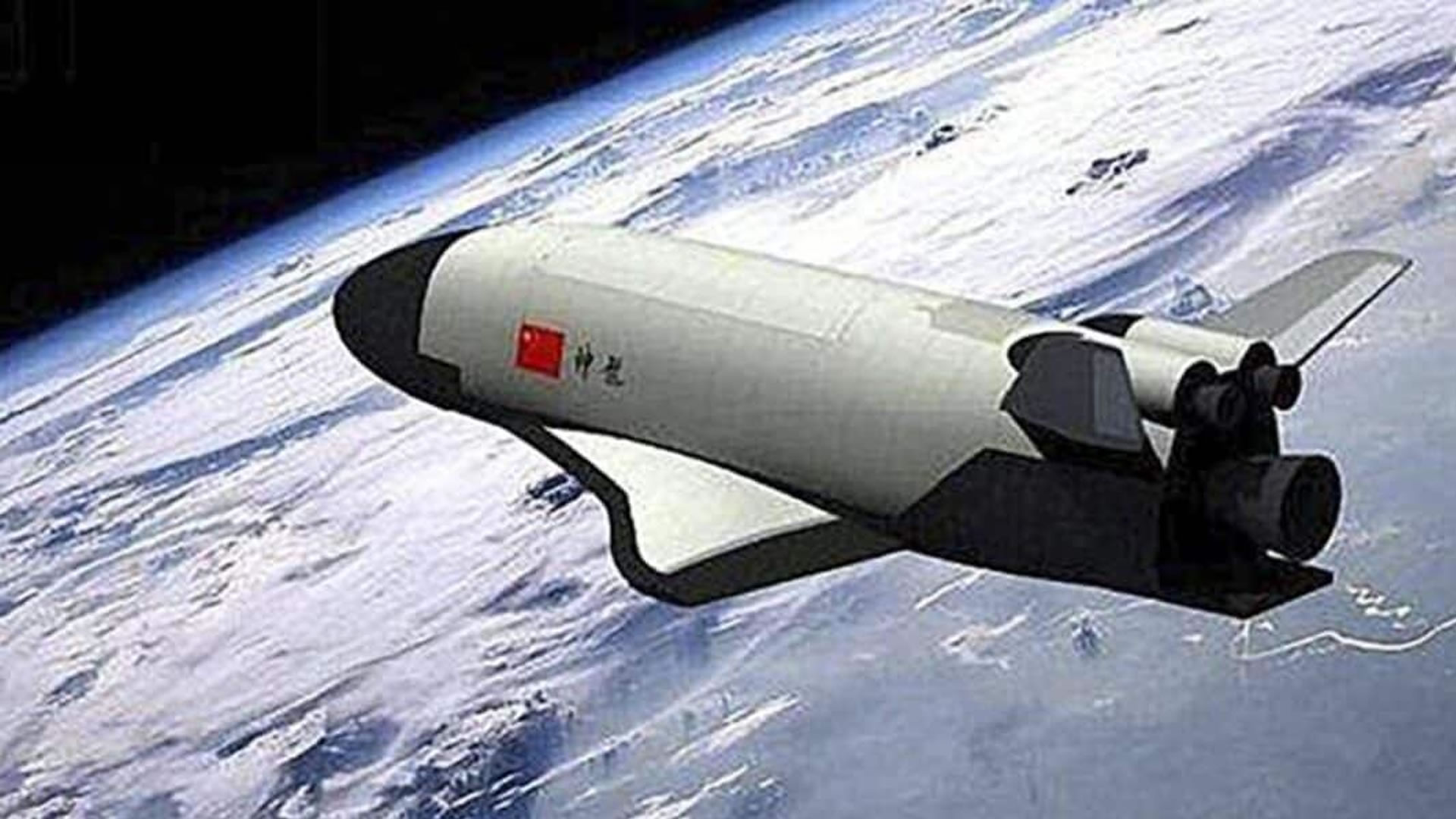
Chinese scientists are reportedly developing a massive electromagnetic rail gun to launch a space plane the size of a Boeing 747 into orbit at twice the speed of sound, potentially revolutionizing space launch technology and reducing costs. The project, known as Tengyun, has been in development since 2016 and is believed to be nearing a breakthrough.

The Potential and Risks of SpaceX's Starship Launch
space-industry3 years ago

The Potential and Risks of SpaceX's Starship Launch

If SpaceX's Starship program succeeds, it could revolutionize the space industry by dramatically lowering the cost of launching people and payloads to orbit and beyond. The company's founder, Elon Musk, has said a Starship launch could eventually cost just $10 million or less. Starship could potentially enable new businesses and markets, make human spaceflight accessible to a wider range of people, and allow constellations of satellites to be built far more quickly. Starship could also allow for new designs and capabilities for space telescopes. SpaceX already has at least one customer for Starship: NASA.