Tag

Metabolomics

All articles tagged with #metabolomics

Blood metabolome links midlife brain health to genes, gut microbiome, and exposures
science26 days ago

Blood metabolome links midlife brain health to genes, gut microbiome, and exposures

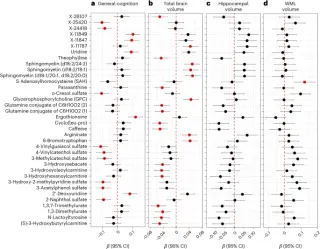
In 1,082 dementia-free midlife participants, researchers linked 14 cognition-associated blood metabolites (ergothioneine strongest) and 22 metabolites with MRI brain markers. The metabolite patterns mirrored the signature of incident AD across replication cohorts. Genetic variation, gut microbiota, lifestyle, clinical factors, and medications all shaped metabolite levels, with lifestyle and clinical factors being particularly influential; antacid use correlated with worse cognition and lower ergothioneine, which mediated about 31.5% of this effect. The cognition and AD-risk metabolite signatures overlap, suggesting prevention avenues via modifiable exposures and gut microbiome factors.

When ML Meets LC–MS/MS: Generalization Gaps in Small-Molecule Identification
technology1 month ago

When ML Meets LC–MS/MS: Generalization Gaps in Small-Molecule Identification

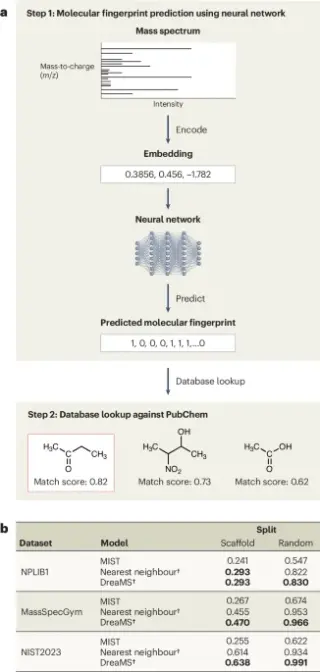
ML models for small-molecule structure elucidation from LC–MS/MS perform poorly compared with simple baselines due to generalization gaps across experimental conditions, ignored peak intensities, and unseen fragment formulas. Scaffold-split evaluations show nearest-neighbor retrieval often outperforms top models like MIST and DreaMS, revealing weak real-world generalization. Data-attribution analyses indicate the problems arise from both data and model design, prompting calls for domain-aware architectures, standardized datasets, and benchmarks that move beyond fingerprint-based, NLP-inspired translation toward chemistry-informed approaches.

Breakthrough Parallel Mass Spectrometry Analyzes Billions of Molecules Simultaneously
technology1 month ago

Breakthrough Parallel Mass Spectrometry Analyzes Billions of Molecules Simultaneously

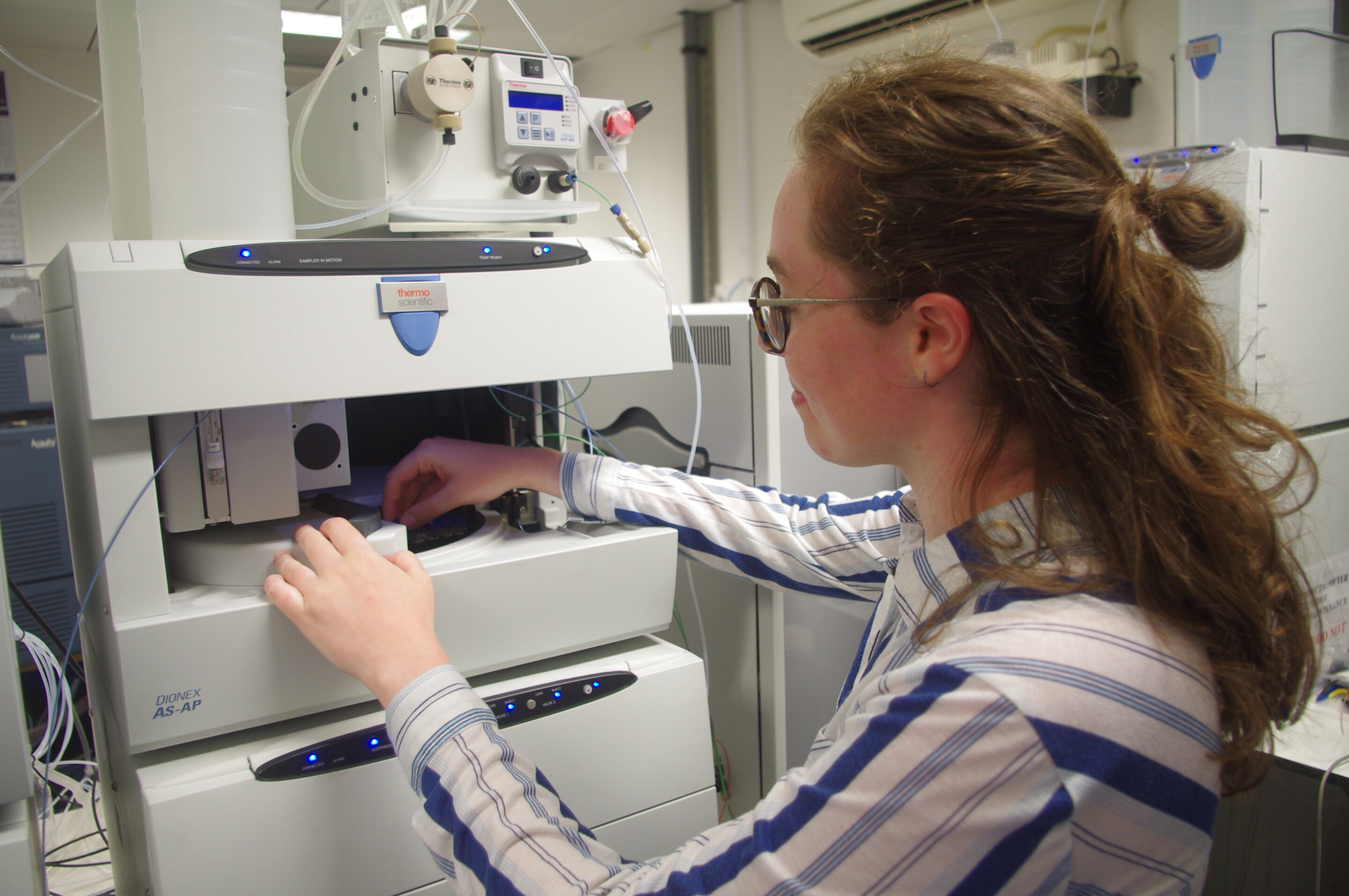
Rockefeller University researchers unveiled MultiQ-IT, a parallel ion-trap mass spectrometer prototype that routes ions through hundreds of openings to analyze billions of molecules at once, boosting sensitivity and throughput by up to two orders of magnitude and enabling deeper single-cell proteomics and metabolomics—though it remains a proof-of-concept rather than a commercial instrument.

Massive GWAS maps 249 circulating metabolites to thousands of genetic signals in 619,372 individuals
genomics2 months ago

Massive GWAS maps 249 circulating metabolites to thousands of genetic signals in 619,372 individuals

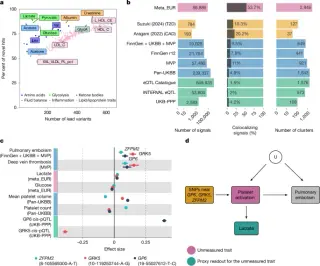
A large GWAS meta-analysis of 249 circulating metabolic traits in the Estonian Biobank and UK Biobank (up to 619,372 individuals) identifies 88,127 locus–trait associations across 8,398 loci. Using fine mapping, phenome‑wide colocalization, and cis‑Mendelian randomization, the study highlights the value of low‑frequency variants (MAF 0.1–1%) in explaining heritability and points to causal links between metabolic traits and diseases such as CAD and T2D. Notably, 19.4% of confidently fine‑mapped variants are low‑frequency missense or splice variants, enriching interpretability. The work also uncovers three lactate‑related loci (GP6, GRK5, ZFPM2) where higher plasma lactate associates with pulmonary embolism risk, potentially reflecting platelet activation rather than a direct causal effect. Overall, integrating low‑frequency variation improves mapping precision and biological insight into metabolism and disease.

One-carbon metabolism orchestrates multi-tissue metabolic reprogramming in cancer cachexia
science6 months ago

One-carbon metabolism orchestrates multi-tissue metabolic reprogramming in cancer cachexia

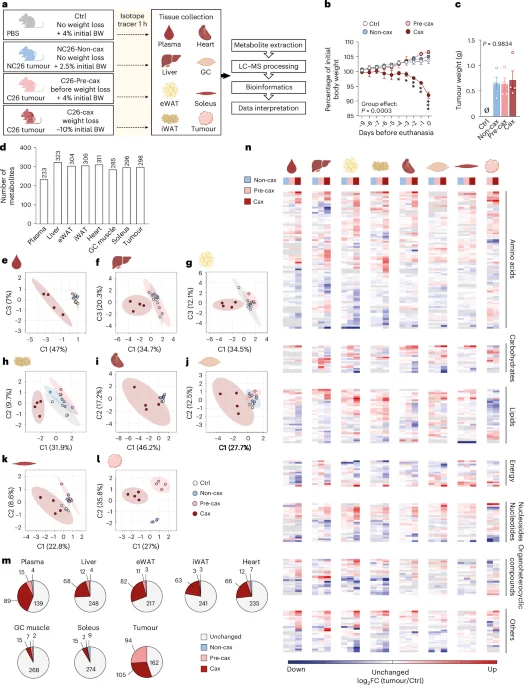
Multi-omics profiling across eight tissues in cachexia-bearing mice reveals a coordinated metabolic shift centered on one-carbon metabolism, linked to inflammation, glucose hypermetabolism and muscle atrophy; the pattern recapitulates across five cancer models and a humanized cachexia model, offering a systemic framework for tumor–host metabolic reprogramming and potential intervention targets.

DeepMet: AI models illuminate unseen mammalian metabolites
science6 months ago

DeepMet: AI models illuminate unseen mammalian metabolites

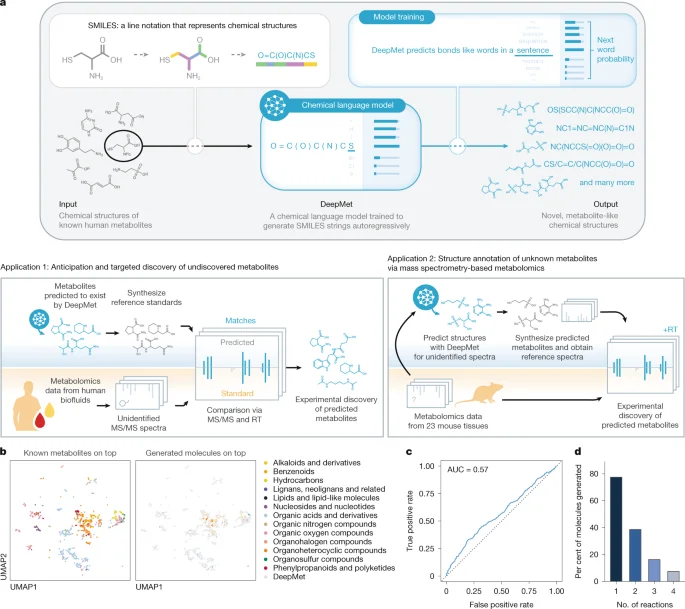
A new chemical language-model approach, DeepMet, learns from known human metabolites to generate metabolite-like structures and prioritize plausible, yet-unrecognized mammalian metabolites. By coupling DeepMet with mass-spec data and MS/MS prediction (CFM-ID), the method enables de novo generation and targeted discovery of metabolites, identifying 16 previously unrecognized mouse tissue metabolites and 17 metabolites in human biofluids, and correctly predicting 252 of 313 HMDB 5.0 additions (81%). The team further improves annotation with a meta-learning framework that integrates retention times and isotope patterns, achieving about 70% accuracy in a mouse dataset. They also release a web app and Snakemake pipeline to extend the approach, highlighting DeepMet’s potential to fill gaps in mammalian metabolome maps while noting limitations such as its focus on metabolite-like chemical space and isomer ambiguity.

Mapping the Plasma Metabolome to Human Health in 274,241 Adults
health-and-medicine10 months ago

Mapping the Plasma Metabolome to Human Health in 274,241 Adults

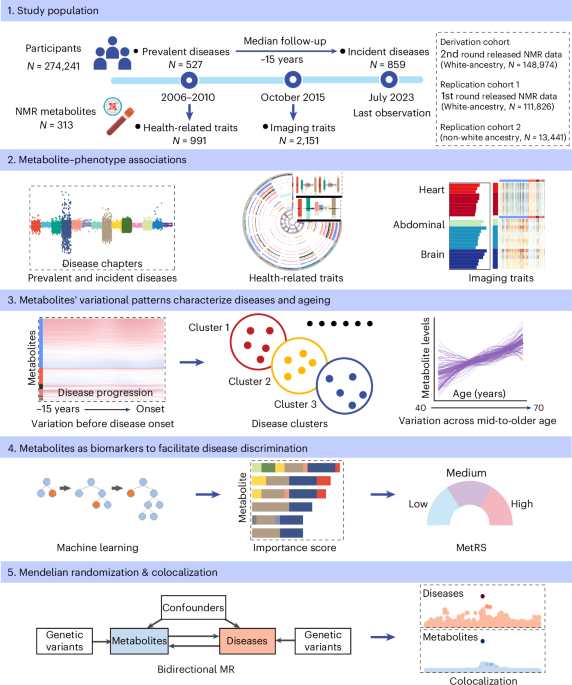
This study mapped over 1.4 million associations between plasma metabolites and a wide range of human phenotypes in 274,241 UK Biobank participants, revealing metabolic signatures linked to diseases, traits, and aging, and identifying potential causal relationships and biomarkers for personalized risk assessment and intervention.

Cannabis Use in Teens Tied to Metabolic Changes and Psychosis Risk
health1 year ago

Cannabis Use in Teens Tied to Metabolic Changes and Psychosis Risk

A study from the University of Eastern Finland explores how cannabis use affects metabolomic patterns linked to psychotic-like experiences in adolescents. It found that non-cannabis users showed inflammatory metabolic changes, while cannabis users exhibited shifts in energy-related metabolites. These findings suggest cannabis may trigger distinct molecular pathways in psychotic-like experiences, offering insights into precision psychiatry and the biological underpinnings of mental health disorders. The study highlights the potential for tailored approaches in understanding and treating psychiatric conditions.

"Comprehensive Analysis of Circulating Metabolic Biomarkers Across the Genome"
science-and-research2 years ago

"Comprehensive Analysis of Circulating Metabolic Biomarkers Across the Genome"

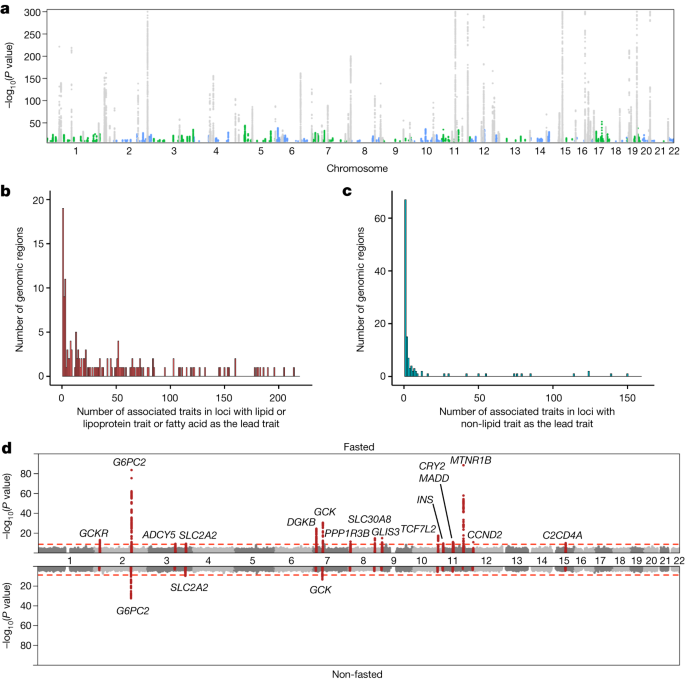
A genome-wide association study involving 233 circulating metabolic traits in over 136,000 participants from 33 cohorts has identified more than 400 independent loci and assigned probable causal genes at two-thirds of these. The study highlights the importance of sample and participant characteristics on genetic associations and demonstrates substantial genetic pleiotropy for multiple metabolic pathways. Ancestry-stratified analyses show positive correlations across ethnic groups, and associations were strongly related to sample size. The study provides a foundational resource for examining the role of metabolism across diverse diseases and emphasizes the need for careful consideration of sample type and fasting status in interpreting results.

Excessive Niacin Linked to Increased Risk of Heart Disease
health-cardiology2 years ago

Excessive Niacin Linked to Increased Risk of Heart Disease

Excess niacin metabolism was found to be associated with major adverse cardiovascular events (MACE), with two breakdown products, 2PY and 4PY, showing a strong link to myocardial infarction, stroke, and other adverse cardiac events. The study suggests that niacin supplementation may require a more nuanced, titrated approach to avoid excess 4PY generation, which is associated with increased MACE risk. The findings highlight the potential impact of niacin levels on cardiovascular health and the need for careful consideration of niacin supplementation.

"Potential Cancer-Fighting Power Found in Bizarre Sea Creature Resembling Feces"
science2 years ago

"Potential Cancer-Fighting Power Found in Bizarre Sea Creature Resembling Feces"

Scientists in the Philippines have conducted a study on Stichopus cf. horrens, a sea cucumber species known for its unique characteristics. The research revealed that these sea cucumbers contain several compounds, including potential anti-cancer agents, that could have medical benefits for humans. While cautioning against rushing to use these compounds for cancer treatment, the study opens the door for further research and extraction of these compounds for study. The team is also exploring ways to sustainably grow these sea cucumbers for future research and investigating other compounds that could shed light on the cucumber's defense mechanisms.