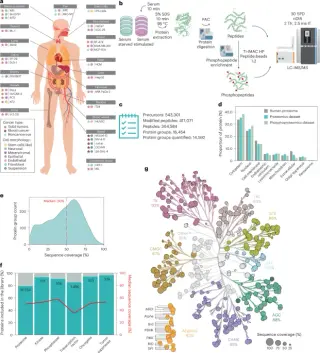
Researchers published a comprehensive human phosphoproteome atlas covering 33 cell lines, identifying over 200,000 phosphorylation sites. This resource enables faster data processing and improved site localization, facilitating the identification of cancer-specific signaling vulnerabilities and potential drug targets.
Researchers report a global uptick in infections from Trichophyton indotineae, a drug-resistant fungus linked to more severe ringworm. Using the MSI network and MALDI-TOF mass spectrometry, labs across 54 countries identified the fungus in 29 countries between 2022 and 2025, with identifications tripling and the share of Trichophyton spectra rising from 1.2% to 3.6%. The study maps lab detections—not exact case counts—and notes limited access to diagnostic tech in some regions, underscoring the need for broader surveillance and public-health action.
The National Institute of Standards and Technology added 41 new cannabinoid spectra to its mass-spectral library (Standard Reference Database 1A), increasing cannabis-related entries to 121. The update emphasizes rare side-chain homologs and derivatives to improve identification of uncommon cannabis compounds for forensics, biomedical research, food science and environmental testing.
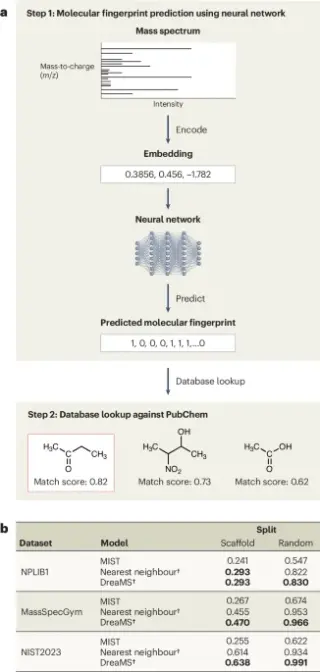
ML models for small-molecule structure elucidation from LC–MS/MS perform poorly compared with simple baselines due to generalization gaps across experimental conditions, ignored peak intensities, and unseen fragment formulas. Scaffold-split evaluations show nearest-neighbor retrieval often outperforms top models like MIST and DreaMS, revealing weak real-world generalization. Data-attribution analyses indicate the problems arise from both data and model design, prompting calls for domain-aware architectures, standardized datasets, and benchmarks that move beyond fingerprint-based, NLP-inspired translation toward chemistry-informed approaches.
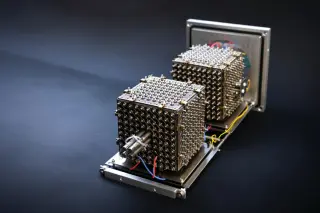
Rockefeller University researchers unveiled MultiQ-IT, a parallel ion-trap mass spectrometer prototype that routes ions through hundreds of openings to analyze billions of molecules at once, boosting sensitivity and throughput by up to two orders of magnitude and enabling deeper single-cell proteomics and metabolomics—though it remains a proof-of-concept rather than a commercial instrument.
Testing two ferrous-looking pieces from Spain's Treasure of Villena (c. 1400–1200 BCE) indicates they were made from meteoritic iron, inferred from elevated nickel content measured by mass spectrometry; this places meteoritic iron among Iberian Bronze Age metalwork and suggests ironworking began earlier in Iberia than previously thought, though corrosion limits conclusive proof and further non-invasive analyses are planned.
Researchers at Stellenbosch University analyzed three cannabis strains and found 79 phenolic compounds, 25 of which were new to Cannabis, including 16 tentatively classified as flavoalkaloids—the first evidence of this rare group in Cannabis leaves. Using two-dimensional liquid chromatography and high-resolution mass spectrometry, they observed that these flavoalkaloids are concentrated mainly in leaves of one strain, underscoring substantial chemical variation and suggesting that cannabis leafy material—often discarded—may have unexplored medical potential beyond cannabinoids.
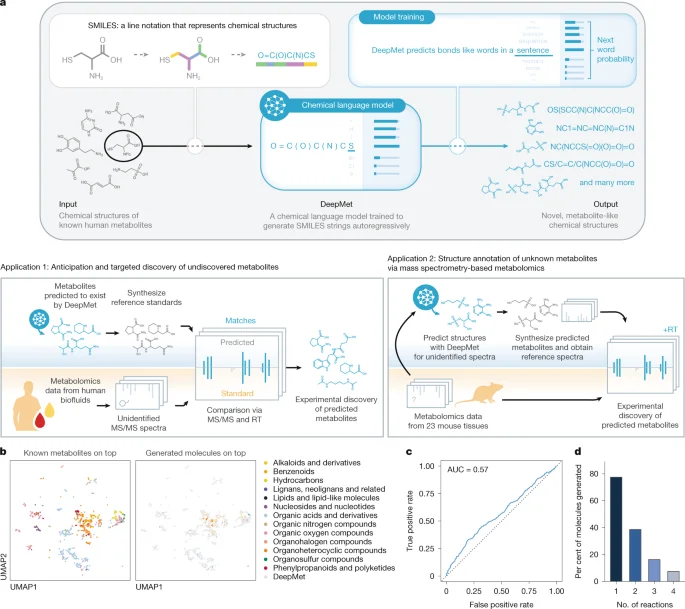
A new chemical language-model approach, DeepMet, learns from known human metabolites to generate metabolite-like structures and prioritize plausible, yet-unrecognized mammalian metabolites. By coupling DeepMet with mass-spec data and MS/MS prediction (CFM-ID), the method enables de novo generation and targeted discovery of metabolites, identifying 16 previously unrecognized mouse tissue metabolites and 17 metabolites in human biofluids, and correctly predicting 252 of 313 HMDB 5.0 additions (81%). The team further improves annotation with a meta-learning framework that integrates retention times and isotope patterns, achieving about 70% accuracy in a mouse dataset. They also release a web app and Snakemake pipeline to extend the approach, highlighting DeepMet’s potential to fill gaps in mammalian metabolome maps while noting limitations such as its focus on metabolite-like chemical space and isomer ambiguity.
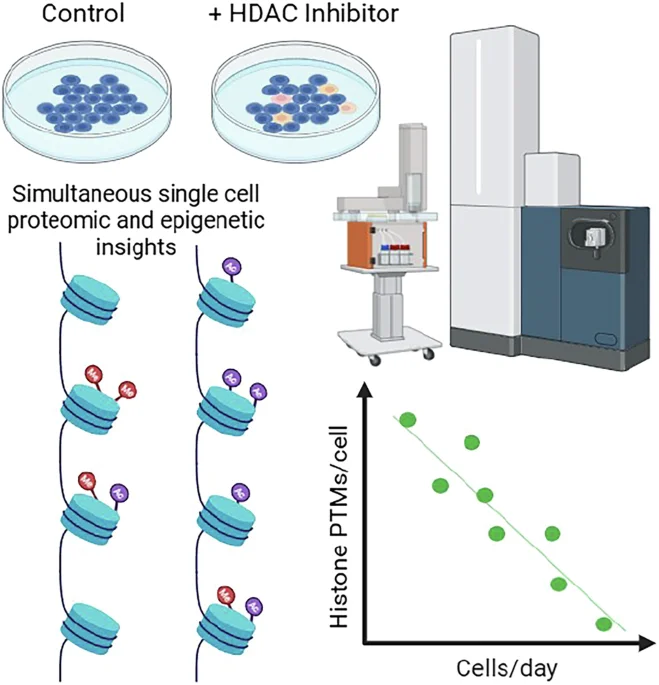
The article discusses advanced methods for analyzing histone deacetylase inhibition effects in human cells through simultaneous single-cell proteomics and epigenetic profiling, utilizing cutting-edge mass spectrometry and sequencing technologies.
Scientists at Yale have for the first time precisely measured the time it takes for protons to move through a small chain of water molecules, using a specialized mass spectrometer, providing new benchmarks for understanding proton transfer in chemistry.
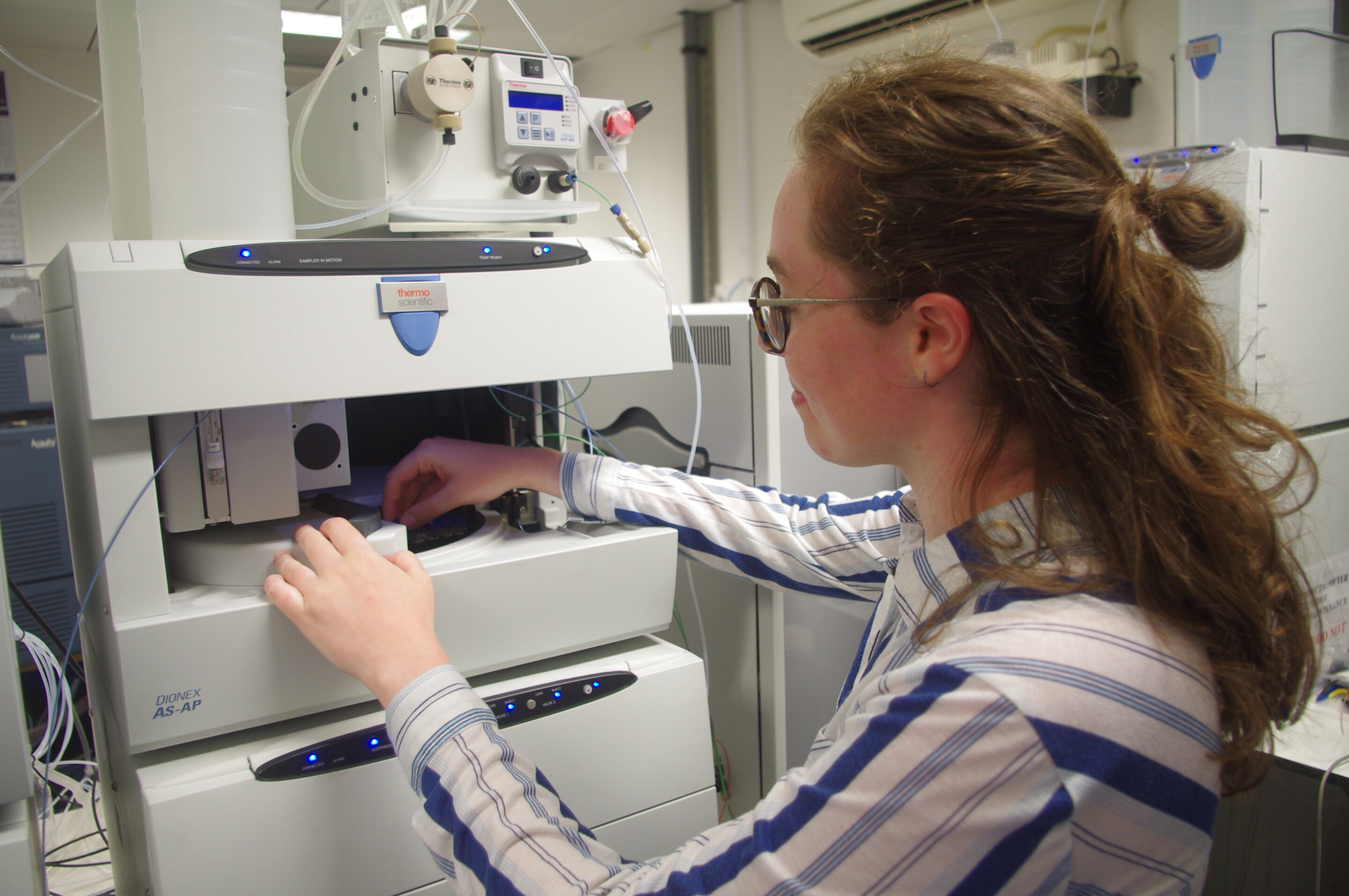
Researchers from Oxford have developed a novel AEC-MS method for large-scale analysis of polar and ionic metabolites in biological samples, enhancing capabilities in metabolomics research and enabling new applications in health and disease studies.
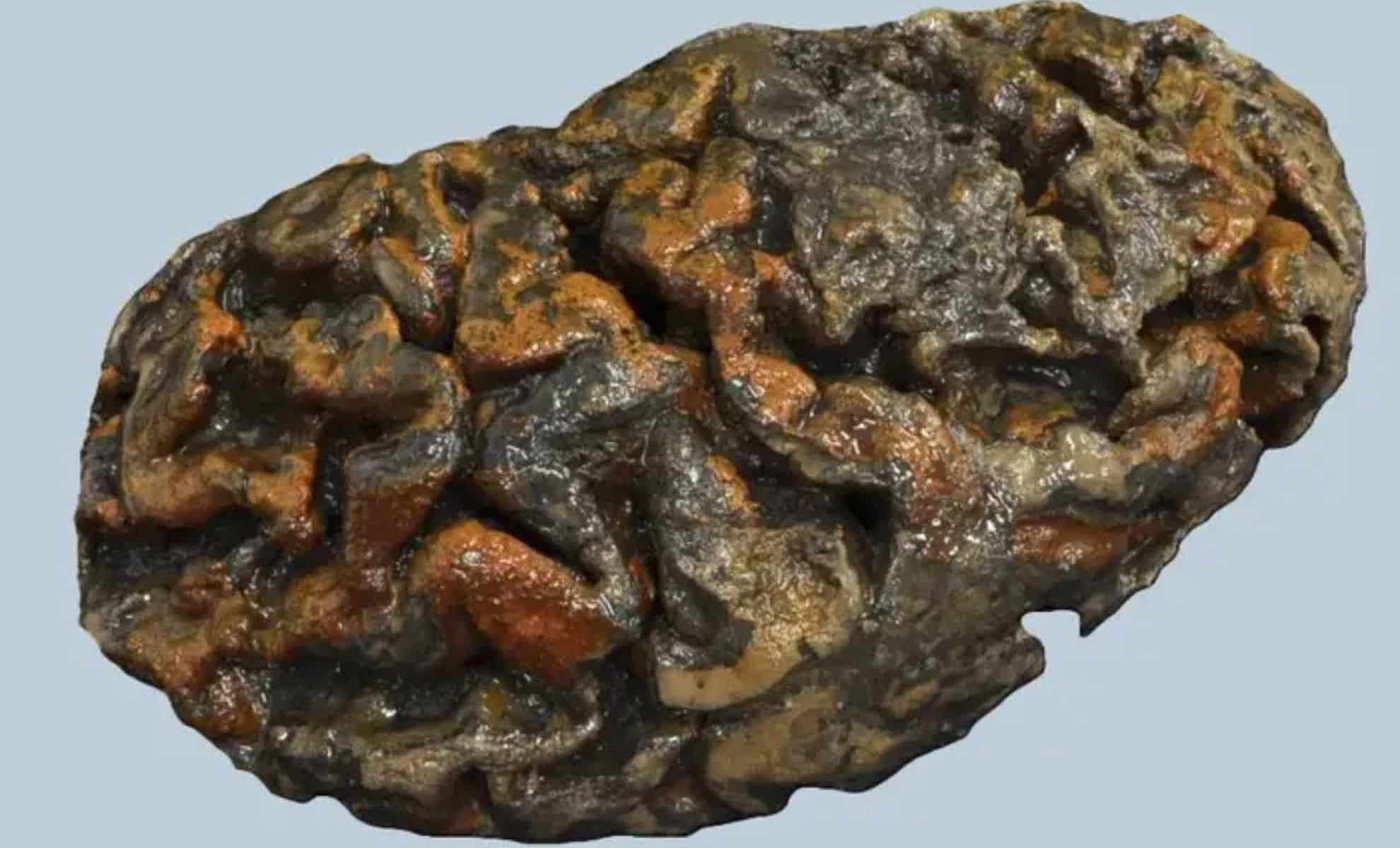
Scientists have developed a groundbreaking method to extract and analyze proteins from preserved soft tissues, including human brains up to 300 years old, using urea and mass spectrometry, opening new avenues for understanding evolution, diet, and physiology from ancient biological archives.
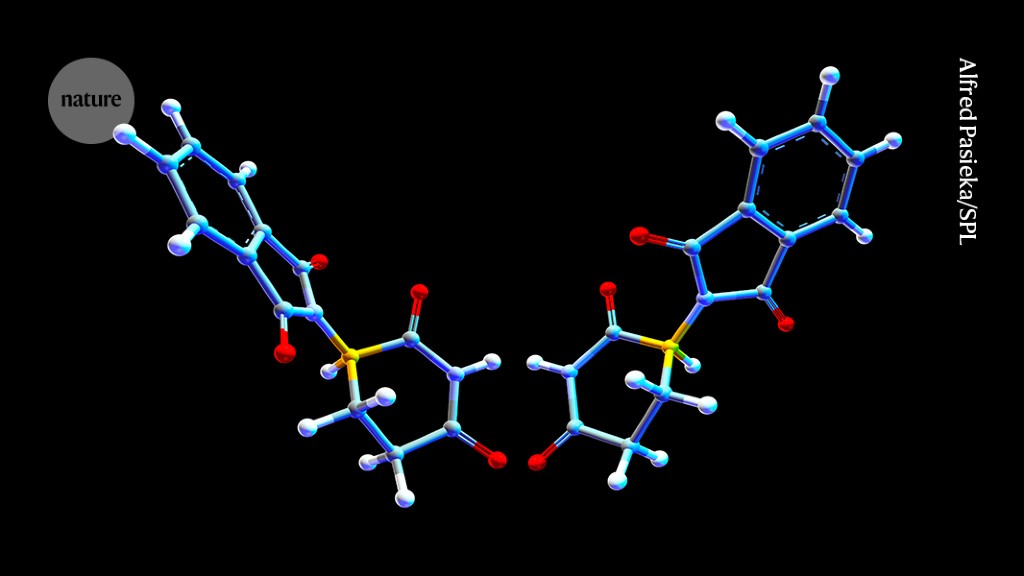
Chemists have demonstrated the use of mass spectrometry to separate chiral molecules, which exist as mirror-image structures with different properties. This breakthrough could streamline the laborious process of separating enantiomers, crucial in drug discovery, by allowing for quick determination of enantiomeric excess and confirmation of molecular structures. The technique, described in Science, has the potential to simplify and expedite the preparation of pure samples of enantiomers in larger quantities, with implications for drug design and discovery.
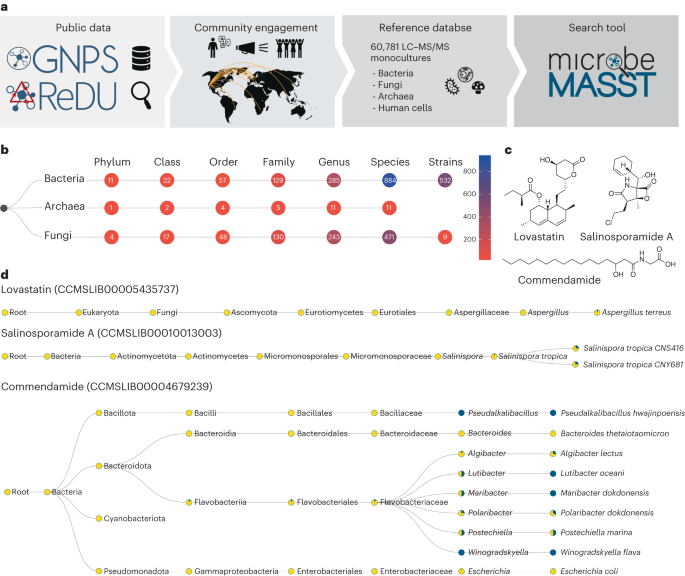
microbeMASST is a new search tool that leverages public mass spectrometry repository data to identify the microbial origin of known and unknown metabolites and map them to their microbial producers. It contains a reference database of microbial monocultures and allows users to search tandem mass spectrometry (MS/MS) spectra obtained from their experiments against the repository. The tool provides search results within seconds and displays them in interactive taxonomic trees, enabling users to filter results and access additional information. It has been used to identify microbial metabolites in mouse datasets and has the potential to enhance understanding of microbial metabolites across various ecosystems.
Researchers from the Skaggs School of Pharmacy and Pharmaceutical Sciences at the University of California San Diego have developed a technique called reverse metabolomics to identify chemical structures in the human body. By analyzing mass spectrometry data, the researchers were able to map the metabolic pathways of various compounds, including those produced by the human microbiome. This approach has the potential to advance our understanding of human health and disease, as well as aid in the discovery of new therapeutic targets.