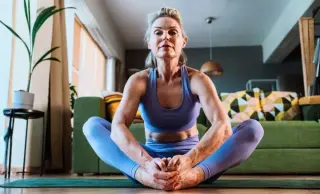
A 21‑day study with nearly 11,500 adults showed that five minutes of activity each hour improves mood and reduces fatigue without harming—and possibly slightly improving—work engagement and performance, suggesting hourly movement breaks are a feasible and effective workplace health strategy.
An international study published in Nature Communications finds people show a modest but consistent bias to turn left (counterclockwise) when walking, persisting across cultures, spaces, and even solo experiments. The bias is stronger in younger participants and does not depend on dominant hand, sex, or eye movement; researchers ruled out explanations like the Coriolis effect or large-scale forces, pointing to a possible biomechanical basis. The finding could influence the design of evacuation routes and crowd-flow planning in airports, museums, stadiums, and other crowded spaces, with future work including VR testing and cross-species comparisons.
Experts say six simple daily habits—consistent sleep, regular daily movement (NEAT), habit-stacked nutrition changes, a sense of purpose, strong social connections, and stress management—can extend healthy years and reduce disease risk, emphasizing that lifestyle choices matter more than pricey trends when it comes to aging well.
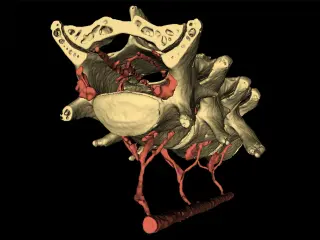
Scientists at Penn State report in Nature Neuroscience that mild abdominal contractions during everyday movement can pressurize vessels linking the abdomen to the spinal cord and brain, nudging the brain within the skull and driving cerebrospinal fluid flow to wash away waste. Using mice, two-photon microscopy, and computer models, the team shows that abdominal pressure acts like a tiny hydraulic pump, with the brain moving and fluid circulating even with small motions. While demonstrated in mice, the study suggests ordinary movement could support brain health by clearing waste, though more research is needed to confirm relevance to humans.
Penn State researchers report in Nature Neuroscience that contractions of the abdominal muscles can push blood into the spinal canal, prompting brain movement and driving cerebrospinal fluid through drainage pathways to help clear waste; through two-photon imaging in living mice, micro-CT scans, and computational modeling, they mapped a vein network linking the abdomen, spine, and brain and observed brain motion immediately after abdominal tightening, with the motion reversing when pressure is released. The work suggests everyday movement may aid brain health by boosting waste clearance, offering a potential explanation for why movement and sleep affect CSF flow differently.
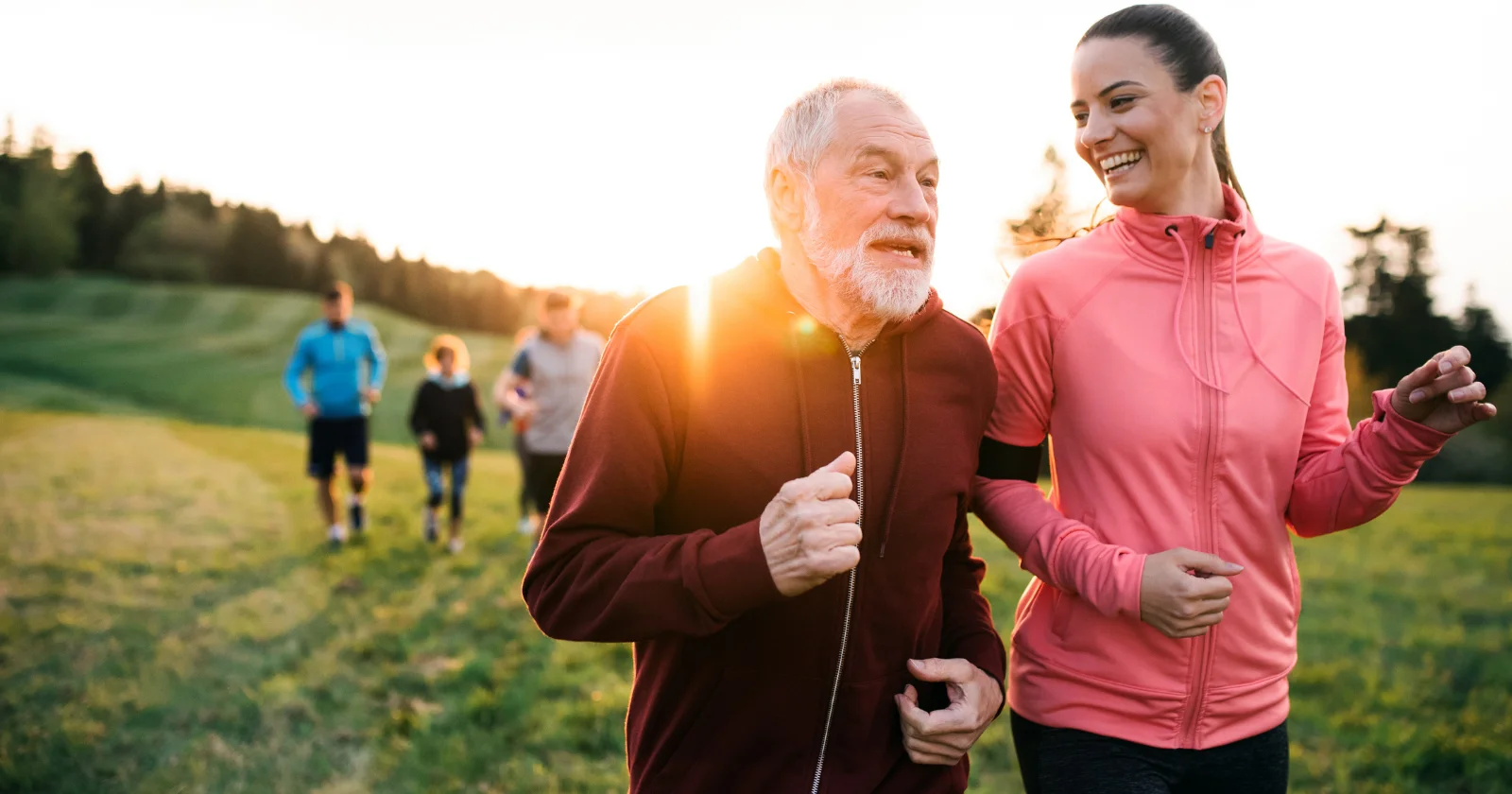
New research suggests longevity in activity during the 60s and 70s comes less from genetics or strict routines and more from movement that people choose for personal, daily-life reasons. Self-directed motivation helps exercise stick, and regular activity is linked to better autonomy, functional ability, perceived health, and social connections—shifting the goal from appearances to maintaining independence and confidence in everyday tasks.
A VegOut piece highlights non-exercise activity thermogenesis (NEAT) as the key to staying fit after 60 without formal workouts. It outlines ten daily habits—cooking, home upkeep, gardening, walking for transport, using stairs, carrying objects, standing rather than sitting, active social life, doing errands, and having a purpose that requires movement—that weave movement into everyday life. Based on Mayo Clinic researcher James Levine’s NEAT findings, these small, consistent activities can dramatically raise daily energy expenditure (potentially up to ~2,000 extra calories) and explain why some older adults stay healthier than younger gym-goers. The message: build a life that moves, not a separate exercise plan.
An opinion piece argues that staying active into old age comes down to seven simple, sustainable habits—treat movement like brushing teeth, walk everywhere, choose enjoyable activities, prioritize consistency over intensity, stay social, adapt to injuries, and start in midlife—backed by research on habit formation and longevity.
A Lancet analysis finds that just 5 minutes per day of moderate-to-vigorous activity can cut mortality for the most sedentary by up to 6%, and about 10% for the broader population. Reducing daily sedentary time by 30 minutes is linked to roughly 3% fewer deaths among high-risk groups and about 7% fewer deaths overall, showing that small, regular movement—like a walk around the block—can meaningfully extend life without requiring Olympian workouts.
EA and Battlefield Studios released Update 1.1.3.5 for Battlefield 6 to boost polish and consistency, tweaking melee responsiveness, sprint buffering, and knife reliability, refining jet combat with reduced cannon damage against other jets/helicopters, and fixing UI/HUD issues, ladder interactions, and a vehicle-explode bug that could occur during takedowns. The patch goes live January 20, 2026, and Season 2 content has been delayed to February 17, 2026, meaning new maps, weapons, and vehicles won’t arrive until then.
Public-health expert Ezekiel J. Emanuel argues against wellness hype and offers six practical shifts: replace extreme trends with steady movement (about 150 minutes weekly), eat with others and cook real food while limiting ultra-processed snacks, ditch obsessive habit-tracking and screen-time rules, view wellness as just one part of a full life not the sole focus, and build cognitive and social richness through hobbies and diverse mental activities to sustain healthy habits with pleasure and consistency.
The article advocates for redefining health goals beyond weight loss, emphasizing joy in movement, mindful eating, proper hydration, building confidence through skills, and creating effective routines, encouraging a focus on feeling good and capable rather than fitting into societal standards of thinness.
A study from McGill University challenges the traditional view of dopamine's role in Parkinson's disease, suggesting it provides the basic conditions for movement rather than directly controlling movement speed or force, which could lead to simpler and more targeted treatments.
A McGill-led study challenges the traditional view that dopamine controls movement speed and force, suggesting instead that it acts as a support system enabling movement. The research shows that restoring baseline dopamine levels, rather than fast dopamine spikes, improves movement, which could lead to simpler and more targeted treatments for movement disorders like Parkinson's disease.
Research shows that daily movement and exercise are more important for longevity than BMI, cholesterol, or blood pressure numbers. Regular physical activity reduces inflammation, supports heart and brain health, and can help people live longer regardless of weight or other health metrics. Building a routine of movement, even in small amounts, is a powerful, accessible way to improve overall well-being and promote a longer, healthier life.