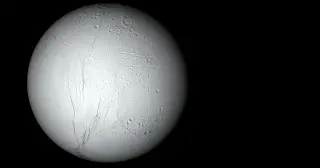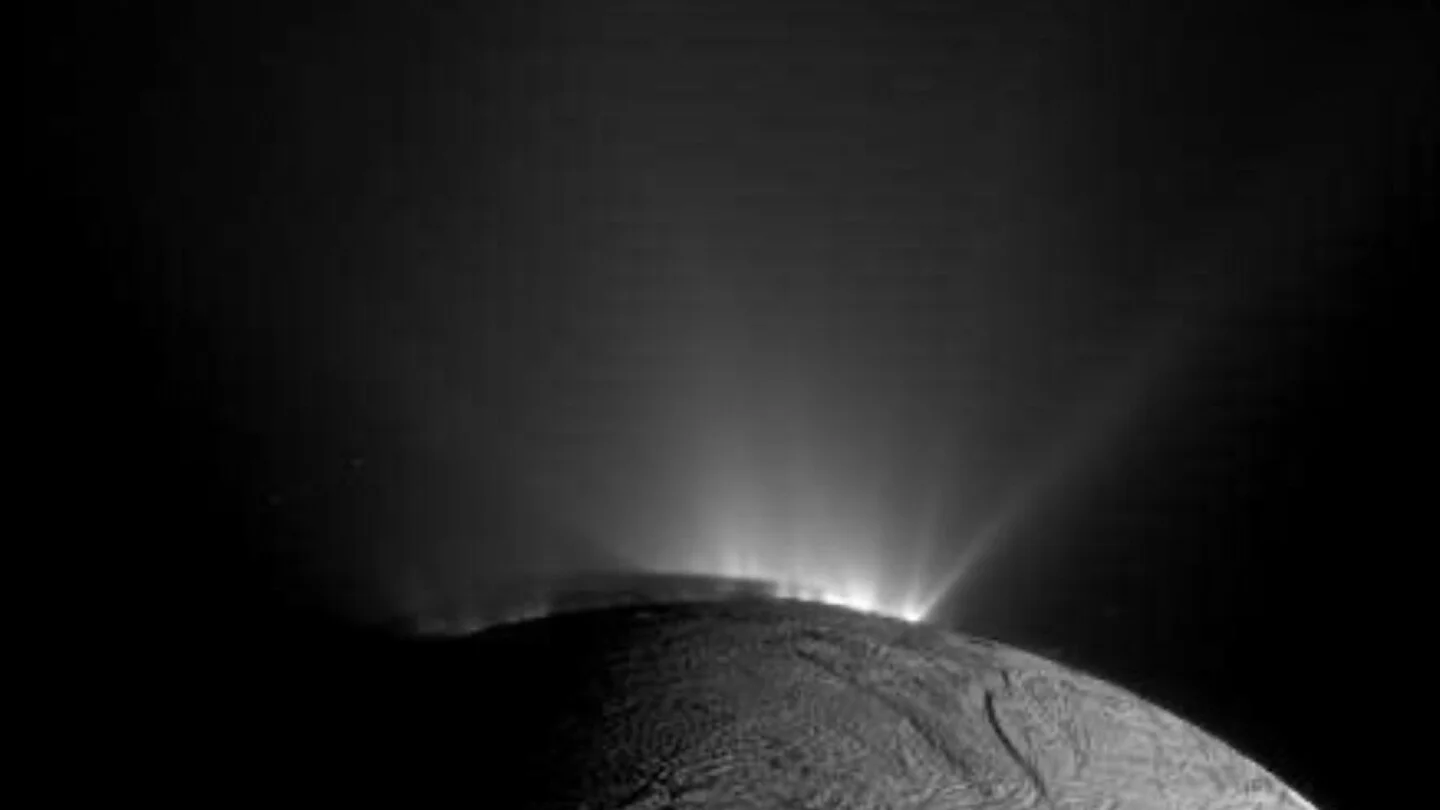
A sterile Enceladus could redefine how easily life arises
Enceladus’s global ocean—heated, chemically active, with hydrogen as an energy source, plus phosphorus and complex organics—might remain lifeless, and such a null result would be as consequential as a life detection because it would show that the ingredients for life can exist without it. A robust search would use multiple independent biosignatures (cell-like structures, organic distributions, handedness, isotope signals, and metabolic disequilibria) and strict baselines to separate abiotic chemistry from biology, with plume sampling, surface investigations, and contamination controls. If life isn’t found despite sensitive probing, Enceladus would delineate a boundary between habitability and habitation and sharpen origin-of-life research.