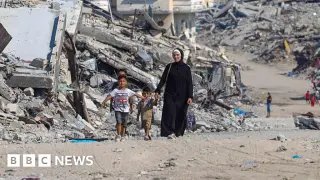
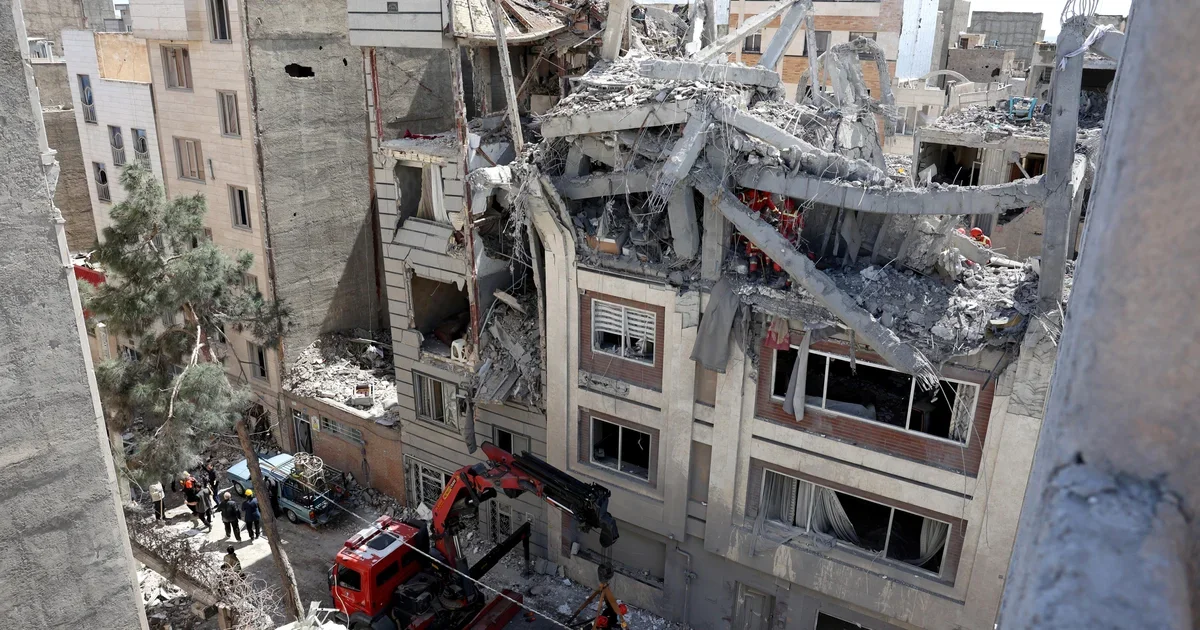
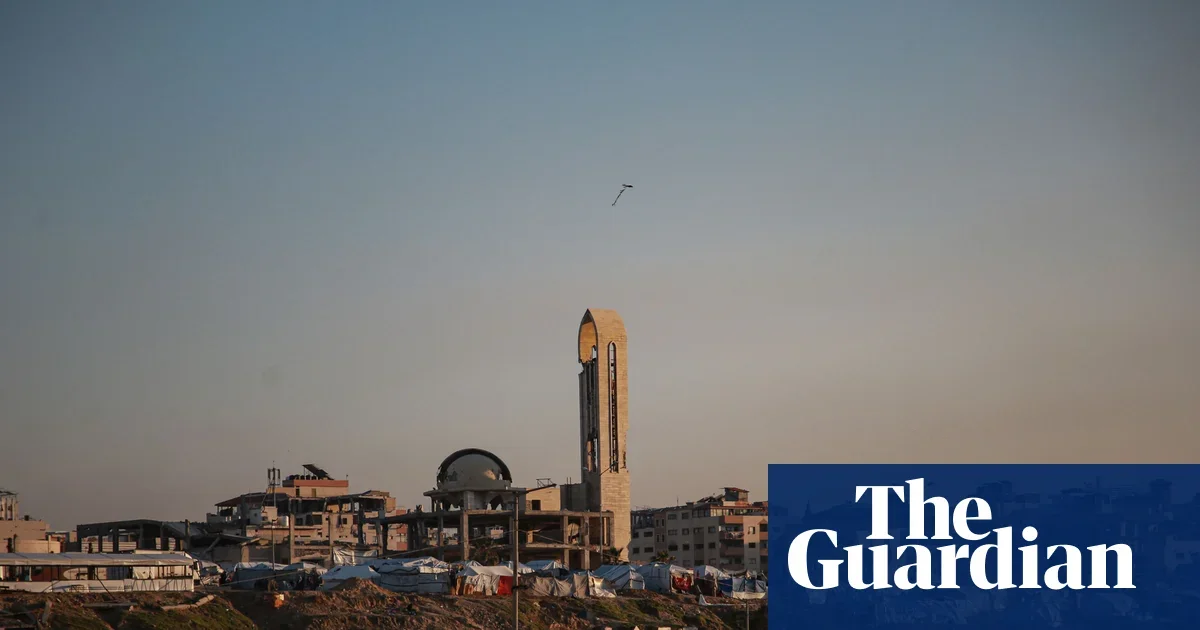
US Middle East envoy Jared Kushner met Hamas leader Khalil al-Hayya in Cairo to push the US-backed Gaza peace plan, a rare high-level engagement with mediators including Nickolay Mladenov and Tony Blair; talks reportedly focused on decommissioning Hamas weapons, Israeli withdrawal, and humanitarian aid, as Israel rejects the plan until Hamas is disarmed, while the ceasefire remains fragile amid ongoing violence and mass displacement in Gaza.
The White House says it will tolerate Netanyahu’s public rejection of the 15-point Gaza peace plan for now, provided Israeli operations in Gaza ease and Hamas disarms; progress is incremental, with Netanyahu aiming to appease domestic voters while Washington presses for steps toward disarmament and withdrawal, though doubts remain about Hamas’s follow-through and the overall durability of the peace process.
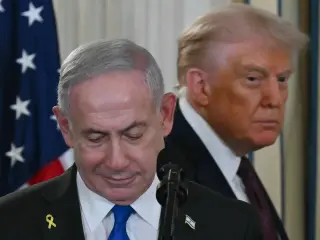
President Trump says the U.S.–Israel relationship remains 'very good' even as Netanyahu rejects the 15-point Gaza peace plan drafted by the US-led Board of Peace. Netanyahu argues Israel will not withdraw until Hamas is disarmed and rules out a Palestinian state while he is prime minister, signaling a policy rift with Washington over how to end the conflict. Officials say the plan remains operative and discussions with Israel continue, even as it faces opposition from Netanyahu’s right-wing base.
Iran says its peace proposal would require compensation for war damage and the withdrawal of U.S. troops as core elements of a durable settlement, framing these conditions as essential to ending the conflict amid ongoing diplomacy.
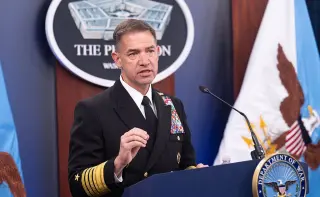
The U.S. says it struck and disabled two Iranian-flagged oil tankers near the Gulf of Oman to prevent port access, signaling continued enforcement of a blockade while awaiting Tehran’s response to a proposed peace deal, a move that clouds a fragile ceasefire and raises the risk of escalation.
US President Donald Trump said he is reviewing Iran’s 14-point peace plan but warned that air strikes could resume if Tehran misbehaves, as a fragile ceasefire holds amid tensions over the naval blockade and stalled diplomacy.
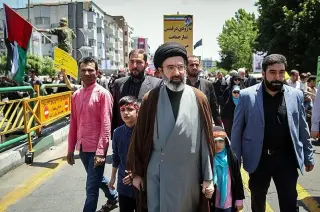
An analysis of Iran’s ten-point peace plan argues it offers a comprehensive framework for regional peace, urging a UN-backed non-aggression guarantee, U.S. withdrawal from West Asia, a regional ceasefire including Lebanon, and the lifting of all sanctions and UN/IAEA resolutions, while affirming Iran’s rights to uranium enrichment for peaceful purposes and proposing compensation for damages; the piece notes growing signs of openness from Saudi Arabia and other regional players, but warns that overcoming U.S. and Israeli opposition will be essential for any durable settlement.
Iran’s counter-proposal to the U.S. 15-point peace framework, relayed through Pakistan, is expected Friday as White House officials remain cautiously hopeful and intermediaries coordinate between Tehran and Washington.
U.S. stocks rose while oil prices fell after reports that the U.S. sent Iran a 15-point peace plan, signaling possible progress amid ongoing tensions; by late morning the S&P 500 was up about 0.6%, the Nasdaq around 0.8%, and the Dow roughly 270 points higher, while WTI crude slid about 3% to around $89 a barrel and Brent hovered near $101.
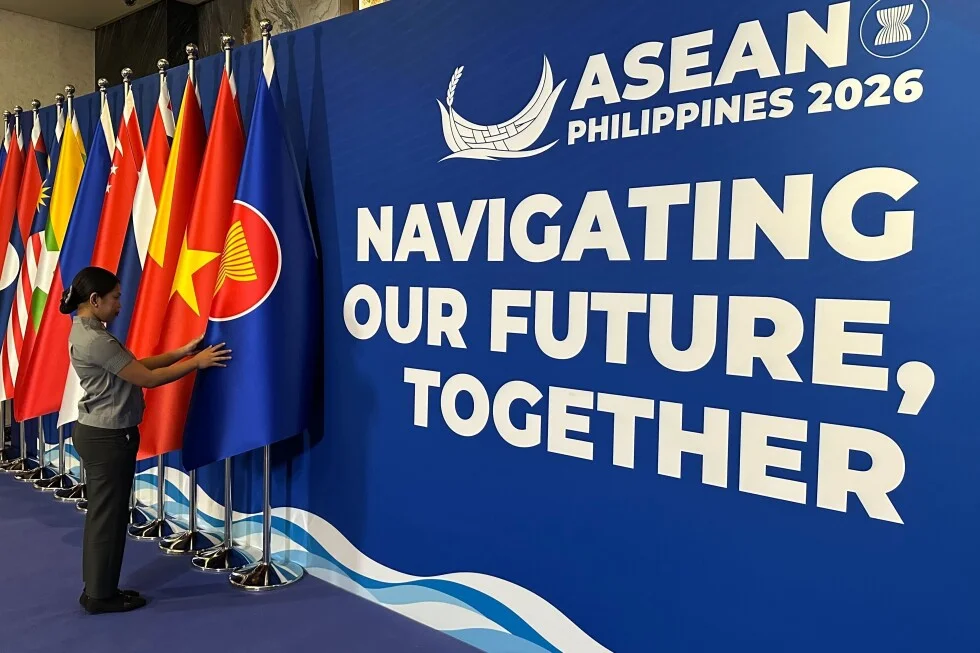
ASEAN foreign ministers meeting in Cebu pressed the bloc’s long-running peace plan for Myanmar’s civil war and pushed to finish negotiations with China on a South China Sea code of conduct by the end of 2026, while Myanmar’s military government remains excluded from high-level talks. Observers weren’t invited to recent elections, and analysts say bridging remaining differences—especially on international law and whether the COC should be legally binding—will be difficult as focus also includes de-escalation and humanitarian aid.
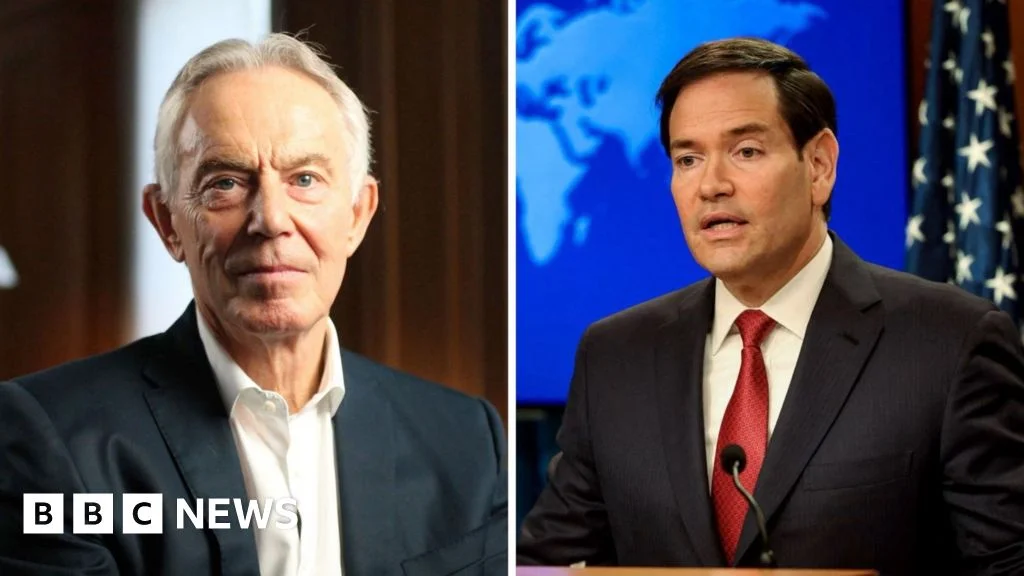
The White House unveiled a Gaza "Board of Peace" as part of a 20-point plan to end the Israel-Hamas war, naming Tony Blair and Marco Rubio among its founding members alongside Jared Kushner and Steve Witkoff; the board is to oversee Gaza’s governance and reconstruction with more members to be added, while a separate Palestinian technocratic committee and on-the-ground coordination are also being formed.
Trump creates a seven‑member Gaza ‘board of peace’ to guide governance, reconstruction and funding, naming Tony Blair, Jared Kushner, and Marco Rubio among others, with Blair’s appointment noted as potentially controversial. The board’s portfolios cover governance capacity-building, regional relations, reconstruction and capital mobilization as part of phase two of a US‑brokered plan, alongside a Palestinian technocratic committee and an International Stabilisation Force to secure the territory amid ongoing aid shortages and violence after the ceasefire.
ISW’s January 14, 2026 assessment says Russian advances slowed late 2025 into January, likely due to harsher winter conditions and pressure to hit year-end goals. Russian gains declined after peaking in early December, with about 276 km2 gained Dec 1–17, then ~89 km2 (Dec 17–31) and ~74 km2 (Dec 31–Jan 13). While poor weather briefly aided some advances, colder temperatures are constraining the infantry-heavy offensive template. Moscow continues to push broader territorial aims beyond the current peace plans (including Kharkiv, Dnipropetrovsk, Mykolaiv, and Odesa obasts) and sustains a cognitive warfare campaign with limited cross-border attacks in northern Ukraine, not yet signaling a major northern offensive. Ukraine has made political-military moves (e.g., Fedorov as defense minister) while Western diplomacy stalls; Russia cites Lavrov’s remarks and the Novorossiya framing to press for greater concessions. A Polish cyberattack on its energy grid is noted as part of broader strategic pressure. Frontlines are not reported as collapsing, and ISW notes no confirmed major Russian advances on January 14.
President Trump’s proposed peace plan for Ukraine aims to strengthen Kyiv’s ties with the West and increase its security, contrasting with Russia’s goal to keep Ukraine within its orbit, highlighting fundamental disagreements over Ukraine’s future amid ongoing conflict.
Ukrainian officials are alarmed by a proposed peace framework that limits Ukraine's military to 800,000 troops, significantly reducing its current force and raising concerns about its ability to defend itself against Russia, which faces no similar restrictions. The plan's security guarantees are seen as insufficient and potentially favoring Russia, with experts warning that the framework resembles a freeze rather than a resolution, risking prolonged conflict and instability.