Ancient Warming Event Shows Why Some Marine Life Survived Today’s Climate Crisis
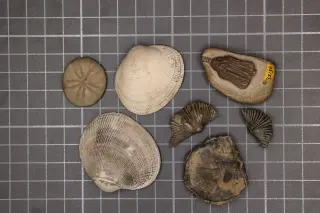
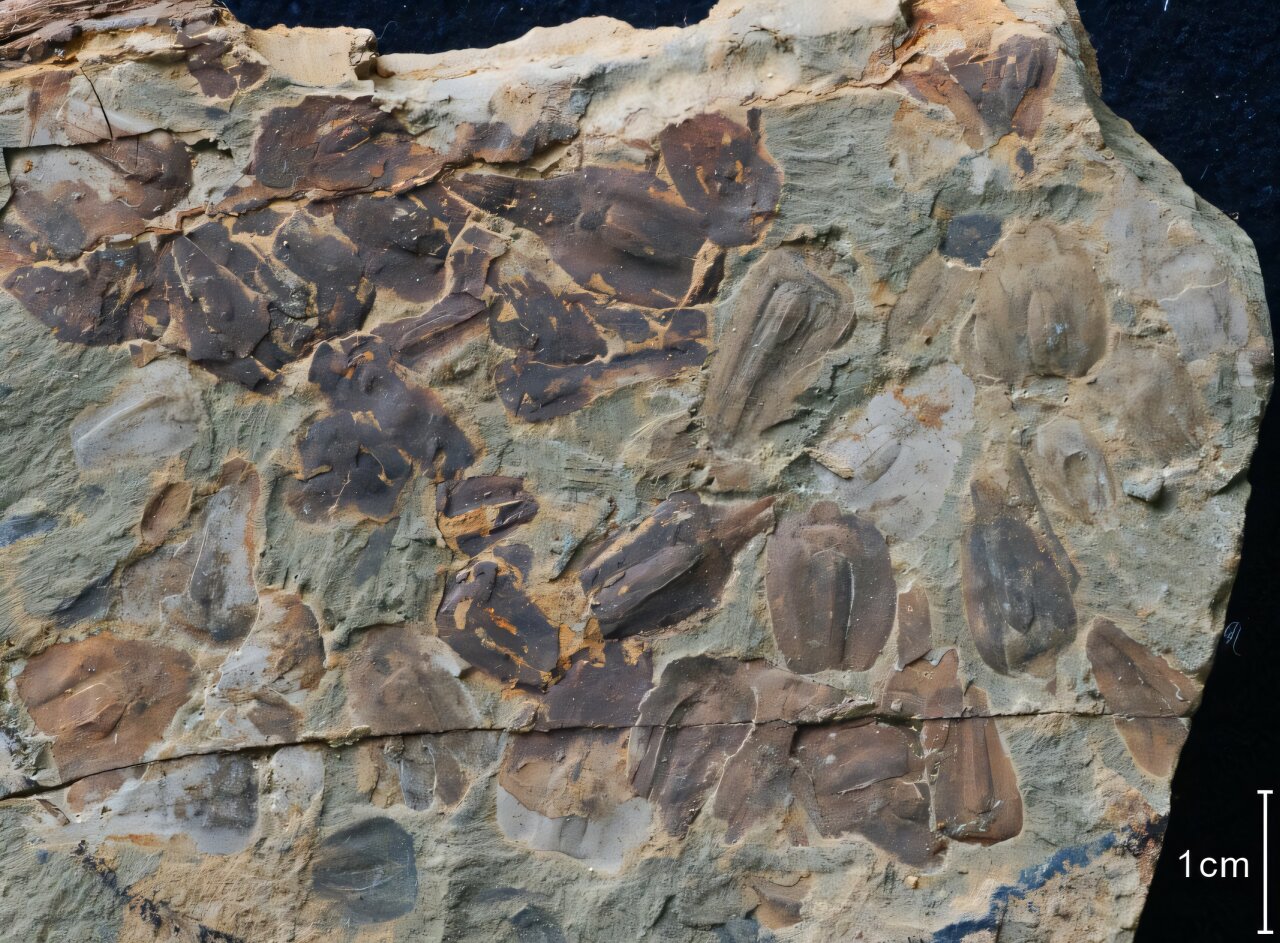
Stanford-led researchers compared 38 marine species from Paleozoic and modern faunas and found that the end-Permian warming and ocean deoxygenation disproportionately hunted slow-metabolism Paleozoic organisms, while modern species were more tolerant of heat and low oxygen. The study (Marquez et al., PNAS, 2026) links temperature and oxygen sensitivity to survival during mass extinctions and suggests today’s warming could reach similar stress levels if emissions aren’t reduced, underscoring that humans can still change the trajectory.