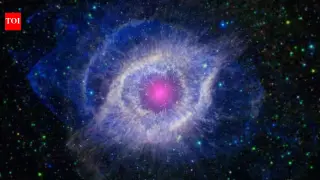
Incomplete Chilean Telescope Array Captures 22 Bow Shocks, Solving Stellar Recycling Mystery
An unfinished telescope array in Chile accidentally captured 22 bow shocks in the Helix Nebula, revealing how dying stars recycle material into the galaxy.

All articles tagged with #planetary nebulae
An unfinished telescope array in Chile accidentally captured 22 bow shocks in the Helix Nebula, revealing how dying stars recycle material into the galaxy.
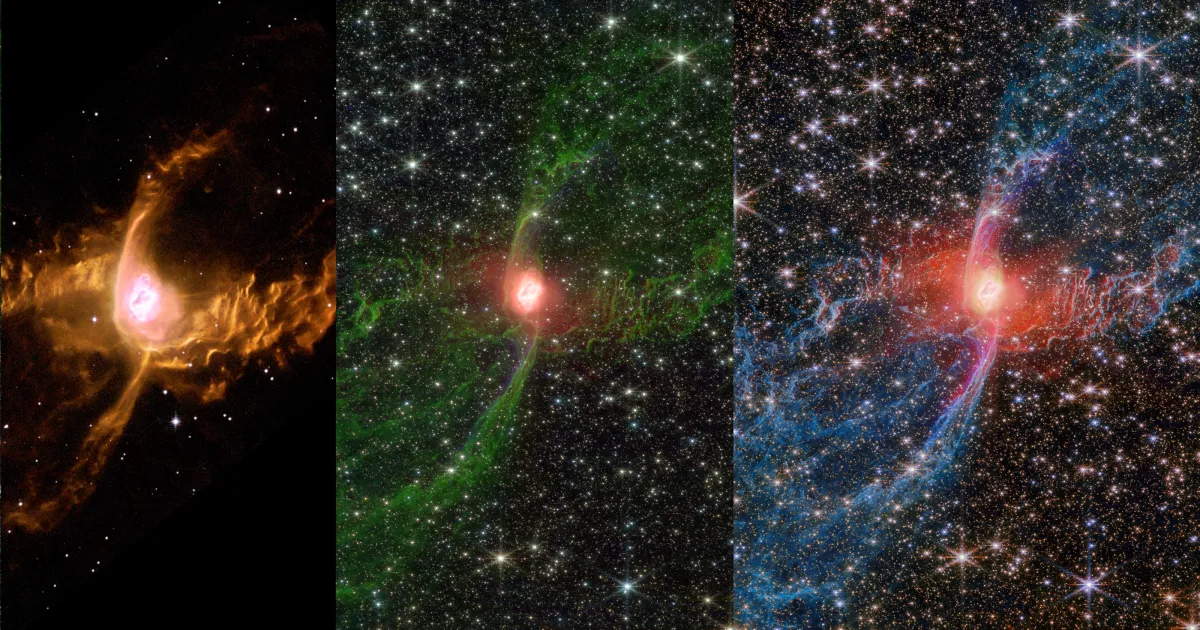
The article discusses the recent JWST imaging of the Red Spider Nebula, highlighting its structure, the role of binary companions in shaping nebulae, and the advanced temperature and ionization features revealed by infrared observations, providing new insights into the lifecycle of Sun-like stars.

NASA's James Webb Space Telescope has captured detailed, high-resolution images of the complex planetary nebula NGC 6072, revealing asymmetrical, multi-polar outflows and potential evidence of multiple stars influencing the nebula's shape. The observations provide insights into the late stages of stellar evolution and how stars contribute to enriching the interstellar medium, aiding in the understanding of star life cycles and their impact on surrounding environments.
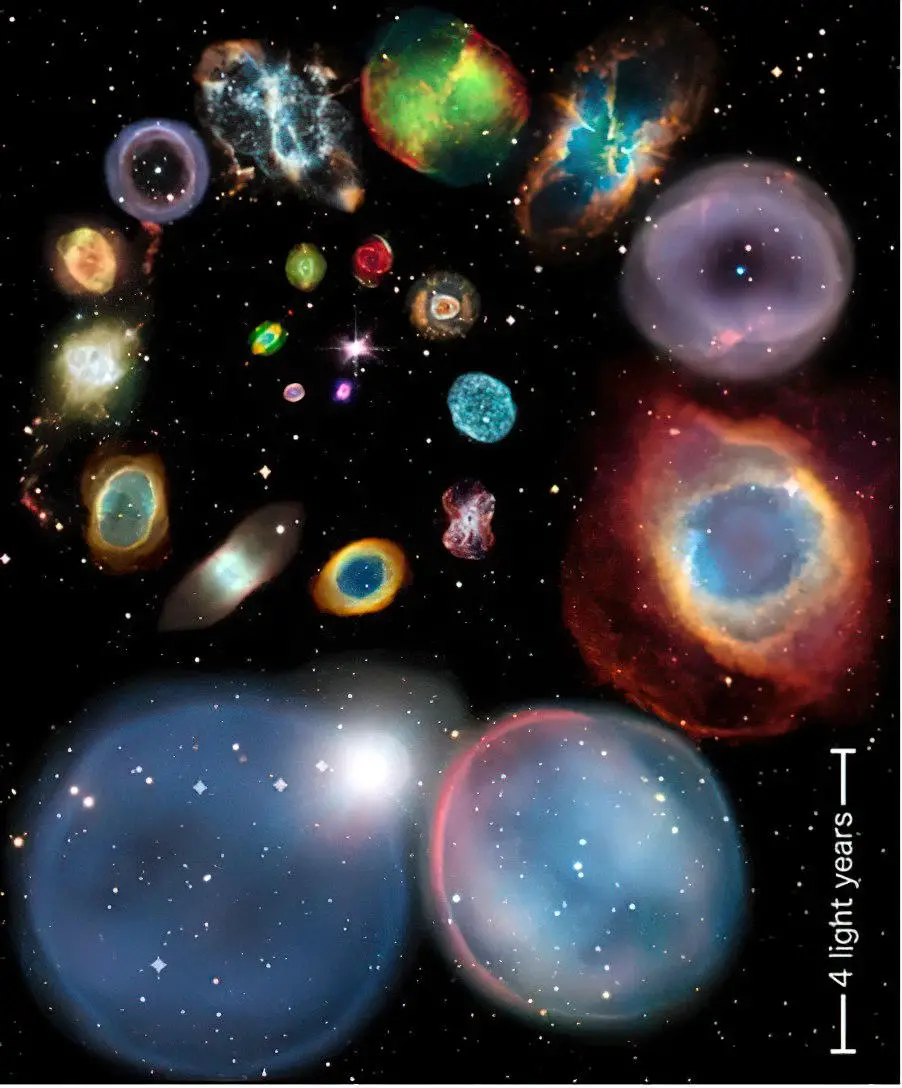
Scientists from The University of Manchester and the University of Hong Kong have discovered the source of the mysterious alignment of stars near the Galactic Center. The alignment, initially discovered a decade ago, has been confirmed to be caused by a particular group of stars known as close binary stars. These stars have a companion that orbits the main star within the planetary nebulae, and the alignment is observed only in nebulae with close companions. The findings provide important evidence for a constant and controlled process that has influenced star formation over billions of years and vast distances in the Milky Way.
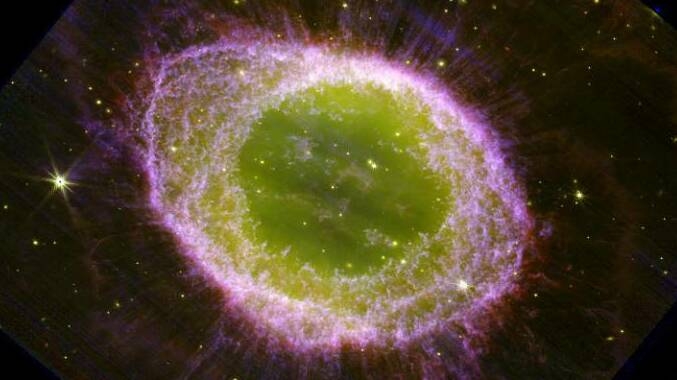
The famous Ring Nebula has been captured in stunning new clarity by NASA's James Webb Space Telescope, revealing intricate details and vibrant colors. The image, processed by Roger Wesson, showcases the expanding shell and inner region around the central white dwarf. Planetary nebulae, once thought to be simple objects, are proving to be more complex with numerous clumps of gas and filaments. The Ring Nebula is located in the Lyra constellation and can be observed by amateur astronomers. The nebula is the result of a dying star shedding its outer layers into space, and it is still expanding at a rate of over 43,000 miles per hour.
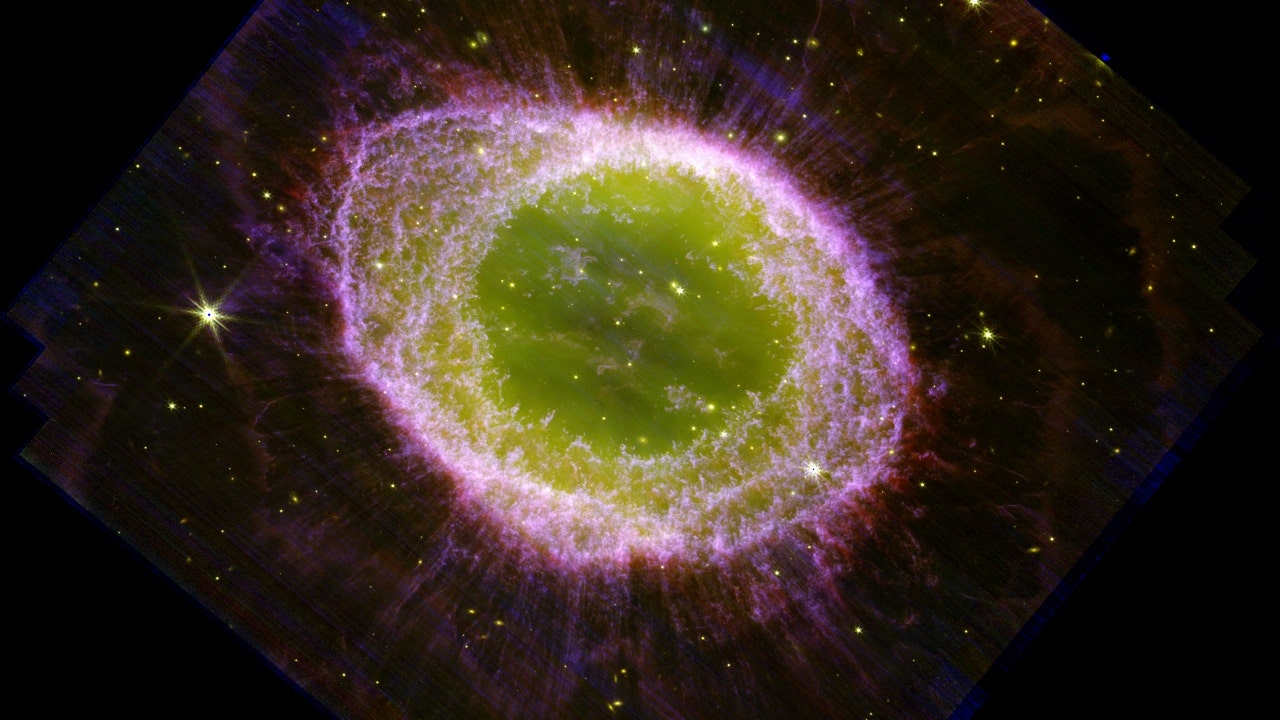
The James Webb Space Telescope has captured stunning new images of the Ring Nebula, revealing unprecedented detail of the planetary nebula in the constellation Lyra. The images showcase the intricate details of the nebula's expanding shell and the inner region around the central white dwarf. Astronomers can use these images to study how planetary nebulae form and evolve, providing insights into stellar evolution and the elements released into the cosmos. The nebula was ejected only about 4,000 years ago from a dying star located approximately 2,600 light-years from Earth.
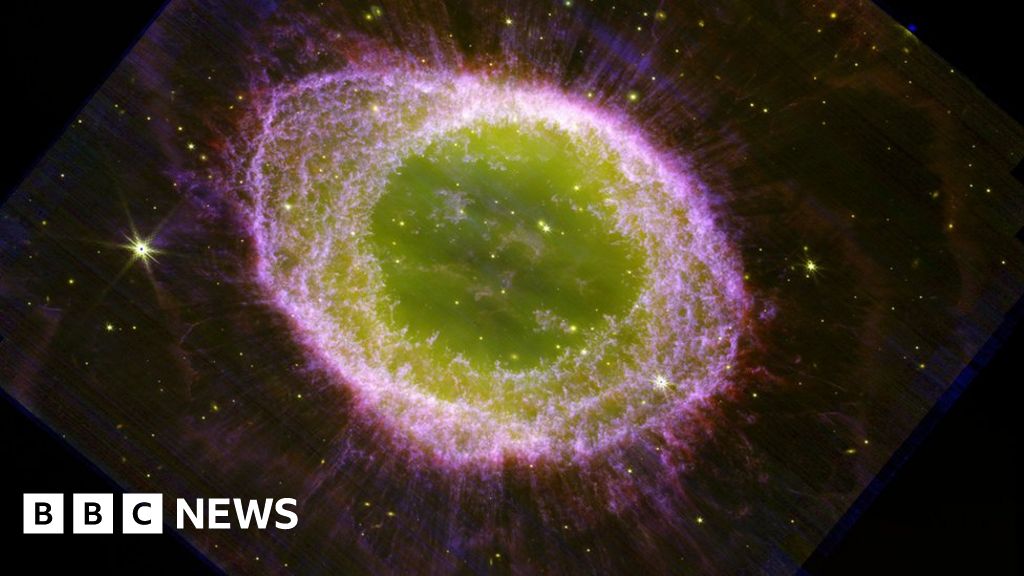
The James Webb Space Telescope has captured mesmerizing images of the Ring Nebula, showcasing the end stages of a dying star's life. Located 2,600 light-years away, the nebula provides valuable insights into the life cycles of stars. The images reveal intricate details of the nebula's expanding colorful shell and the inner region around the central white dwarf. Scientists believe these observations will enhance their understanding of cosmic events and the formation and evolution of planetary nebulae.
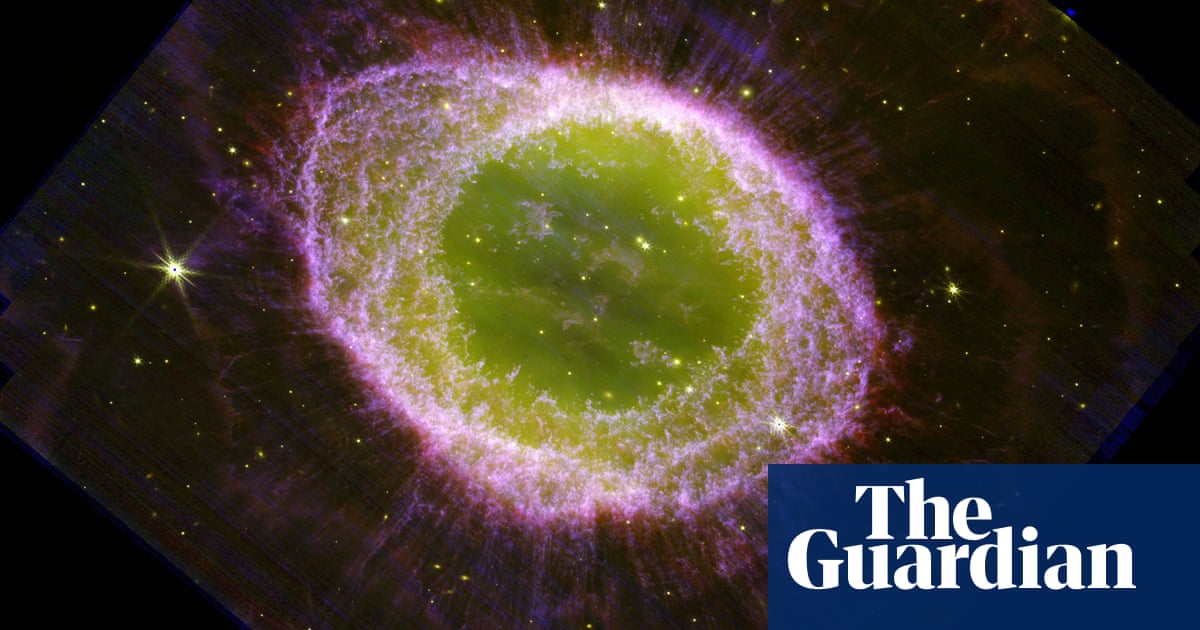
The James Webb space telescope has captured stunning images of the Ring Nebula, showcasing the final stages of a dying star's life. The high-resolution images reveal the intricate structure of the nebula's expanding shell and the inner region around its central white dwarf. These planetary nebulae, formed when dying stars eject their outer envelopes, provide valuable insights into the complex processes of star formation and the elements they release into the cosmos.
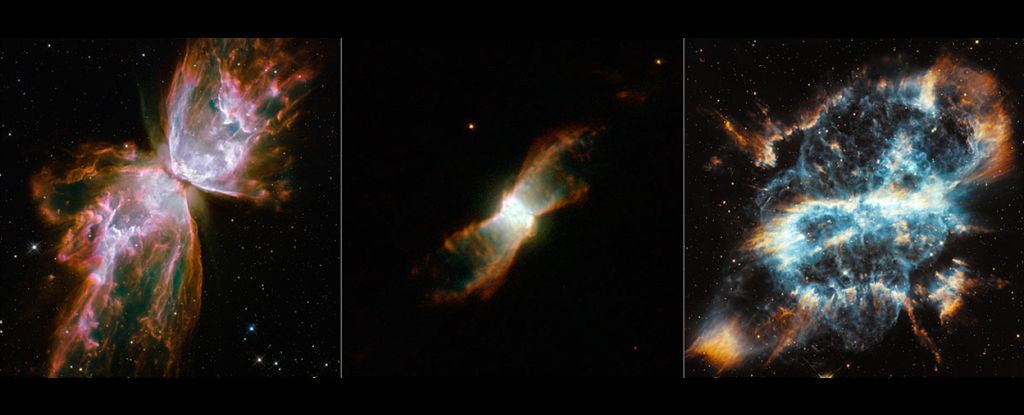
Astronomers have discovered a mysterious alignment among planetary nebulae in the Milky Way, where they appear to be parallel to the galactic plane. Researchers believe that the magnetic environment in the region may be responsible for this alignment. The alignment is observed in planetary nebulae with binary star systems on tight orbits, suggesting that magnetic fields in the past could have locked the binaries into alignment. This finding provides insight into the dynamics and evolution of the Milky Way's bulge region and offers clues about the formation of stars in the galaxy.
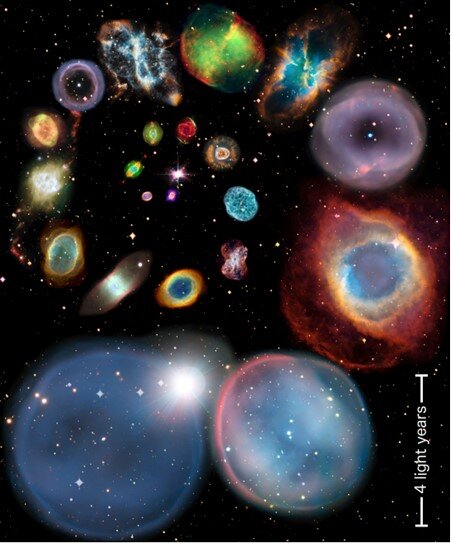
Astronomers from The University of Manchester and the University of Hong Kong have discovered the source of the mysterious alignment of stars near the Galactic Center. The alignment, first observed a decade ago, has been confirmed to be caused by a specific group of stars known as close binary stars. These stars have a companion that orbits the main star within the planetary nebulae, resulting in the alignment. The findings provide important evidence for a controlled process that has influenced star formation over billions of years in our Milky Way galaxy.