Tag

Proprioception

All articles tagged with #proprioception

Five Morning Moves to Stabilize Balance After 60
mind-body2 days ago

Five Morning Moves to Stabilize Balance After 60

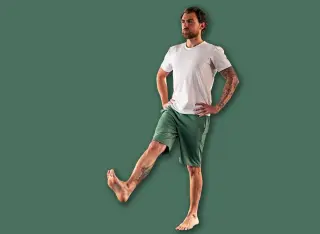
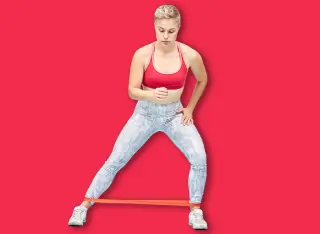
A fitness expert-prescribed set of five quick morning exercises for people over 60 targets balance by training proprioception, vestibular function, and leg strength: single-leg stand with eyes closed, heel-to-toe tandem walk, lateral band walks, calf raises, and sit-to-stand. This routine aims to reduce fall risk and help maintain daily independence as muscle mass naturally declines with age.

Five-move barefoot mobility routine to boost balance, stability and control
wellness1 month ago

Five-move barefoot mobility routine to boost balance, stability and control

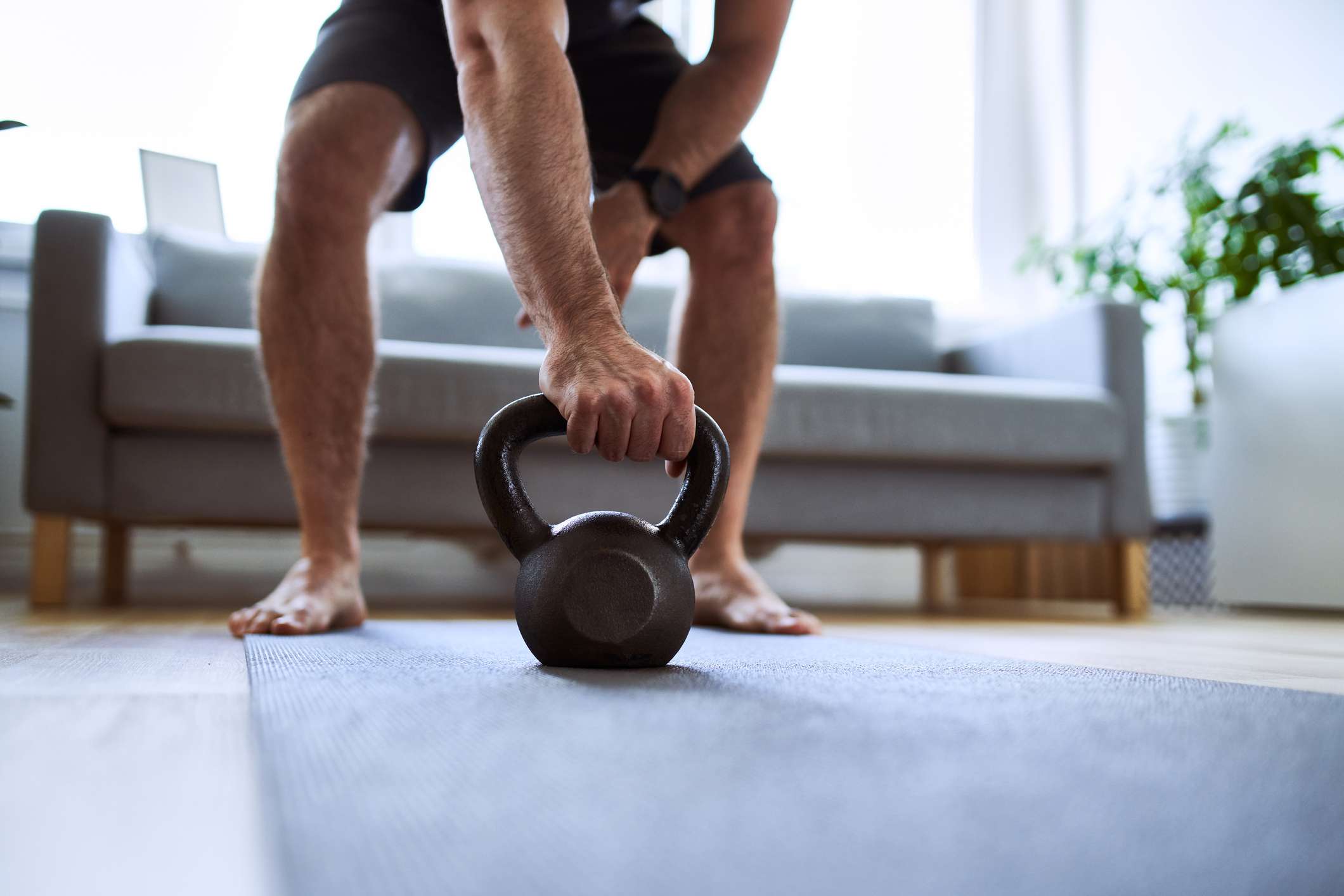
Tom’s Guide Fitness showcases a simple five‑move barefoot routine to improve balance and stability: grounding technique, calf raises, Cossack squats, stiletto squats, and the single‑leg stork pose. The article emphasizes slow, controlled movements and progressive loading to train dynamic balance and proprioception, supporting better ankle/hip stability and reduced fall risk as we age. It suggests a short sequence of 8–12 reps per move with rests, plus holding the stork pose for time, and notes balance work benefits athletes too, while advising listeners to adapt or consult a professional if needed.

Three Standing Tests to Gauge Balance After 50
mind-body3 months ago

Three Standing Tests to Gauge Balance After 50

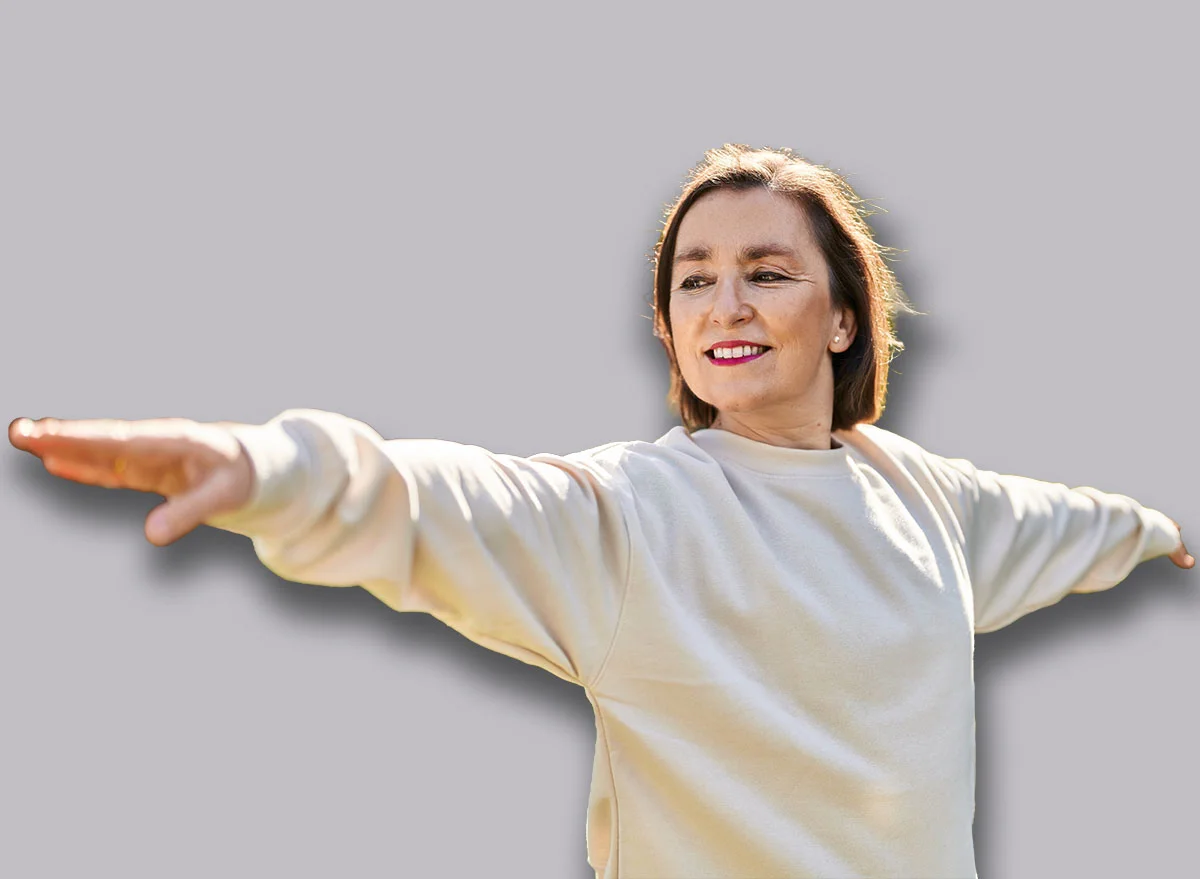
Balance tends to decline after 50 due to joint stiffness, vision changes, and reduced muscle mass, but three standing drills offer a practical test and training plan: Single-Leg Stand (eyes open or closed), Staggered Stance Overhead Reach (unilateral load), and Heel-to-Toe Line Hold (tandem stance). Perform 3 sets of 20–30 seconds per leg for the single-leg test, 3 rounds of 20 seconds per side for the overhead-reach hold, and 3 rounds of 30 seconds per side for the tandem hold. These moves engage core, hips, and stabilizers to boost multi-system coordination and reduce fall risk.

Humans May Have 22–33 Senses, Not Just Five
scienceneuroscience4 months ago

Humans May Have 22–33 Senses, Not Just Five

New research and expert discourse suggest that human perception rests on 22–33 senses, far beyond the classic five. Proprioception, interoception, vestibular balance, sense of agency, and sense of ownership are part of a distributed, multisensory system that blends touch, taste, smell, and sight to create flavor, texture, and self-awareness. Everyday experiences—such as odors altering taste or sounds changing perceived texture—reflect this interconnectedness. Work at the Centre for the Study of the Senses and Crossmodal Laboratory in Oxford, alongside exhibitions like Senses Unwrapped, illustrate how our senses continually negotiate a single, coherent reality.

Neural Mechanisms Regulating Fly Leg Movement and Balance
science8 months ago

Neural Mechanisms Regulating Fly Leg Movement and Balance

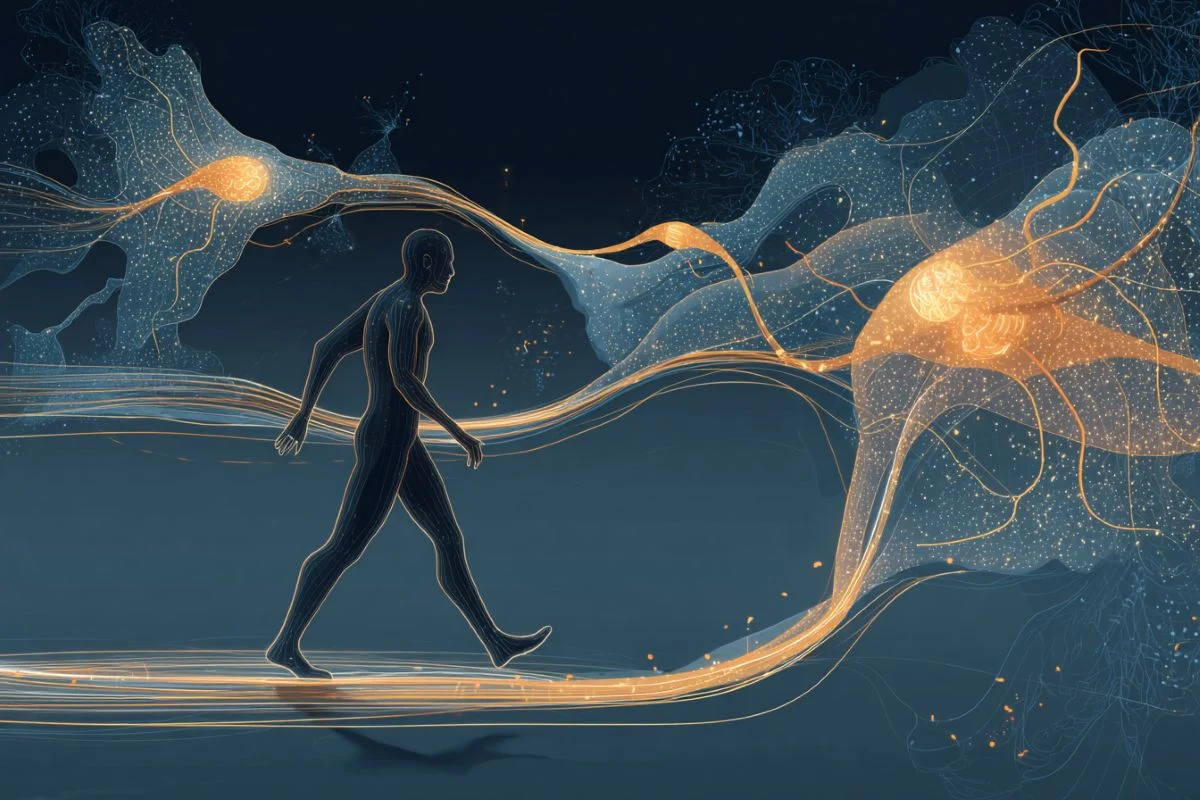
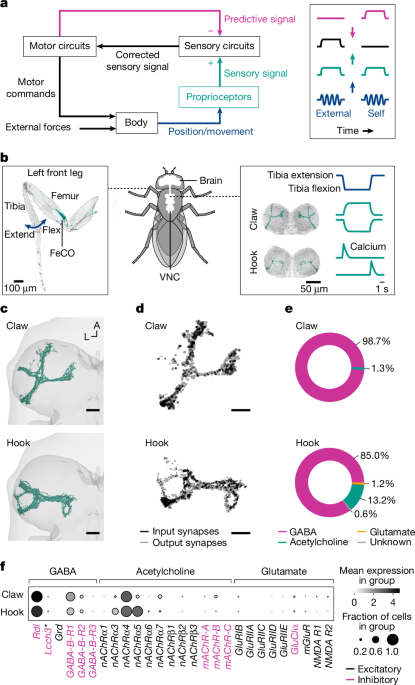
Researchers discovered that nerve cells sensing limb motion in fruit flies are turned off during movement, allowing the brain to switch between stabilizing posture and enabling dynamic action. This neural circuit, involving interneurons, helps balance stability and movement, with potential implications for treating human motor disorders and injury recovery.

Users Experience 'Virtual Reality Hangover' After Removing Headsets
technology8 months ago

Users Experience 'Virtual Reality Hangover' After Removing Headsets

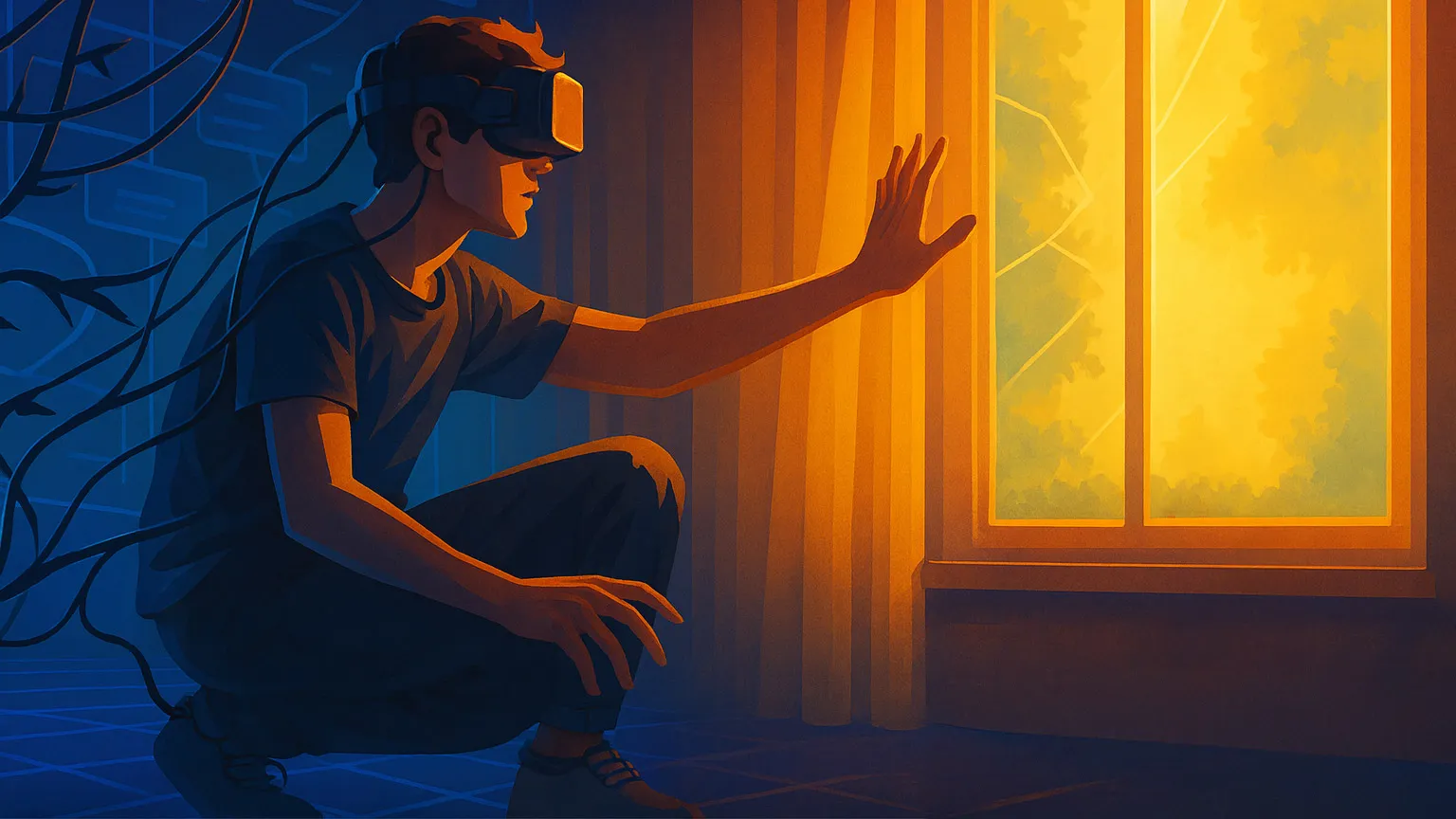
Some VR users experience a temporary sensation of being 'stuck in VR' after removing their headsets, caused by discrepancies in proprioception and the brain's adaptation to virtual environments. This phenomenon, known as 'proprioceptive-disconnect,' is linked to the imperfections of VR tracking and latency, and generally fades within a few hours. Studies suggest these effects can also influence memory and physical perception, highlighting the need for further research into VR's long-term impacts.

Mapping Movement: Unveiling the Complexity of Brain-Sensory Partnership
neuroscience2 years ago

Mapping Movement: Unveiling the Complexity of Brain-Sensory Partnership

A new study delves into the mechanisms of proprioception, the body's ability to sense limb position and movement, using musculoskeletal simulations and neural network models to understand how the brain integrates sensory data from muscle spindles. The research suggests that the brain prioritizes limb position and velocity in processing proprioceptive input, offering potential implications for neuroprosthetic design and advancing our understanding of sensory processing.

Unveiling the Science Behind Phantom Voices and Sensing Presences
science-and-technology2 years ago

Unveiling the Science Behind Phantom Voices and Sensing Presences

Scientists in Switzerland have conducted tests to understand the link between touch and hearing in relation to hallucinations. Using a robotic finger-like device, participants were tapped on the back, and when there was a delay, they reported feeling a presence and hearing voices. The study suggests that even healthy individuals may experience hallucinations when they struggle to understand their body's awareness or proprioception. This research could provide new insights into voice and touch hallucinations.

Experts Weigh In on Working Out Barefoot
health-and-fitness3 years ago

Experts Weigh In on Working Out Barefoot

Working out barefoot can improve balance, coordination, and foot strength, but it may not be suitable for everyone or every activity. Barefoot workouts can increase the risk of cuts, scrapes, and fungal infections, and may not improve athletic performance. People with pre-existing foot conditions or low/high arches should wear sneakers for support. It's generally safe for indoor mat activities like yoga and pilates, but not recommended for cycling or outdoor running. Gradually transitioning to barefoot workouts and strengthening leg muscles can help. It's important to listen to your body and find what works best for you.