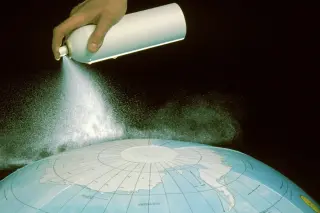
A recent research paper warns that a massive, real-world geoengineering experiment to alter Earth's climate may be underway, highlighting governance gaps, potential risks, and an urgent call for transparency and international oversight.
Chris Hadfield argues fear isn’t danger but a cue to uncover the real risk, then train by exposing yourself to the feared situation. Using the spider example, most fears are harmless and the key is combining accurate risk assessment with repeated exposure—an approach NASA uses for spacewalks. Applied to daily life, this means pinpoint the feared outcome, map a realistic worst case and response, then practice walking through it until the fear loses sway; however, chronic anxiety or phobias may require professional help.
Britain's Southport Inquiry found the 2024 knife attack could have been prevented if authorities and the killer's parents had intervened, identifying five core failures: information sharing breakdown across agencies, no single entity owning risk assessment due to a fragmented referral system, misattribution of behaviour to autism, online activity not adequately examined, and parental failures to report concerns or set boundaries. It recommends a lead agency to coordinate interventions, clearer risk-management guidelines, stronger autism training for Prevent staff, tighter online-safety monitoring (including potential VPN age-verification) and reforms to enable information sharing without parental consent.
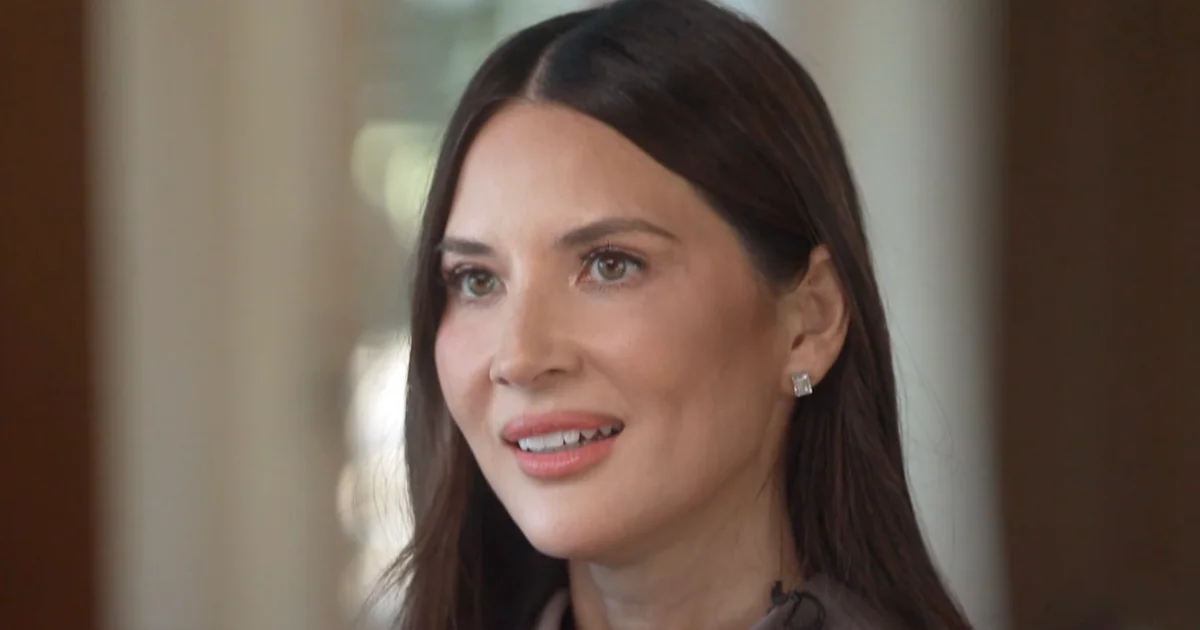
Olivia Munn revealed a Stage 1 breast cancer diagnosis after a no-symptom Lifetime Risk Assessment test; she underwent multiple surgeries and has since turned her experience into a high-profile awareness campaign that spurred a 4,000% rise in women taking the risk-assessment test, with her husband John Mulaney by her side and a reminder to cherish everyday moments with her children.
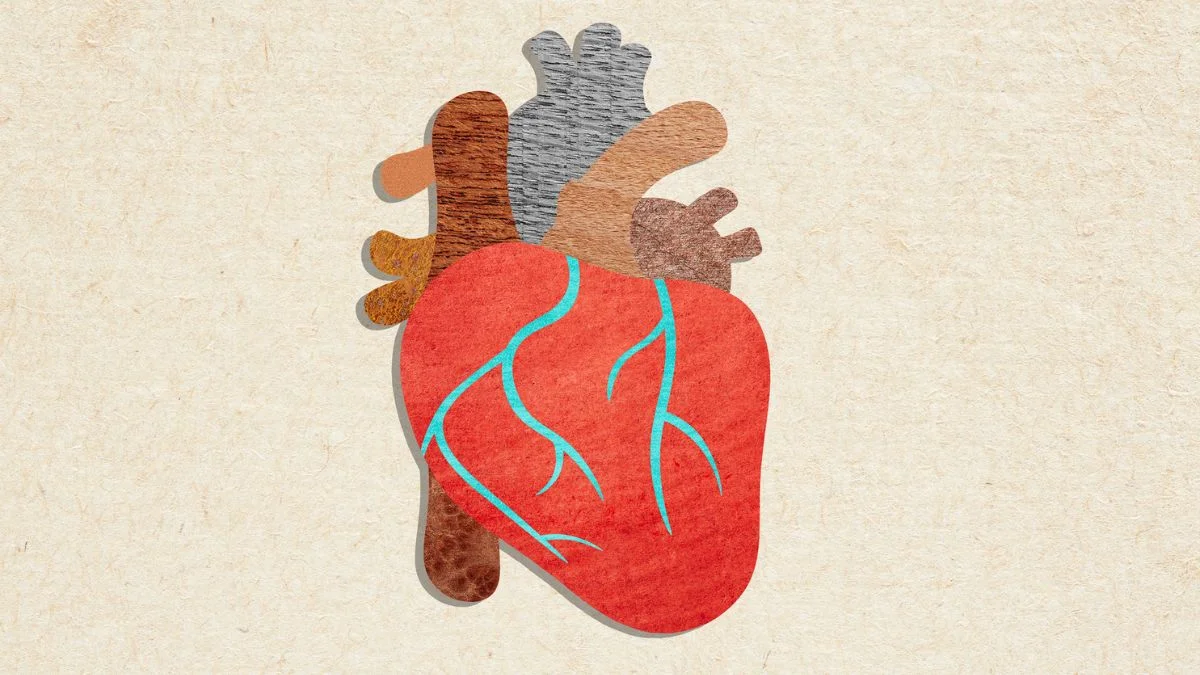
The 2026 cholesterol guidelines from the ACC and AHA expand risk assessment to ages 30–79, emphasize lifetime risk, restore explicit LDL targets (<100 mg/dL for low risk, <70 mg/dL for higher risk, <55 mg/dL for very high risk), add one-time Lp(a) testing to uncover genetic risk, and encourage earlier lifestyle changes and targeted therapies to prevent heart disease.
Artemis 2, set for April 2026, will fly four astronauts in a 10‑day lunar orbit, but NASA is not providing a precise risk probability, saying data are too limited for a definitive number; officials frame the risk as uncertain—neither as high as a worst‑case guess nor as low as a simple statistic—while citing MMOD hazards and learning from past programs to guide mitigation.
NASA officials at Kennedy Space Center gave an unusually blunt briefing on Artemis II risks, saying the exact probability of failure is hard to pin down with only Artemis I data and a multi-year gap, but leaders still aim for roughly a 1-in-50 chance of loss of crew. The discussion highlighted key risks—heat shield/entry, environmental control and life support, power, and micrometeoroid/debris exposure—along with the Launch Abort System as a major mitigation during ascent. Delays from a leaky hydrogen seal and helium-loading issues have pushed launch opportunities into April, with up to six windows planned. The crew, including commander Reid Wiseman, acknowledge unknowns but remain committed, while Artemis III and IV depend on Artemis II’s ultimate outcome.
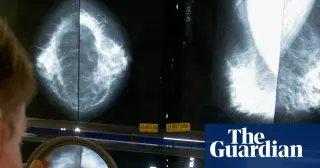
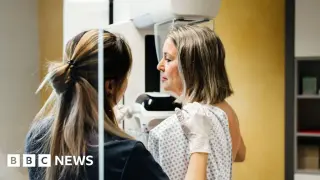
An LA OB-GYN promoted a two-minute lifetime breast cancer risk score to patients and tested herself, learning her risk was 37.5%. After facing years of pushback from doctors, she eventually underwent a preventive double mastectomy, only to have a week later pathology reveal invasive stage 1 breast cancer, validating her caution. The case highlights the challenges of imaging in dense breast tissue, the potential limits of risk estimates, and the importance of advocating for one’s own health, a stance she has continued through a health podcast.
US Capitol Police say 2025 saw a surge in 'concerning' statements and threats toward lawmakers and the Capitol complex, with 14,938 incidents investigated—up from 9,474 in 2024—spurring expansion of the Protective Intelligence Operations Center and closer cross‑agency cooperation to bolster safety amid rising political violence and calls to reduce violent rhetoric.
A comprehensive review finds that tramadol provides only modest pain relief for chronic pain but carries significant risks, including heart problems and increased adverse events, suggesting its benefits may not outweigh the harms and prompting a reevaluation of its widespread use.
A comprehensive review finds that tramadol provides only minimal relief for chronic pain and is associated with increased risks of serious side effects, including heart problems and potential cancer, suggesting its widespread use should be reconsidered due to its limited benefits and significant harms.
The 2026 Preventive Priorities Survey highlights the ongoing and emerging global conflicts that pose significant risks to U.S. interests, emphasizing the need for proactive conflict prevention and strategic foresight amid a world with increasing violence and instability.
New research indicates that current screening tools like the ASCVD and PREVENT scores may miss nearly half of heart attack cases, especially in individuals classified as low or borderline risk, highlighting the need for improved, personalized risk assessment methods to better prevent heart attacks.
Microplastics have become a public health concern in the US, but recent scientific reviews, particularly by the European Food Safety Authority, suggest that current exposure levels are much lower than feared and that many studies claiming health risks are based on unreliable data. While some evidence links microplastics to respiratory issues, there is no conclusive proof of harm to humans, and the hysteria may be driven more by media and environmental agendas than solid science.
A researcher at the University of Minnesota and a group of scientists have raised concerns about the potential dangers of creating mirror cells, which are synthetic organisms with reversed biomolecular structures. While such cells could advance scientific understanding and medical research, experts warn they might pose significant ecological and health risks if released, leading to calls for strict regulations and ethical considerations to prevent potential existential threats.