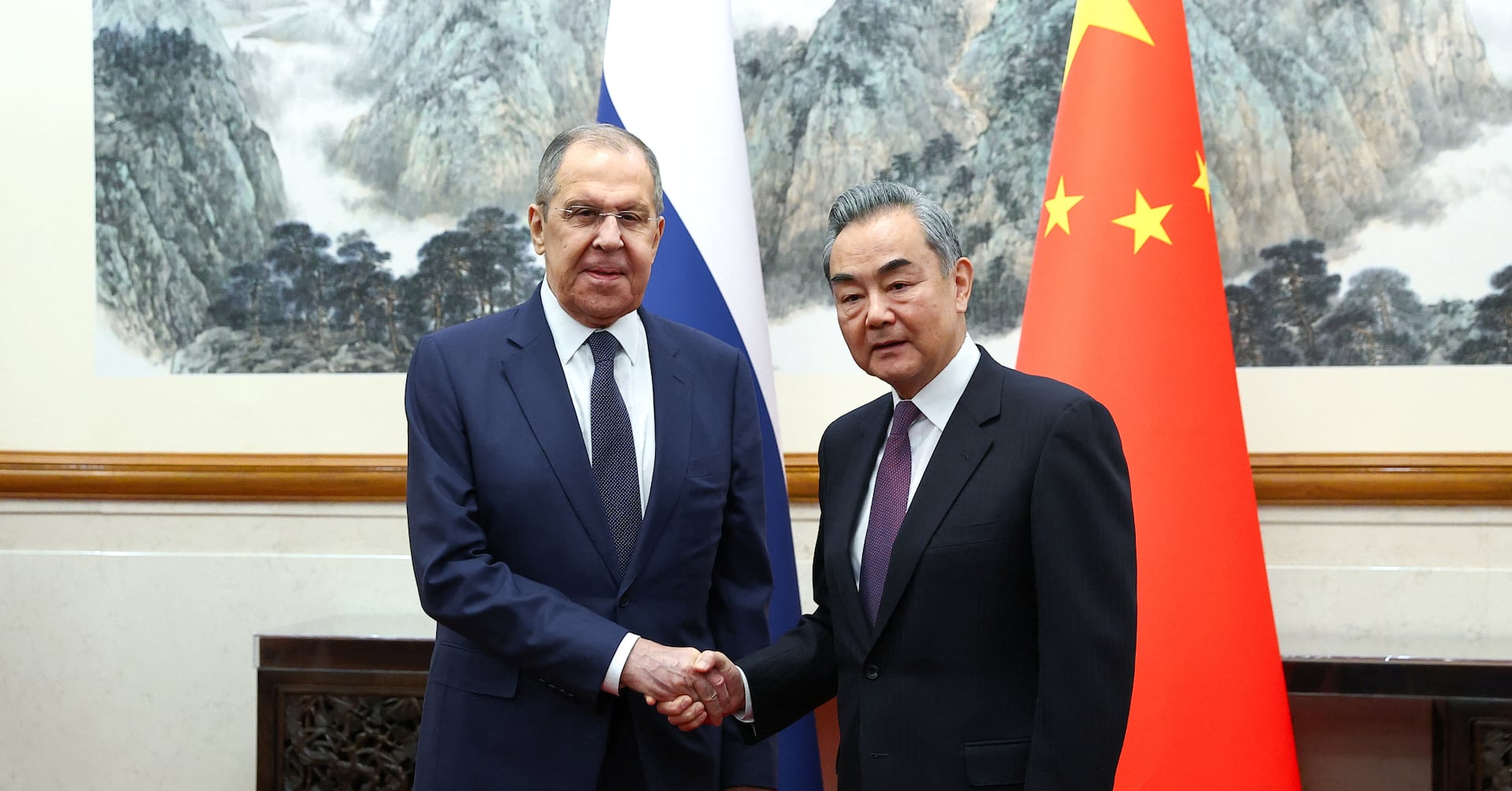
New Axis of Threat: China, Russia, Iran and North Korea Align Against the U.S.
A Foundation for Defense of Democracies report argues that China, Russia, Iran and North Korea form a de facto axis of aggressors, coordinating across military, economic, cyber and technology domains with hundreds of cooperative actions (616 in 2019–2025). They back each other through arms transfers, drones, energy trade and sanctions evasion, creating a ‘simultaneity problem’ for the U.S. that could yield multiple crises at once. The authors urge stronger allied coordination, expanded defense production, hardened critical infrastructure, and tougher sanctions enforcement to counter this multi-domain threat, including new payment networks outside Western systems.