
Medicare Advantage Exits Leave Rural Seniors Facing Steep Cost Hikes
Insurers are withdrawing Medicare Advantage plans from rural areas, forcing seniors to pay significantly more for coverage.

All articles tagged with #seniors
Insurers are withdrawing Medicare Advantage plans from rural areas, forcing seniors to pay significantly more for coverage.

President Trump announced the immediate distribution of $90 checks to over 20 million seniors to offset Medicare Part B premiums. The funds are being diverted from the Medicare Improvement Fund, a 2008 congressional allocation for program enhancements. This move precedes the November midterms and follows other cash giveaways, including $500 refunds for ACA overcharges. Critics view the payments as electoral bribes, while the administration frames them as necessary relief for seniors.
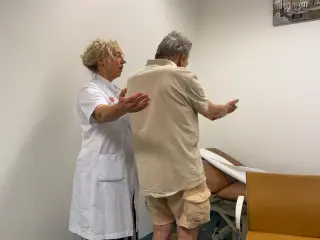
A geriatric expert says falls prevention starts years before they happen: stay active, review medications, and make homes safer, with fall-risk assessments advised before age 65.

Tom’s Guide spotlights five built‑in ChatGPT apps—Expedia for trip planning, Canva for invitations, Norton for scam detection, Spotify for playlists, and Zillow for home searches—demonstrating how you can connect each app to ChatGPT and describe what you want in plain language, with the assistant handling the rest inside the chat.

New York City Mayor Zohran Mamdani’s push to cap air conditioning at 78 degrees to ease the power grid drew online backlash after he also urged seniors to stay cool, hydrated and use cooling centers during a looming heat wave. Critics mocked the apparent contradiction, while supporters say climate policy must balance energy demands with public safety, pointing to ongoing measures like cooling centers and extended pool hours to counter extreme heat.

Medicare’s Bridge demonstration program will start covering obesity medications for eligible beneficiaries with a $50 monthly copay, starting July 1, expanding access to GLP-1 drugs like Wegovy and Zepbound; however, awareness among seniors is low, enrollment isn’t automatic and requires a prescription plus prior authorization, and public outreach is being scaled up after launch as CMS and drugmakers prepare for possible demand through 2027.

A five-year analysis of CDC mortality data finds several Oregon metro areas rank among the worst in the U.S. for alcohol-induced deaths among adults 65+, with Roseburg No. 2, Eugene-Springfield No. 4, Medford No. 5, Salem No. 9, Bend No. 11, and Portland/Vancouver/Hillsboro No. 15, highlighting Oregon’s outsized share of the nation’s top 30 metro areas for senior alcohol mortality.

A panel of health experts says seniors don’t need drastic changes—focus on practical nutrition (fiber-rich foods, at least ~20g protein per meal, vitamin D sources), adequate hydration (about 48 ounces daily), and regular, moderate exercise (~150 minutes per week) tailored to ability. Emphasize a whole, plant-based Mediterranean-style pattern, social well-being, and proactive cardiovascular risk screening to support overall health and independence as we age.
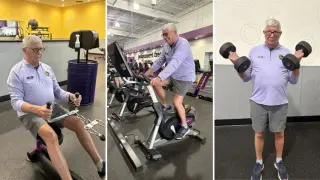
An 83-year-old trainer, Harry King, shares a senior-friendly strength routine: begin with a 5–10 minute cardio warm-up, then 45–60 minutes of resistance training (three sets of 12 reps) targeting upper- and lower-body muscles, with workouts on separate days and two rest days before repeating. The program includes six upper-body moves (e.g., chest press, lat pulldown, pec fly, seated row, biceps curl, triceps pushdown) and six lower-body moves (leg press, seated hamstring curl, leg extension, hip adduction, hip abduction, squats), with guidance to adjust weight to hit 12 reps and to vary the routine after 2–3 months for motivation and safety. Always consult a doctor or trainer when starting new exercise, especially in older age.
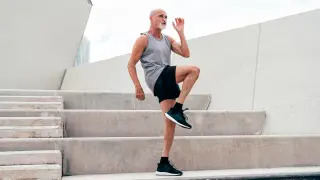
A Tom’s Guide fitness editor recommends three low‑impact mobility exercises—stiletto squat with heel raises, monster walks, and Warrior III—for people over 50 to improve stability and balance. The piece emphasizes dynamic joint movement over static stretching, notes fascia health, and provides guidance on performing 3–4 sets with 8–10 reps (or a 45–50 second monster walk) to build functional strength and reduce the risk of falls, while suggesting modification based on comfort and injury status.
Retirement groups are urging Congress to investigate Meta over a surge of fraudulent Medicare ads targeting older Americans, alleging Meta slow to remove scams and profiting from them; Meta says it fights scams and cites law-enforcement collaboration. The push follows a Center for Countering Digital Hate report and previous bipartisan scrutiny of Meta. The update also rounds up other Capitol Hill news of the day, including movement on a housing affordability bill toward President Trump, a bid to bar lawmakers from playing prediction markets, ongoing AI safety legislation, the NO FAKES Act advancing in the Senate, and Iran deal developments.

An expert outlines five daily exercises for those after 60 to help preserve muscle, balance and independence: chair squats (sit-to-stands) 2–3 sets of 10–15 reps; brisk walking 20–30 minutes daily; step-ups 2–3 sets of 8–10 reps per leg; bird-dogs 2 sets of 8–10 reps per side; and farmer carries 3 rounds of 30–60 seconds. No workout can reverse aging, but these moves target real-life strength and mobility to slow decline.
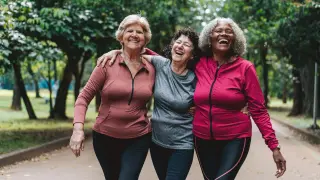
A longevity-focused trainer says VO2 max is the key predictor of aging well and recommends a beginner-friendly Zone 2 cardio plan: 20–30 minutes of brisk walking, light jogging, cycling, or swimming three times weekly at about 60–70% of max and at a pace where you can talk in full sentences; after six to eight weeks, add short intervals while pairing cardio with strength training to preserve muscle and improve oxygen use.
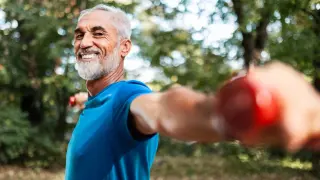
Sam Hopes' Tom's Guide feature outlines a low‑impact, three‑move routine for people over 60: side leg raises, seated leg openers, and Cossack squats. Each exercise targets hips, glutes, and the core to improve joint health, balance, and stability, with progression options using a resistance band or light dumbbells. The guide emphasizes controlled movement, 3–4 sets of 8–10 reps, proper posture, and caution to stop if pain, making it practical to do at home to maintain mobility with age.
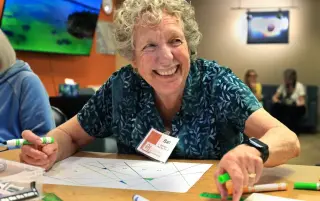
In Sonoma County, loneliness among adults 60+ is a growing health crisis, linked to poor health behaviors, increased depression, sleep problems, higher fall risk, and even suicide—rates of older-adult suicide rising 50% since 2020. The piece highlights programs like PEARLS, senior centers, Meals on Wheels, and adult-day services as vital connections, while underscoring the need for funding and community involvement to help isolated seniors access resources before crises develop.