Tag

Sex Determination

All articles tagged with #sex determination

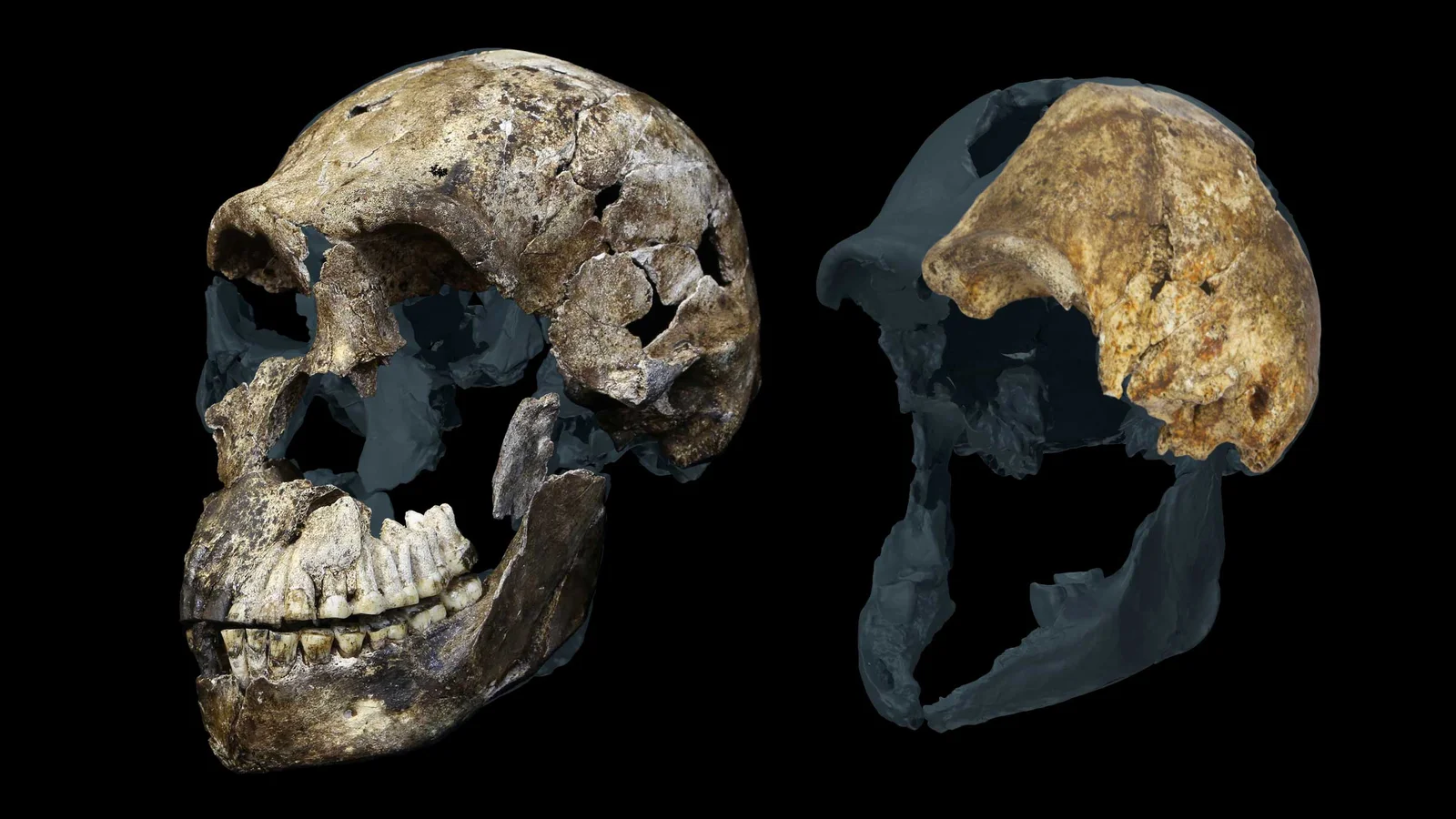
Proteomics suggests all Homo naledi skeletons from Rising Star cave are female
sciencearchaeology27 days ago

Proteomics suggests all Homo naledi skeletons from Rising Star cave are female

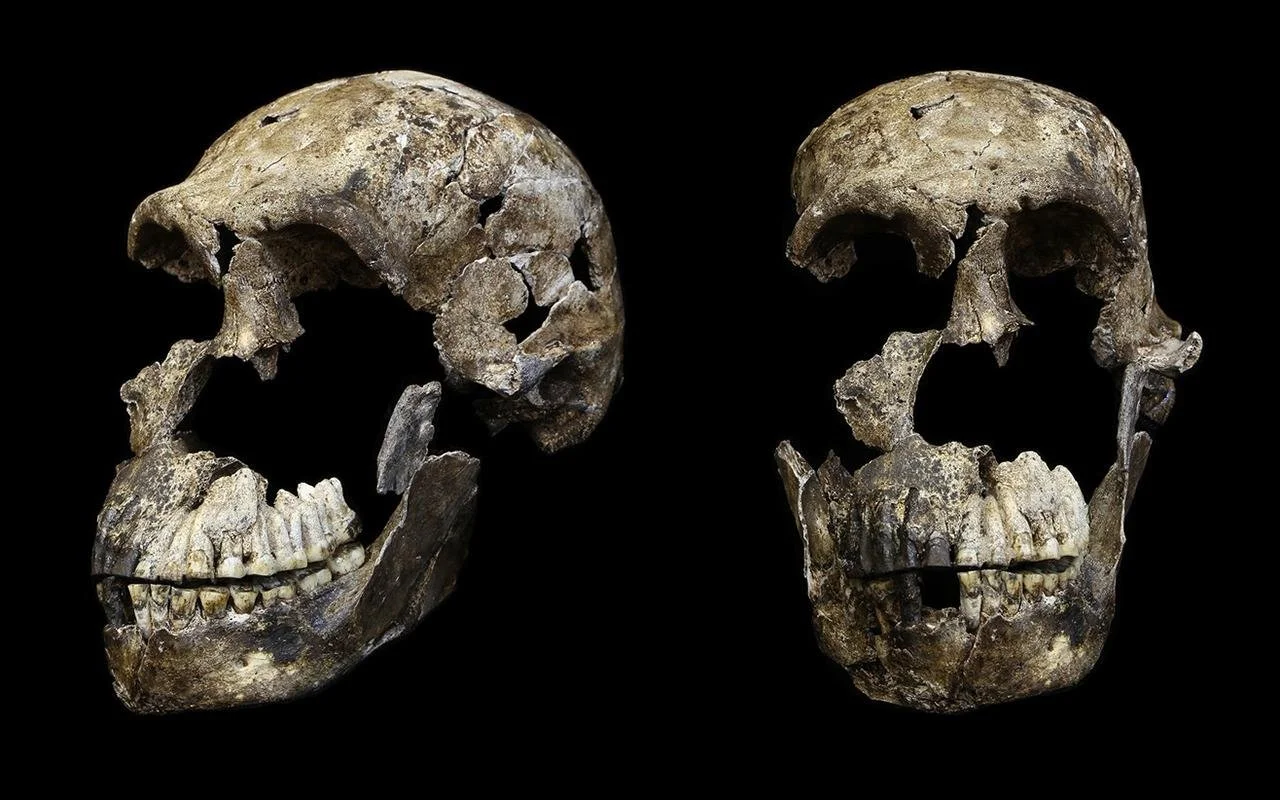
A proteomic analysis of 20 Homo naledi teeth from the Rising Star cave in South Africa found no AMELY (male) markers, suggesting all examined skeletons are female. The finding includes specimens once thought to be male (e.g., DH1 and Neo) and raises questions about sex representation or a possible AMELY deletion, with researchers noting this is a surprising result that requires more sampling to understand the biology and evolution of the species. The study, published in Cell (2026), also highlights shared protein variants with Paranthropus robustus and underscores the potential of ancient proteins to illuminate sex in extinct hominins.

Y Chromosome on the Clock: Extinction Fears Meet Scientific Debate
science2 months ago

Y Chromosome on the Clock: Extinction Fears Meet Scientific Debate

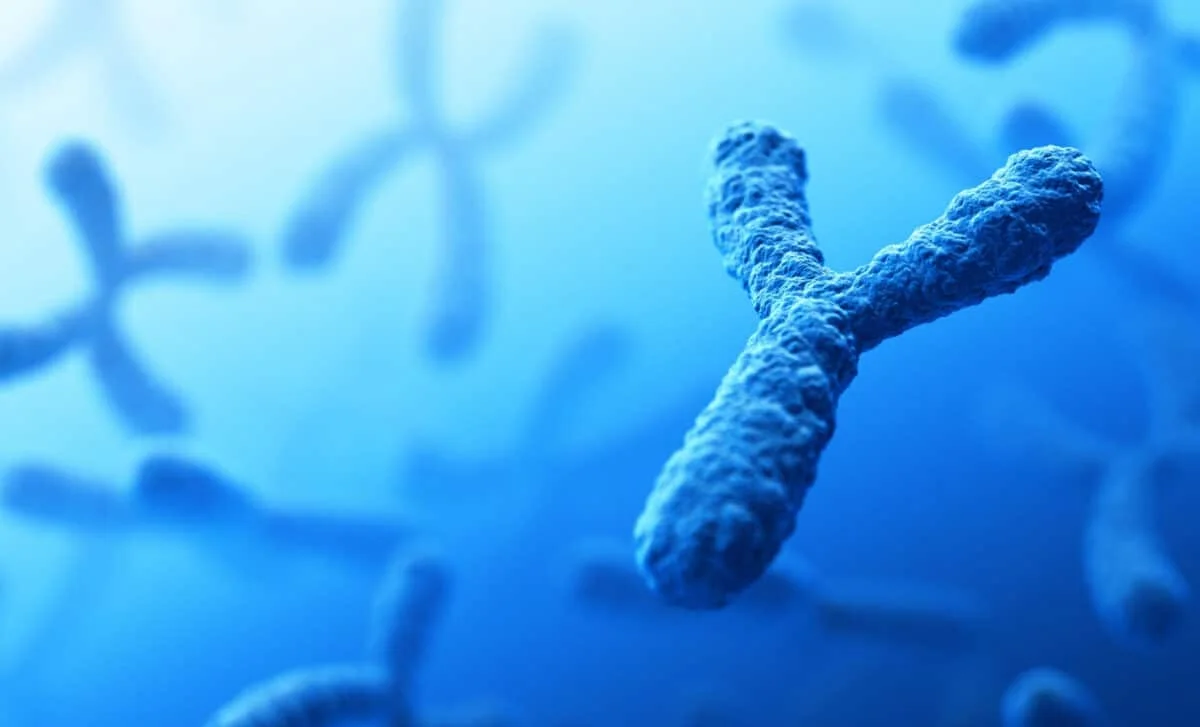
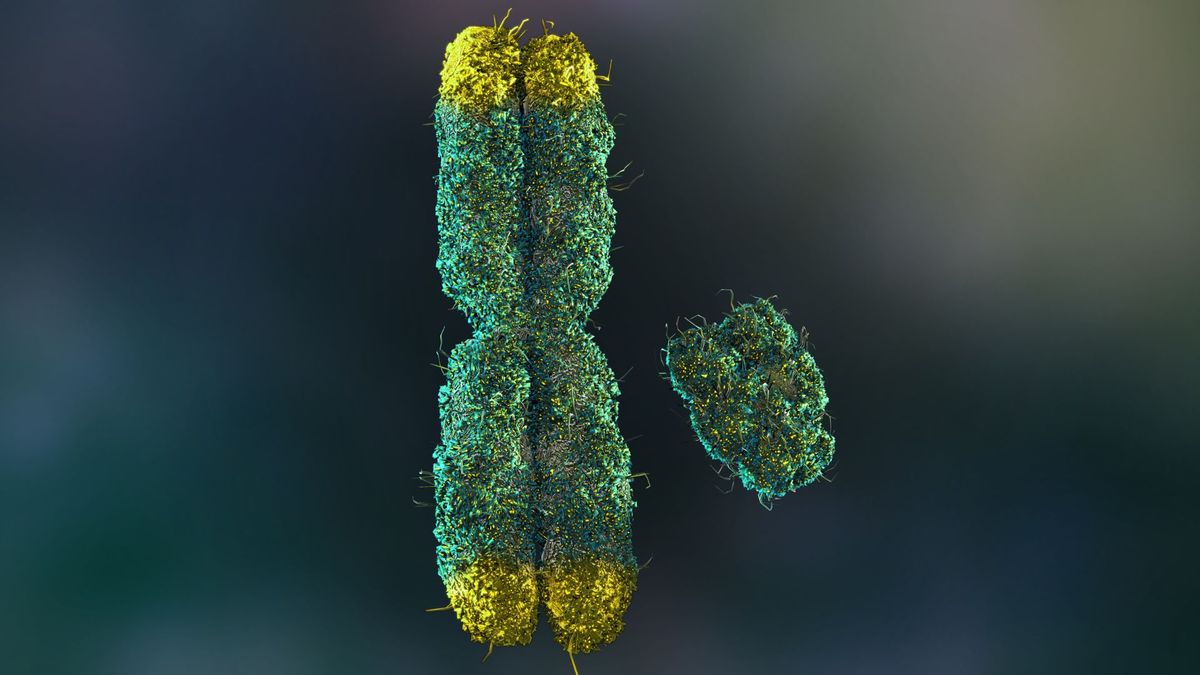
The fate of the human Y chromosome is still debated: it has shed most of its ancestral genes, but scientists disagree on whether it will disappear. Some argue key Y genes are essential and loss is limited, while others say remaining sequences are repeats and degradation could continue. Animal studies showing sex-determination relocating to other chromosomes suggest humans might compensate if needed; even if the Y vanishes, males would likely persist, and extinction is not imminent.

Is the Y Chromosome Doomed—or Here to Stay?
science2 months ago

Is the Y Chromosome Doomed—or Here to Stay?

ScienceAlert covers a heated debate: Jenny Graves argues the Y chromosome is degrading and could vanish in millions of years, but this forecast is contested and uncertain. Other researchers, notably MIT’s Jenn Hughes, contend core Y genes are deeply conserved in primates and the chromosome is more likely to persist, even as some species have shed or replaced its sex-determining role. The evidence shows sex-determination systems can evolve rapidly, and while the Y’s fate remains unresolved with wide error margins, males would likely persist if alternative mechanisms arise.

Y Chromosome Fades, Yet Males Persist: Amami Spiny Rat Reveals a New Route to Maleness
science4 months ago

Y Chromosome Fades, Yet Males Persist: Amami Spiny Rat Reveals a New Route to Maleness

New research shows the Y chromosome is decaying in mammals, but the Amami spiny rat demonstrates that maleness can be controlled by an autosomal SOX9 enhancer—driven by a 17,000-base-pair duplication on chromosome 3—allowing male development without the SRY gene. This turnover indicates that the Y’s loss does not doom a species and suggests other mammals may use alternative genetic switches, though the exact mechanisms vary and require further study.

Iron Deficiency in Pregnancy Alters Sexual Development in Male Mice
science1 year ago

Iron Deficiency in Pregnancy Alters Sexual Development in Male Mice

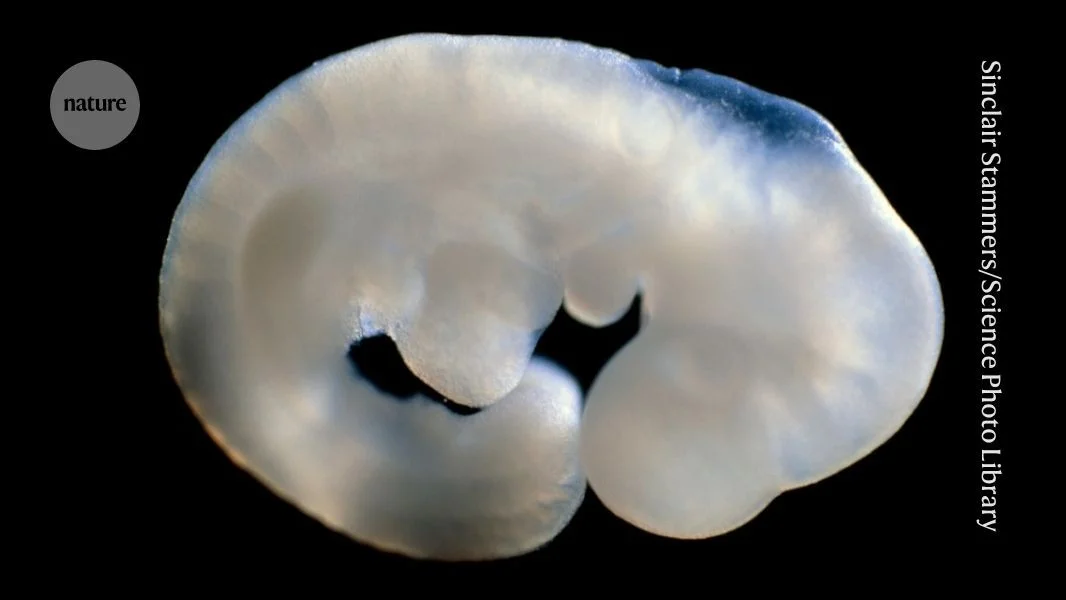
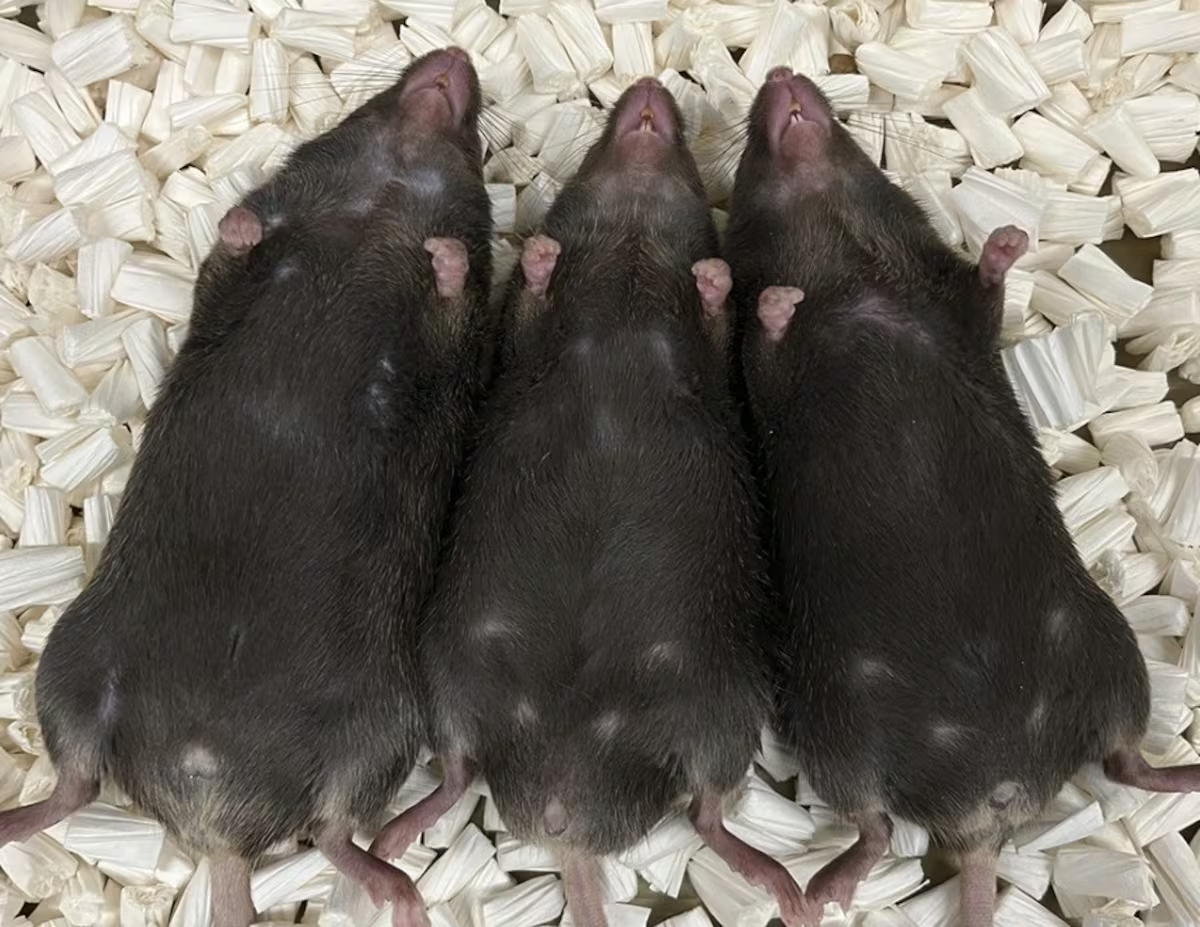
A new study in mice shows that iron deficiency during pregnancy can cause XY embryos to develop female characteristics by disrupting the activation of the SRY gene, which is crucial for male sex development. This finding suggests that nutrition and metabolic factors like iron may influence sex development, although further research is needed to determine if this applies to humans.

"Scientists Convert Male Mice to Female by Deleting 6 Molecules"
science2 years ago

"Scientists Convert Male Mice to Female by Deleting 6 Molecules"

A new study published in Nature Communications reveals that deleting six specific microRNAs can override the influence of sex chromosomes, transforming male mice (with XY chromosomes) into females by delaying the production of a crucial protein. This discovery adds complexity to our understanding of sex determination in mammals and suggests that similar mechanisms may exist in other vertebrates, including humans.

"The Vanishing Y Chromosome: Implications for the Future of Men"
science2 years ago

"The Vanishing Y Chromosome: Implications for the Future of Men"

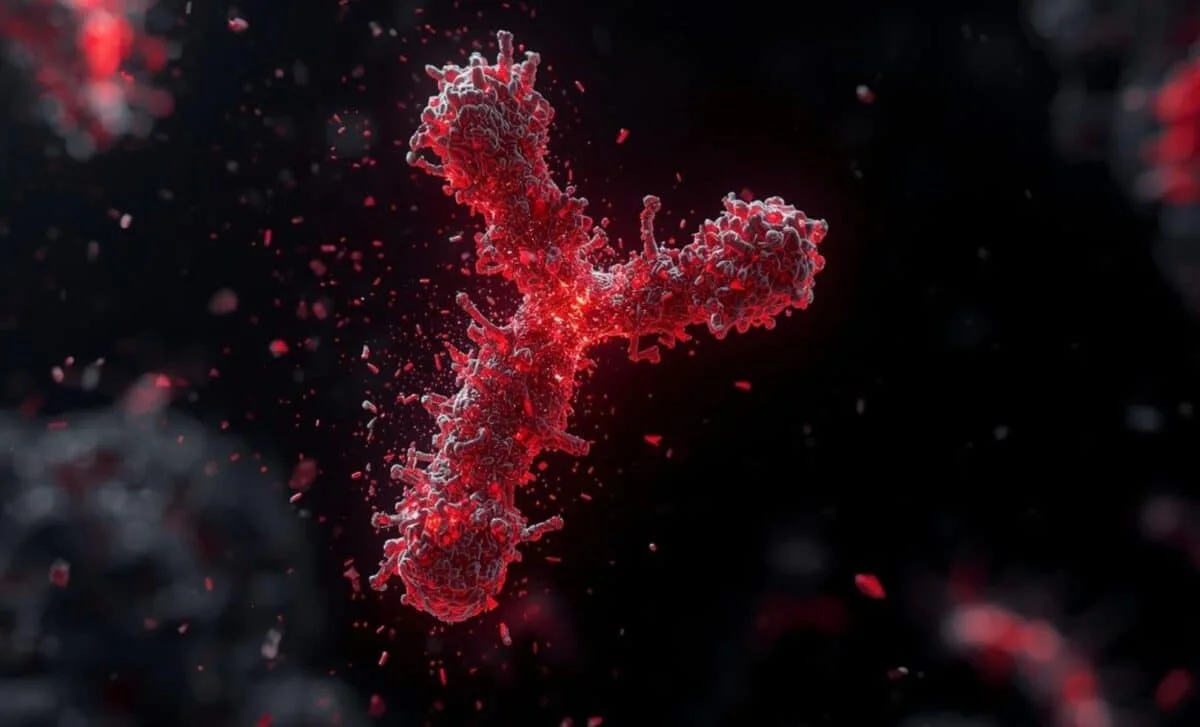
The Y chromosome, responsible for determining male sex, has been degenerating for millions of years and may disappear, potentially leading to the extinction of men. However, other species have lost the Y chromosome and survived by evolving new sex determining genes. If the Y chromosome disappears in humans, it could lead to the evolution of new sex determining genes, potentially resulting in the separation of different human species.

"The Vanishing Y Chromosome: Implications for the Future of Men"
science2 years ago

"The Vanishing Y Chromosome: Implications for the Future of Men"

The Y chromosome is degrading at a concerning rate, with the potential to vanish in about 4.5 million years due to gene loss and difficulty in eliminating mutations. Some animal species have already witnessed the disappearance of the Y chromosome, but there are potential mechanisms for genes to relocate and maintain male sex determination. While there are advocates for the Y chromosome's lasting, its changes could impact disease risks in men, potentially affecting cancer and Alzheimer's disease. However, with various potential extinction scenarios, there's no immediate need for concern about the Y chromosome disappearing.

"The Mystery of the Disappearing Y Chromosome"
science2 years ago

"The Mystery of the Disappearing Y Chromosome"

The Y chromosome is degrading at a concerning rate, with the potential to vanish in about 4.5 million years due to gene loss and difficulty in eliminating mutations. Some animal species have already witnessed the disappearance of the Y chromosome and SRY gene, impacting sex determination. While some scientists believe in the Y chromosome's lasting, others warn of potential health risks such as cancer and Alzheimer's disease if it continues to change. However, given the long timeline and potential extinction scenarios, immediate concern may not be necessary.

The Uncertain Future of Men: The Vanishing Y Chromosome
science2 years ago

The Uncertain Future of Men: The Vanishing Y Chromosome

The Y chromosome is degrading at a concerning rate, with the human Y chromosome expected to vanish in about 4.5 million years due to the loss of genes and difficulty in eliminating mutations. Some animal species have already witnessed the disappearance of the Y chromosome, but there is hope as scientists have identified DNA sequences that can compensate for the loss of the SRY gene. While some researchers advocate for the Y chromosome's lasting, others warn of potential health risks associated with its loss, including an increased risk of developing Alzheimer’s disease, cancer, and cardiovascular disease. However, given the long timeline and potential extinction scenarios, there is no immediate cause for concern.