KFC introduced 'Go Buckets' on October 5, 2026, a new menu item priced at $3.49 that pairs chicken with fries or wedges. Designed to fit in car cupholders, the product targets the growing trend of snacking outside traditional mealtimes, with 87% of U.S. consumers reporting off-meal snacking.
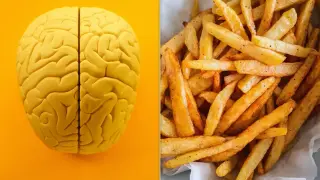
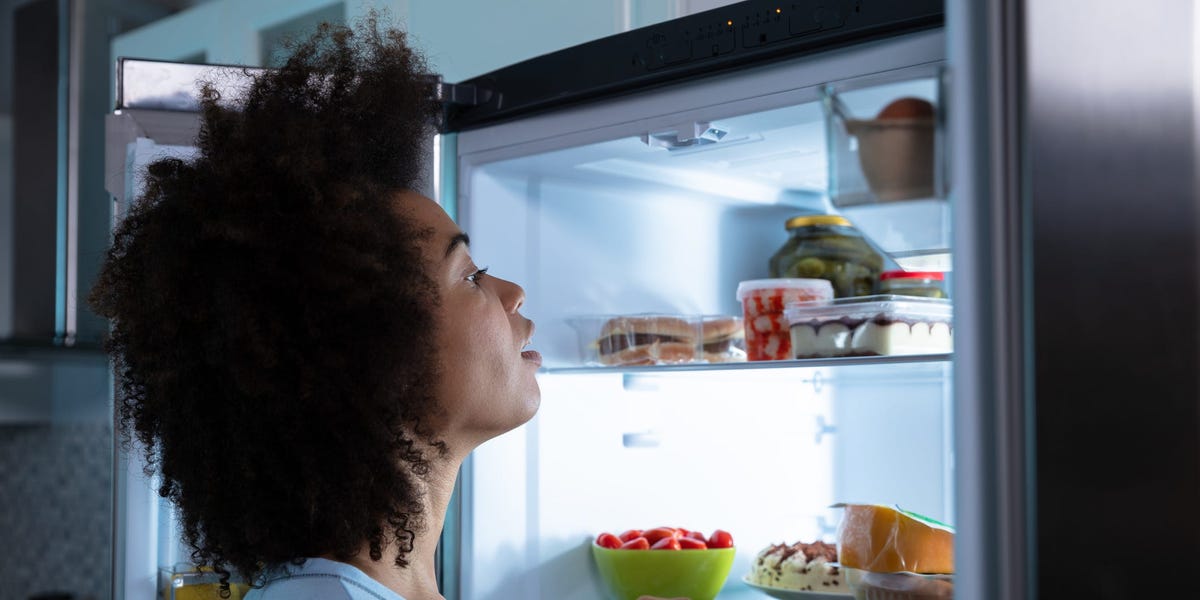
A March 2026 Appetite study using EEG found that even after eating to fullness, the brain still responds to snack cues (chips, chocolate, popcorn), suggesting snacking can be automatic and not just due to hunger. Experts say environment, food advertising, and personal habits shape urges; breaking the cycle involves recognizing cues, creating friction, eating regular balanced meals, and making healthy snacks accessible. Snacking can be healthy if chosen wisely, but junk-food cues and boredom often drive overeating.
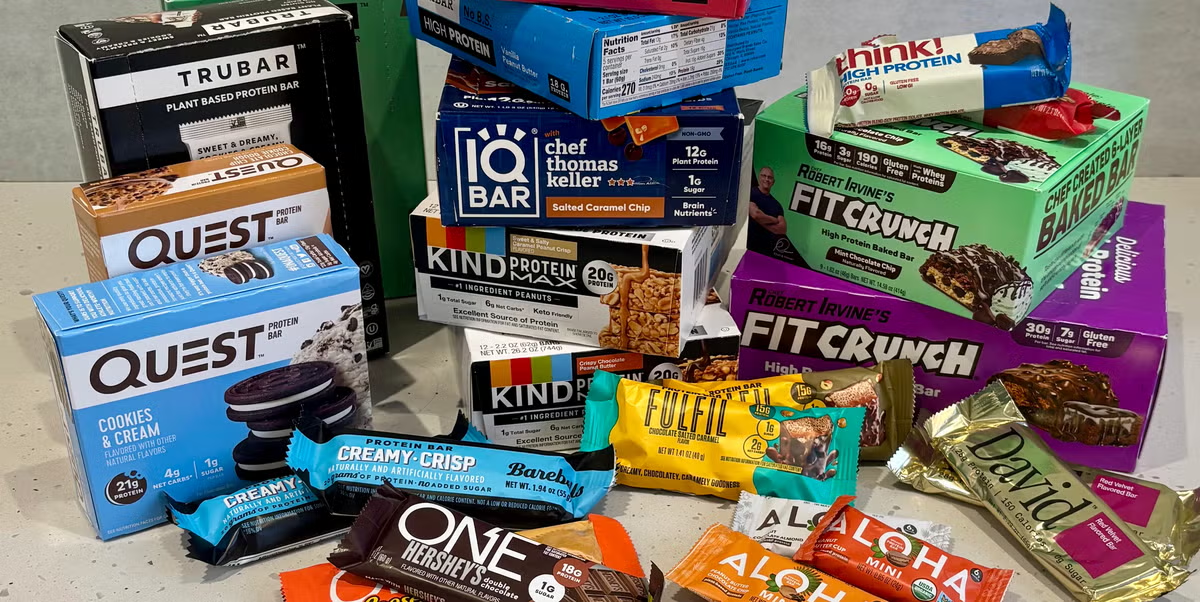
A reviewer tested 13 popular protein bars, highlighting the best options for various needs: Aloha Minis for snacking, Quest for high protein, think! for travel, RX for natural ingredients, Barebells for dessert-like treats, and FITCRUNCH for texture, emphasizing that no single bar is perfect but some excel in specific categories.
A dietitian improved her snacking habits by pairing fruit with nuts to prevent blood sugar spikes, which helped her reduce belly fat and improve overall health.
The article emphasizes that healthy eating involves a balanced intake of fruits, vegetables, whole grains, lean proteins, and healthy fats, along with mindful habits like meal planning and hydration. It warns against fad diets that promise quick results but can harm physical and mental health, and offers practical tips to avoid mindless snacking and maintain sustainable eating habits.
Despite similar or even more indulgent foods, Italians are less obese than Americans mainly due to smaller portion sizes, less snacking, and a food environment that discourages constant eating, highlighting that how and when we eat can be more influential than what we eat.
Despite the push from weight loss drugs and Robert F. Kennedy Jr.'s health agenda, J.M. Smucker, the owner of Twinkies and Uncrustables, believes that America's demand for snacks will persist. Kennedy, nominated for Health and Human Services Secretary, advocates for banning artificial additives and limiting processed foods, which could impact the food sector. However, Smucker and other food companies are not overly concerned, as they anticipate continued consumer snacking habits. They are also considering product adjustments in response to the rise of GLP-1 weight loss medications.
Nutrition experts recommend different types of nuts and seeds for various health goals. Pumpkin seeds and Brazil nuts are good for women's health, while sunflower seeds and hemp seeds are recommended for weight loss. Pistachios and hazelnuts are suggested for blood sugar management, while walnuts and mixed nuts are beneficial for brain health. It's important to consume nuts in moderation and be mindful of portion sizes.
Nutrition experts recommend different nuts and seeds for various health goals, such as pumpkin seeds for women's health, sunflower seeds and hemp seeds for weight loss, pistachios and hazelnuts for blood sugar management, walnuts for brain health, and mixed nuts for their overall nutritional benefits. Portion control is important when consuming nuts, as they are calorie-dense and can be easy to overeat.
Hormel Chili has introduced "Double Dippable Chips," breakable tortilla chips with a perforation down the center, allowing for double-dipping without the social stigma. The company acknowledges the polarizing nature of double-dipping and is holding a live poll to gauge public opinion. They will offer limited quantities of "Double Dip" kits, including the chips, chili, and a recipe for a 7-Layer Chili Cheese Dip, just in time for the NCAA March Madness Tournament.
Megan, 34, seeks to build muscle and lose fat with minimal exercise and a routine of walking. Dietitian Alix Turoff advises incorporating strength training and adding more fruits and vegetables to meals. Turoff recommends regular meals, snacks every three to four hours, and tracking food intake to understand calorie consumption and adjust portions for body and goals. While challenging, it's possible to lose fat and build muscle simultaneously with a high-protein diet and strength training.
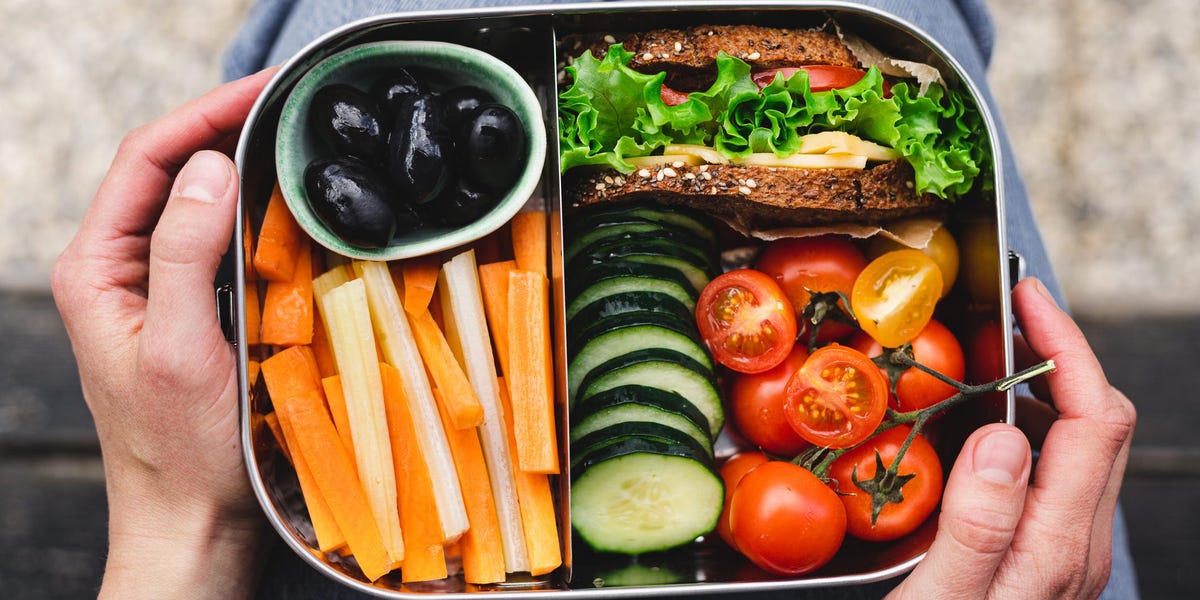
Dietitians suggest that incorporating nutritious snacks into your daily routine can aid in weight loss by preventing extreme hunger and promoting satiety, ultimately reducing the risk of overeating at subsequent meals. Opt for snacks rich in protein, healthy fats, and fiber, such as yogurt parfaits, hummus with vegetables, hard-boiled eggs with almonds, edamame, lime and parmesan popcorn, and berry-kefir smoothies. Portion control and mindful eating are also recommended to support weight management goals, and seeking guidance from a registered dietitian can help tailor snack choices to individual needs.
A recent study found that American adults consume up to a meal's worth of calories per day in snacks alone, which lack nutritional value. To prevent overindulging in extra calories, experts recommend adopting healthier snacking patterns and incorporating high-fiber alternatives such as artichokes, chia seeds, blueberries, mixed nuts, whole wheat crackers, chickpeas, popcorn, and avocado-based snacks. The study also revealed that Americans tend to snack on foods high in sugars, fats, or carbohydrates, while fruits and vegetables make up only 5% of snack calories consumed. Planning ahead and being mindful of snack choices can help fulfill nutritional needs and prevent chronic diseases.
A recent study led by scientists from The Ohio State University found that snacking contributes to around 20% of an average American's daily caloric intake, with little nutritional value. People with type 2 diabetes consumed slightly fewer snack-related calories, indicating a conscious effort to cut down on snacking. The study suggests that diabetes education is effective in influencing dietary behaviors, but there is a need to extend this education to individuals at risk for diabetes and those with normal blood glucose levels to improve overall dietary patterns.
A new study suggests that American adults consume up to 500 calories per day in snacks, mostly consisting of processed foods and added sugars. While snacking itself isn't necessarily bad, it can disrupt healthy eating habits and contribute to health concerns. To make snacking healthier, experts recommend including protein and fiber in snacks to boost energy and promote fullness. Examples of high-protein, high-fiber snacks include Greek yogurt with berries, hummus with chopped veggies, smoothies with fruit and greens, crunchy chickpeas, and string cheese with whole-grain crackers. Additionally, shopping for healthy snacks and filling up on nutrient-dense options before indulging in treat-laden situations can help maintain a balanced diet.