A viral video shows Health and Human Services Secretary Robert F. Kennedy Jr. handling snakes during a May 21, 2026 press conference in Minneapolis, with U.S. Attorney Daniel Rosen nearby, drawing online attention.
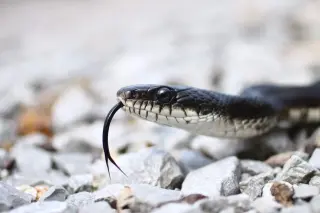
Robert F. Kennedy Jr. posted a 49-second Florida video showing him handling two non-venomous black racer snakes, one biting his hand, on a patio the clip claims is Mehmet Oz’s Palm Beach residence, with his wife Cheryl Hines encouraging him; the article also revisits past sensational animal anecdotes from a new biography, noting no comment from HHS.
Sam Levinson explains that Nate Jacobs’ gruesome, snake-filled death in Euphoria Season 3 Episode 7 was engineered to maximize horror and moral ambiguity, blending Western frontier vibes with real rattlesnakes and meticulous sound/editing work by his team.
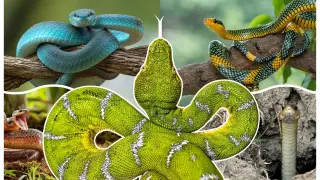
New fossil finds and genomic studies illuminate how snakes rose to dominance over 100 million years: likely starting on land, they gradually shed their legs (roughly 150–125 million years ago) and evolved a highly flexible skull and jaws, enabling diverse diets and habitats from burrowing to aquatic life; fossils like Najash and Dinilysia hint at mixed terrestrial underground origins, while ongoing genome work aims to clarify their closest relatives and the genes behind limb loss.
Black rat snakes can reach up to nine feet, are non-venomous constrictors, and are beneficial garden predators that help control rodent populations. They may hiss or coil to mimic rattlesnakes when threatened, but pose little risk to people or pets; bites are rare and typically minor if they occur. Size and growth vary with food availability and climate, making a healthy yard a good habitat for these snakes, which can reduce pest problems without human intervention.
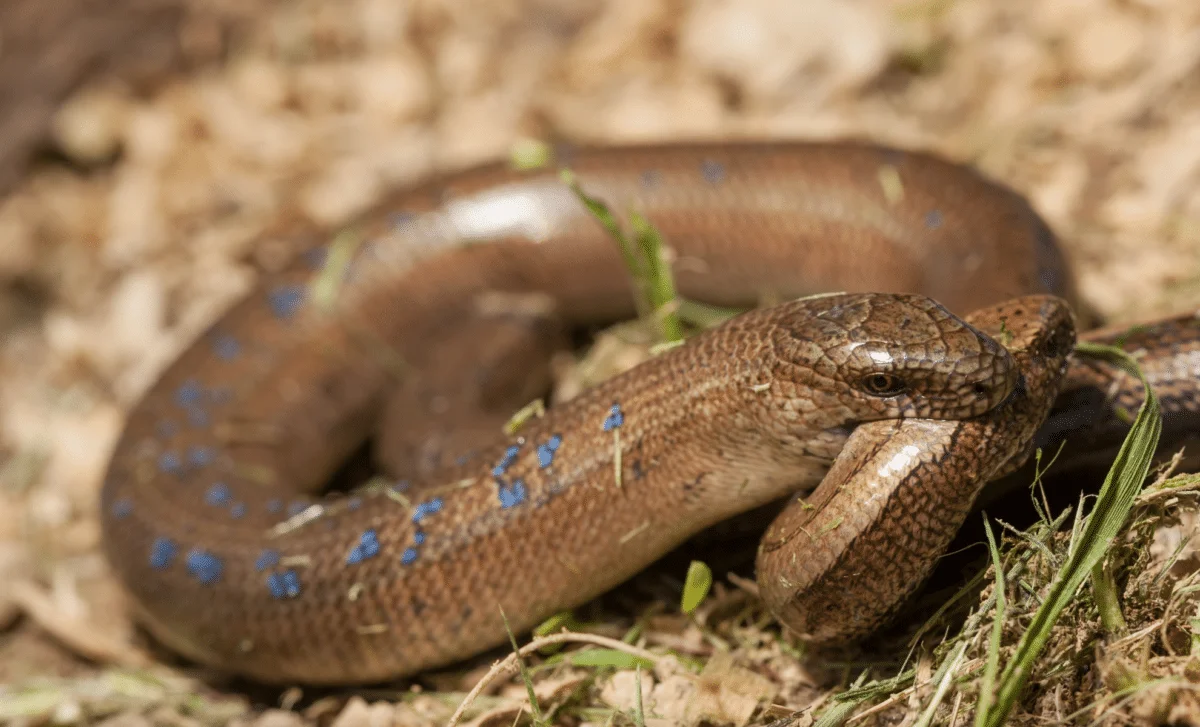
A Biological Reviews study analyzing hundreds of reports across 207 snake species finds that cannibalism is widespread and has evolved at least 11 times, indicating it’s an adaptive survival strategy in response to ecological stress and food scarcity—occurring in both the wild and captivity to regulate populations and boost ecological fitness; some experts caution against broad generalizations across all species.
A review of 503 cannibalism reports across 207 snake species finds cannibalistic behavior has evolved independently at least 11 times, in both wild and captive settings. Cannibalism occurs across diverse contexts and is often tied to environmental stress or opportunistic feeding. Jaw structure enabling swallowing other snakes, along with dietary flexibility in some species, may help explain the pattern. The study suggests cannibalism is more common in snakes than previously thought and may be an adaptive response to scarce resources.
A review of 503 cannibalism reports across 207 snake species finds that cannibalistic behavior has evolved independently at least 11 times. The behavior appears across continents and contexts, often linked to environmental stress or scarce food, with many captivity cases; jaw flexibility and dietary generalism help some snakes consume conspecifics. Researchers say cannibalism can provide ecological fitness as an opportunistic feeding strategy, though much of the data are anecdotal and more study is needed.
Scientists observed snakes dragging toxin-containing frogs across the ground before eating them, revealing how some animals have evolved mechanisms like toxin degradation or resistance to survive and even co-opt deadly chemicals, highlighting the complex chemical arms race in nature.
The article describes the presence of non-venomous fox snakes in the Upper Peninsula, highlighting a recent mating encounter observed by the author, and emphasizes the ecological benefits of snakes as natural rodent control, along with a reminder to be cautious of turtles during egg-laying season.
Scientists have found that snakes possess a unique ability to evolve at an accelerated rate compared to other reptiles, allowing them to diversify and spread across the world. A recent study revealed that snakes evolved three times faster than lizards, with their rapid evolution continuing to this day. This flexibility enables them to quickly adapt their body shape and diets, leading to their success as an evolutionary "winner." However, the reason behind snakes' fast evolutionary clock remains a mystery, leaving scientists with new questions to answer.
A rare achievement in Assassin's Creed Mirage, called Eagle's Will, which requires players to survive for ten minutes in open conflict, is actually easy to unlock by sitting on a wall near a snake for the duration. This method has been successful for many players and eliminates the need for intense combat skills.
The Golder Ranch Fire Department removed a total of 11 snakes, including 9 baby rattlesnakes, from a home in Oro Valley, Arizona. As the weather becomes slightly cooler and more humid, there is an increased likelihood of encountering snakes. If you come across a snake, it is important to stay calm, step out of striking range, and walk away without agitating the snake. If snakes are found on your property, call 911 for assistance with removal.
Guests at the Country Inn and Suites by Radisson in Germantown, Wisconsin, were shocked to find snakes in the pool, hot tub, hallway, and even a guest room. The snakes, believed to be northern water snakes, were likely from the wetlands behind the hotel. While some guests took matters into their own hands to remove the snakes, the hotel refused full refunds and blamed a guest for the incident. Choice Hotels, which owns Radisson, declined to comment. The hotel claims it has taken steps to prevent similar incidents in the future.
Unusually high temperatures in Australia have caused snake season to start early, with the Australian Reptile Park issuing an "urgent warning" for people to be on the lookout for venomous snakes. The rise in temperatures and winter rainfall has created the perfect environment for snakes to become more active. Snake catchers have reported a significant increase in callouts, a phenomenon rarely seen at this time of year. As global temperatures continue to rise, Australia's winters have been steadily warming. In the UK, rising temperatures are also affecting the snake population, with more pet snakes breaking free from their enclosures due to the warming climate.