Tag

Social Behavior

All articles tagged with #social behavior

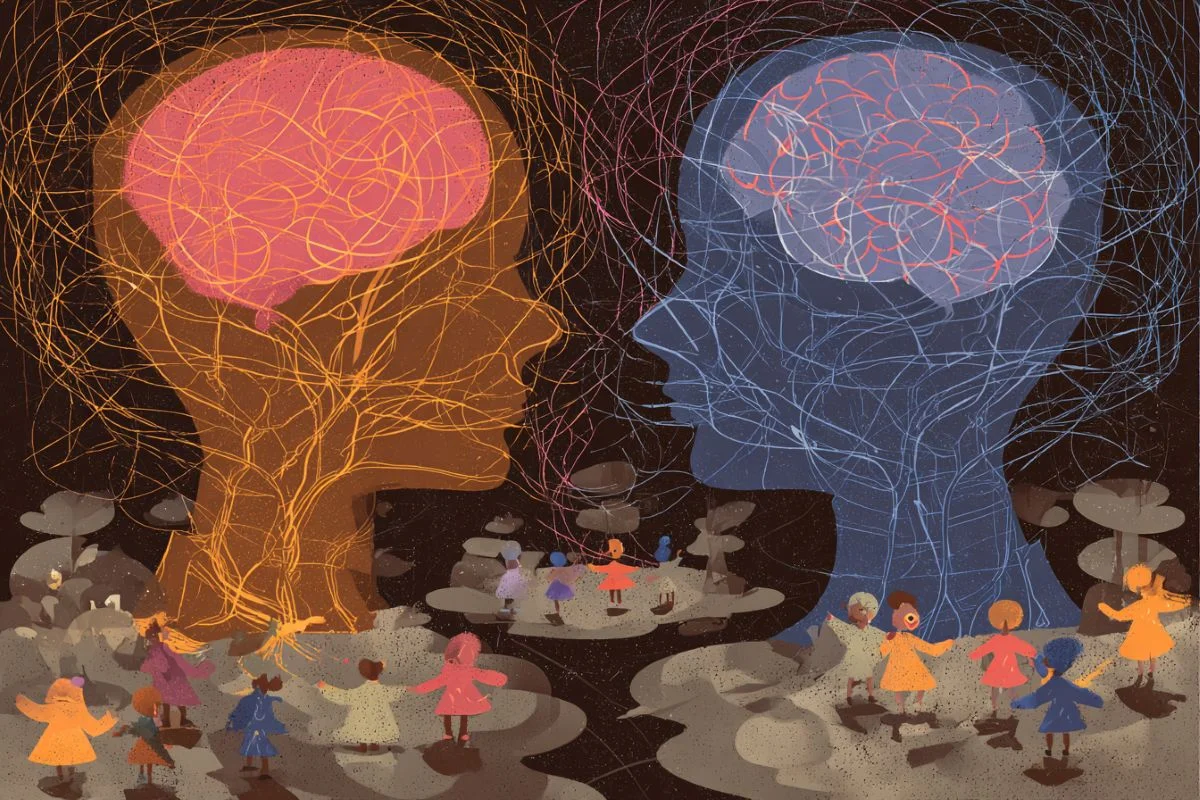
Youth trauma accelerates aging clock and shifts gaze away from eyes
science25 days ago

Youth trauma accelerates aging clock and shifts gaze away from eyes

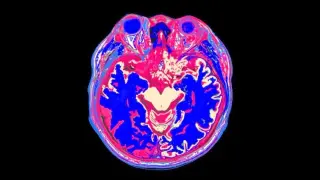
A study of 36 maltreated children and 60 controls finds that childhood abuse is associated with accelerated epigenetic aging and with reduced looking at eyes during social videos; the two changes occur in parallel and both relate to higher behavioral difficulties, but the cross‑sectional design cannot establish causality and there are sample limitations.

Historic Sperm Whale Birth Reveals Cooperative Pod Care
science1 month ago

Historic Sperm Whale Birth Reveals Cooperative Pod Care

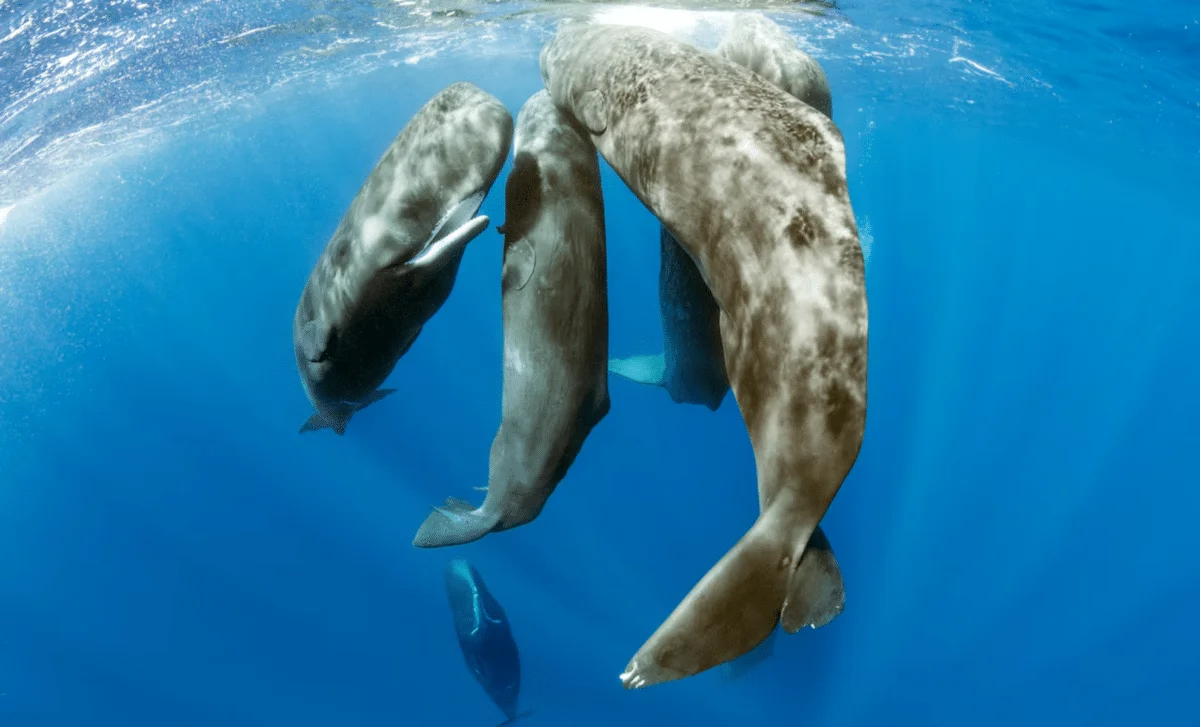
Researchers captured the first recorded birth of a sperm whale, showing a coordinated group response as multiple females surround and assist the mother and newborn, suggesting a shared social role within the pod and challenging previous notions of whale individuality; the findings, published in Science based on long-term CETI observations, imply complex intelligence and cultural transmission in whale societies.

Bull Sharks Form Friendships, Revealing Hidden Social Lives
science2 months ago

Bull Sharks Form Friendships, Revealing Hidden Social Lives

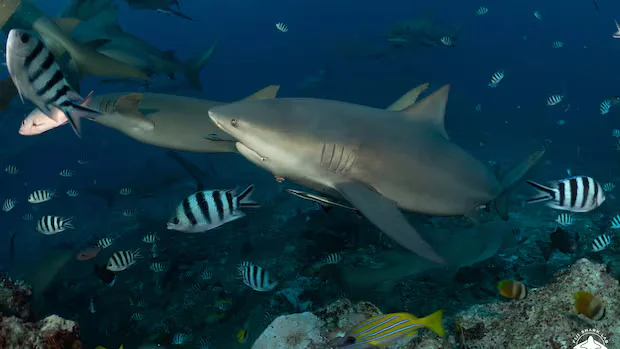
Over six years at Fiji's Shark Marine Reserve, researchers observed 184 bull sharks across 473 dives and 8,192 minutes of underwater observation, finding they form social bonds, synchronize movements (parallel swims), and engage in lead-follow behaviors, with females dominating associations, younger sharks being more social, and older sharks less so—implying bull sharks have complex social lives beyond the predator stereotype.

Drone Footage Reveals Sub-Adult Sperm Whales Engaging in Headbutting
science2 months ago

Drone Footage Reveals Sub-Adult Sperm Whales Engaging in Headbutting

University of St Andrews researchers used drones to document headbutting among sub-adult sperm whales in the Azores and Balearic Islands, overturning the idea that this behavior is limited to large adult males. The study, published in Marine Mammal Science, notes questions about why the behavior occurs and how it affects group dynamics, and highlights drones as a powerful tool for observing near-surface whale actions, echoing historic anecdotes of whales ramming ships.

Brains as a Team: Mice Show Collective Survival Through Huddling
science2 months ago

Brains as a Team: Mice Show Collective Survival Through Huddling

A UCLA study finds mice facing cold organize into adaptive huddles that stabilize core temperature. The dorsomedial prefrontal cortex tracks others’ choices as if simulating the group; silencing it makes some mice passive while others compensate, keeping overall huddle time and body temperature unchanged. Larger groups exhibit stronger collective behavior, highlighting neural circuits for social resilience with potential implications for conditions like depression and schizophrenia.

Fiji bull sharks form surprising social networks
science2 months ago

Fiji bull sharks form surprising social networks

A six-year study of 184 bull sharks at Fiji’s Shark Reef Marine Reserve shows they have active, complex social lives. Researchers documented stable associations, lead-follow interactions, and parallel swimming, with adults forming the core of the network. Males tended to have more social connections than females, and social ties were strongest among similarly sized individuals. While socializing is common among adults, younger sharks are more represented in social activity likely to avoid predation, and older sharks appear less social overall. The researchers emphasize many questions remain about whether these sharks hunt or mate cooperatively, and more studies are needed to fully understand their social dynamics.

Mice exhibit CPR-like care for distressed cage-mates, linked to oxytocin
animals3 months ago

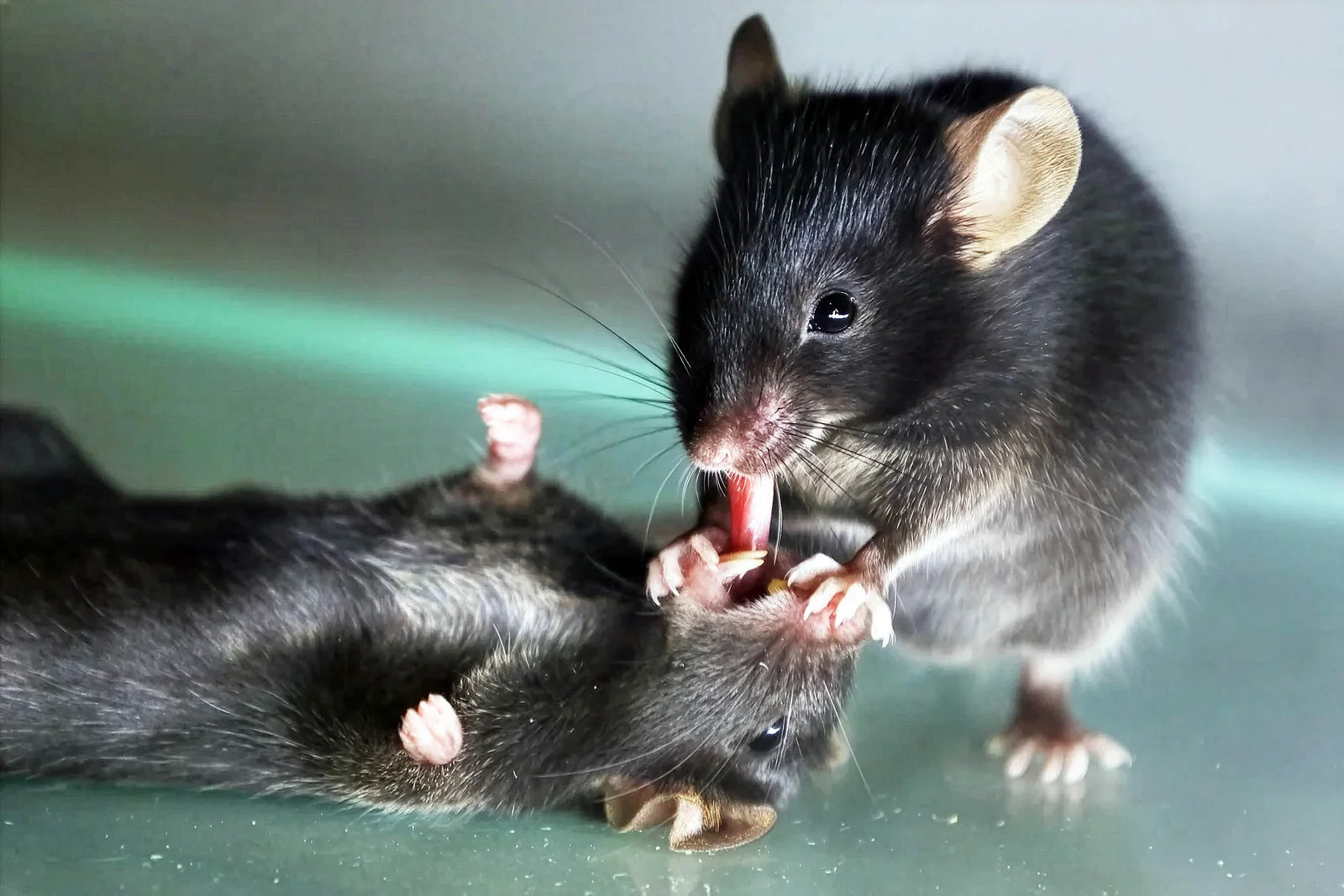
Mice exhibit CPR-like care for distressed cage-mates, linked to oxytocin

A USC-led study observed mice performing first-aid–like behaviors toward an unconscious cage-mate—sniffing, grooming, and face-directed actions—triggered by unresponsiveness and strengthened by oxytocin signaling; responses are stronger for familiar cage-mates, suggesting an innate caregiving tendency that could aid group survival, though it is not human CPR.