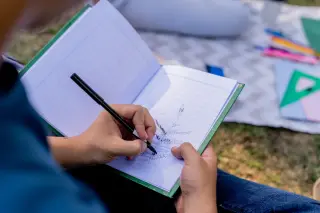
Experts say that a 10-minute drawing activates the brain’s reward system and calms the nervous system, making quick sketching a practical, accessible form of stress relief that’s trending in art therapy and on social media.
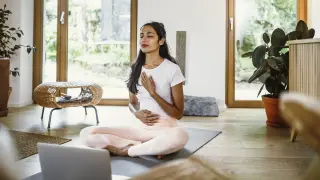
Yoga with Adriene’s 10-minute routine is presented as a nervous-system reset by targeting the autonomic nervous system—helping move the body from a stressed state to a calmer baseline through gentle movement, controlled breathing, and body awareness. The routine requires no equipment and can be done seated, lying down, or from a chair, making it accessible; it may particularly benefit those who are chronically stressed, though it’s not a cure, just a tool to support regular stress regulation.
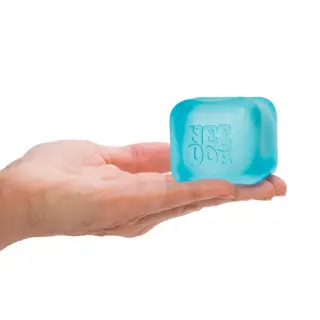
Teens are driving a viral NeeDoh craze—a cheap squishy fidget toy—driven by its tactile, soothing feedback that helps curb anxiety and restlessness; experts say the trend reflects teens’ developing brains and a need for grounding tools amid rising mental health concerns, with online hype and stock shortages fueling the craze.
Urban residents in Raleigh, North Carolina are turning to guided “forest bathing” sessions at the J.C. Raulston Arboretum to decompress from the nonstop news cycle, using nature and mindful activities to reduce stress.
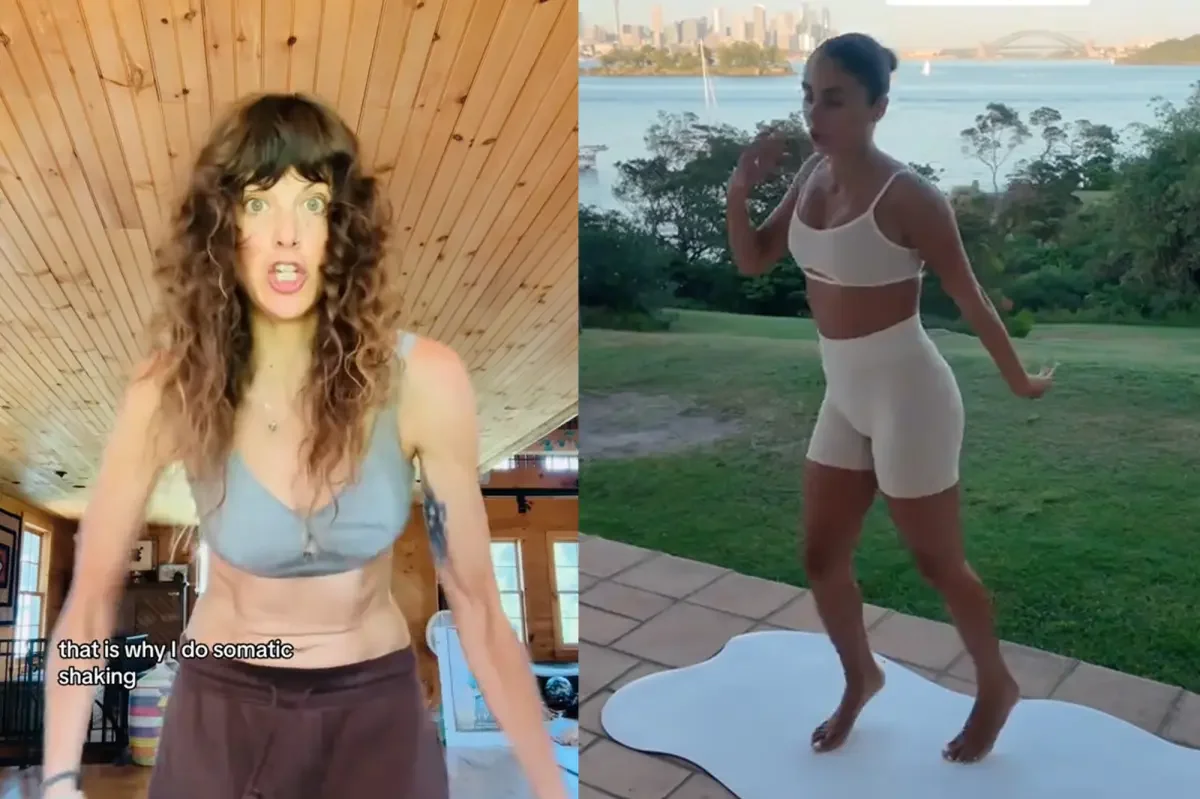
Somatic Shaking, a quick, dance-like body-based therapy popular on TikTok, claims to release stored nervous-system energy from trauma in minutes a day. Proponents say the chaotic movements help with PTSD, anxiety, depression, grief and low self-esteem by mirroring animals’ instinctive tremors after threat, a concept popularized by Dr. Peter Levine. The piece notes potential health benefits for stress-related issues such as headaches, sleep problems and cardiovascular risk, while presenting Somatic Shaking as a promising self-help approach rather than a proven medical treatment.
Crying helps process strong emotions, acts as a ‘pressure relief valve’ for the nervous system, and releases endorphins and oxytocin that can improve mood and bonding. Variation in how often people cry is normal, influenced by biology and culture; crying more often isn’t inherently problematic unless it disrupts daily life, in which case a mental health professional can help.
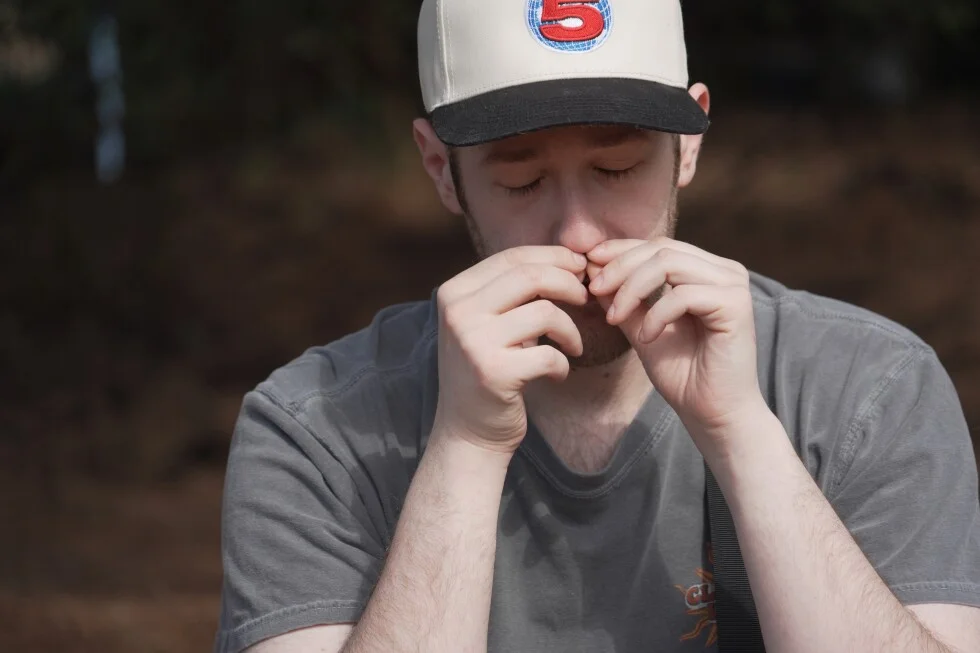
A viral TikTok method called the ‘horse breath’ uses a slow, lip-vibrating exhale to stimulate the vagus nerve, relax the jaw, and shift the body from fight-or-flight to a calmer state. Therapists say it’s a quick, playful reset that can interrupt anxious thoughts; to do it, inhale 3–4 seconds through the nose, exhale with relaxed lips and jaw while the lips vibrate for 5–8 seconds, keep shoulders and face loose, and repeat 3–6 times as needed (use after a long day or before a meeting).
Eating specific foods like leafy greens, blueberries, avocados, fermented foods, and walnuts can help naturally reduce anxiety by supporting brain chemistry and reducing inflammation, offering a complementary approach to managing anxiety symptoms.
Taking a gentle walk after Christmas dinner, dubbed 'fart walking,' can improve sleep by aiding digestion, reducing stress, managing blood sugar levels, and regulating body temperature, making it a beneficial post-meal activity especially during the holiday season.
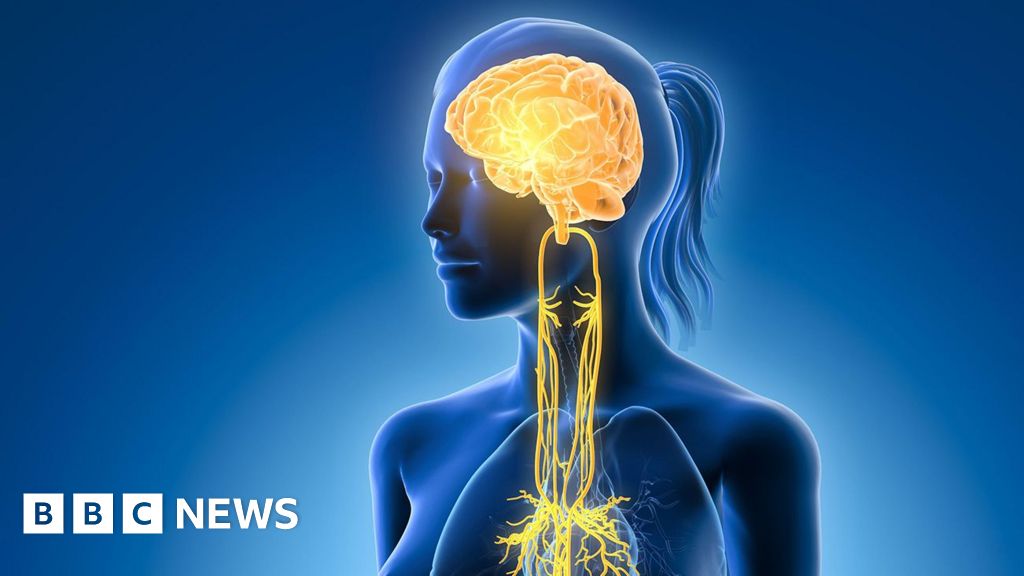
The article explores the role of the vagus nerve in stress and mental health, discussing various techniques and devices aimed at stimulating it to promote relaxation and emotional resilience, while highlighting the current scientific debate and personal success stories.
Recent research uncovers a neural pathway involving oxytocin that enhances synchronization between heartbeat and breathing in mice, which could lead to new therapies for stress and anxiety. The pathway links the hypothalamus, brainstem, and heart, and oxytocin plays a key role in regulating RespHRV, especially during calming states.
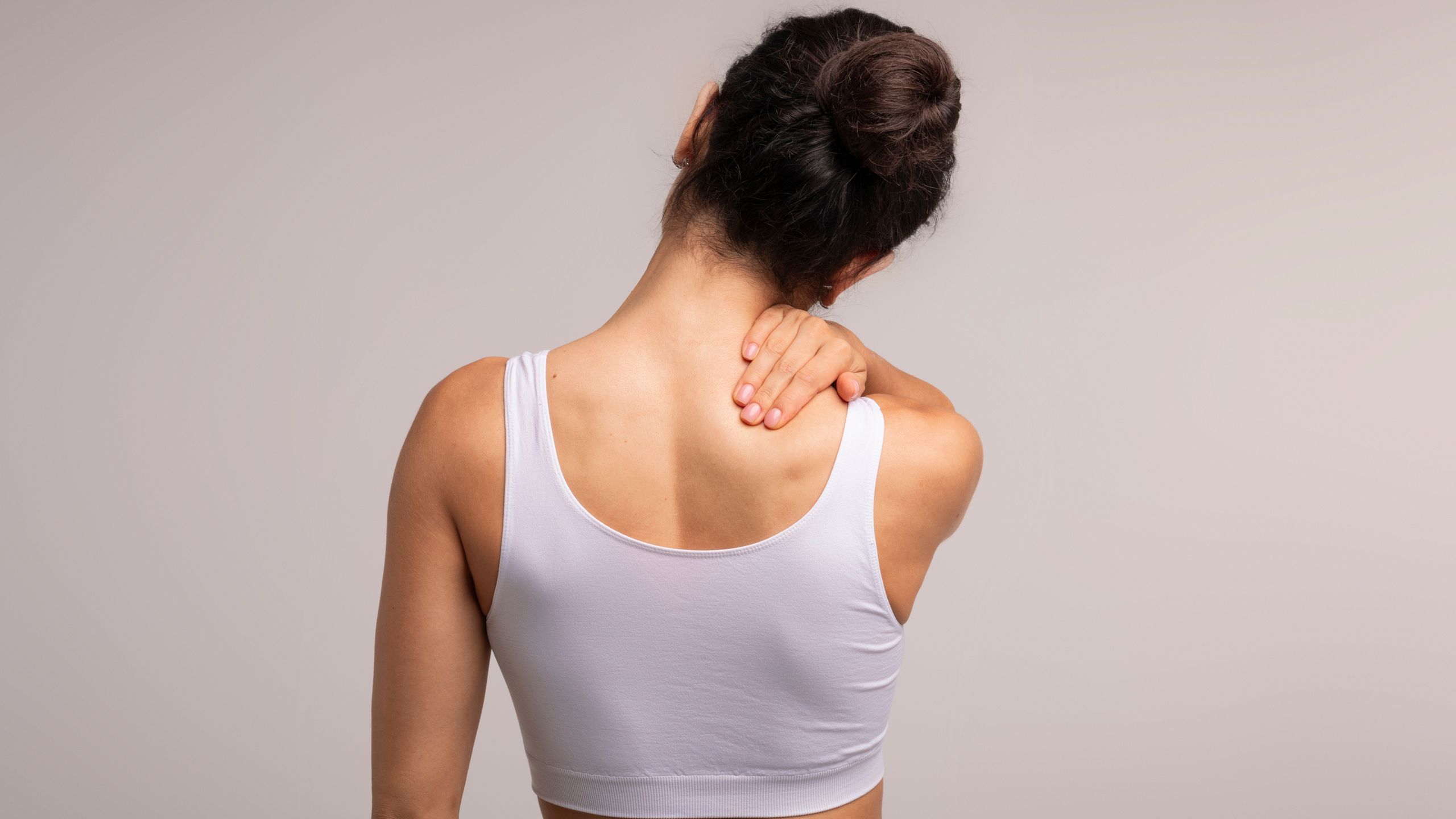
A simple 10-second stretch of the shoulders and neck can trigger the parasympathetic nervous system, leading to an immediate drop in blood pressure and a feeling of calm, making it a quick tool for stress relief, though it should not replace medical treatment for hypertension.
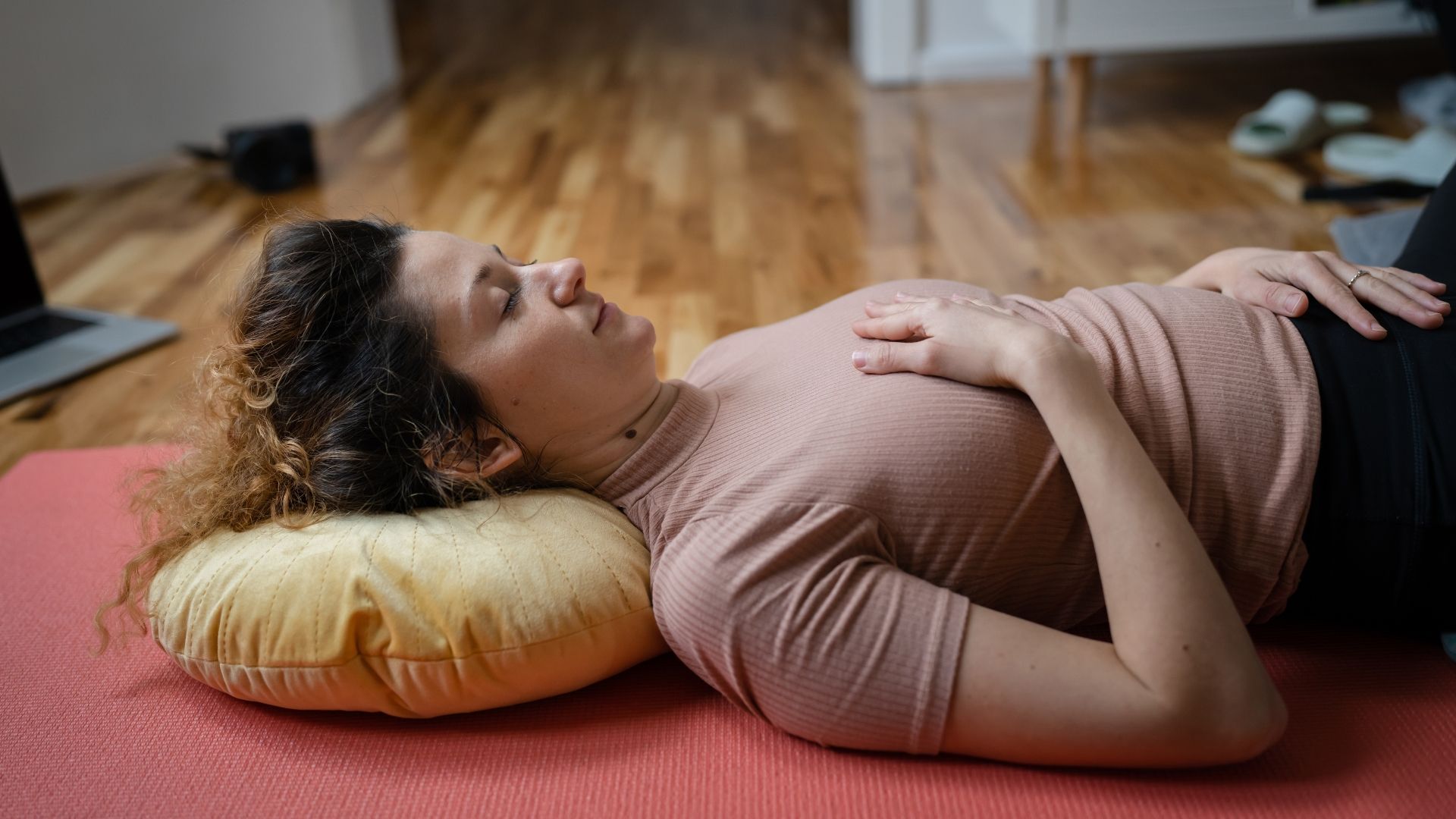
A yoga instructor shares three gentle yoga poses—supported savasana, sphinx with forehead support, and seated neck release—that can help alleviate neck discomfort caused by poor posture, stress, and modern habits like prolonged computer use, by promoting relaxation, alignment, and mobility.
A simple 10-second shoulder roll can lower blood pressure and activate the body's relaxation response, providing a quick and effective way to reduce stress and support heart health, according to research from the University of Minnesota.
The article reviews the top eight ashwagandha supplements recommended by experts for stress management, sleep, and overall well-being, emphasizing the importance of standardized extracts, consistency in use, and consulting healthcare providers before starting any new supplement.