Tag

Stromatolites

All articles tagged with #stromatolites

Shark Bay Microbes Illuminate the Birth of Complex Life
science1 day ago

Shark Bay Microbes Illuminate the Birth of Complex Life

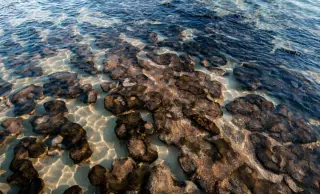
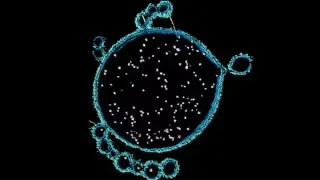
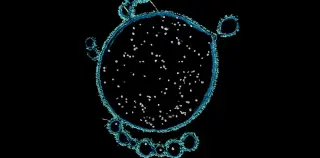
Scientists studying Shark Bay’s stromatolites report that an Asgard archaeon named Nerearchaeum marumarumayae and a sulfate-reducing bacterium may have cooperated early in life’s history. DNA sequencing, AI protein modeling, and high-resolution electron cryotomography showing nanotube connections suggest a possible precursor to the first eukaryotic cells, offering a living glimpse into how complex life may have originated. The work also honors Indigenous Malgana language in naming the microbe and highlights the cultural and environmental significance of Gathaagudu (Shark Bay).

Ancient microbes reveal how complex life may have formed on Earth
science-tech1 day ago

Ancient microbes reveal how complex life may have formed on Earth

Researchers studying Shark Bay stromatolites show that Asgard archaea and a sulfate‑reducing bacterium directly interact, observed with DNA sequencing, AI protein modeling, and high-resolution imaging, offering a plausible model for the origin of eukaryotes and complex life; the new archaeon was named Nerearchaeum marumarumayae in collaboration with the Malgana people, highlighting a blend of modern science and Indigenous knowledge.

Antarctica's Icebound Lake Unter-See Nurtures Ancient-Style Stromatolites
earth-science1 month ago

Antarctica's Icebound Lake Unter-See Nurtures Ancient-Style Stromatolites

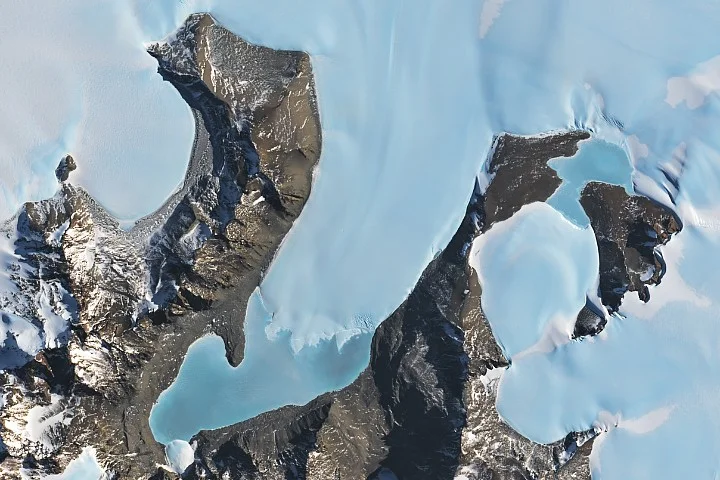
NASA's Earth Observatory highlights Lake Unter-See in Antarctica, a deep, permanently ice-covered lake with unusually high dissolved oxygen, low CO2, and alkaline water that hosts tall conical stromatolites formed by cyanobacteria. These modern microbial reefs resemble Earth's earliest fossils and offer clues about life on icy worlds; a 2019 glacial flood increased water levels by about 2 meters, releasing 17.5 million cubic meters of meltwater and altering the lake's chemistry.

Ancient Salt Mountains in Australia Served as Early Life Refuges
science5 months ago

Ancient Salt Mountains in Australia Served as Early Life Refuges

Ancient salt mountains, or salt diapirs, in southern Australia played a crucial role in creating refuges for early life during the Precambrian era, shaping ecosystems like stromatolite reefs and potentially aiding life's persistence through Earth's harsh periods. These geological structures, formed from evaporated seas over millions of years, influenced the development of early microbial communities and continue to impact modern resource exploration and environmental strategies.

"Life on Earth May Have Begun in Saudi Arabia 3.48 Billion Years Ago, Study Finds"
science1 year ago

"Life on Earth May Have Begun in Saudi Arabia 3.48 Billion Years Ago, Study Finds"

Scientists have discovered living stromatolites on Sheybarah Island in Saudi Arabia's Red Sea, marking the first such find in the Middle East. These ancient microbial structures, formed by cyanobacteria, offer insights into Earth's early life and environmental conditions 3.48 billion years ago. The study, published in Geology, highlights the significance of stromatolites in the Great Oxygenation Event and their potential as biosignatures for extraterrestrial life.

"Ancient Life Traces Unearthed in Saudi Arabia"
science1 year ago

"Ancient Life Traces Unearthed in Saudi Arabia"

Researchers have discovered living stromatolites on Sheybarah Island in the Red Sea, Saudi Arabia. These ancient biotic structures, which played a crucial role in Earth's early oxygenation, are now found in niche extreme environments. The discovery offers a unique opportunity to study early life and ocean evolution, potentially aiding in the search for life on other planets.

"Scientists Discover Hidden Lagoons and Ancient Life Forms in Argentina's 'Forgotten' Land"
science-and-environment2 years ago

"Scientists Discover Hidden Lagoons and Ancient Life Forms in Argentina's 'Forgotten' Land"

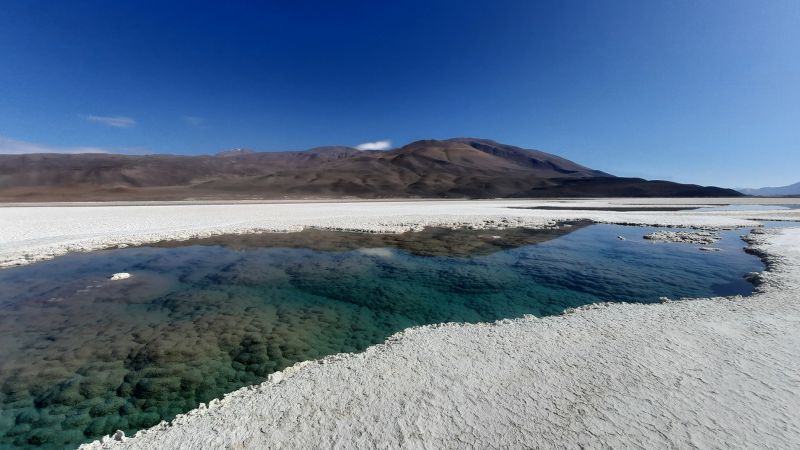
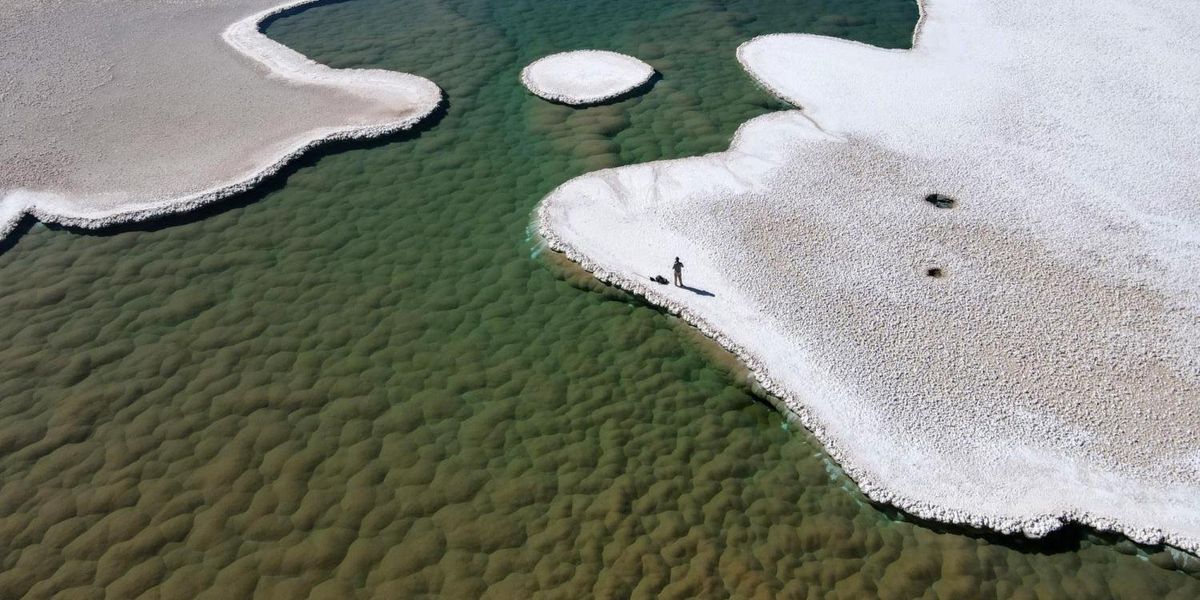
Scientists investigating satellite images of Argentina's Puna de Atacama desert discovered unusual green and blue spots, leading to the discovery of lagoons with stromatolite communities resembling ancient life forms over 3.5 billion years old. These formations are under threat due to a mining lease in the area, prompting a race to study and potentially protect this unique ecosystem before it's disturbed.

"Lost Lagoon Unveils Ancient Living Fossils and Clues to Earth's Origins"
science2 years ago

"Lost Lagoon Unveils Ancient Living Fossils and Clues to Earth's Origins"

Scientists have discovered a hidden lagoon system in Argentina containing stromatolites, giant layered rocks formed by cyanobacteria. These stromatolites provide insight into Earth's earliest forms of life, dating back 3.5 billion years. The fossils found in the lagoons represent Earth's earliest macrofossils in a rare environment. The discovery also has implications for the possibility of life on Mars, as stromatolites could have formed through anoxygenic photosynthesis, similar to what may have occurred on the red planet. The study of these ancient stromatolites will help us understand Earth's early history and shed light on the potential for life on other worlds.

Lost Lagoon: Uncovering Earth's Prehistoric Secrets in the Atacama Desert
science2 years ago

Lost Lagoon: Uncovering Earth's Prehistoric Secrets in the Atacama Desert

A system of lagoons in Argentina has been discovered, hosting rare microbial communities that resemble the earliest fossil evidence of life on Earth 3.5 billion years ago. These communities, known as stromatolites, could provide valuable insights into the possibility of life on Mars, which was more Earth-like in its early stages. Geologists believe that understanding these modern communities on Earth could help identify similar features in Martian rocks and inform future exploration efforts.

Unveiling Ancient Microbial Ecosystems: Lost Lagoon Network Discovered in Atacama Desert
science2 years ago

Unveiling Ancient Microbial Ecosystems: Lost Lagoon Network Discovered in Atacama Desert

Scientists have discovered a hidden ecosystem with an extensive network of lagoons in Argentina's Puna de Atacama, containing giant stromatolites that could provide insights into early life on Earth and potentially on Mars. Stromatolites are layered rocks created by blue-green algae, representing some of the oldest ecosystems on Earth. The recently uncovered stromatolites in Puna de Atacama are larger than modern ones and composed of gypsum and halite. The discovery suggests an undisturbed inland ecosystem that allowed their growth. The stromatolites may have formed through anoxygenic photosynthesis, similar to ancient Earth conditions. The findings could have implications for the search for life on Mars, as Mars has ancient lakes and salt deposits with similar minerals.

Unearthed: The Hidden Prehistoric "Lost World" on Earth
science2 years ago

Unearthed: The Hidden Prehistoric "Lost World" on Earth

Scientists have discovered an "alien" ecosystem in the Atacama desert in Argentina, unlike anything seen before. The ecosystem consists of a network of crystal-clear lagoons surrounded by salt plains, and is home to stromatolites, complex microbial communities that form massive rock mounds. These stromatolites resemble those that existed during the early Archaean period, suggesting they could be one of the best modern examples of the earliest signs of life on Earth. The discovery could also provide insights into how life may have arisen on Mars. However, the ecosystem is at risk due to plans for lithium mining in the area.

Unveiling Earth's Hidden Prehistoric "Lost World"
science2 years ago

Unveiling Earth's Hidden Prehistoric "Lost World"

Previously unstudied lagoons in Patagonia have revealed the presence of microbial communities known as stromatolites, which represent some of the earliest evidence for life on Earth. These stromatolites resemble fossils in ways no other known examples do, and they provide a glimpse into what Earth may have looked like 3.5 billion years ago. The discovery in Patagonia, specifically in hypersaline lagoons in Puna de Atacama, could be one of the best modern examples of the earliest signs of life on Earth. The location is also seen as a proxy for ancient Mars, offering insights into what to look for when searching for similar features on the Red Planet. However, the site is at risk due to potential lithium mining activities in the area.

"Unveiling the Enchanting Oasis: Crystal-clear Lagoons Found in Desert's Hidden Realm"
science-and-environment2 years ago

"Unveiling the Enchanting Oasis: Crystal-clear Lagoons Found in Desert's Hidden Realm"

Scientists have discovered a unique ecosystem of crystal-clear lagoons in the Atacama desert, Argentina's Puna de Atacama. Despite being one of the driest environments on Earth, the lagoons are home to complex microbial communities called stromatolites, resembling those from Earth's early Archaean period. The discovery could provide insights into the earliest signs of life on Earth and offer clues about the potential for life on Mars. However, the area is at risk of being destroyed due to planned lithium mining, prompting scientists to urgently document and protect the ecosystem.