Hidden Antarctic Titanosaur Fossil Emerges from a Drawer
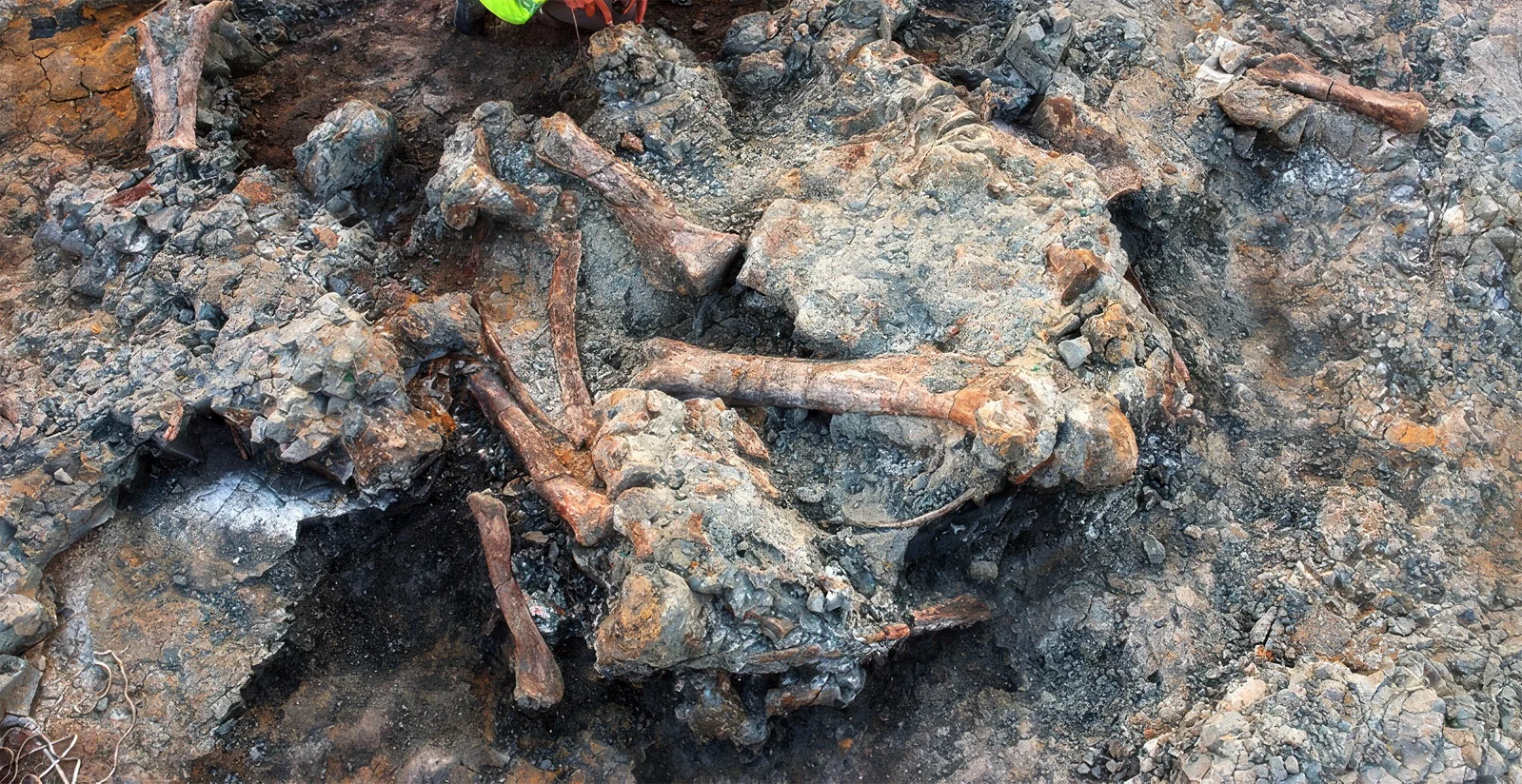
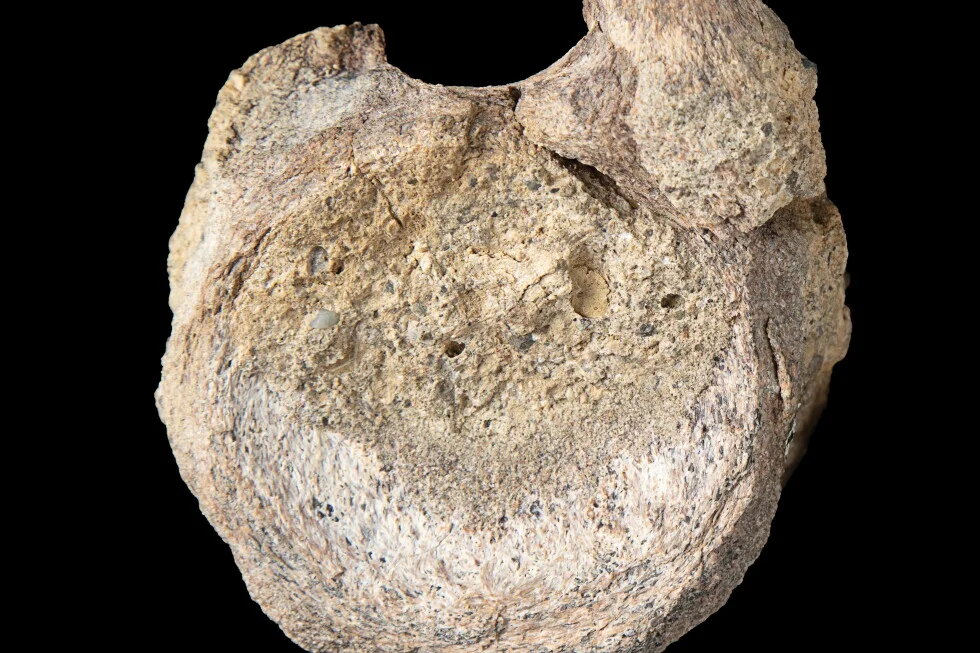
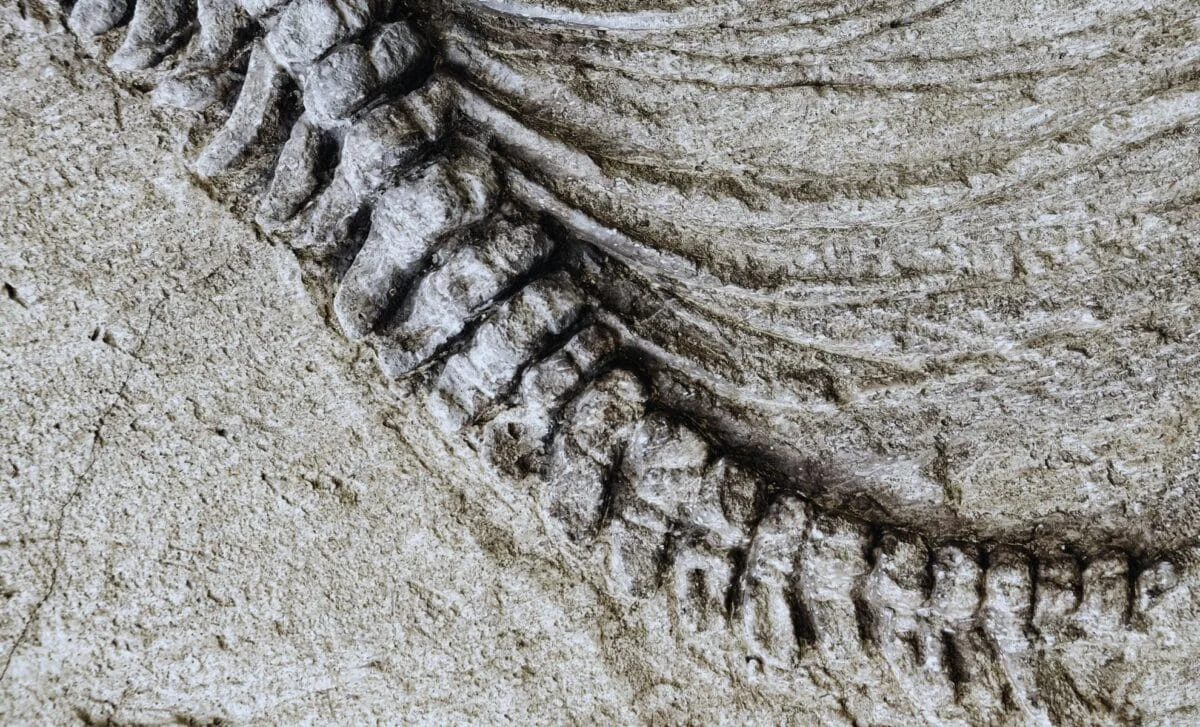
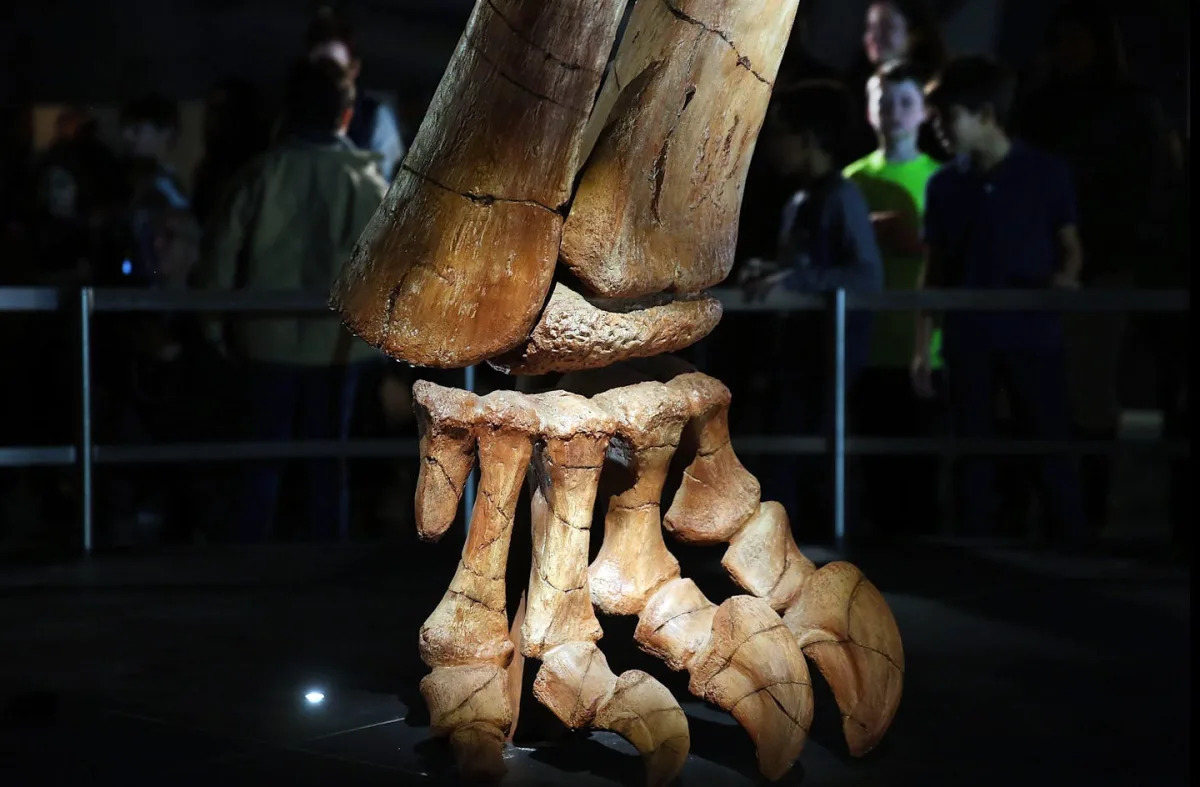
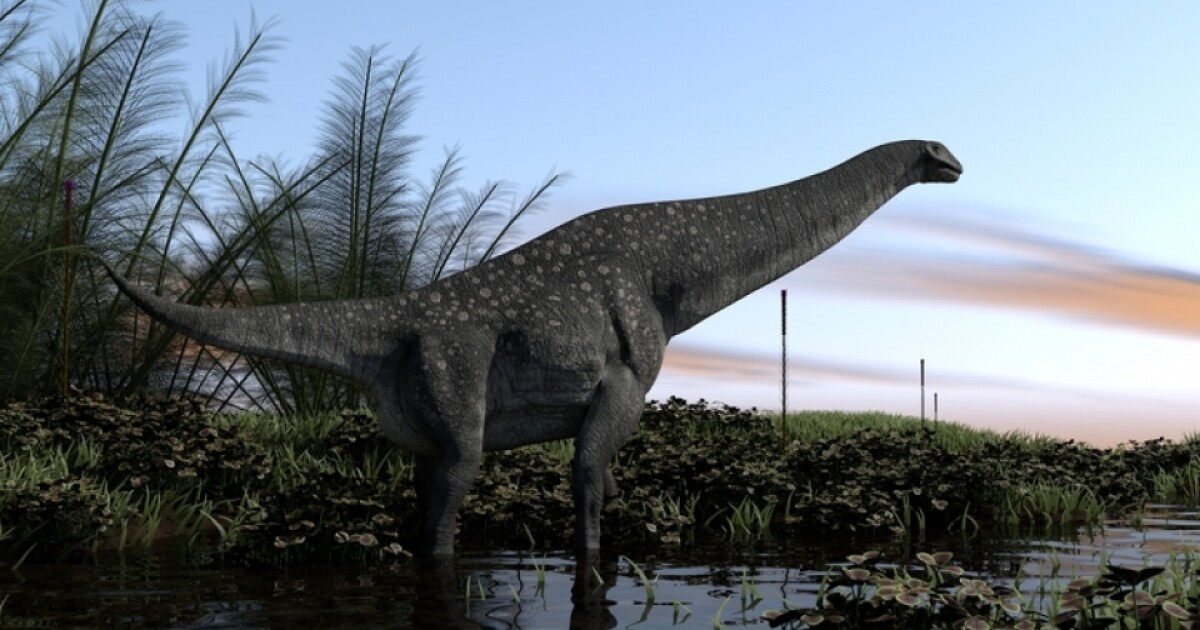
A rare Titanosaur dinosaur fossil from Antarctica was found tucked away in a drawer, a surprising discovery that sheds light on the continent’s prehistoric life.
All articles tagged with #titanosaurs

A rare Titanosaur dinosaur fossil from Antarctica was found tucked away in a drawer, a surprising discovery that sheds light on the continent’s prehistoric life.

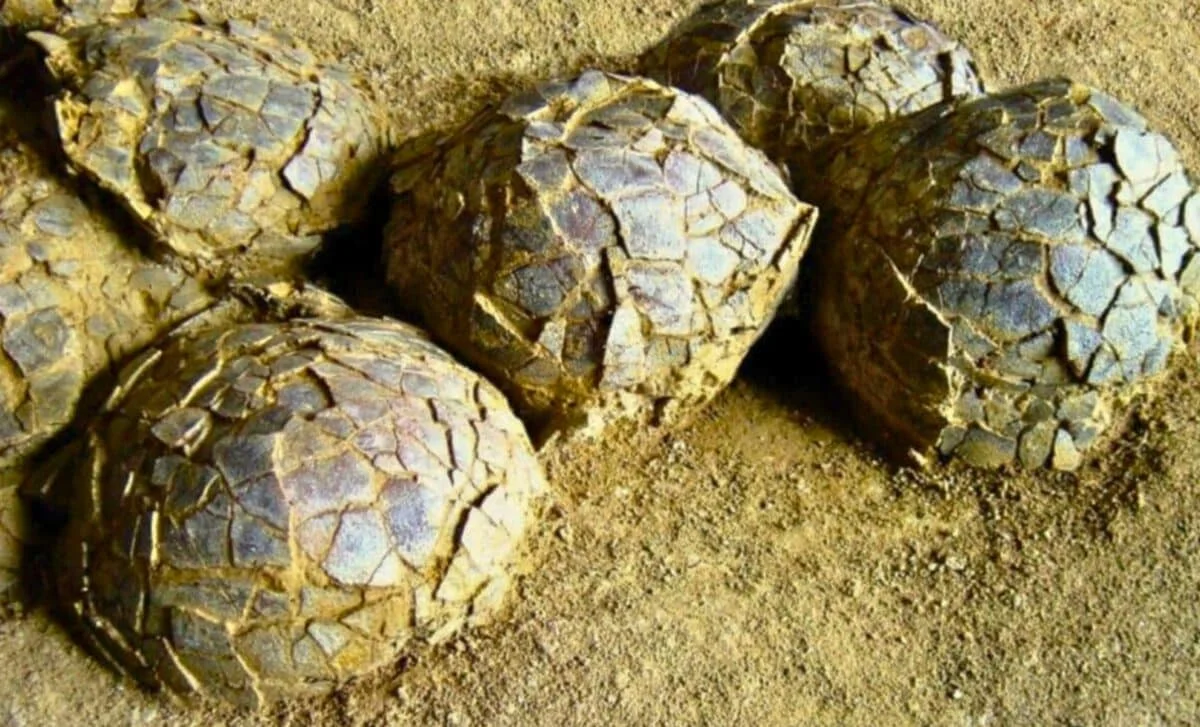
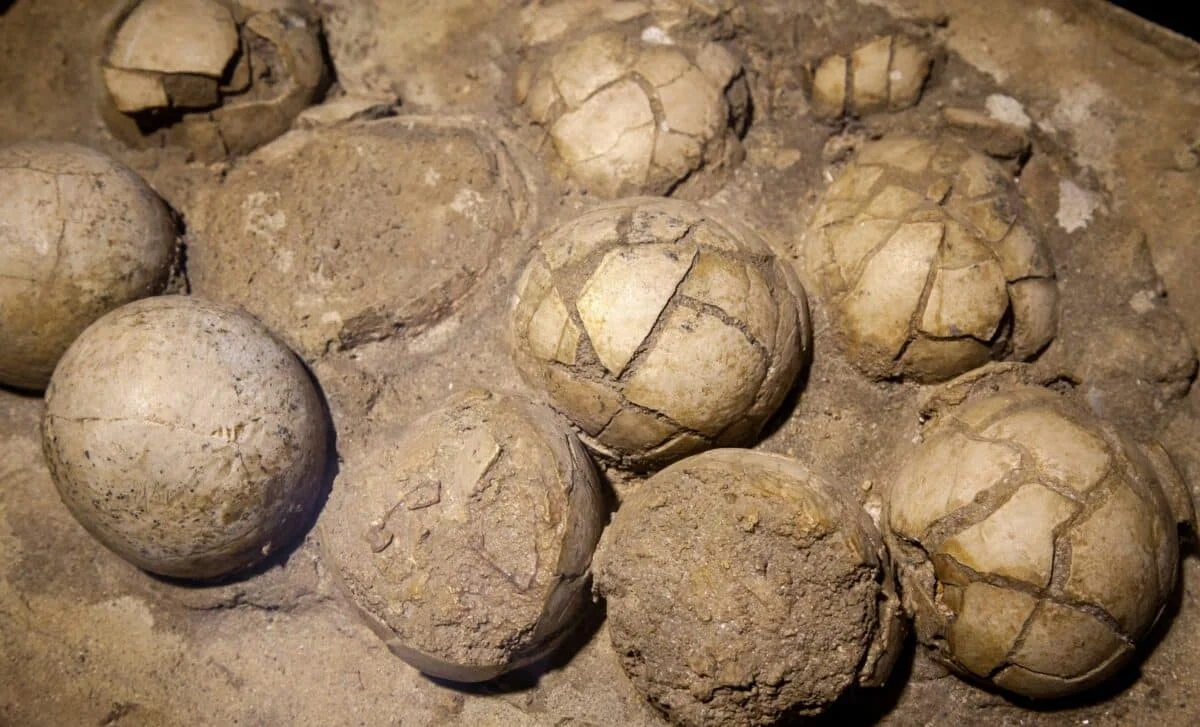
Paleontologists in Mèze, southern France, uncovered a late-Cretaceous fossil bed packed with hundreds of dinosaur eggs from multiple species—titanosaurs, Rhabdodon priscus, and Prismatoolithus caboti—indicating a communal nesting ground; rapid burial preserved many eggs, with excavations continuing to reveal more across an extended layer, potentially including embryos and insights into incubation.

A 100-foot-long titanosaurs fossil, Chucarosaurus diripienda, weighing 30–40 tons and found in Patagonia, was so heavy that during transport to a lab it cracked the road; researchers say its limb bones were unusually slender for such a large dinosaur, offering new insights though this species wasn’t the largest titanosaurs.

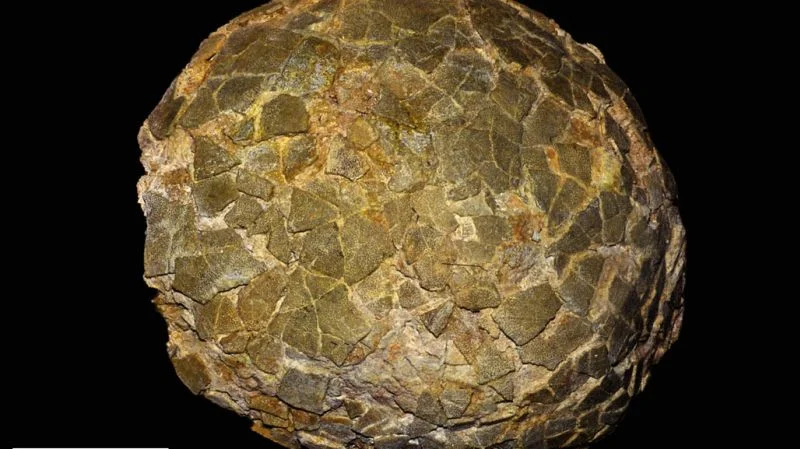
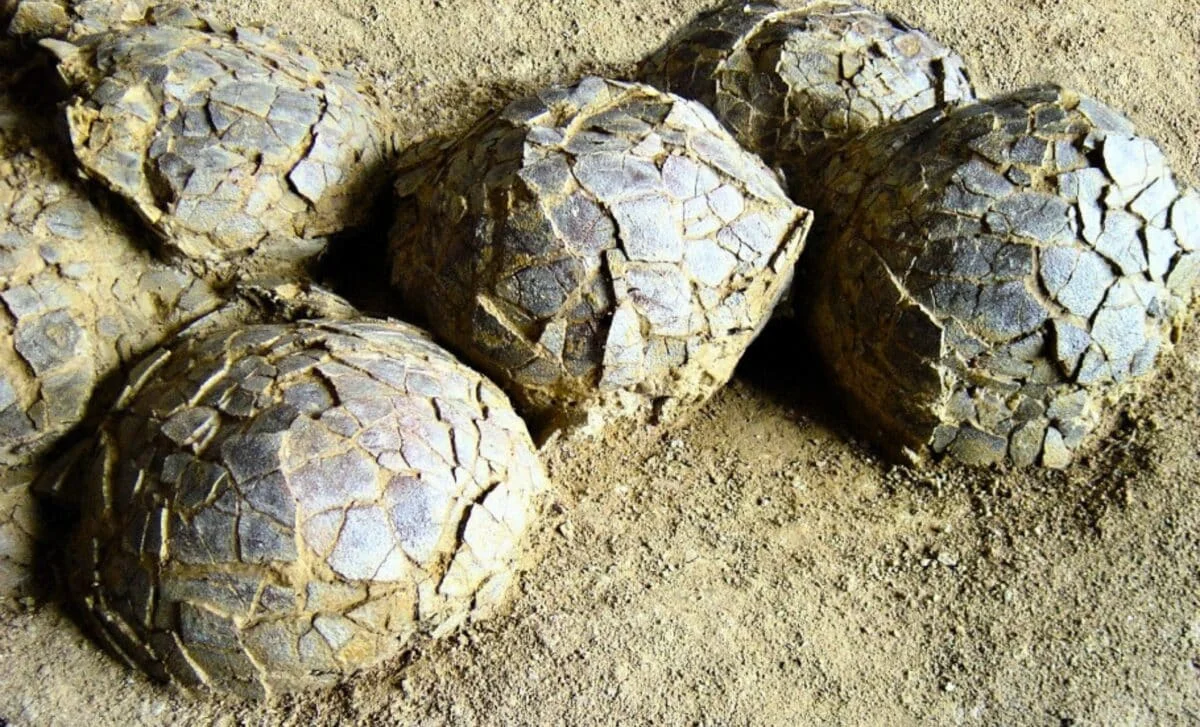
Researchers in central India uncovered a Late Cretaceous nesting site with 92 nests and 256 titanosaurs’ eggs, possibly used by multiple species; six egg types suggest diverse populations; no adult or hatchling bones found, indicating minimal parental care and incubation likely driven by sun and sediment; one ovum-in-ovo egg hints at bird-like reproductive traits.

In southern France’s Mèze area, paleontologists uncovered a fossil-rich horizon containing more than 100 dinosaur eggs dating to about 70–72 million years ago, indicating multiple species used the site for nesting, including titanosaurs and smaller dinosaurs such as ankylosaurs or theropods; exceptional preservation in clay marls and flood deposits allowed eggs to fossilize, and the museum on site now protects and showcases these discoveries.

CT scans of 11 Late Cretaceous titanosaur eggs from India’s Lameta Formation uncovered a second inner shell inside one egg — an ovum-in-ovo structure previously known only in birds. The dual shells and microstructure indicate sequential egg development within the oviduct, suggesting titanosaurs had segmented oviducts and avian-like reproductive biology, a rare insight since the other eggs showed normal, single-shell architecture.

Paleontologists in Argentina have named a near-complete new titanosaur, Yeneen houssayi, from the Neuquén Basin; a roughly 10–12 m long, 8–10 t animal with a relatively small head, dating to about 83 million years ago, shedding light on two coexisting titanosaurs lineages (Collossosauria and Saltasauroidea) and highlighting Cerro Overo-La Invernada as a key fossil hotspot for Santonian life in Gondwana.

Titanosaurs, a diverse and successful group of sauropod dinosaurs, thrived for millions of years by merging reptile and mammal traits, growing rapidly, and feeding on abundant plants, until their extinction caused by an asteroid impact 66 million years ago.

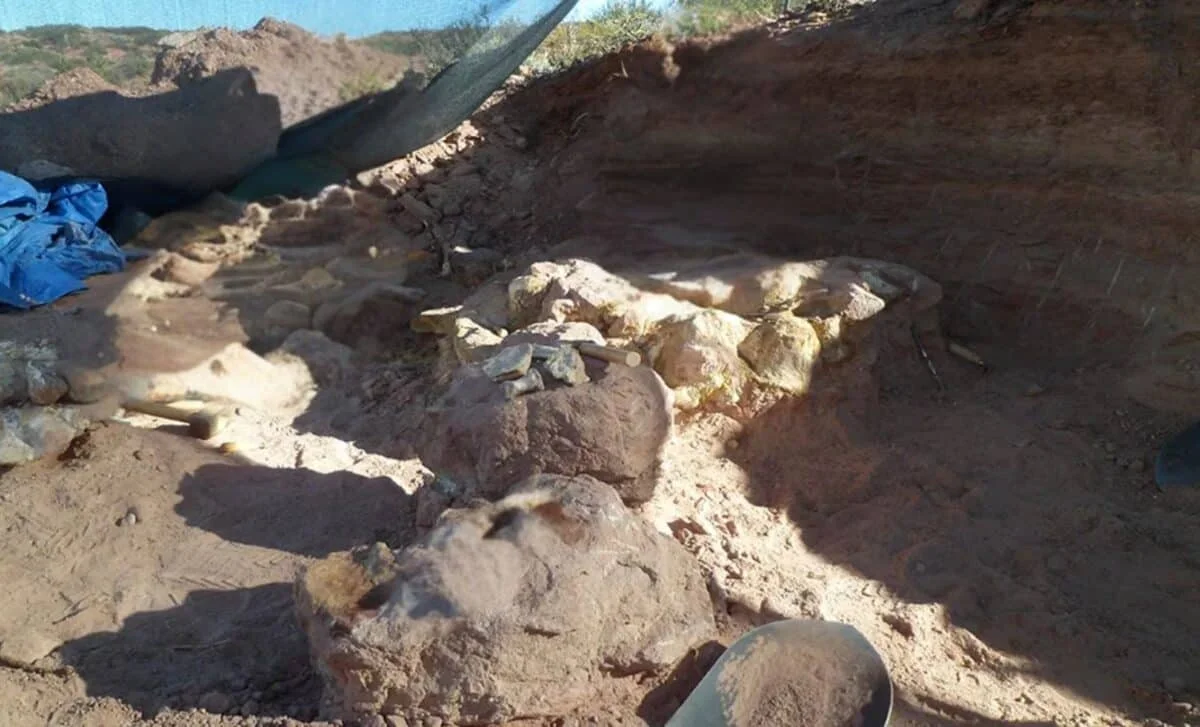
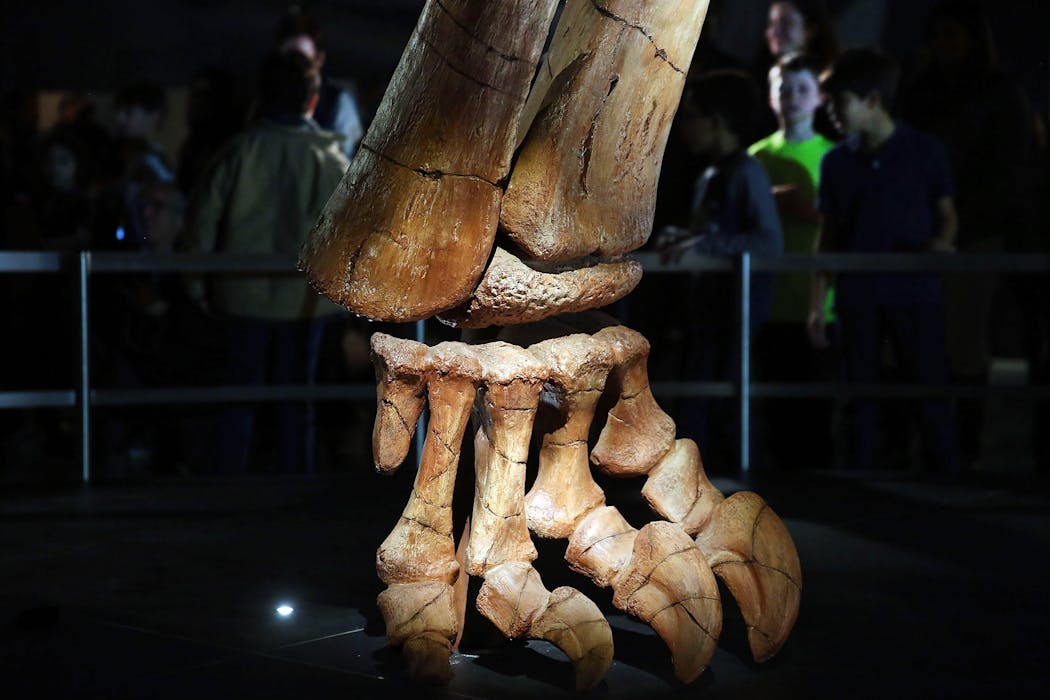
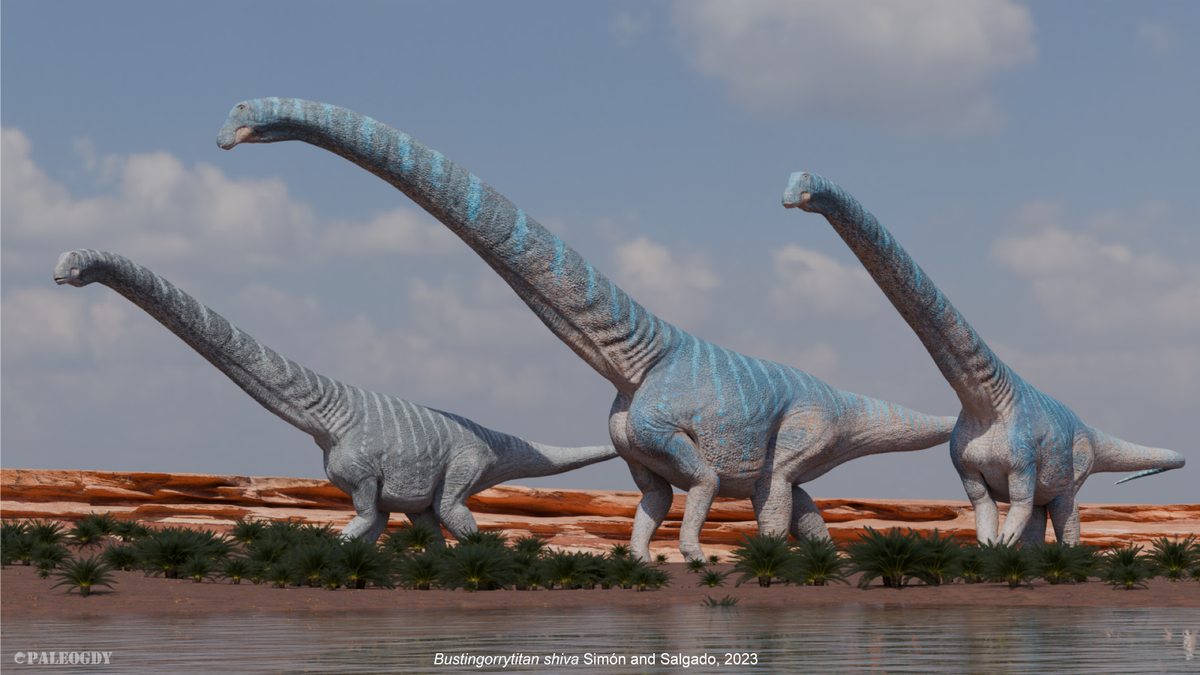
A newly discovered 98-foot-long dinosaur named Bustingorrytitan shiva, after the Hindu god Shiva, is one of the largest titanosaurs ever recorded, weighing an estimated 74 tons. The fossils were found in western Argentina, and the discovery suggests the coexistence of different lineages of gigantic titanosaurs in the region during the middle Cretaceous period. The species name "shiva" references the Hindu deity who destroys and transforms the universe, and the findings shed light on a turnover event in the Cretaceous period.

Titanosaurs, a lesser known group of sauropod dinosaurs, were the largest land animals on Earth, with nearly 100 species that varied greatly in size. Recent discoveries have revealed that they had a unique way of life, merging reptile and mammal characteristics. They originated in the Early Cretaceous Period and thrived on all seven continents, with evidence suggesting rapid growth rates similar to mammals. Fossil findings also indicate that titanosaurs had a diverse diet and high tooth-replacement rates, contributing to their biological success. If not for the asteroid impact 66 million years ago, these long-lived and diverse creatures would likely have continued to thrive.

Titanosaurs, a lesser known group of sauropod dinosaurs, were the largest land animals on Earth, with over 100 species that varied greatly in size. Recent discoveries have revealed that they combined reptile and mammal traits, such as rapid growth rates and high body temperatures, to thrive on all seven continents. Titanosaurs had a hands-off parenting style, and evidence suggests they reached their enormous adult sizes in just a few decades. Their prodigious appetites for plants and diverse diets contributed to their biological success. Unfortunately, they were among the victims of the asteroid impact that ended the age of dinosaurs.

Researchers studying a fossil in South Africa have discovered what they believe to be a previously unknown species of dinosaur dating back almost 200 million years. The fossil, originally thought to be the arm of a larger dinosaur, is now believed to belong to a relative of titanosaurs. The discovery indicates that these types of dinosaurs could live to be much smaller as adults. The fossil weighs 70 kilograms, and researchers hope to find a more complete individual from which they can name the new species.

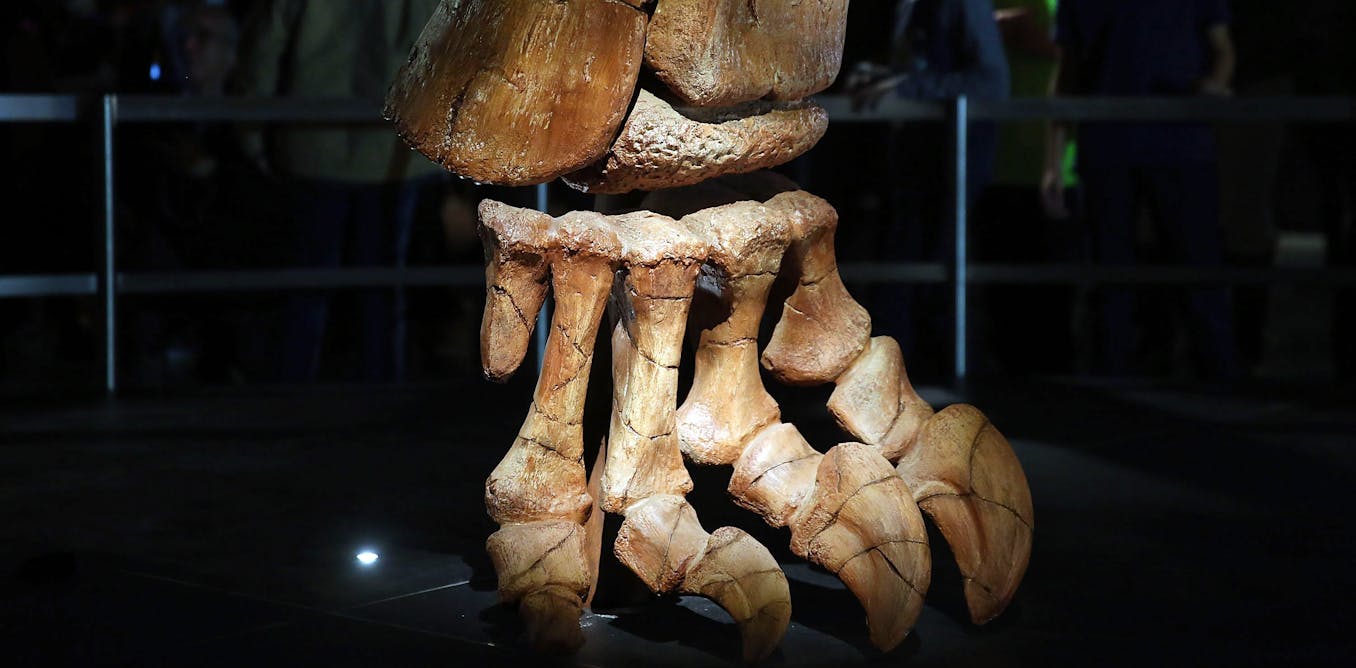
Scientists believe that titanosaurs grew quickly and didn't slow down until they reached their massive adult sizes. Titanosaurs had adaptations hidden in their joints, short feet, and pillar-like limbs to support their enormous weight. The jury is still out on whether titanosaurs could have become even bigger, had dinosaurs not gone extinct.

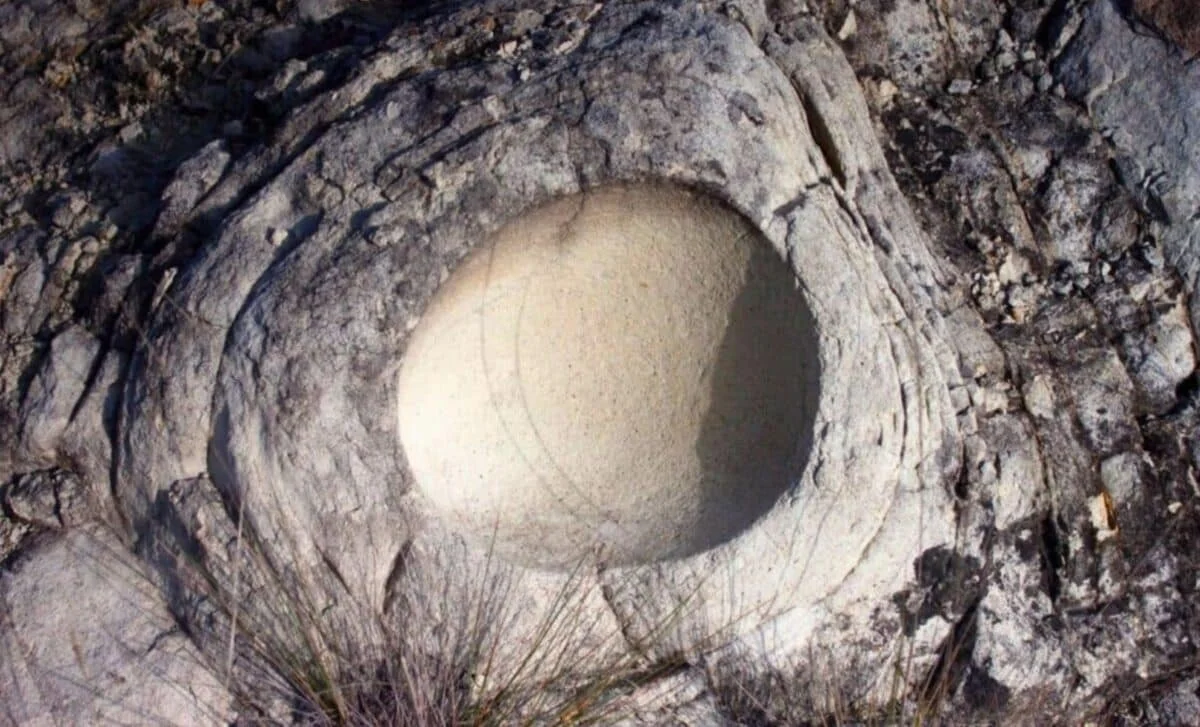
A pretty agate mineral registered to the Natural History Museum’s Mineralogy Collection in 1883 has been identified as a dinosaur egg. The specimen, known as Eggate, is thought to date back to 60 million years ago when titanosaurs were the most common dinosaurs living in India. The egg is almost completely spherical and has a thin layer around the agate that looks like a shell. The team think this occurred due to volcanic activity causing the egg to become encased in solidified volcanic rock after an eruption.