Tag

Space Mission

All articles tagged with #space mission

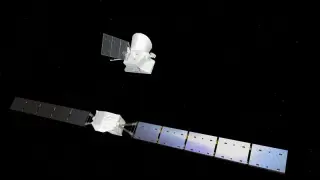
BepiColombo set to enter Mercury orbit after eight-year slow cruise
science9 days ago

BepiColombo set to enter Mercury orbit after eight-year slow cruise

After eight years of a slow, gravity-assisted cruise powered by ion propulsion, the European-Japanese BepiColombo spacecraft will enter Mercury’s orbit in November 2026—Mercury’s third close visit and second orbiter. The arrival is gradual due to a prior thruster issue fixed in 2024, and the two orbiters will then separate to study Mercury’s surface/interior and magnetic environment, with full science operations expected to begin in 2027.

ESA approves Arrakihs to map faint galaxy haloes and decode cosmic history
space1 month ago

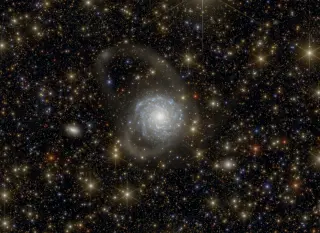
ESA approves Arrakihs to map faint galaxy haloes and decode cosmic history

The European Space Agency has adopted Arrakihs, a fast F-class mission designed to map ultra-faint galaxy haloes and stellar streams to reveal how galaxies like the Milky Way form and evolve. Using a four-camera binocular instrument spanning near-UV to near-IR, Arrakihs will study at least 80 Milky Way–mass galaxies to piece together merger histories, with a launch targeted for 2030.

NASA Declares End of MAVEN Mars Mission After 11-Year Run
space1 month ago

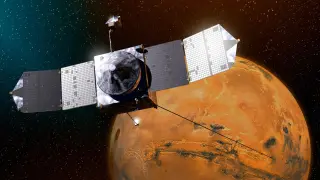
NASA Declares End of MAVEN Mars Mission After 11-Year Run

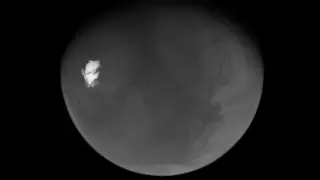
NASA has officially ended the Mars Atmosphere and Volatile Evolution (MAVEN) mission after losing contact in December 2025. Launched in 2013 and in Martian orbit since 2014, MAVEN surpassed its one-year primary mission by more than a decade and even aided the Perseverance rover as a communications relay. An anomaly review determined the spacecraft can no longer perform science or relay data, likely due to a high-rate safe-mode rotation that drained its batteries after re-emerging from behind Mars. NASA will publish a full root-cause report later this year. MAVEN’s observations showed solar winds and storms drive atmospheric loss on Mars and helped explain dust-storm–related water loss.

Apollo debris taught the Moon to ring and revealed its solid, fractured interior
space1 month ago

Apollo debris taught the Moon to ring and revealed its solid, fractured interior

From 1969–1972 NASA intentionally steered spent Apollo hardware into the Moon to serve as calibrated seismic sources; the near-side seismometer network recorded highly diffused, long-lasting signals—nearly an hour in some cases—because the Moon’s dry, fractured megaregolith scatters and slowly absorbs seismic energy, not a hollow shell, producing a bell-like reverberation rather than sharp Earth-like waves. Apollo 12’s LM impact created a ~9-meter crater and the larger third-stage impacts rang even longer; gravity mapping by the GRAIL mission and continued data analysis confirm the Moon is solid, not hollow, though the seismic network logged more than 12,000 moonquakes before going standby in 1977.

Psyche Probe Captures Stunning Crescent Mars During Gravity Flyby
science-space1 month ago

Psyche Probe Captures Stunning Crescent Mars During Gravity Flyby

NASA's Psyche spacecraft flew by Mars on May 15, using a gravity assist to boost its speed by about 1,000 mph and capturing high-resolution images, including a crescent view of Mars' polar ice caps and wind-carved craters from roughly 2,900 miles above the surface, as it continues toward the metallic asteroid 16 Psyche (arrival expected in 2029); the flyby also served to calibrate instruments for the longer journey.

Smile mission set for May 19 launch to map Earth's response to solar wind
science-and-exploration2 months ago

Smile mission set for May 19 launch to map Earth's response to solar wind

The European-Chinese Smile mission, a joint ESA-CAS project to study how Earth reacts to solar wind using an X-ray camera for magnetosphere observations and a UV imager for auroras, is rescheduled to launch on May 19, 2026, aboard a European Vega-C rocket from Europe’s Spaceport in French Guiana after a precautionary delay due to a Vega-C subsystem issue. The launch time is 05:52 CEST / 04:52 BST / 00:52 local, with Smile released after about 57 minutes into a low-Earth orbit and solar panels unfolding around 63 minutes after liftoff, before entering an elongated orbit peaking about 121,000 km above the North Pole and extending to roughly 5,000 km above the South Pole to deliver data to ground stations. The mission aims to shed light on space weather, solar storms and geomagnetic processes through its four instruments, as ESA and CAS collaborate on this Solar wind Magnetosphere Ionosphere Link Explorer.

NASA's DART Nudge Shifts Dimorphos' Orbit, Demonstrating Planetary Defense Feasibility
science3 months ago

NASA's DART Nudge Shifts Dimorphos' Orbit, Demonstrating Planetary Defense Feasibility

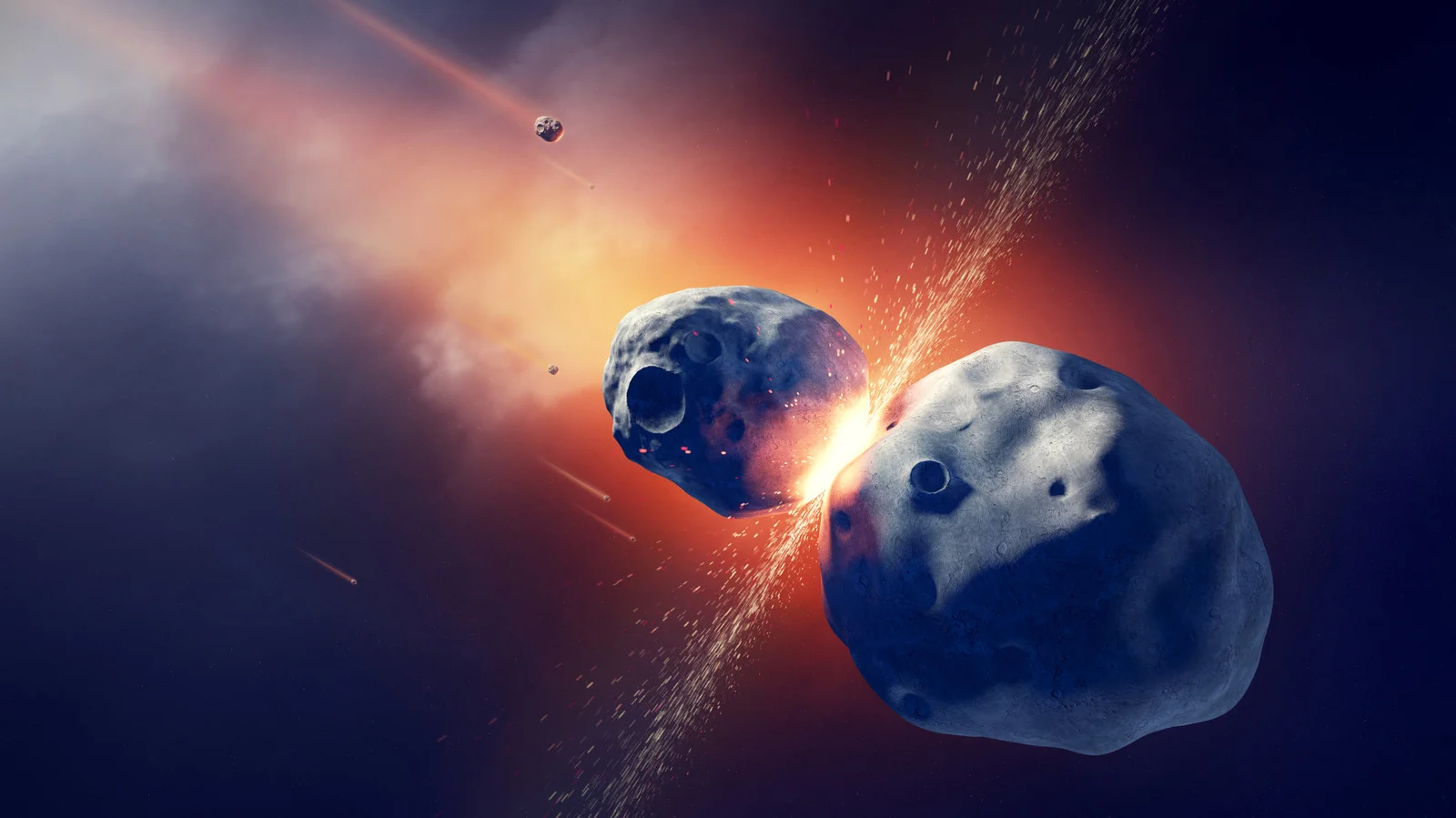
NASA's DART spacecraft slammed into the Didymos system’s moon Dimorphos in 2022, creating ejecta that boosted momentum and slowed the system’s orbit by about two inches per hour, shortening its solar orbit by roughly 0.15 seconds over 770 days. The result shows we can alter an asteroid’s path, but a much larger or multiple impacts would likely be needed to deflect a real threat; the event provides essential data for improving planetary defense as near-Earth objects remain a vulnerability.

NASA's ESCAPADE Probes to Delay Mars Mission by a Year
space-exploration6 months ago

NASA's ESCAPADE Probes to Delay Mars Mission by a Year

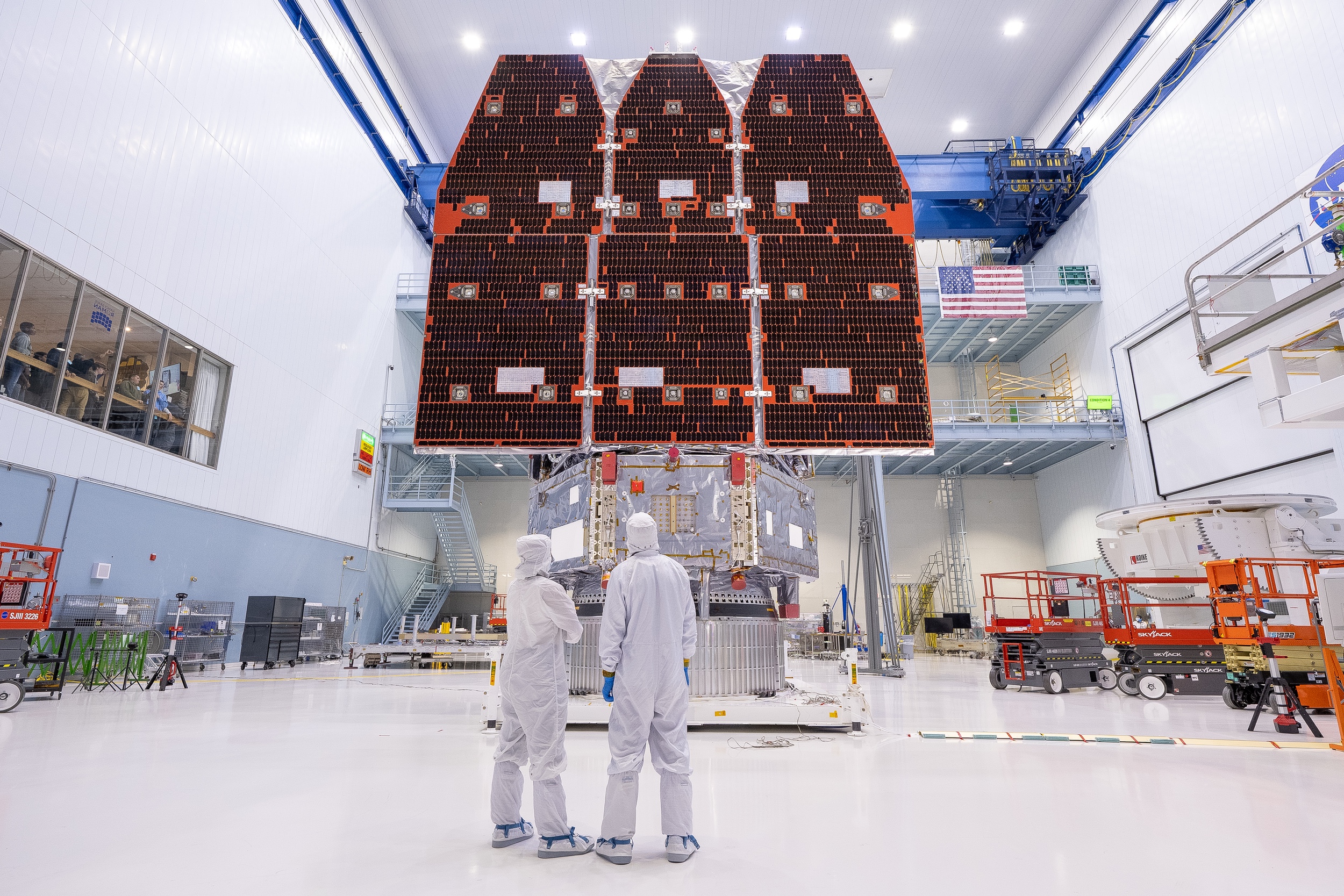
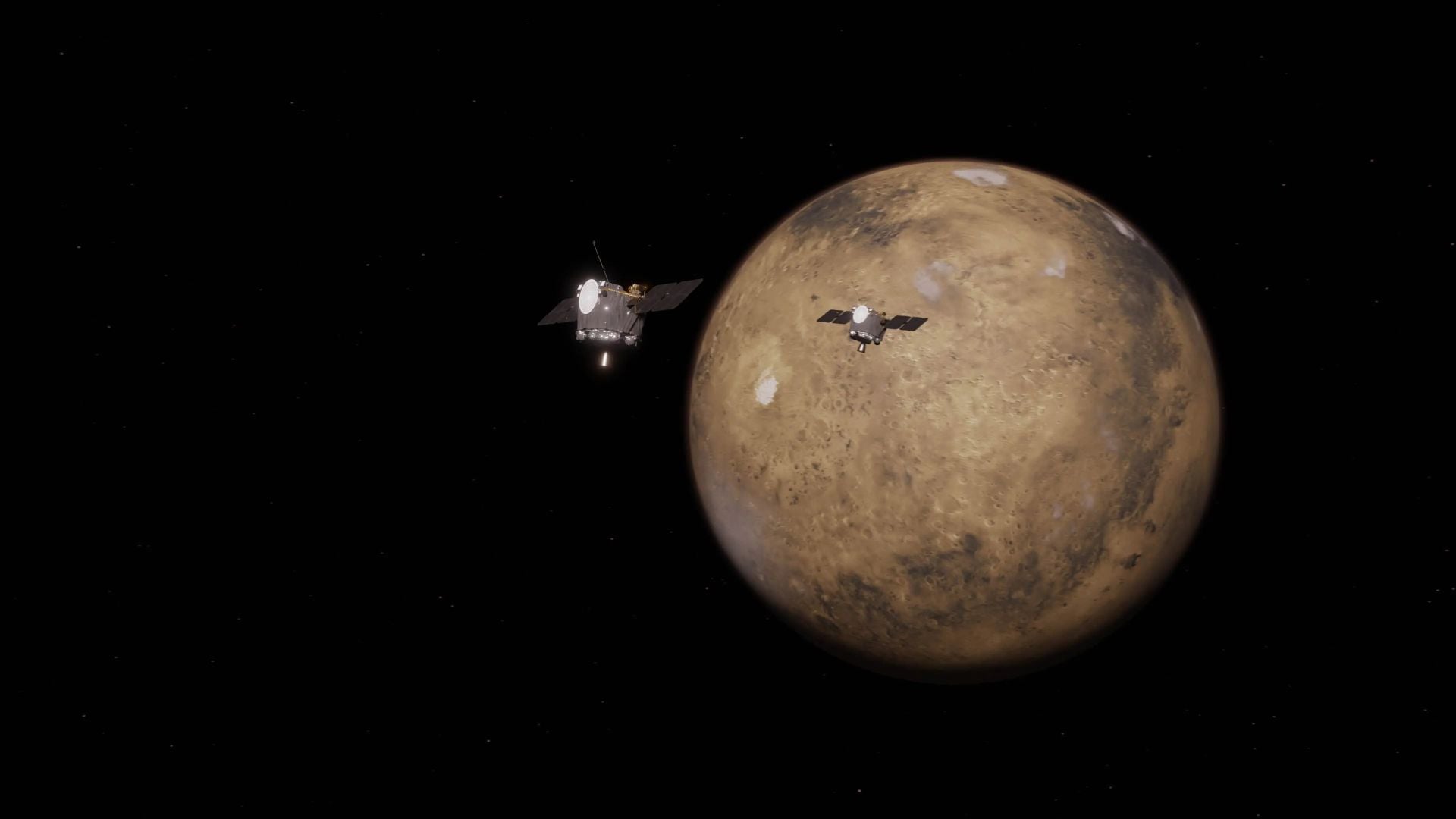
NASA's twin ESCAPADE probes were launched into a loiter orbit near Earth's Lagrange point 2 to analyze solar wind interactions with Mars' atmosphere. They will use Earth's gravity for a slingshot to Mars in late 2026, with a planned orbit insertion in 2027. The extra year in space adds some wear but is deemed manageable, serving as a template for future Mars missions and colonization efforts.