Tag

Wetlands

All articles tagged with #wetlands

Georgia’s Okefenokee Swamp Earns UNESCO World Heritage Designation
national1 month ago

Georgia’s Okefenokee Swamp Earns UNESCO World Heritage Designation

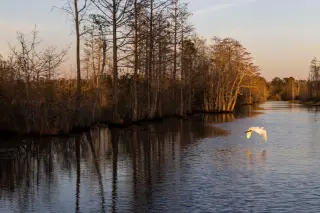
The Okefenokee National Wildlife Refuge in Georgia — one of the world’s largest intact freshwater ecosystems — was designated a UNESCO World Heritage site, marking a first for Georgia and joining a list that includes Yosemite and the Taj Mahal. The designation highlights its ecological and cultural significance but does not prevent ongoing mining battles near the refuge. It could boost tourism and local jobs, though some residents worry about increased visitors and potential new restrictions.

policy1 month ago

Wetlands shield narrows, fueling a data-center boom

A 2023 Supreme Court ruling narrowing the Clean Water Act’s protection for streams and wetlands has allowed a surge of AI data-center projects to move forward with minimal or no federal water permits and limited public input. POLITICO’s review found at least 26 data-center sites since 2024 benefiting from streamlined nationwide permits, with many projects obtaining approvals without an individual, public-comment review, shifting much of the regulatory burden to states and localities and potentially shortening NEPA analyses as well. The build-out spans states from Ohio to Texas to Nevada, prompting concerns about water quality, flood risks, and community voices in permitting.

New Orleans' watery future prompts urgent relocation planning, scientists warn
climate3 months ago

New Orleans' watery future prompts urgent relocation planning, scientists warn

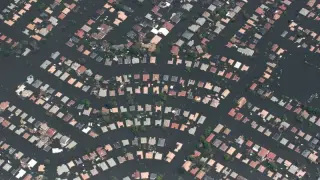
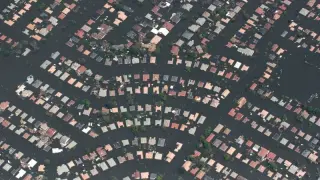
A Nature Sustainability analysis warns rising seas could surround New Orleans by century’s end, with Louisiana wetlands largely disappearing (up to about 75% lost) and shoreline retreating as much as 62 miles, prompting researchers to urge proactive relocation planning to avoid chaotic outcomes and widening inequality. The city’s bowl-like geography and heavy flood risk raise concerns about vulnerable residents and culture, while some experts see relocation as a potential model for climate resilience, despite political and social hurdles that have stalled large-scale protective measures like sediment diversions.

Beavers as urban flood engineers reshape London's wetlands
environment3 months ago

Beavers as urban flood engineers reshape London's wetlands

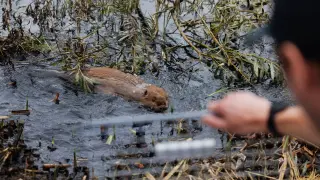
Beavers reintroduced to West London in 2023 dammed a creek to create wetlands that absorb heavy rainfall, reducing flooding at Greenford Tube and boosting urban biodiversity; part of Britain’s broader beaver reintroduction effort to restore wetlands and adapt to a wetter climate, a trend that also meets some farmer concerns over land and water management, with licensing and relocation helping manage conflicts.

Oil giants win Supreme Court ruling narrowing Louisiana coastal lawsuits
politics4 months ago

Oil giants win Supreme Court ruling narrowing Louisiana coastal lawsuits

The Supreme Court reversed a Fifth Circuit ruling, siding with oil companies like Texaco/Chevron in long-running Louisiana coastal-wetlands lawsuits and potentially ending many such claims. The decision affects about a quarter of dozens of cases and was welcomed by industry groups as legal clarity, while critics warn it could hinder coastal restoration efforts. Justice Alito recused himself due to financial ties to ConocoPhillips.

Covid-era Clean Air Sparked Unexpected Methane Surge
environment6 months ago

Covid-era Clean Air Sparked Unexpected Methane Surge

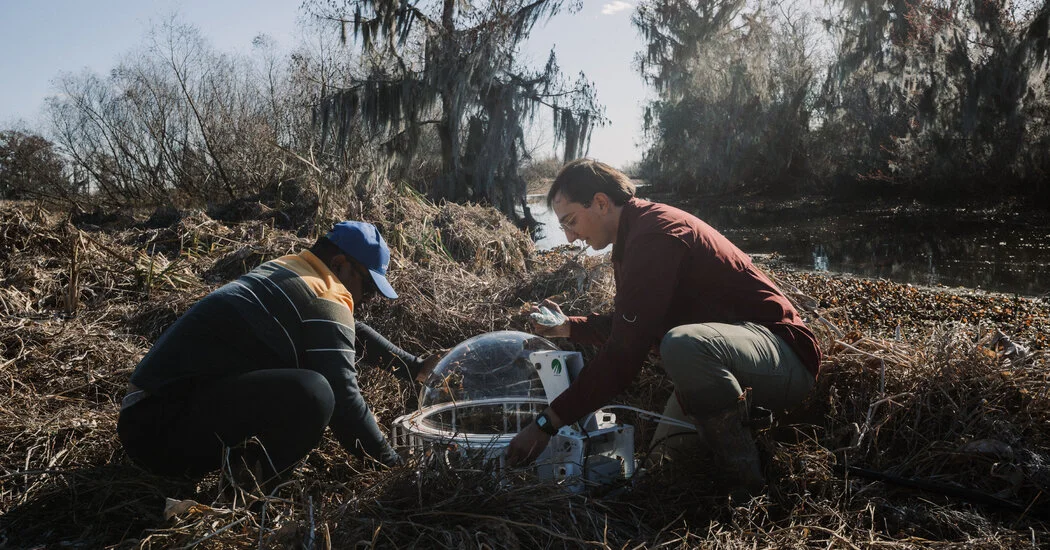
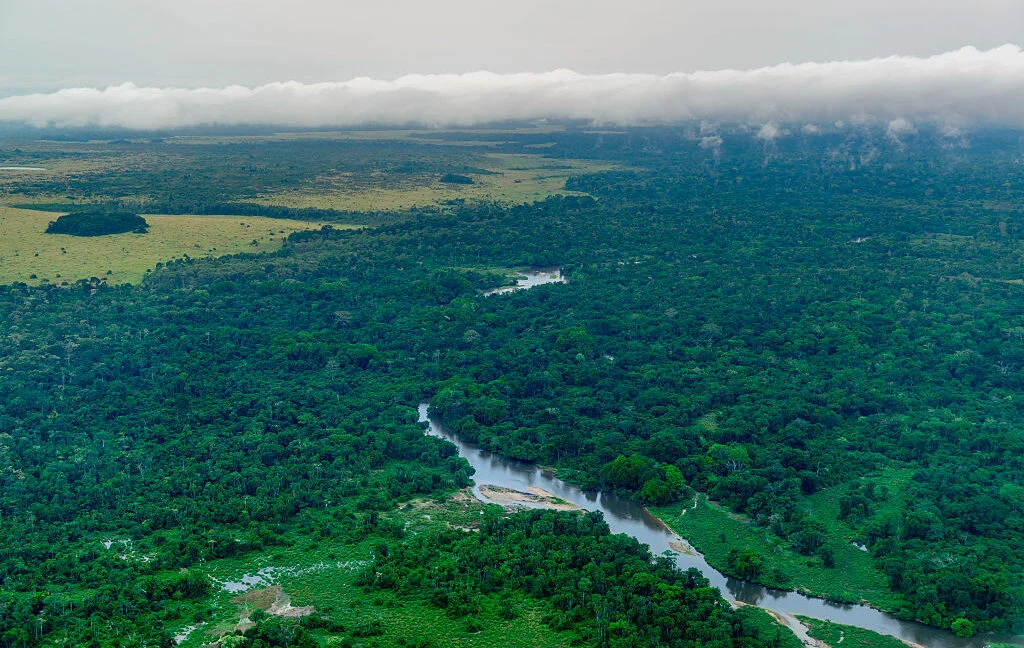
COVID-19 lockdowns sharply reduced nitrogen oxides, shrinking the hydroxyl radical that normally destroys methane and causing a large methane spike in 2020—about 80% of the rise came from a slower methane sink, with the remaining ~20% from increased ground emissions. Wetlands in tropical Africa and Southeast Asia, boosted by La Niña’s wetter conditions, contributed roughly 30% of the global increase during 2020–2022, marking a ‘clean air paradox’ where cleaner urban air reduces methane sinks and intensifies the need for aggressive anthropogenic methane cuts to curb warming.

Greece Residents Oppose New Senior Living Development
local-news1 year ago

Greece Residents Oppose New Senior Living Development

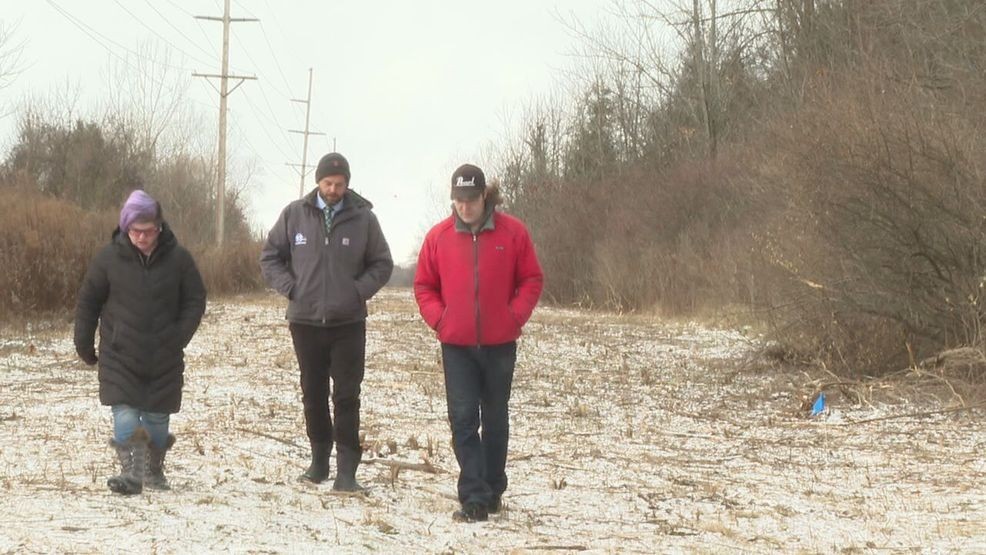
The Town of Greece has approved a senior living complex on Island Cottage Road, sparking concerns among residents about environmental impacts and potential contamination. Residents like Steve DiBattisto and the Bulsons are worried about traffic, fire safety, and the effect on local wildlife and wetlands. Despite the approval, opponents vow to continue their fight, citing issues with soil contaminants and loss of green spaces. Town Supervisor Bill Reilich supports the project, emphasizing the need for senior housing in the area.

"Wetland Methane Emissions Surge in High Latitudes, Study Finds"
environment2 years ago

"Wetland Methane Emissions Surge in High Latitudes, Study Finds"

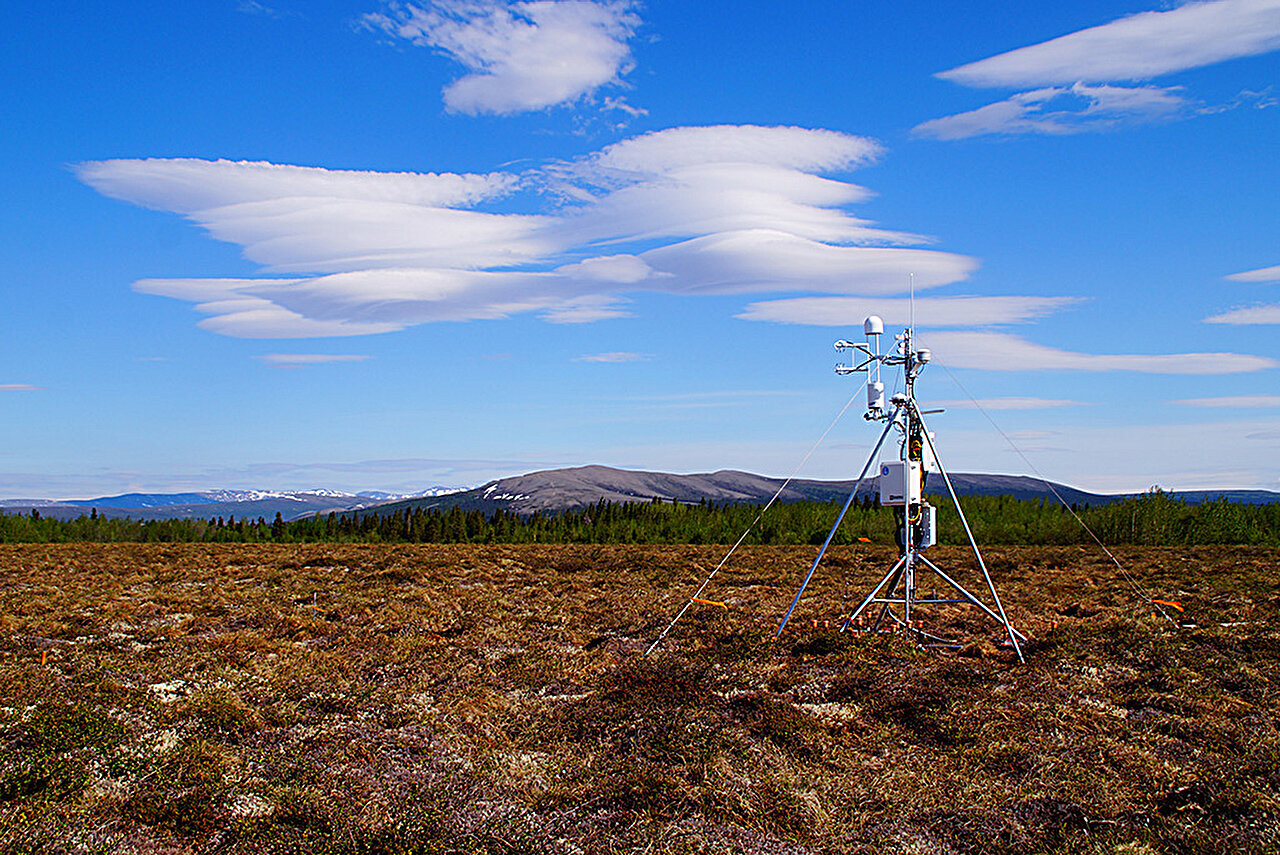
A study by the Department of Energy's Lawrence Berkeley National Laboratory reveals that methane emissions from wetlands in the Boreal-Arctic region have increased by approximately 9% since 2002, likely due to rising temperatures and enhanced microbial activity. The research team combined data from various monitoring methods to analyze over 307 total years of methane emissions data, finding that higher temperatures and increased plant productivity are major drivers of these emissions. The study provides a better understanding of the role wetlands play in the global climate system and offers a scientific baseline to address climate change.

"Louisiana's Vulnerable Wetlands: A Sobering Glimpse into the Future"
environment2 years ago

"Louisiana's Vulnerable Wetlands: A Sobering Glimpse into the Future"

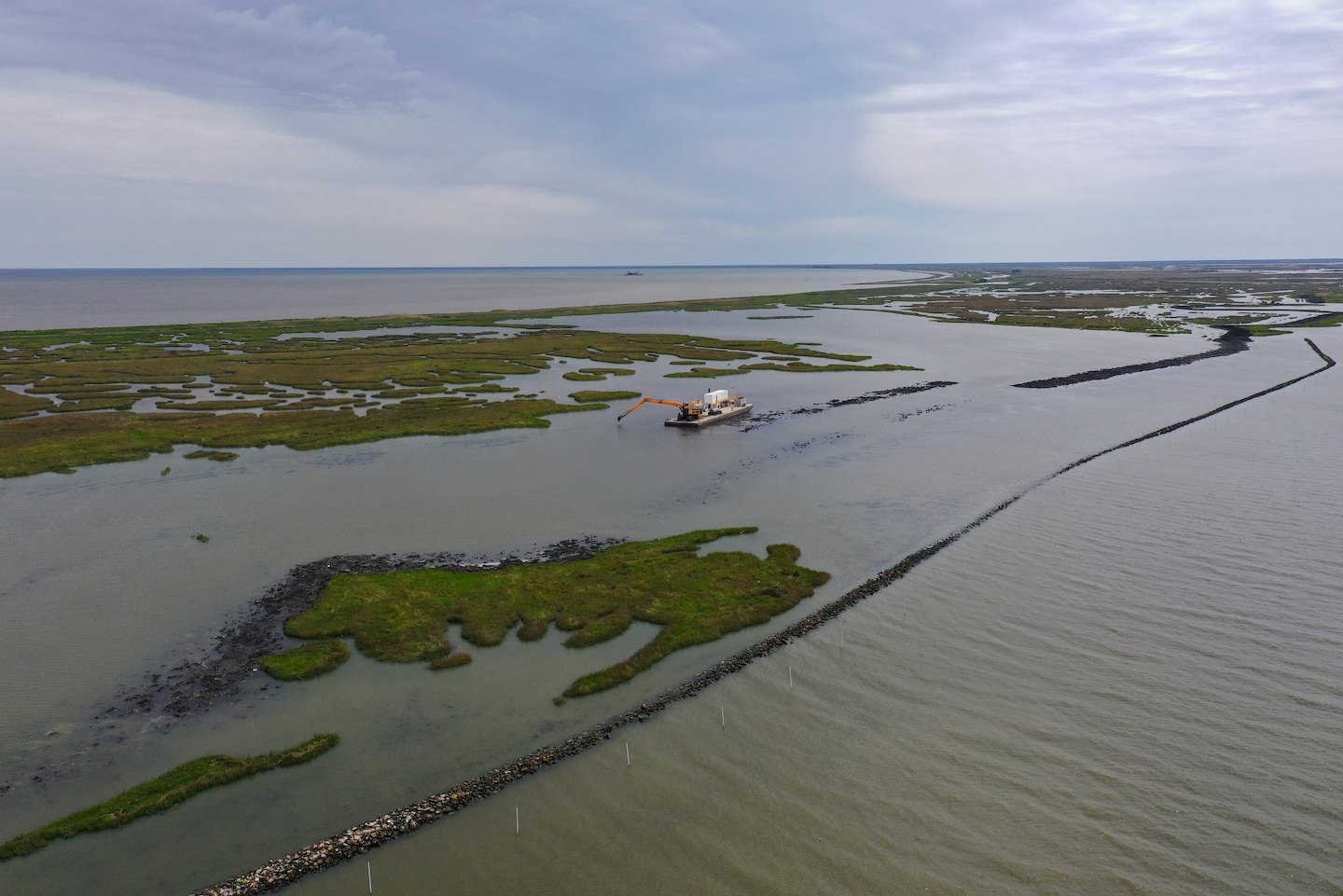
Scientists warn that rapidly rising seas are causing a surge in sea level rise, leading to the drowning of coastal wetlands in Louisiana. The state's wetlands, crucial for coastal protection and biodiversity, are unable to keep pace with the rising water levels, putting them at risk of disappearing. Efforts to restore wetlands may not be enough to counter the rapid loss, and the study predicts that Louisiana could lose 75% of its coastal wetlands by 2070, posing a significant threat to the state's ecosystem and coastal resilience.

"Rapid Vegetation Growth Replaces Melting Ice in Greenland, Signaling Climate Change"
climate-change2 years ago

"Rapid Vegetation Growth Replaces Melting Ice in Greenland, Signaling Climate Change"

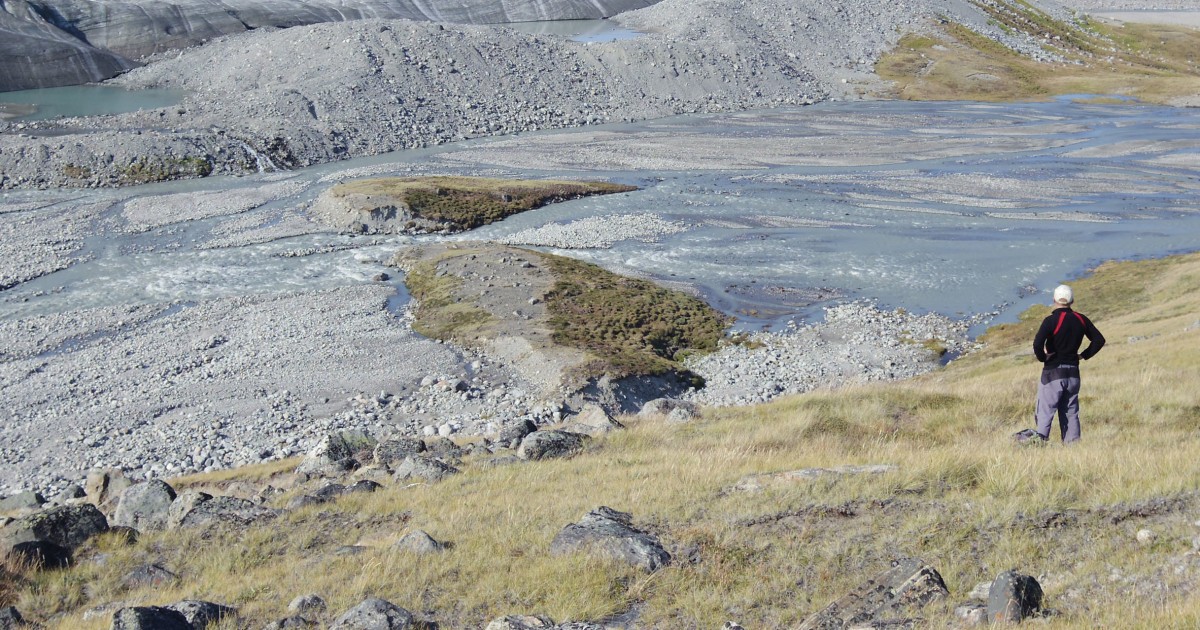
A new study using satellite images has revealed that parts of Greenland's ice sheet and glaciers have melted over the past 30 years, leading to the growth of wetlands, shrub vegetation, and barren rock. The expansion of vegetation and wetlands, particularly in the southwest and northeast, raises concerns about the stability of the landscape, rising sea levels, and increased greenhouse gas emissions. The loss of ice also contributes to global warming by exposing bare rock and vegetation that absorb more sunlight, while wetlands become significant sources of methane emissions. These changes have cultural implications for indigenous populations and pose significant challenges for global sea level rise.

"Nisar's Expertise Enhances Understanding of Forests and Wetlands: JPL"
science-and-technology2 years ago

"Nisar's Expertise Enhances Understanding of Forests and Wetlands: JPL"

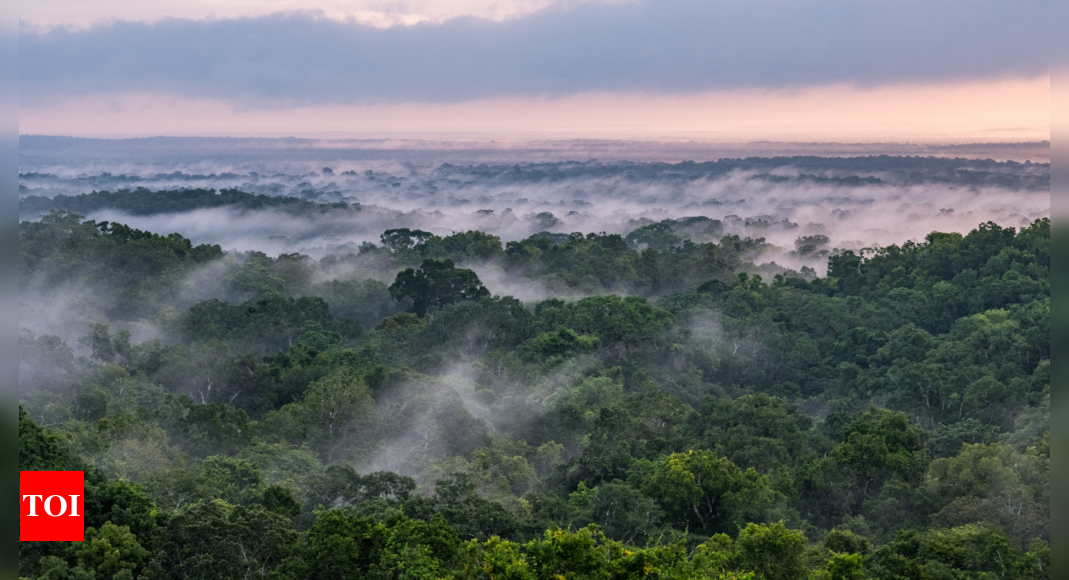
The Nasa-Isro Synthetic Aperture Radar (Nisar) satellite, scheduled to launch in 2024, will provide researchers with unprecedented insights into Earth's forests and wetlands. By scanning the planet's land and ice surfaces every 12 days, Nisar will track changes in forests and wetlands, which play crucial roles in the global carbon cycle and climate change. The satellite's radar technology will help understand the impact of deforestation on the carbon cycle, improve knowledge of forest growth and degradation, and aid in studying geological events and environmental changes such as earthquakes, volcanic eruptions, and glacier melting.

"Revolutionary NASA-ISRO Radar Mission Unveils Dynamic Forest and Wetland Perspectives"
science-and-technology2 years ago

"Revolutionary NASA-ISRO Radar Mission Unveils Dynamic Forest and Wetland Perspectives"

The NASA-ISRO NISAR radar satellite mission, set to launch in early 2024, will provide detailed insights into forests and wetlands, crucial ecosystems for regulating greenhouse gases and combating climate change. By scanning Earth's land and ice surfaces every 12 days, NISAR will track changes in forest density and wetland flooding, helping researchers understand the capture and release of carbon. The data collected will improve our understanding of deforestation's impact on the carbon cycle and aid in the management of wetland ecosystems. NISAR will also monitor land motion, earthquakes, volcanic eruptions, and the melting of glaciers and sea ice.