Tag

Axolotl

All articles tagged with #axolotl

Ancient Axolotl Fossil in Mexico Redefines Its Deep Evolutionary History
science8 days ago

Ancient Axolotl Fossil in Mexico Redefines Its Deep Evolutionary History

UNAM researchers describe Ambystoma quetzalcoatli, the first formally identified fossil salamander from Mexico and the oldest Ambystoma record in the country, based on scans of specimens from Hidalgo. The fossils show distinctive skull and skeleton features, including an elongated skull opening, a unique palate, and 17 trunk vertebrae, setting it apart from living axolotls. By comparing with 13 extant Ambystoma species and modern CT data, they concluded the species likely exhibited neoteny and lived in a Pliocene-era lake system, expanding our understanding of axolotl evolution and Mexico’s ancient biodiversity.
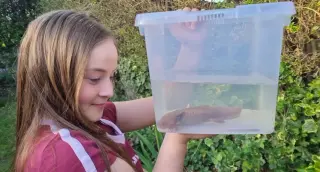
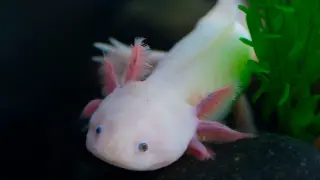
Welsh 10-Year-Old Sparks Rescue of Endangered Axolotl Hidden Under a Bridge
animals2 months ago

Welsh 10-Year-Old Sparks Rescue of Endangered Axolotl Hidden Under a Bridge

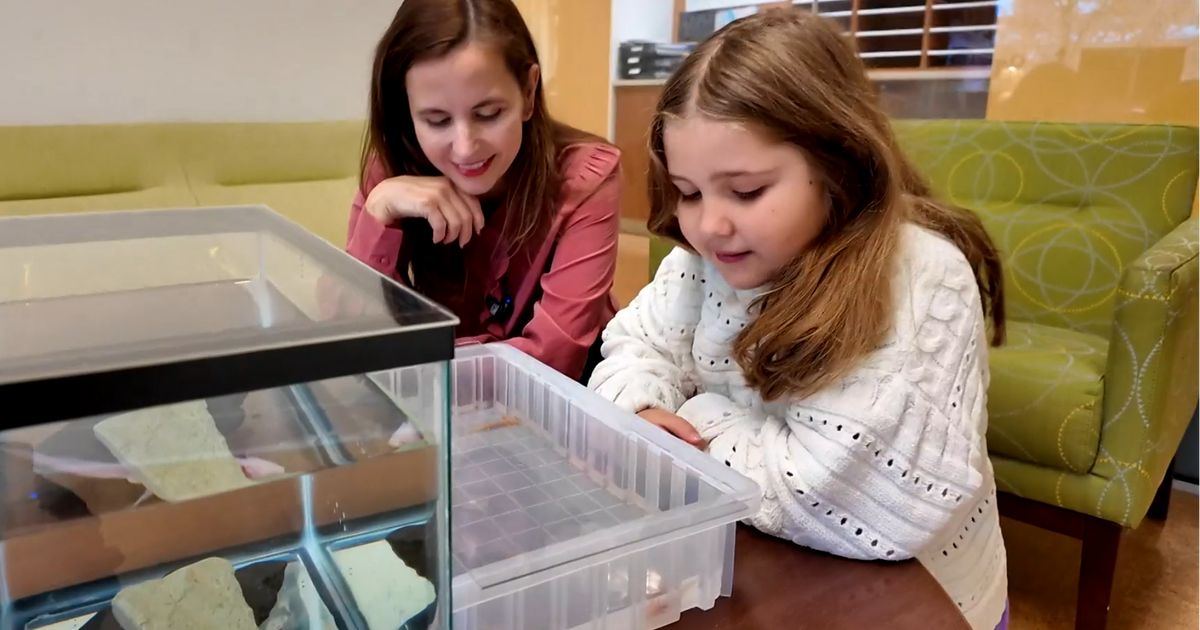
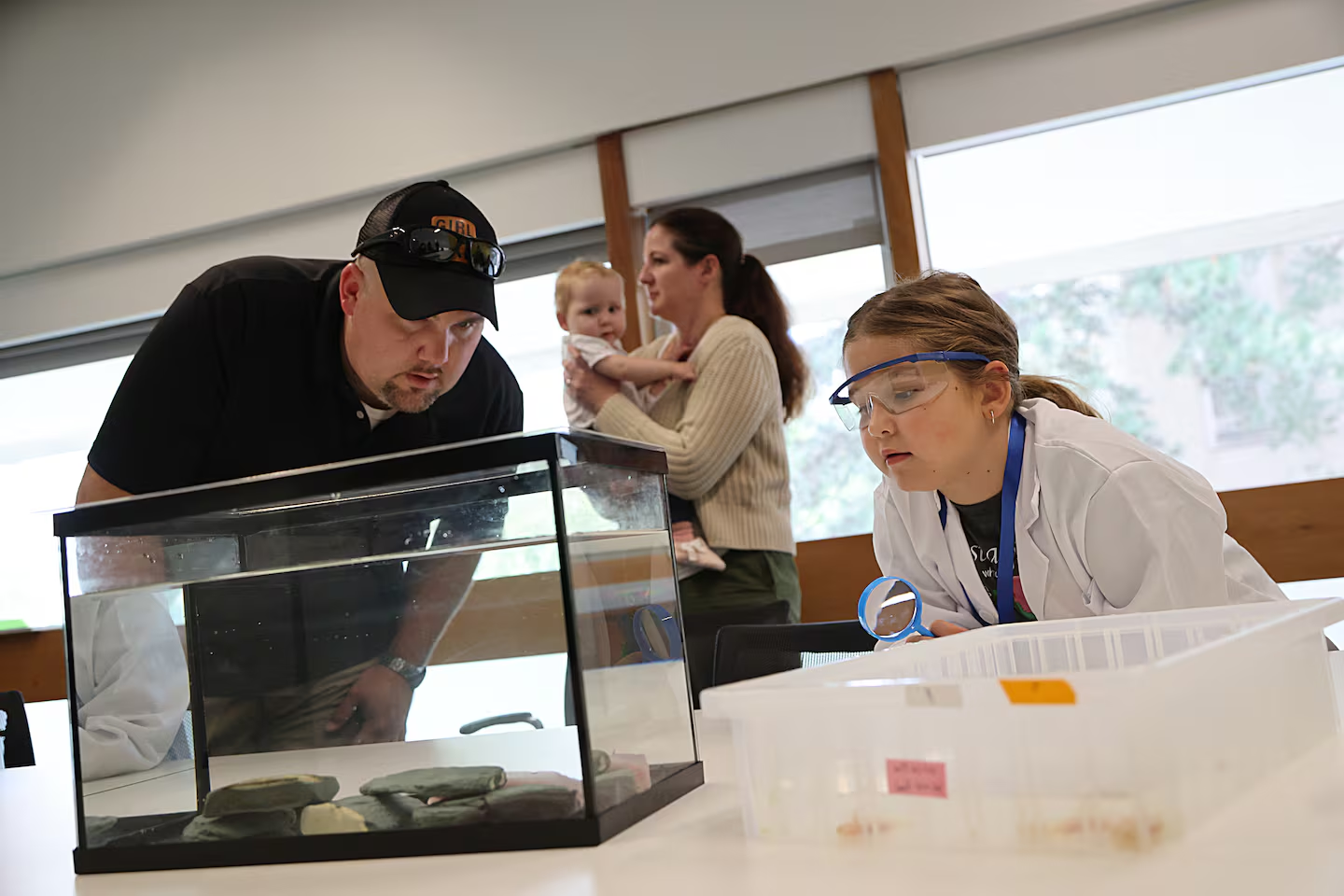
A 10-year-old girl, Evie Hill, spotted a critically endangered axolotl under a bridge by the River Ogmore in Bridgend, Wales, prompting her family to rescue it, name it Dippy D, and seek expert care. Researchers note axolotls are often kept as pets and warn that releasing non-native species into the wild is illegal; the salamander is now recovering in Leicester after the family’s quick行动 and consultation with breeders.

British 10-year-old uncovers UK's first wild axolotl in a Welsh river
science2 months ago

British 10-year-old uncovers UK's first wild axolotl in a Welsh river

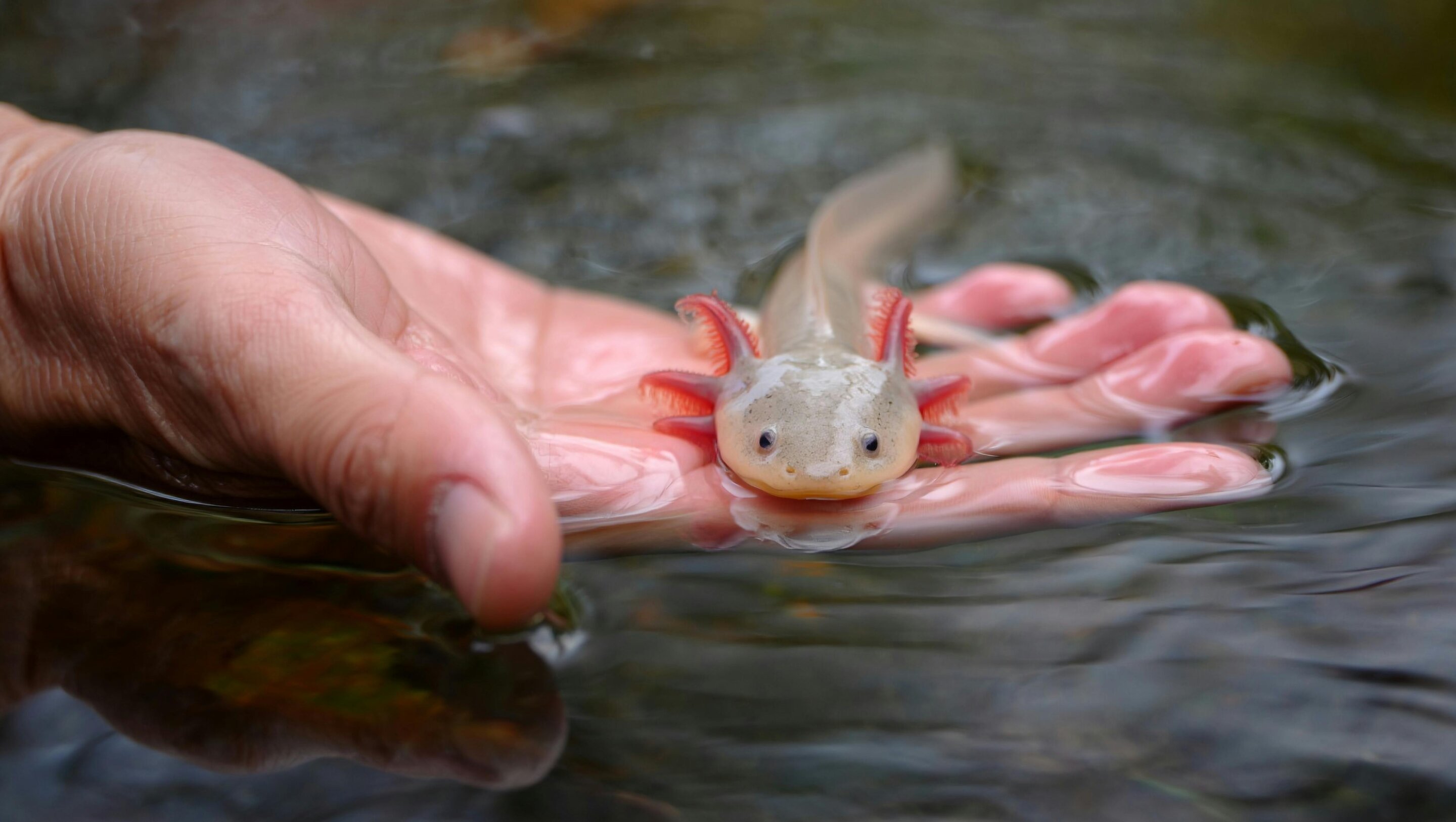
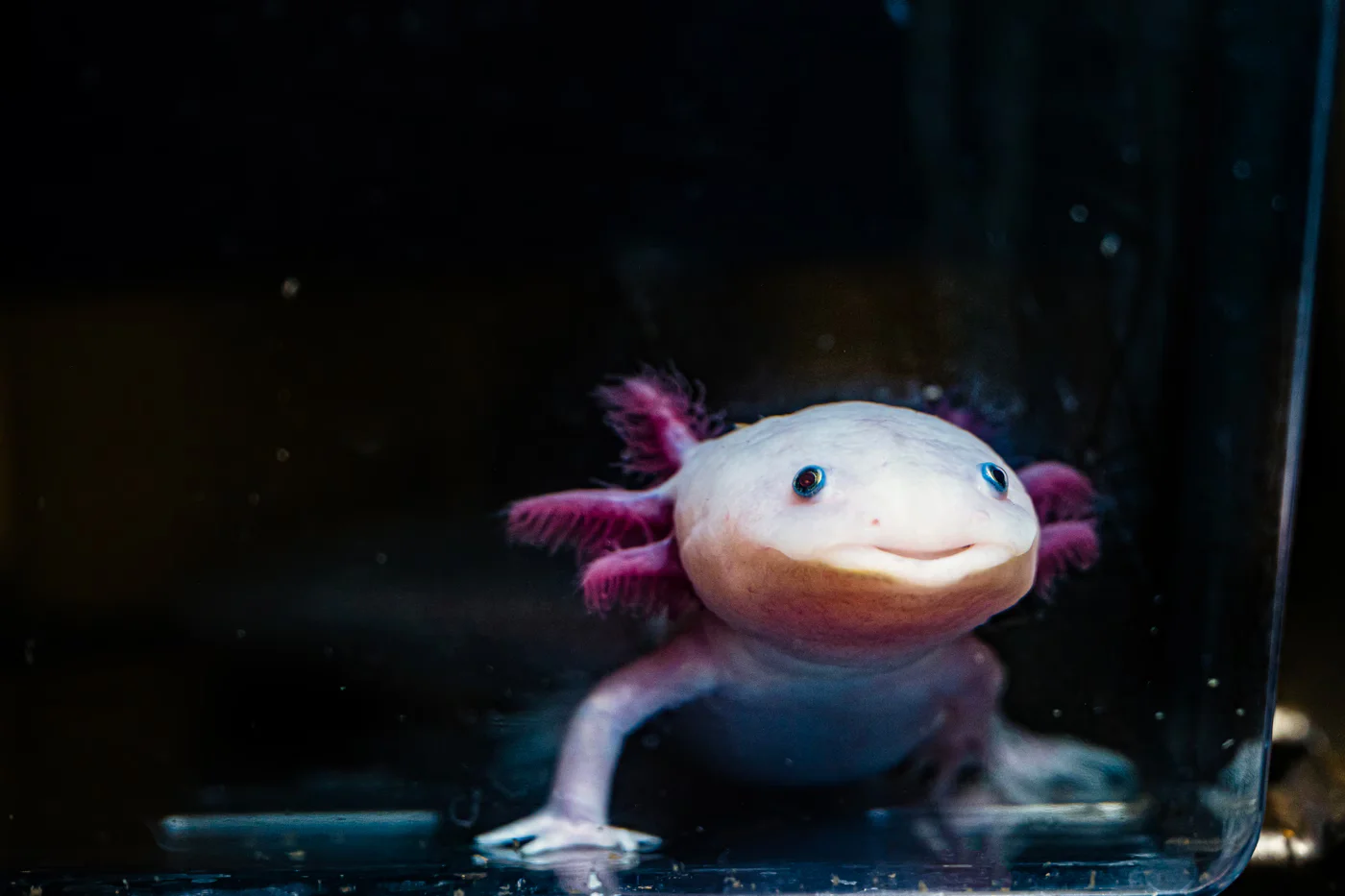
A British 10-year-old, Evie Hill, found an injured axolotl in the Ogmore River in Bridgend, Wales—the first confirmed axolotl living wild in the UK. Axolotls are endangered and native to Mexico; with only about 50 to 1,000 remaining in the wild, the family named the animal 'Dippy' and plan to care for it in a larger tank after consulting experts, while authorities remind that releasing non-native species is illegal.

Scientists Uncover Secrets of Axolotl Limb Regeneration with Glowing Clues
science1 year ago

Scientists Uncover Secrets of Axolotl Limb Regeneration with Glowing Clues

Scientists have identified a key molecule, retinoic acid, involved in axolotl limb regeneration, which could lead to advances in human regenerative medicine, including scar-free healing and limb regrowth. The research suggests that understanding and manipulating cellular responses to these signals in humans might one day enable us to grow back limbs or repair tissues more effectively.

"Mexican Ecologists Launch Urgent Campaign to Save Axolotl"
environment2 years ago

"Mexican Ecologists Launch Urgent Campaign to Save Axolotl"

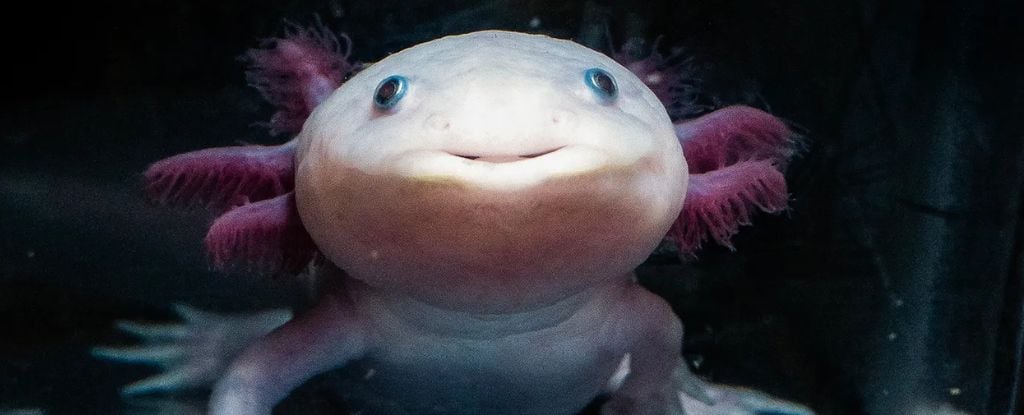
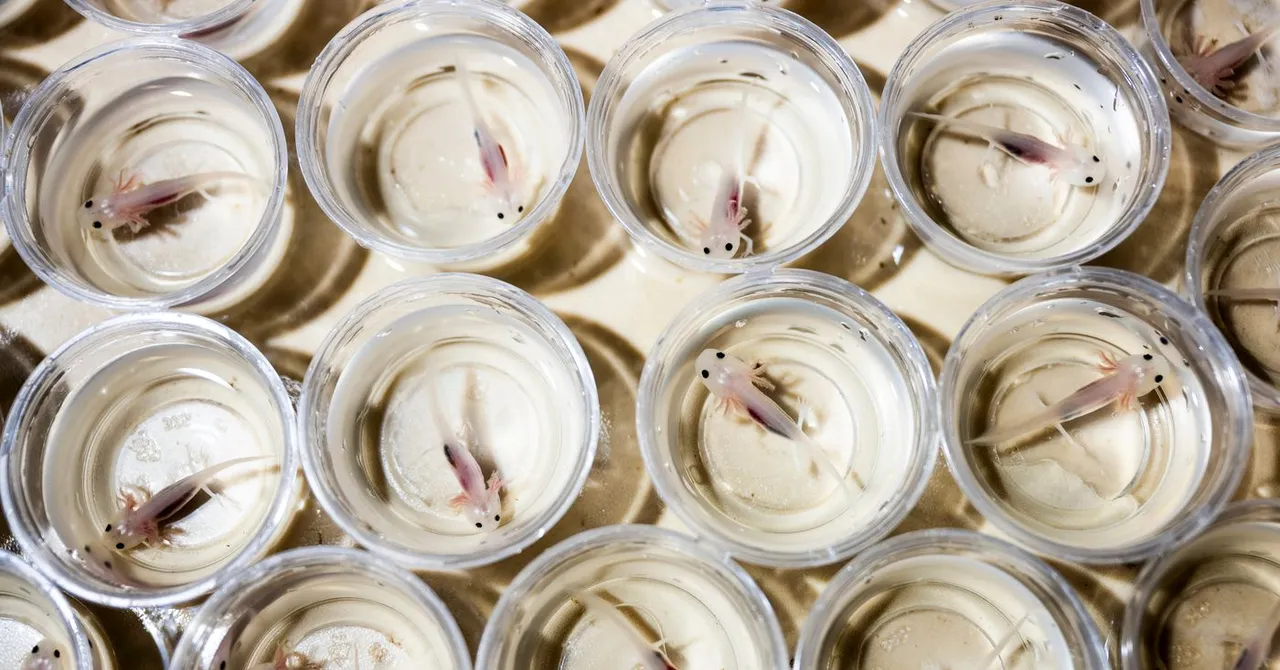
Ecologists from Mexico's National Autonomous University have relaunched a fundraising campaign called Adoptaxolotl to support conservation efforts for the endangered axolotl, a fish-like salamander. The campaign allows people to virtually adopt an axolotl and receive live updates on its health. The population density of axolotls in their main habitat has declined by 99.5% in under two decades. Last year's campaign raised funds for captive breeding and habitat restoration. However, there is still a lack of resources for comprehensive research and monitoring. Axolotls face threats from water pollution, amphibian fungus, and non-native rainbow trout. Urgent action is needed to save these unique creatures.

Unraveling the Secrets of Limb Regrowth: The Axolotl's Groundbreaking Discovery
science2 years ago

Unraveling the Secrets of Limb Regrowth: The Axolotl's Groundbreaking Discovery

Researchers at EPFL and TU Dresden have discovered new insights into the limb regeneration abilities of axolotls, challenging previous assumptions. By creating an atlas of single-cell transcriptomes from multiple species, including humans and axolotls, the study revealed that axolotls have cells with characteristics similar to those essential for limb development in other species. However, the study also found that axolotls do not fully reform apical-ectodermal-ridge (AER) cells during limb regeneration, suggesting a unique approach to limb regrowth. These findings open up new possibilities for exploring limb regeneration strategies in mammals, including humans.