Tag

Digital Twin

All articles tagged with #digital twin

NVIDIA Unveils Vera Rubin DSX AI Factory Framework and Omniverse Blueprint for Scalable Digital Twins
technology25 days ago

NVIDIA Unveils Vera Rubin DSX AI Factory Framework and Omniverse Blueprint for Scalable Digital Twins

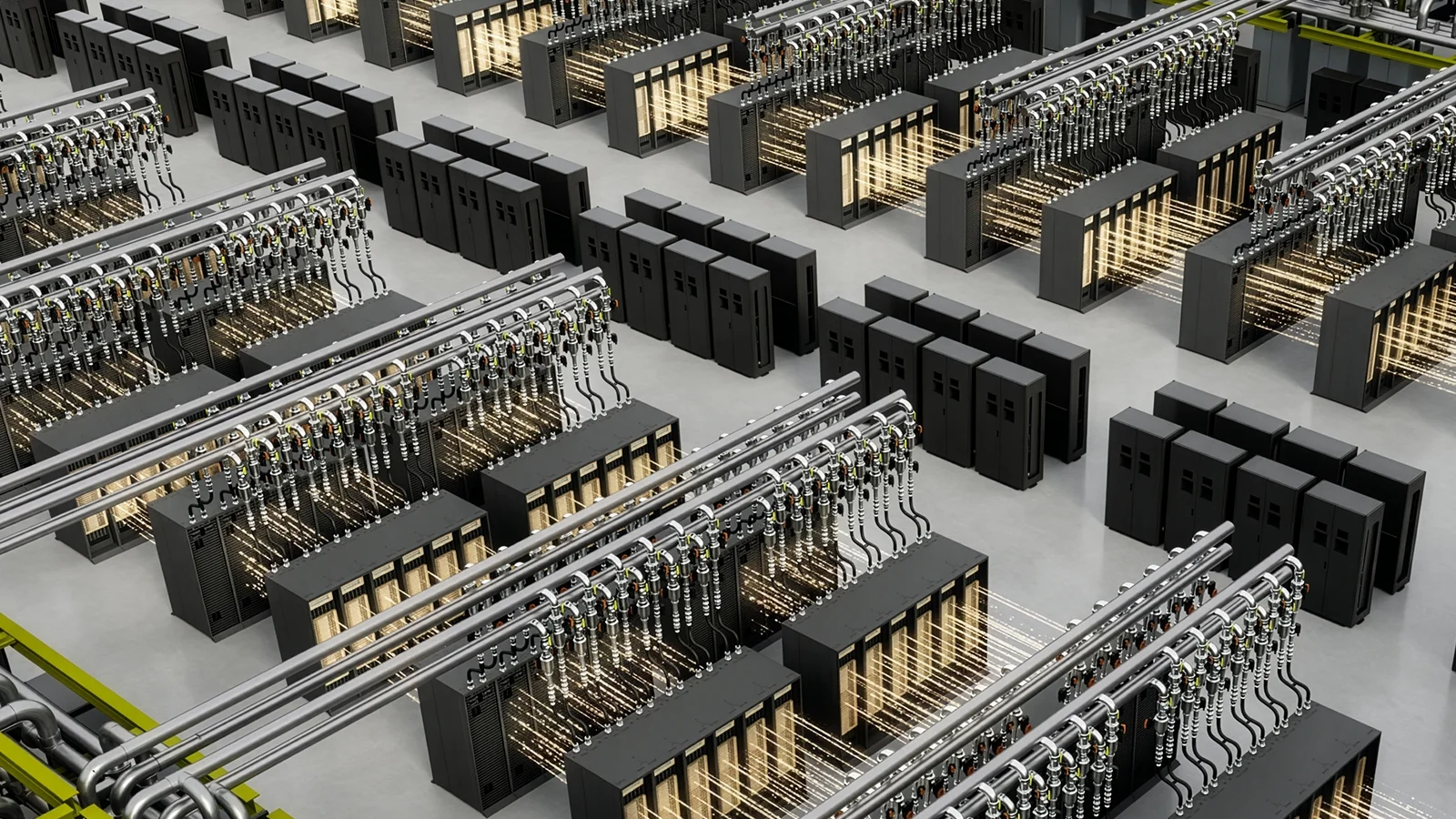
NVIDIA announced the Vera Rubin DSX AI Factory reference design and the general-availability Omniverse DSX Blueprint, delivering a codesigned AI-infrastructure stack and physically accurate digital twins for large-scale factories. The ecosystem includes DSX components (Max-Q, Flex, Exchange, Sim) and SimReady assets, enabling design, validation and day-one revenue with real-time optimization of power, cooling and compute, backed by a broad set of industry and energy partners to accelerate deployment and grid-integrated operations.

Arizona's Mummy Cave: 1,700-year-old cliff village archived in 3D for preservation
science1 month ago

Arizona's Mummy Cave: 1,700-year-old cliff village archived in 3D for preservation

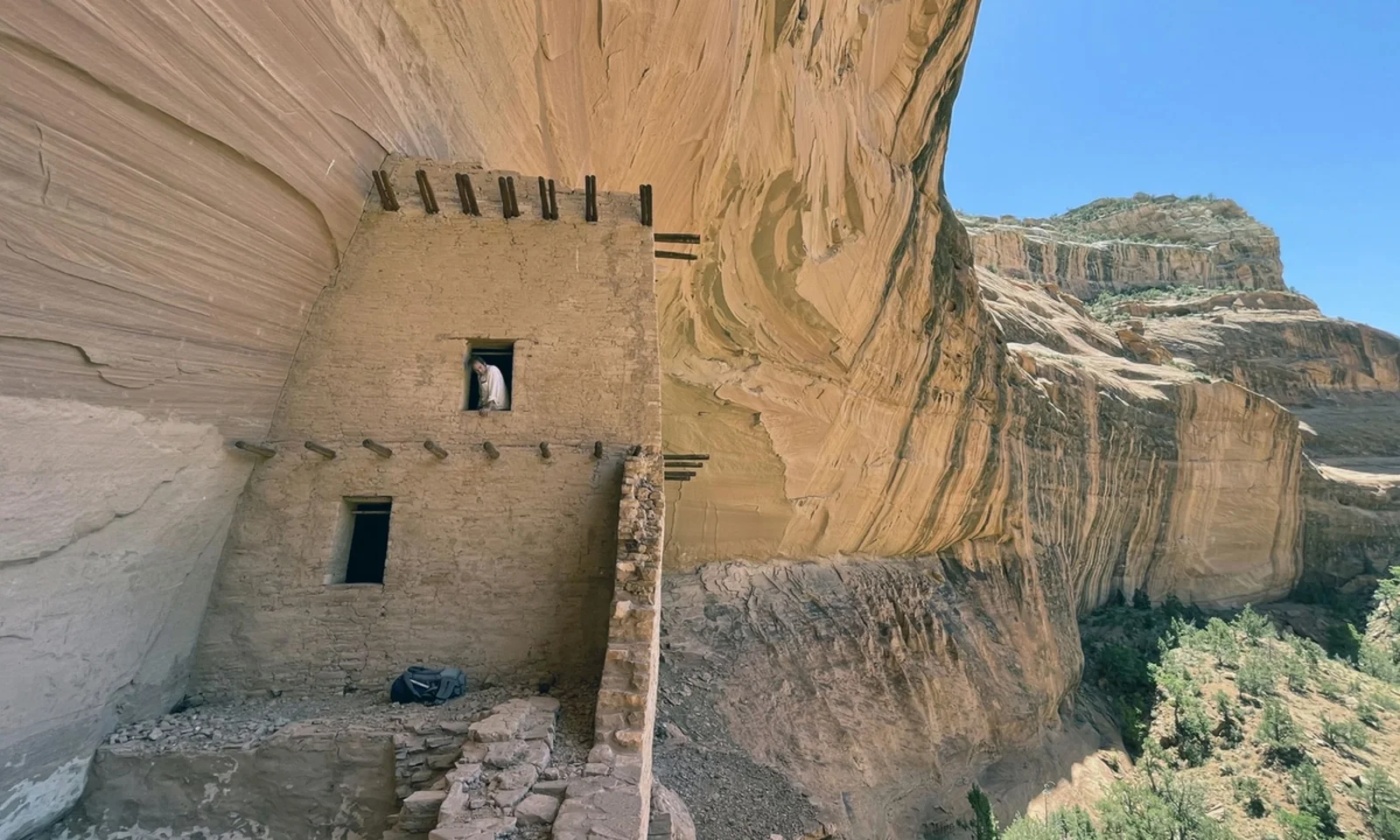
Laser scanning has captured a 1,700-year-old cliff-dwelling in Tse Yaa Kin (Mummy Cave), Arizona, detailing more than 165 rooms in a precise 3D archive. Researchers using LiDAR have created a digital twin to test stabilization options while preserving plaster and tool marks, as erosion threatens the fragile mud walls. Indigenous communities’ consent guides access and sharing to protect the site, and the project also trains students and plans to continue through 2027 to safeguard the record for future study.

Maxon Addresses Controversy Over Its AI Tool
technology3 months ago

Maxon Addresses Controversy Over Its AI Tool

Maxon has introduced a standalone AI-powered tool called Maxon Digital Twin (MDT) designed for creating digital representations of physical objects for marketing and commercial use. The company clarified that MDT uses a third-party AI agent, not trained on user works, and plans to integrate with other AI-enabled graphic apps, raising questions about future AI tools across its product lineup.

Microsoft's Analog Optical Computer Achieves Breakthroughs in AI Efficiency
technology7 months ago

Microsoft's Analog Optical Computer Achieves Breakthroughs in AI Efficiency

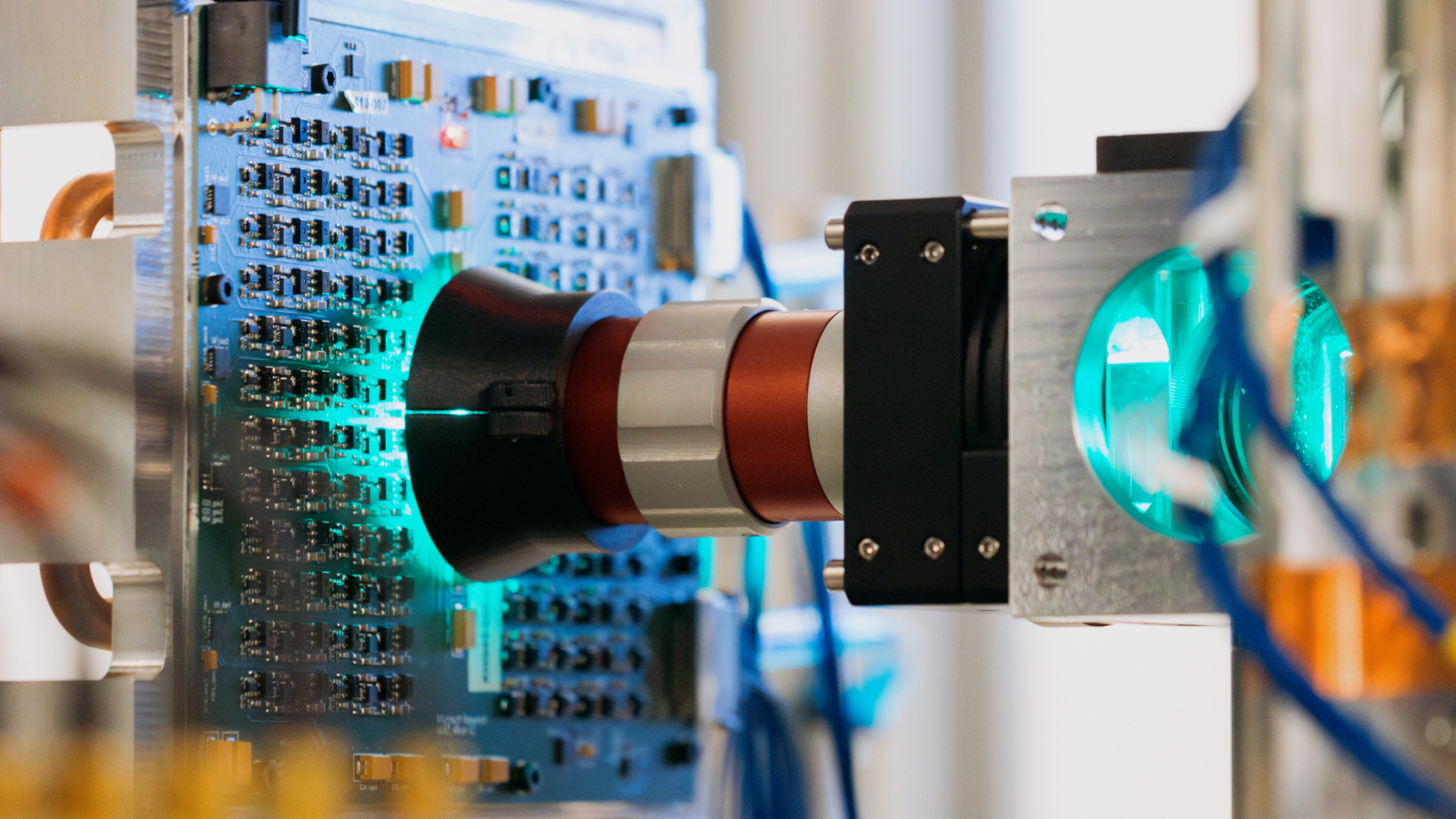
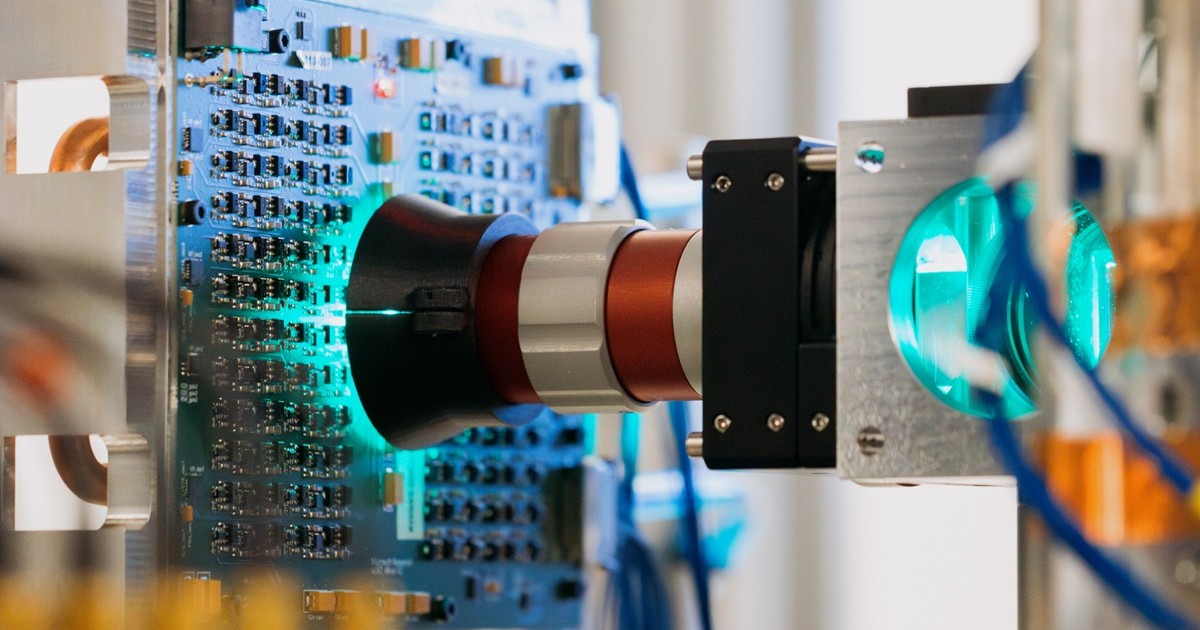
Microsoft Research has developed an analog optical computer (AOC) using commercially available parts that can solve complex optimization problems and run AI workloads more efficiently and faster than traditional digital computers. The AOC has demonstrated success in banking and healthcare applications, such as optimizing financial transactions and reconstructing MRI scans, with potential for future improvements and broader use. The project emphasizes collaboration and open sharing of algorithms and digital models to accelerate development and application of this innovative computing paradigm.

"Man Reverses Diabetes and Loses Weight with Digital Twin Technology"
health-and-technology1 year ago

"Man Reverses Diabetes and Loses Weight with Digital Twin Technology"

Devlin Donaldson, a CEO diagnosed with type 2 diabetes, reversed his condition and lost significant weight using a digital twin technology from Twin Health. The digital twin provided personalized health insights and real-time feedback on diet, exercise, and medication, leading to his diabetes remission and improved overall health. This precision medicine approach, which includes continuous glucose monitoring and other health tracking tools, is gaining traction for its effectiveness in managing chronic conditions.

"Creating a Digital Twin of Earth to Predict Natural Disasters"
science-and-technology2 years ago

"Creating a Digital Twin of Earth to Predict Natural Disasters"

Scientists have created a "digital twin" of Earth to simulate natural disasters and better understand the water cycle. This model, funded by the European Space Agency, uses high-resolution data from satellite observations to simulate best- and worst-case scenarios for natural disasters like flooding and landslides. The goal is to help forecast where these disasters could occur and improve water resource management. The scientists plan to expand the model to cover other regions and incorporate artificial intelligence to enhance its accuracy.

"Digital Twin Successfully Predicts and Controls Fusion Plasma in Groundbreaking Demonstration"
science-and-technology2 years ago

"Digital Twin Successfully Predicts and Controls Fusion Plasma in Groundbreaking Demonstration"

Researchers have successfully demonstrated the predictive control of fusion plasma using a digital twin control system that incorporates real-time observations and data assimilation. This new control approach, demonstrated at the Large Helical Device (LHD), allows for the accurate prediction and control of fusion plasma behavior, paving the way for advanced controls essential for the realization of fusion power generation. The system, developed by a research group led by Assistant Professor Yuya Morishita and Professor Sadayoshi Murakami of Kyoto University and other collaborators, is expected to become fundamental to fusion reactor control and has the potential to address other societal issues involving uncertain factors.

Unprecedented Scans Reveal New View of Titanic Wreckage.
science-and-technology2 years ago

Unprecedented Scans Reveal New View of Titanic Wreckage.

A team of scientists has used deep sea mapping to create "an exact 'Digital Twin' of the Titanic wreck for the first time," according to a press release from deep sea investigators Magellan and filmmakers Atlantic Productions. The project used 700,000 images to reconstruct the wreckage and historians believe it may provide some answers to the mysterious 1912 sinking of the luxury passenger liner that killed more than 1,500 people.

Unprecedented Scans Reveal Titanic Wreck in Stunning Detail.
technology2 years ago

Unprecedented Scans Reveal Titanic Wreck in Stunning Detail.

A team of scientists from Magellan Ltd. has created a "digital twin" of the Titanic, showing the wreckage of the doomed ocean liner with a level of detail that has never been captured before. The project yielded more than 16 terabytes of data, 715,000 still images, and a high-resolution video. The researchers used two submersibles to map "every millimeter" of the wreckage as well as the entire three-mile debris field. The new images have effectively removed the ocean water, allowing the wreckage to be viewed in "extraordinary detail."