Additives in Ultra-Processed Foods May Disrupt Gut Health and Drive Inflammation
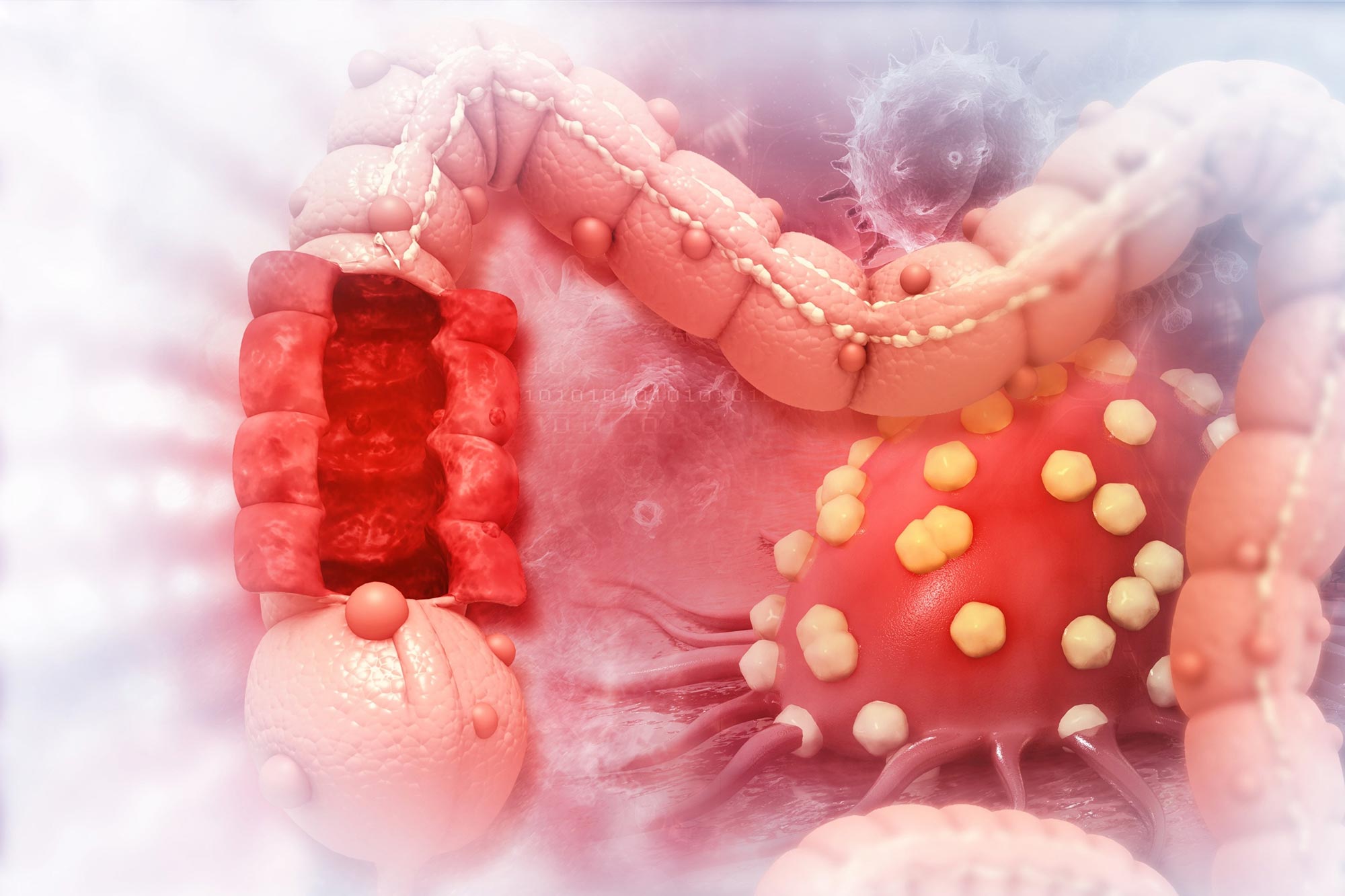
A review links common additives in ultraprocessed foods—emulsifiers, synthetic dyes, artificial sweeteners, maltodextrin, and titanium dioxide—to gut dysbiosis and a weakened intestinal barrier, potentially triggering inflammatory pathways and raising the risk of inflammatory bowel diseases. Diets rich in fiber and minimally processed foods support gut health by promoting butyrate-producing bacteria and barrier integrity, while NOVA classifications offer clinical guidance with noted limitations; experts emphasize that dose and overall dietary patterns matter more than processing alone.