Tag

Inbreeding

All articles tagged with #inbreeding

Ancient Saber-Toothed Cats Were Health-Compromised by Inbreeding, Study Says
science8 days ago

Ancient Saber-Toothed Cats Were Health-Compromised by Inbreeding, Study Says

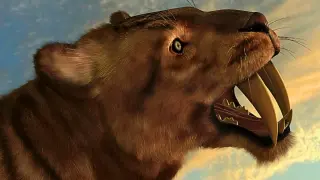
A study of more than 3,700 vertebrae from around 849 Smilodon fatalis individuals found widespread congenital defects—over 200 vertebral malformations, nearly 50 fused vertebrae, and signs of spinal nerve tumors—indicating severe inbreeding and genetic problems in the species before their extinction about 12,000 years ago. While DNA cannot be analyzed from these fossils, the findings from the La Brea Tar Pits suggest inbreeding may have contributed to the decline, highlighting risks faced by modern small populations facing habitat loss and climate change.
Sabertooth Smilodon Fatalis Suffered Inbreeding-Linked Spine Issues Before Extinction
science9 days ago

Sabertooth Smilodon Fatalis Suffered Inbreeding-Linked Spine Issues Before Extinction

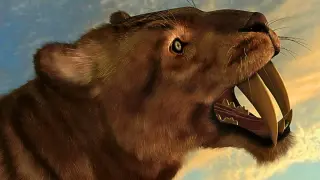
A 2026 Frontiers in Veterinary Science study of about 3,700 Smilodon fatalis vertebrae from the La Brea Tar Pits reveals widespread congenital vertebral malformations, fused vertebrae, and signs of spinal nerve tumors, suggesting inbreeding and health problems that may have contributed to the saber-toothed cat's decline and extinction, though no DNA evidence is preserved to confirm genetics.

Late Neanderthals Were Genetically Diverse, Challenging Inbreeding Doom Theory
science2 months ago

Late Neanderthals Were Genetically Diverse, Challenging Inbreeding Doom Theory

A high-resolution genetic study of 27 late Neanderthals from Belgium and France shows low inbreeding and widespread population connectivity, arguing that genetic deterioration was unlikely the main cause of their extinction. The findings suggest a diverse, interconnected NW European Neanderthal population amid ecological pressures and demographic shifts, with limited evidence of Neanderthal-to-human DNA transfer and a largely asymmetric flow of genes into modern humans.

Secrets Unearthed: Medieval Spain’s Hidden Underground Society Revealed
science5 months ago

Secrets Unearthed: Medieval Spain’s Hidden Underground Society Revealed

Archaeologists at the Las Gobas caves in northern Spain uncovered 33 skeletons from a secluded 7th–11th‑century troglodyte community that lived largely underground, showing widespread inbreeding, signs of violent trauma, and a smallpox outbreak likely spread through contaminated pork; isolation and resource pressures likely contributed to the site's abandonment by the late 11th century, after which the caves became a necropolis.

Bronze Age Southern Italy Community Revealed Through Archaeogenetics
archaeology-and-genetics8 months ago

Bronze Age Southern Italy Community Revealed Through Archaeogenetics

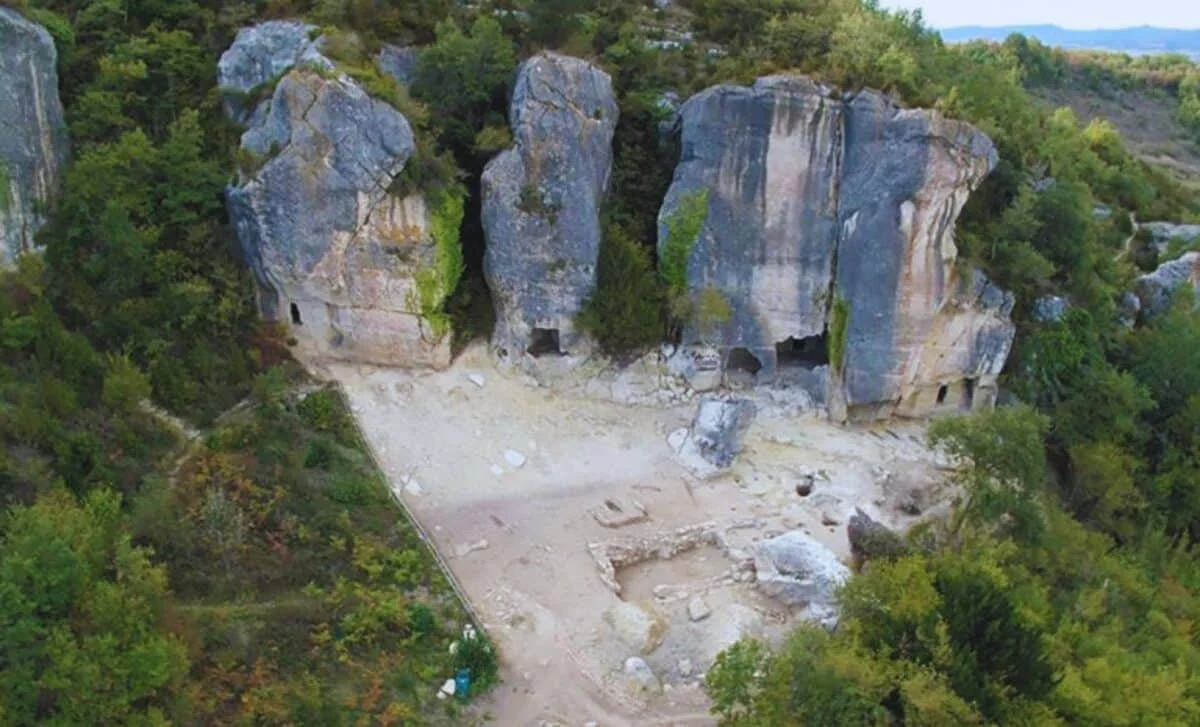
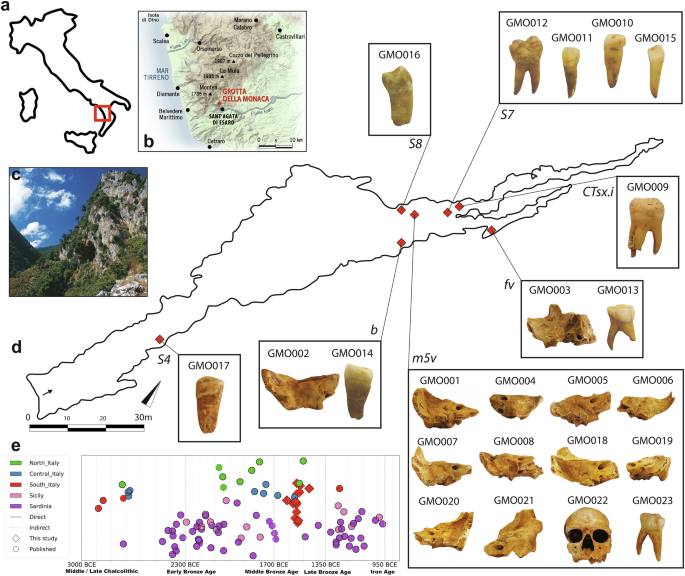
The study reconstructs the demography and social structure of a Middle Bronze Age community from Calabria, Southern Italy, revealing genetic continuity with Mediterranean populations, evidence of kinship and inbreeding, including a rare case of parent-offspring mating, and highlighting complex migration and interaction patterns in prehistoric Italy.

Inbreeding Threatens Michigan's Rare Eastern Massasauga Rattlesnakes
environment1 year ago

Inbreeding Threatens Michigan's Rare Eastern Massasauga Rattlesnakes

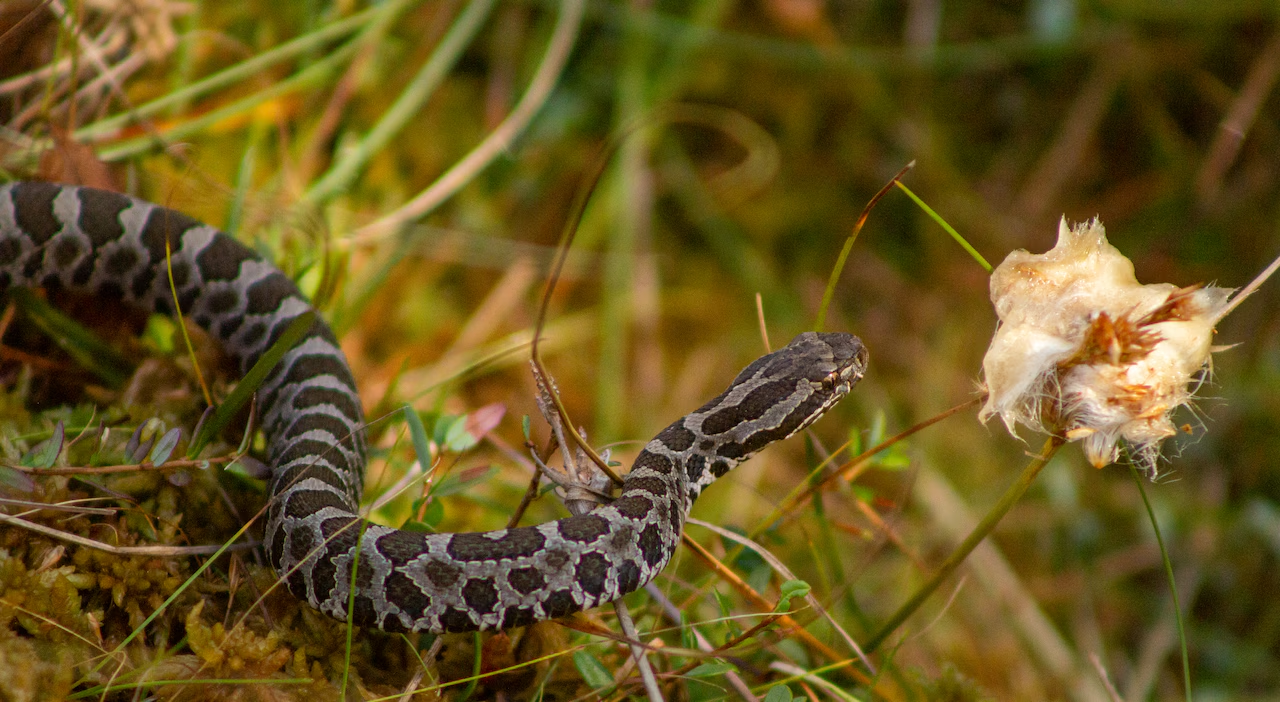
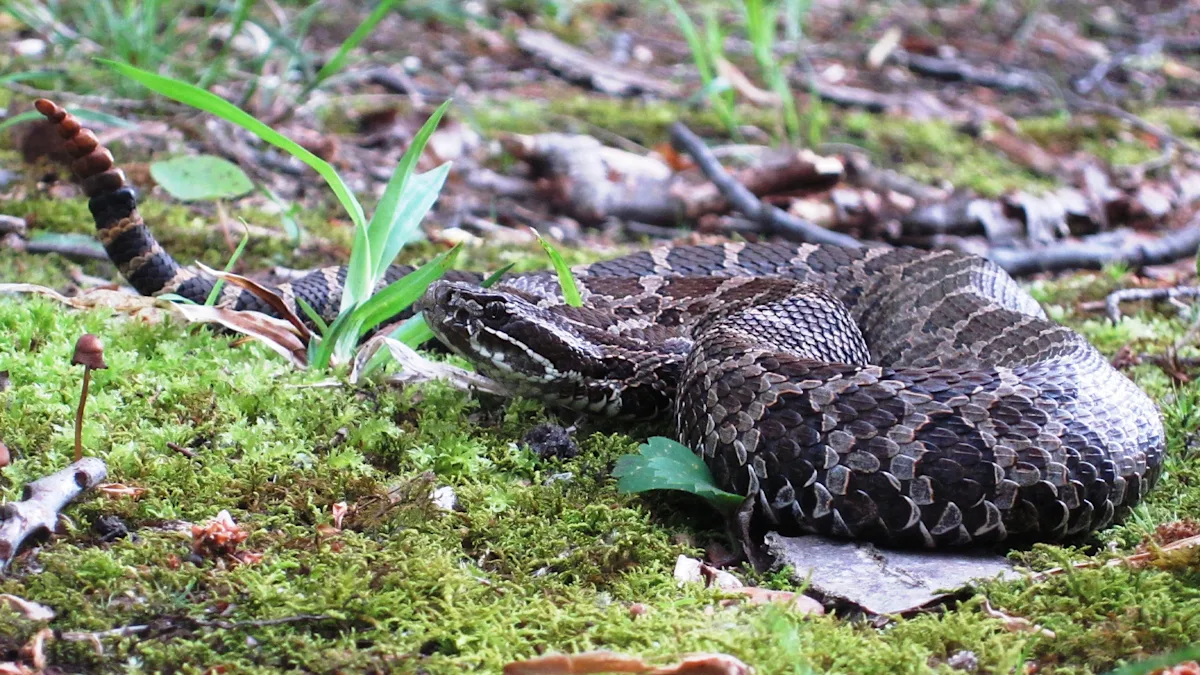
Research at Michigan State University reveals that habitat fragmentation is causing inbreeding among Michigan's eastern massasauga rattlesnake populations, leading to decreased reproductive success and survival rates, which threatens the species' future. Reconnecting habitats and other conservation efforts are recommended to mitigate these effects.

"Uncovering the Sophisticated Societies of Europe's Last Hunter-Gatherers"
archaeology2 years ago

"Uncovering the Sophisticated Societies of Europe's Last Hunter-Gatherers"

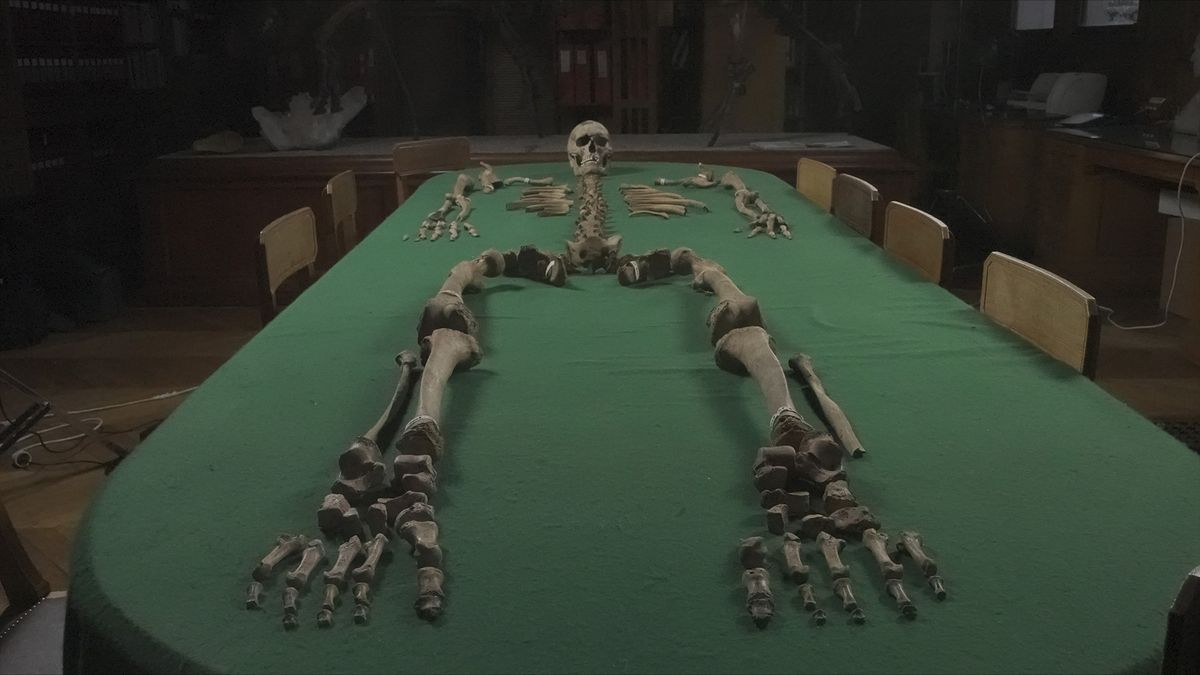
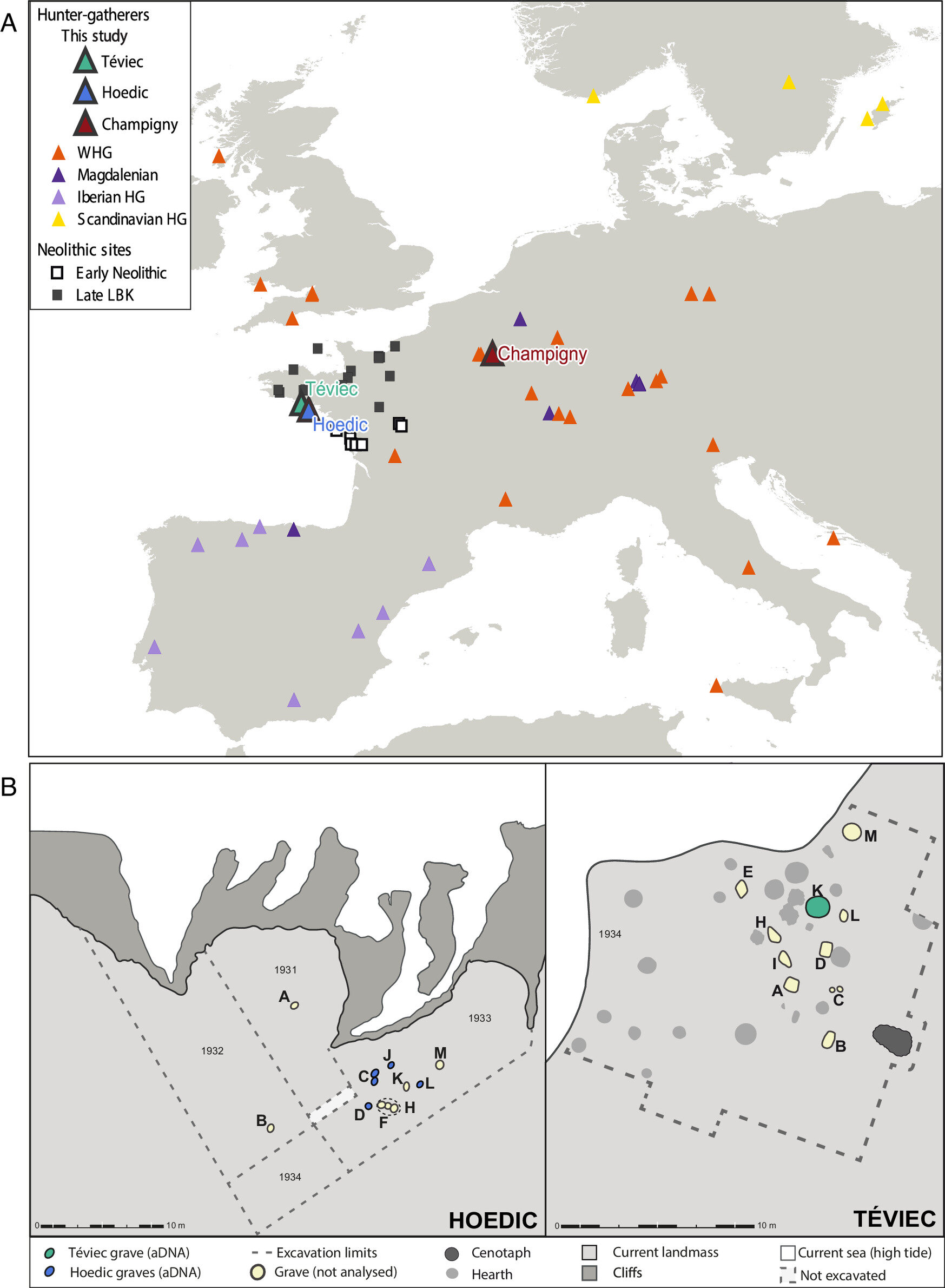
High-tech DNA analysis of 8,000-year-old hunter-gatherer skeletons in France suggests that these groups developed cultural strategies to avoid inbreeding, with little biological kinship among individuals buried together. The study sheds light on the complexity of hunter-gatherer societies during the Neolithic transition, challenging the notion of simplicity associated with such groups and highlighting the importance of social relationships that were not based on biological kinship.

"Stone Age Genetic Strategy for Inbreeding Avoidance Revealed"
archaeologygenetics2 years ago

"Stone Age Genetic Strategy for Inbreeding Avoidance Revealed"

A genetic study of Stone Age burial sites in Western Europe suggests that hunter-gatherer communities deliberately lived together in distinct social units to avoid inbreeding, despite the coexistence of Neolithic farming communities. The study, led by researchers from Uppsala University and French institutions, analyzed the genomes of individuals buried at iconic sites in France, revealing that the groups were generally not closely related and showed no signs of inbreeding. The findings provide new insights into the social dynamics of the last Stone Age hunter-gatherer populations in Western Europe.

"55 Fascinating Genetics Facts Shared by Netizens"
genetics2 years ago

"55 Fascinating Genetics Facts Shared by Netizens"

Genetics facts include the potential for storing data in DNA, the inbreeding of cheetahs, the impact of genetics on drug effectiveness, the complexity of genetic inheritance, and the influence of genetics on personal traits and health conditions. Additionally, the article highlights the challenges and advancements in genetic testing, the impact of genetics on cancer risk, and the diverse and dynamic nature of genetic research.

"New Research Identifies Dog Breeds at Higher Risk of Cancer"
pets-and-animals2 years ago

"New Research Identifies Dog Breeds at Higher Risk of Cancer"

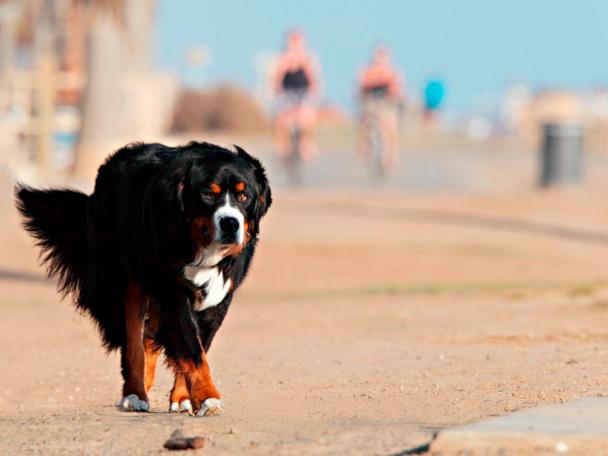
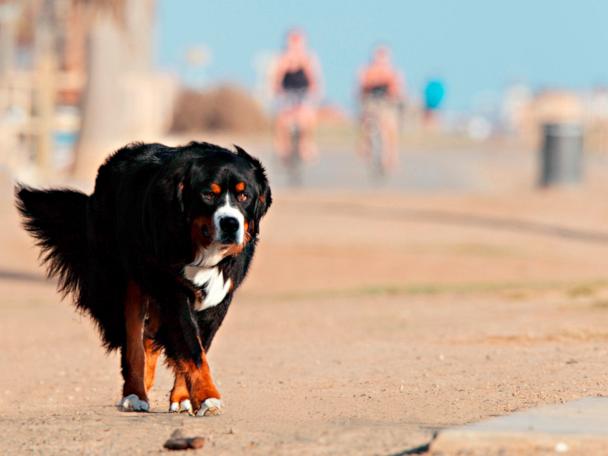
New research has identified specific dog breeds with a higher likelihood of developing cancer, challenging the belief that larger dogs are at greater risk. The study found that large, but not the largest, breeds generally have the highest cancer risk, with flat-coated retrievers, Bernese mountain dogs, and Westies being among the most prone. The findings offer insights into genetic mutations and inbreeding's impact on cancer risk in dogs, and could help track changes in cancer susceptibility among breeds in the future.

"Dogs at Higher Risk of Cancer: New Research Reveals Vulnerable Breeds"
health2 years ago

"Dogs at Higher Risk of Cancer: New Research Reveals Vulnerable Breeds"

New research has identified specific dog breeds with a higher likelihood of developing cancer, challenging the belief that larger dogs are at greater risk. The study found that large, but not the largest, breeds generally have the highest cancer risk, with flat-coated retrievers, Bernese mountain dogs, and Westies being among the most prone. The findings offer insights into genetic mutations and inbreeding's impact on cancer risk in dogs, and could help track changes in cancer susceptibility among breeds in the future.

"Insights from Blue Whale Genes Challenge Inbreeding Expectations"
science2 years ago

"Insights from Blue Whale Genes Challenge Inbreeding Expectations"

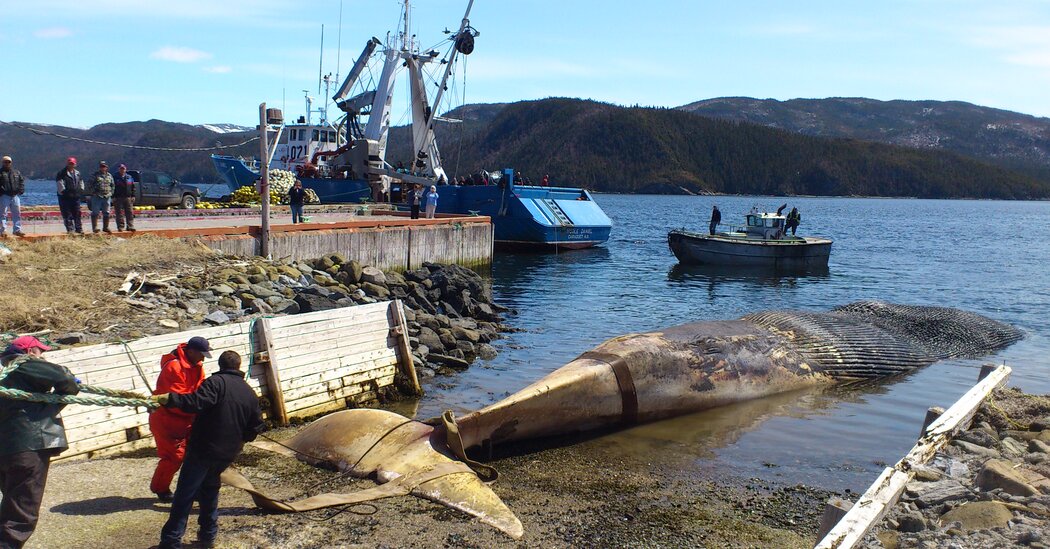
Genomic research on blue whale carcasses revealed surprising findings about the North Atlantic population, showing less inbreeding and more genetic variation than expected despite a history of industrial whaling. The study, published in Conservation Genetics, suggests that the long reproductive cycle of blue whales may have prevented a genetic bottleneck. With fewer than 3,500 adult blue whales remaining in the North Atlantic, the findings provide hope for the conservation of this endangered species.

"Study Reveals Alarming Inbreeding Rates in Adorable Wildcat Species"
wildlife-conservation2 years ago

"Study Reveals Alarming Inbreeding Rates in Adorable Wildcat Species"

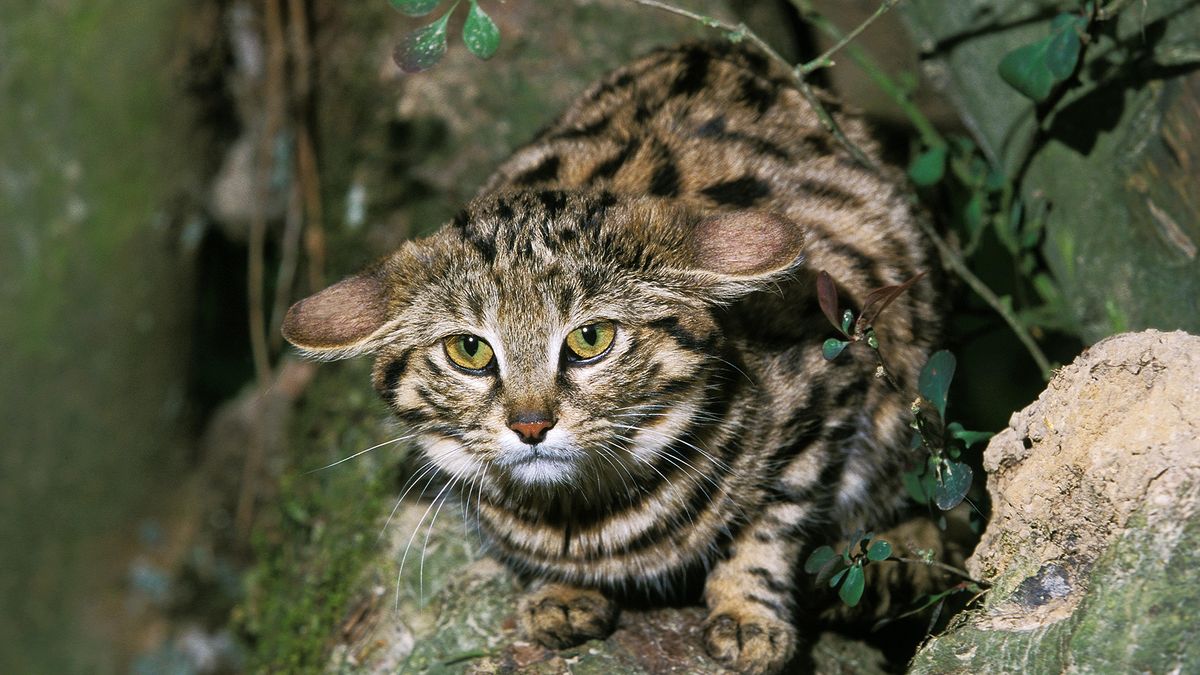
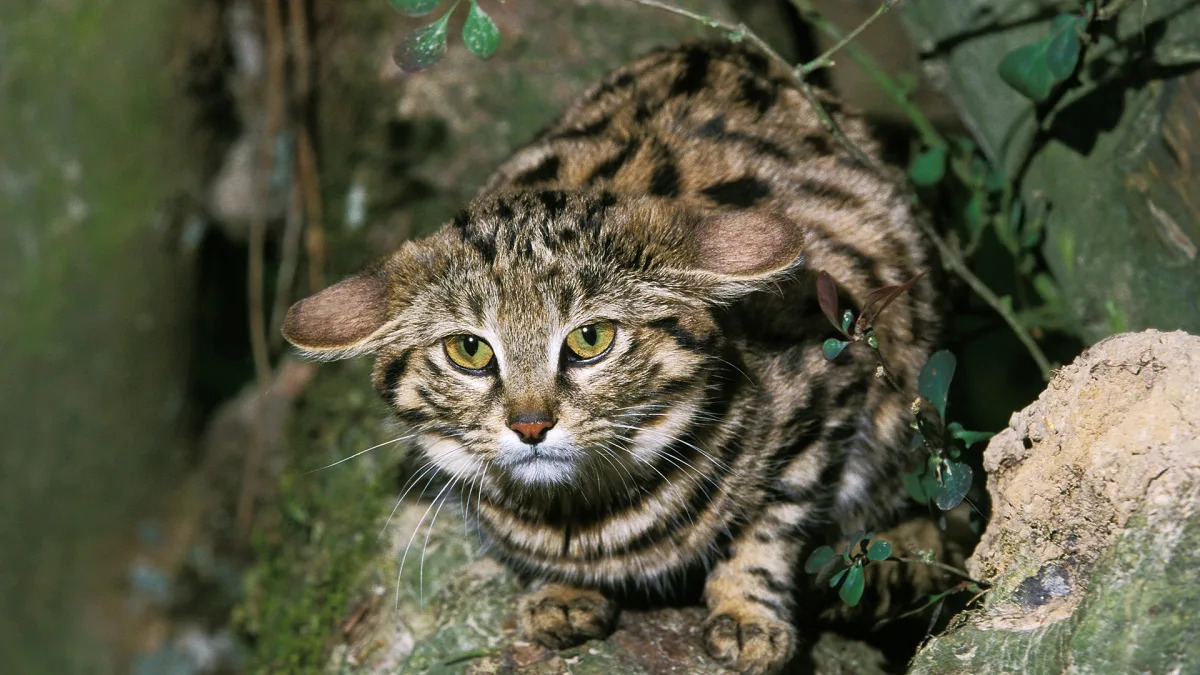
A study has found that black-footed cats, the smallest species of felid in Africa, are inbreeding at alarming rates due to habitat fragmentation, putting them at risk of a rare, deadly disease called amyloidosis. The researchers identified genetic markers of recent inbreeding events and linked this to a heightened risk of developing amyloidosis, which causes a protein build-up in organs and can be fatal. The study highlights the need for more research and conservation efforts to address the risks faced by small feline species like the black-footed cat.

"Study Reveals Alarming Inbreeding Rates in Adorable but Deadly Wildcat"
wildlife-conservation2 years ago

"Study Reveals Alarming Inbreeding Rates in Adorable but Deadly Wildcat"

A study has found that black-footed cats, the smallest and deadliest cats in Africa, are facing alarming levels of inbreeding due to genetic isolation caused by habitat fragmentation. This inbreeding increases the risk of developing amyloidosis, a rare and deadly disease that affects about 70% of the captive black-footed cat population. The researchers identified harmful gene variants associated with amyloidosis and emphasized the need for more conservation efforts and research on small feline species.