Tag

Mimicry

All articles tagged with #mimicry

Ancient Genetic Switch Shapes Wing Patterns Across Lepidoptera
science8 days ago

Ancient Genetic Switch Shapes Wing Patterns Across Lepidoptera

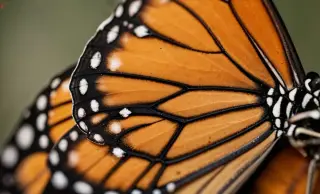
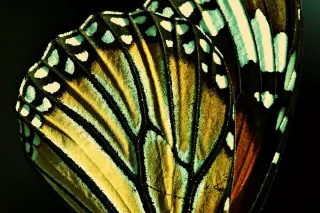
An international study finds that distantly related Lepidoptera rely on the same two genes, ivory and optix, controlled by regulatory switches, to produce identical wing color patterns across 120 million years of evolution, via Müllerian and Batesian mimicry; the work suggests evolution may be more predictable than previously thought, with mutation hotspots enabling rapid adaptation, including an inversion mechanism in some moths and genetic modification confirming the gene’s role in color.

Ancient Genetic Trick Shapes Butterfly and Moth Wing Patterns Across 120 Million Years
science14 days ago

Ancient Genetic Trick Shapes Butterfly and Moth Wing Patterns Across 120 Million Years

A new study published in PLOS Biology shows that seven butterfly lineages and a day‑flying moth, despite diverging up to 120 million years ago, repeatedly use the same genetic “cheat sheet”—regulatory switches in ivory and optix—to produce identical warning color patterns; moths can even mimic these patterns via DNA inversions. The findings suggest such mimicry is more predictable than previously thought and could help scientists forecast how species adapt to climate change.

Two Genes, 120 Million Years: Repeating Mimicry in Butterflies and Moths
science20 days ago

Two Genes, 120 Million Years: Repeating Mimicry in Butterflies and Moths

A study of neotropical butterflies and a day-flying moth shows that the same two genes, ivory (a long noncoding RNA) and optix (a transcription factor), underlie similar wing color patterns across species separated by over 120 million years, with regulatory changes near ivory driving the variation. In the moth Chetone histrio, a chromosomal inversion including ivory mirrors a butterfly inversion, suggesting recurrent use of a shared genomic toolkit that constrains evolutionary pathways and could help predict responses to environmental change.

Ancient genetic playbook drives mimicry in butterflies and moths
science21 days ago

Ancient genetic playbook drives mimicry in butterflies and moths

An international study of seven butterfly lineages and a day-flying moth finds that, despite deep evolutionary splits, the same two genes (ivory and optix) and their regulatory switches underlie nearly identical warning color patterns, suggesting evolution has used a conserved genetic 'cheat sheet' for over 120 million years and may be more predictable than previously thought.

A Shared Genetic Playbook Drives Butterfly and Moth Color for 120 Million Years
biology22 days ago

A Shared Genetic Playbook Drives Butterfly and Moth Color for 120 Million Years

Researchers found that distantly related butterflies and a day-flying moth repeatedly rely on the same two genes, ivory and optix, to produce warning coloration. Rather than changing the genes themselves, evolution tweaks regulatory switches that control when and where these genes are active, a pattern conserved across seven butterfly lineages and a moth for over 120 million years. This suggests evolution may be more predictable than previously thought and could help scientists anticipate future adaptations, with findings published in PLoS Biology.

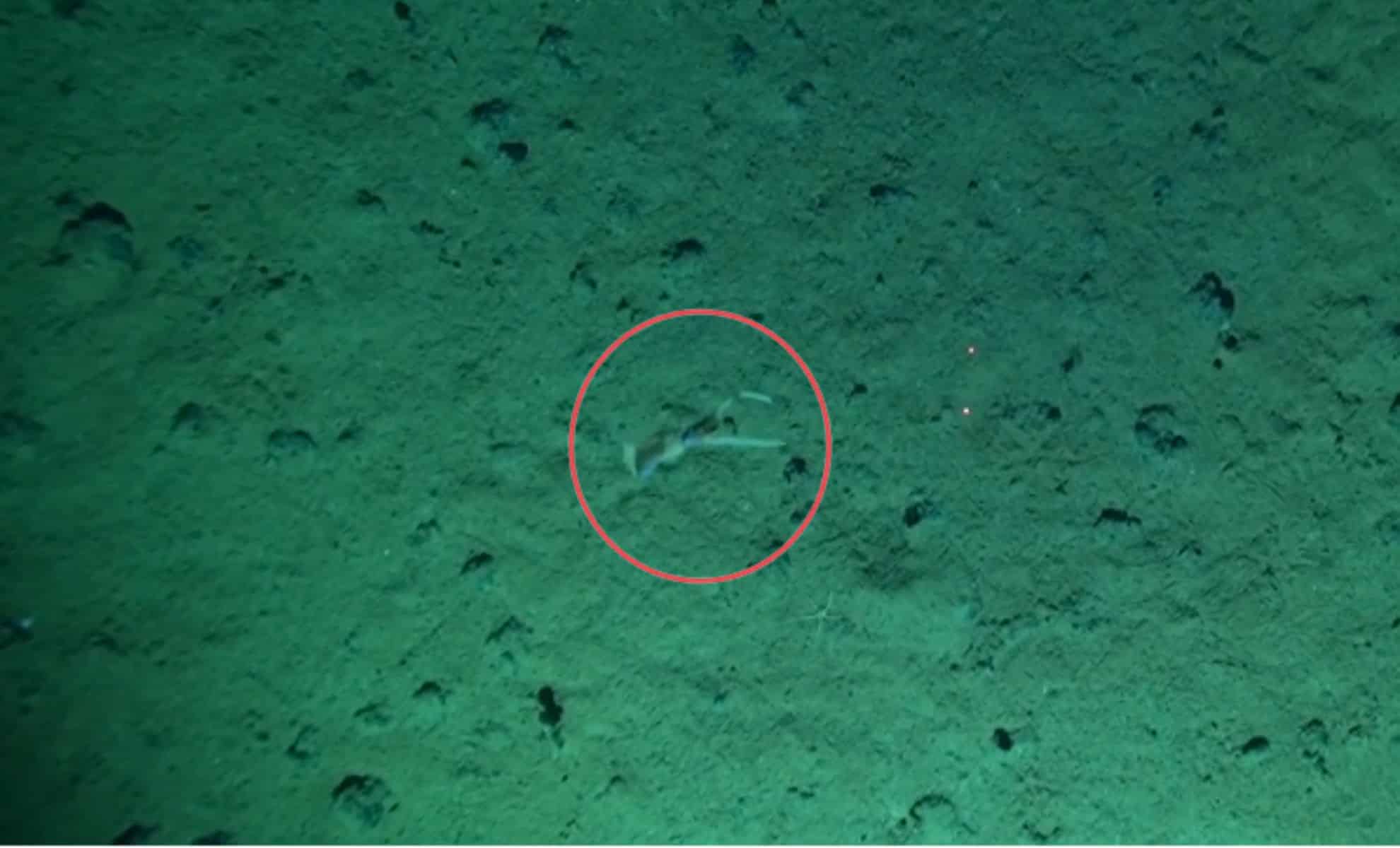
Deep-Sea Squid Uses Bizarre Camouflage and Burying Tricks to Hide or Hunt
science5 months ago

Deep-Sea Squid Uses Bizarre Camouflage and Burying Tricks to Hide or Hunt

Researchers discovered a deep-sea squid in the Clarion-Clipperton Zone exhibiting unprecedented mimicry behavior, blending into its surroundings by imitating sea sponges or coral stalks, which may serve as a survival tactic against predators or for hunting. This finding highlights the complex adaptations of abyssal creatures and underscores the need for conservation amid threats like seabed mining.

Quick Tips to Improve Instantly
self-improvement9 months ago

Quick Tips to Improve Instantly

The article explores how adopting the mindset of better or more competent individuals through mimicry can instantly improve skills and performance across various tasks, emphasizing that humans learn and excel by imitating and internalizing the behaviors and strategies of others, often surpassing perceived limits by setting higher standards than those around us.

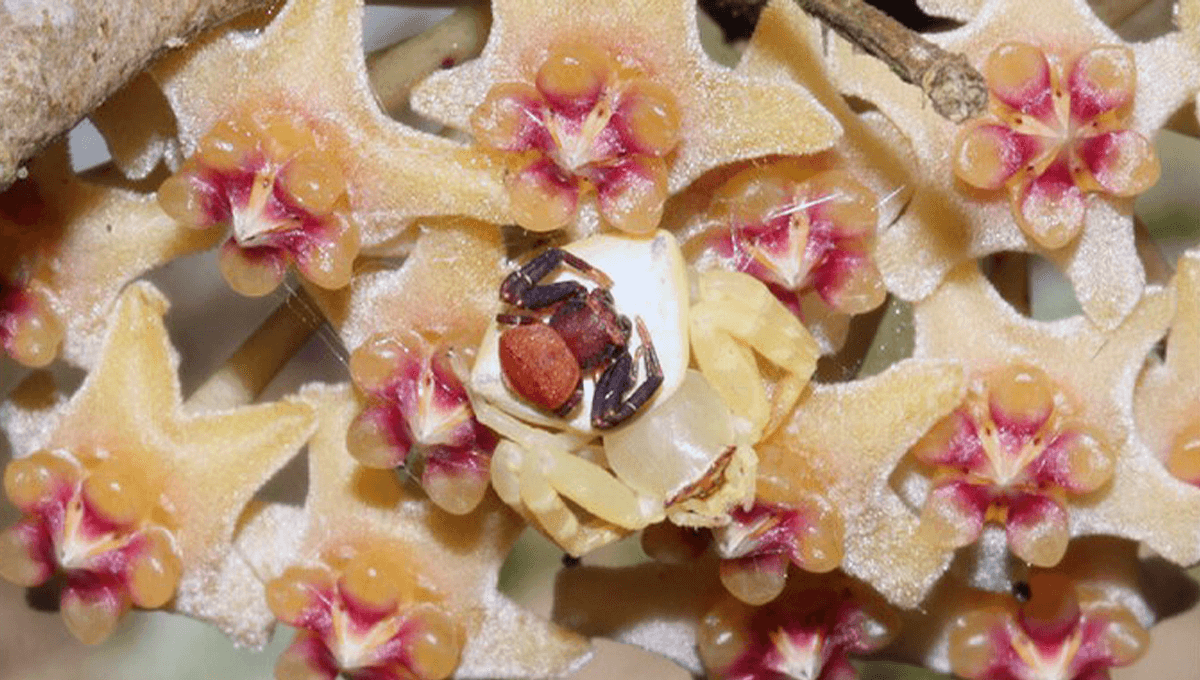
"Male and Female Spiders Team Up to Perfectly Mimic Flower, Fooling Prey and Predators"
nature2 years ago

"Male and Female Spiders Team Up to Perfectly Mimic Flower, Fooling Prey and Predators"

Researchers in a tropical rainforest in China observed a male and female crab spider, Thomisus guangxicus, resembling a complete flower, potentially exhibiting cooperative mimicry. The larger female spider mimics the petals of the Hoya pandurata plant, while the male perched on top resembles the flower's pistils and stamens. This behavior may help them avoid predation and improve male survival during the mating process. The study suggests that this could be the first known case of cooperative mimicry in the world, providing insights into the remarkable mimicry and ambush skills of crab spiders.

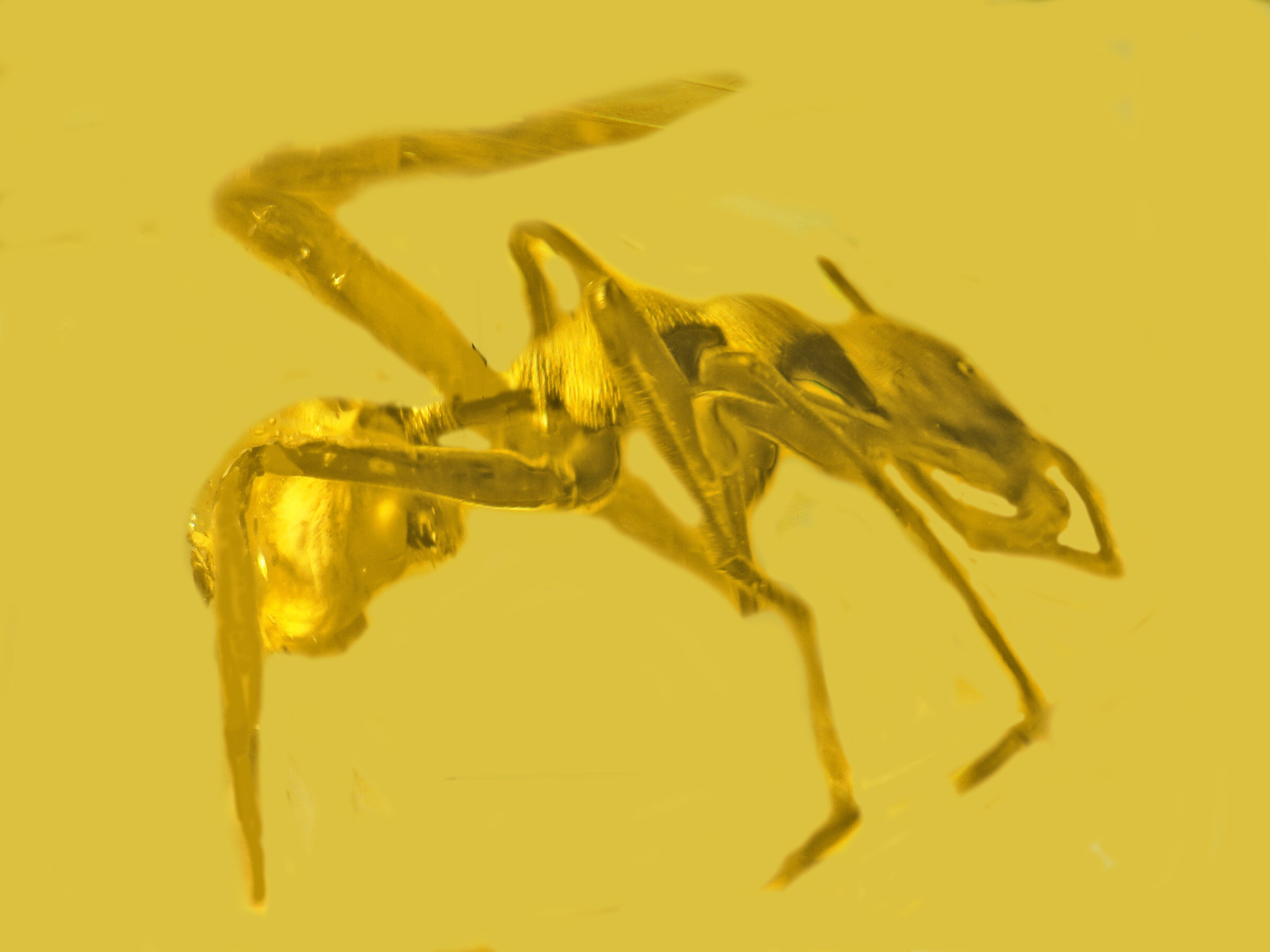
"Rare Resin Fossil Reveals Spider Mimicking Ant Behavior"
paleontology2 years ago

"Rare Resin Fossil Reveals Spider Mimicking Ant Behavior"

Paleobiologist George Poinar Jr. has uncovered a rare find of a spider fossilized in resin, which he named Myrmarachne colombiana, that mimics the appearance of an ant. This discovery sheds light on the evolutionary strategy of certain spider species to deceive predators by resembling less desirable prey. The fossil, found in copal from Colombia, provides insight into the complex adaptations and behaviors of these ant-mimicking spiders, challenging previous notions about the origins of insect habits and suggesting a level of reasoning and intelligence in their mimicry.

"Crafty Spider Tactics for Luring Prey"
biology2 years ago

"Crafty Spider Tactics for Luring Prey"

Spiders have evolved various crafty techniques to lure in their prey, including using their looks, scent, and touch to trick unsuspecting invertebrates. Some spiders create intricate webs with thick white silk bands to attract prey, while others use bright colors and patterns to mimic flowers and dazzle insects. Certain spiders rely on scent signals or pretend to be stuck in their prey's web to lure them out, while others imitate the mating behavior of their prey's potential mate. These complex behaviors showcase the impressive and diverse ways in which spiders use lures to capture their food.

"Zoo's Group Therapy for Swearing Parrots"
animal-behavior2 years ago

"Zoo's Group Therapy for Swearing Parrots"

Foul-mouthed parrots at U.K.’s Lincolnshire Wildlife Park, known for their ability to swear, will undergo group therapy by being introduced to a larger group of proper parrots in the hope of curbing their cursing, as experts believe parrots easily mimic swear words due to their tone and context. The park acknowledges the risk of the bad habits rubbing off on the larger group.