Tag

Muscle

All articles tagged with #muscle

Vitamin B12: A Hidden Regulator of Metabolism and Aging, Cornell Study Finds
science19 days ago

Vitamin B12: A Hidden Regulator of Metabolism and Aging, Cornell Study Finds

A Cornell study shows vitamin B12 influences skeletal muscle energy production and metabolism, linking suboptimal B12 status—common among older adults—to reduced muscle mass and potential aging risk; researchers suggest B12 biomarkers could enable precision nutrition, though findings come from cell models and aged mice and require human trials.

Creatine's true payoff hinges on baseline stores, dosing, and biology
fitness23 days ago

Creatine's true payoff hinges on baseline stores, dosing, and biology

Creatine has potential benefits for muscle and brain health, but its effects vary by baseline stores (lower in women, older adults, and vegetarians may see bigger gains), dose/absorption (3–5 g daily maintenance; carbs can boost uptake; no extra benefit from very high doses due to saturation), and individual physiology. It's not a magic bullet and should accompany proper training and nutrition.

Protein Hype vs. Science: Most People Don’t Need More—Fiber and Balance Matter
health1 month ago

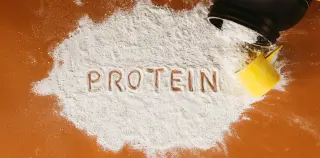
Protein Hype vs. Science: Most People Don’t Need More—Fiber and Balance Matter

Stanford Medicine experts say the protein hype is overblown: most adults already meet protein needs, and simply eating more isn’t a universal fix. For some groups, about 1.2–1.6 g/kg may help preserve muscle (notably older adults or those losing weight), but resistance training matters more. The newer guidelines may emphasize protein, yet fiber and plant-based foods remain essential; the myth of incomplete plant proteins is debunked, and timing or post-workout protein is less critical than overall diet.

Magnesium: Most People Don’t Need Supplements—Here’s Why
health1 month ago

Magnesium: Most People Don’t Need Supplements—Here’s Why

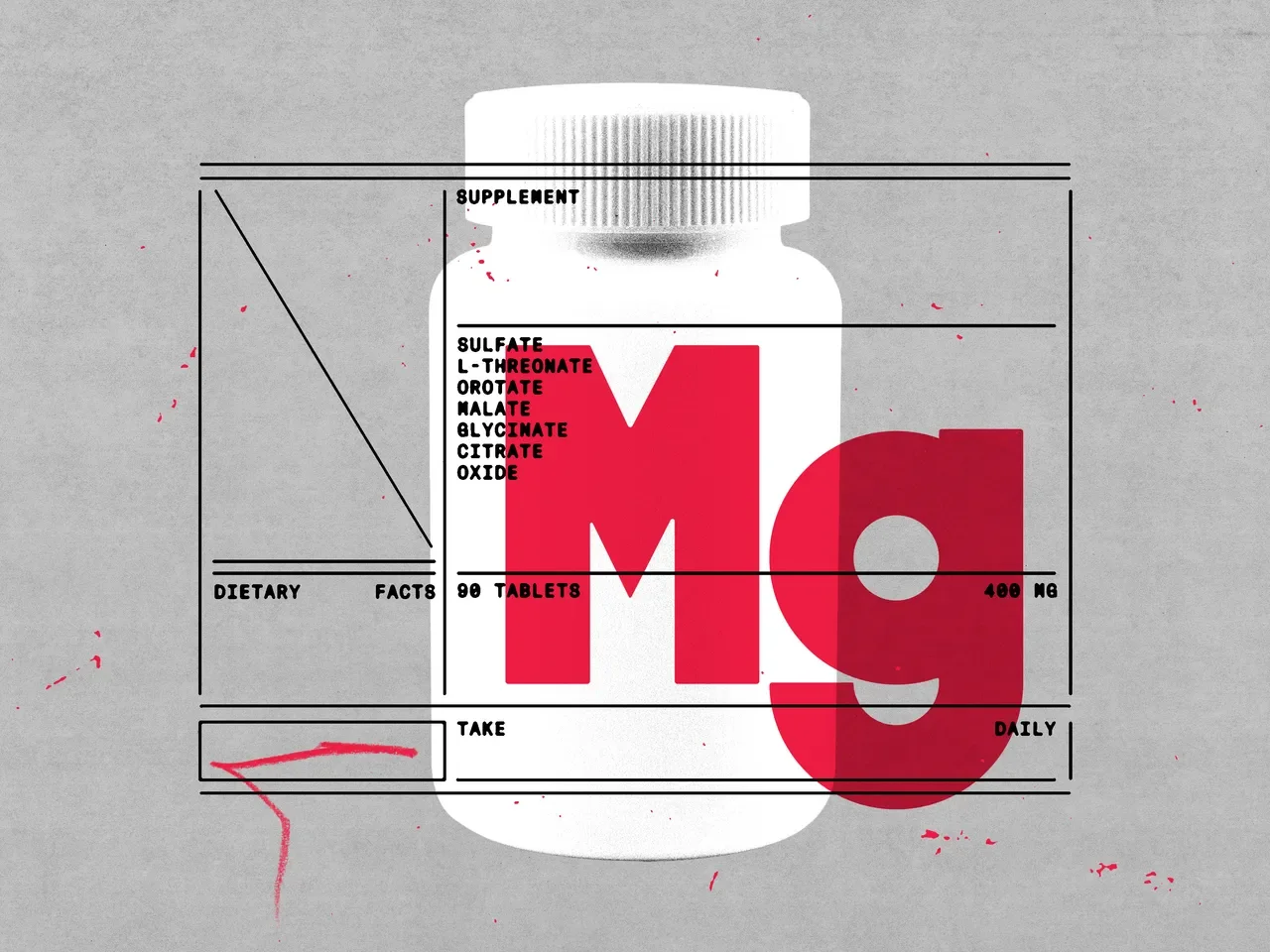
Magnesium is essential for sleep, nerves, hormones, and muscles, but most adults get enough from a varied diet, so unnecessary daily supplementation isn’t advised and can be risky in excess. Supplements may help only in specific cases—such as a confirmed deficiency or high sweat loss in athletes—under medical guidance, with different forms serving different needs (glycinate for muscles, L‑threonate for brain). Aim for about 400–420 mg per day for healthy men unless a clinician directs otherwise.

Space Gravity Threshold: 0.67 g Keeps Mice’s Muscles Strong in Orbit
science2 months ago

Space Gravity Threshold: 0.67 g Keeps Mice’s Muscles Strong in Orbit

NASA/JAXA researchers studied 24 mice aboard the ISS under four gravity levels (microgravity, 0.33 g, 0.67 g, and 1 g) and found that muscle strength declines when gravity falls below 0.67 g even if muscle size stays the same; the soleus muscle is particularly gravity-sensitive. At 0.67 g, grip strength remains near Earth-normal, but it weakens below that threshold. The results suggest Mars’ 0.38 g environment may not by itself preserve muscle during long missions, underscoring the need for exercise or other countermeasures, with translation to humans to be determined by further research.

Exercise blocks aging muscle decline by silencing a key protein driver
health4 months ago

Exercise blocks aging muscle decline by silencing a key protein driver

New research shows that exercise helps prevent age-related muscle loss by suppressing the DEAF1 transcription factor that drives protein imbalance and triggering protective FOXO genes, which restore cellular repair and protein recycling. This balances mTORC1 activity to support maintenance rather than degeneration, with both resistance and aerobic training beneficial and a combination offering the greatest benefit. It’s never too late to start—regular activity can help older adults stay stronger and more mobile.

Debunking Common Vegetarianism Myths
health-and-wellness7 months ago

Debunking Common Vegetarianism Myths

The article debunks common myths about vegetarianism, emphasizing that plant-based diets can provide sufficient protein, energy, and muscle-building nutrients, are budget-friendly, socially adaptable, and not all-or-nothing. It encourages starting with small changes, planning for key nutrients like iron and B12, and viewing diet as a supportive tool rather than a perfectionist pursuit.

The Benefits of Daily Walking for Fitness and Health
health-and-fitness7 months ago

The Benefits of Daily Walking for Fitness and Health

Walking is a low-impact, accessible activity that boosts overall health, enhances creativity, reduces stress, and supports brain growth, but it doesn't significantly build muscle size unless combined with resistance training or increased intensity like rucking. It primarily helps burn fat and improve cardiovascular health, making it a valuable foundation for physical activity, though for muscle gain, additional strength training is recommended.

Experts Warn Against Overdoing Protein Intake Amid Cultural Obsession
health8 months ago

Experts Warn Against Overdoing Protein Intake Amid Cultural Obsession

Most people in developed countries already consume enough protein, and excess intake offers little benefit without regular strength training. Experts recommend focusing on a balanced diet rich in whole foods like fruits, vegetables, nuts, and fish, rather than obsessing over protein grams or relying on processed protein supplements. Adequate protein is essential for health, but overconsumption can lead to fat gain and increased health risks, especially without physical activity.

Experts Warn Against Overdoing Protein Intake Amid Growing Cultural Obsession
health8 months ago

Experts Warn Against Overdoing Protein Intake Amid Growing Cultural Obsession

Most people in developed countries already consume sufficient protein, and excess intake offers little benefit without regular strength training. Experts recommend focusing on a balanced diet rich in whole foods like fruits, vegetables, nuts, and fish, rather than obsessing over protein grams or relying on processed protein supplements. Adequate protein is essential for health, but overconsumption can lead to fat gain and increased health risks, especially without physical activity.

Experts Warn Against Overdoing Protein Intake Amid Cultural Obsession
health8 months ago

Experts Warn Against Overdoing Protein Intake Amid Cultural Obsession

Most people in developed countries already consume sufficient protein, and excess intake is unnecessary and potentially harmful without regular strength training. Experts recommend focusing on a balanced diet rich in whole foods like fruits, vegetables, nuts, legumes, and moderate animal products, rather than obsessing over protein grams or relying on processed protein supplements.