Tag

Muscle Loss

All articles tagged with #muscle loss

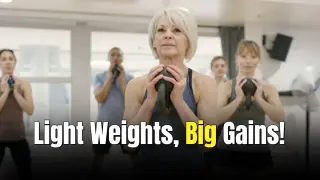
Short daily resistance routines may be enough to preserve muscle for adults over 40
health1 month ago

Short daily resistance routines may be enough to preserve muscle for adults over 40

Fitness experts argue that adults over 40 can maintain muscle and mobility with just 10 minutes of daily resistance training, rather than long gym sessions. This approach is particularly relevant for users of GLP-1 weight-loss medications who risk losing lean mass. While some experts emphasize daily consistency, others suggest that two to three sessions per week are sufficient for maintenance.

Experts and athletes converge on strength training as the key to aging independence
health-and-fitness2 months ago

Experts and athletes converge on strength training as the key to aging independence

Fitness professionals and longevity experts emphasize that consistent strength training, rather than weight loss or cardio alone, is critical for maintaining independence and health into old age. While some focus on individual habits, others highlight community programs and the metabolic benefits of muscle mass.

Starting strength training after 60: A practical guide to building muscle and bone density
health-and-fitness2 months ago

Starting strength training after 60: A practical guide to building muscle and bone density

Experts emphasize that starting strength training after 60 is critical for preserving bone density and muscle mass, which naturally decline from the 30s and 40s. Beginners should start with bodyweight exercises like squats, wall push-ups, and wall sits, progressing to light dumbbells or resistance bands. Consistency is key, with sessions starting at 10 minutes and gradually increasing in intensity to improve mobility, posture, and joint health.

Muscle Power Decline Starts in the 40s, but Resistance Training Can Reverse the Trend
health-and-fitness2 months ago

Muscle Power Decline Starts in the 40s, but Resistance Training Can Reverse the Trend

Muscle strength declines rapidly starting in the 40s, but experts emphasize that it is never too late to rebuild power through resistance training. While early signs like slower walking speeds often precede formal diagnoses, consistent strength work and adequate protein intake are key to preserving independence.

GLP-1 Users Face Declining Activity and High Sedentary Time, Studies Show
health3 months ago

GLP-1 Users Face Declining Activity and High Sedentary Time, Studies Show

New data indicates that patients on GLP-1 weight-loss drugs often experience decreased physical activity and increased sedentary time, contrary to expectations that weight loss would facilitate easier movement. A retrospective study of 753 participants found significant drops in daily steps and moderate-to-vigorous activity after starting treatment. Another analysis of 298 participants revealed that over half failed to meet recommended exercise guidelines, with sedentary time averaging nearly 16 hours daily. Experts suggest these trends may stem from reduced energy availability, side effects, or loss of lean muscle mass, highlighting the need for proactive clinical support to maintain activity levels during medication use.

Easy Habits to Slow Age-Related Muscle Loss
lifestyle4 months ago

Easy Habits to Slow Age-Related Muscle Loss

A Yahoo Life video outlines practical, low-cost steps to slow age-related muscle decline: engage in twice-weekly strength training using bodyweight, resistance bands, or light dumbbells; incorporate walking as a complement; perform higher-repetition sets with lighter weights to build muscle similar to heavy lifting; ensure adequate protein and hydration, and note that menopause can accelerate muscle loss without these routines.

GLP-1 Weight Loss Primarily Shrinks Fat, Not Muscle, Study Finds
health6 months ago

GLP-1 Weight Loss Primarily Shrinks Fat, Not Muscle, Study Finds

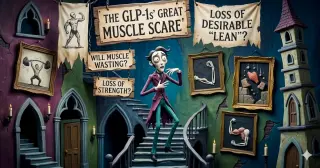
A new study combining mouse experiments and a small human trial finds GLP-1 obesity drugs primarily reduce fat with only modest lean-mass loss, much of which reflects non-muscle tissue such as liver fat. Muscle strength and function are largely preserved, especially with regular exercise, and DXA measurements can misclassify lean tissue. The takeaway is that fat loss drives the benefit and functional outcomes matter more than absolute muscle size.

0.67 g Threshold: A Gravity Benchmark for Sustaining Muscles in Space
space8 months ago

0.67 g Threshold: A Gravity Benchmark for Sustaining Muscles in Space

A study on mice aboard the ISS exposed them to 0.33 g, 0.67 g, and 1 g for up to 28 days to assess muscle atrophy. It found 0.67 g is the threshold below which muscles deteriorate, while 0.33 g preserved muscle but changed fiber composition; while humans may share a similar threshold (roughly 0.5–0.75 g) based on parabolic-flight data, Moon and Mars gravity (0.17 g and 0.38 g) would likely require artificial gravity or stronger countermeasures for long missions, with further research needed to refine the human threshold and inform NASA's Artemis-era plans.

After 50, Fasting Might Backfire, Doctors Warn
health9 months ago

After 50, Fasting Might Backfire, Doctors Warn

Doctors warn that extreme fasting or overly restrictive diets can harm health, especially after age 50, by causing malnutrition, hormonal imbalance, muscle and bone loss, fatigue, and dizziness; intermittent fasting may help some, but sustainable, nutrient-rich calorie reduction is more reliable for long-term health, mobility, and quality of life.

Ozempic muscle-loss risk prompts medical guidance for mitigation
health10 months ago

Ozempic muscle-loss risk prompts medical guidance for mitigation

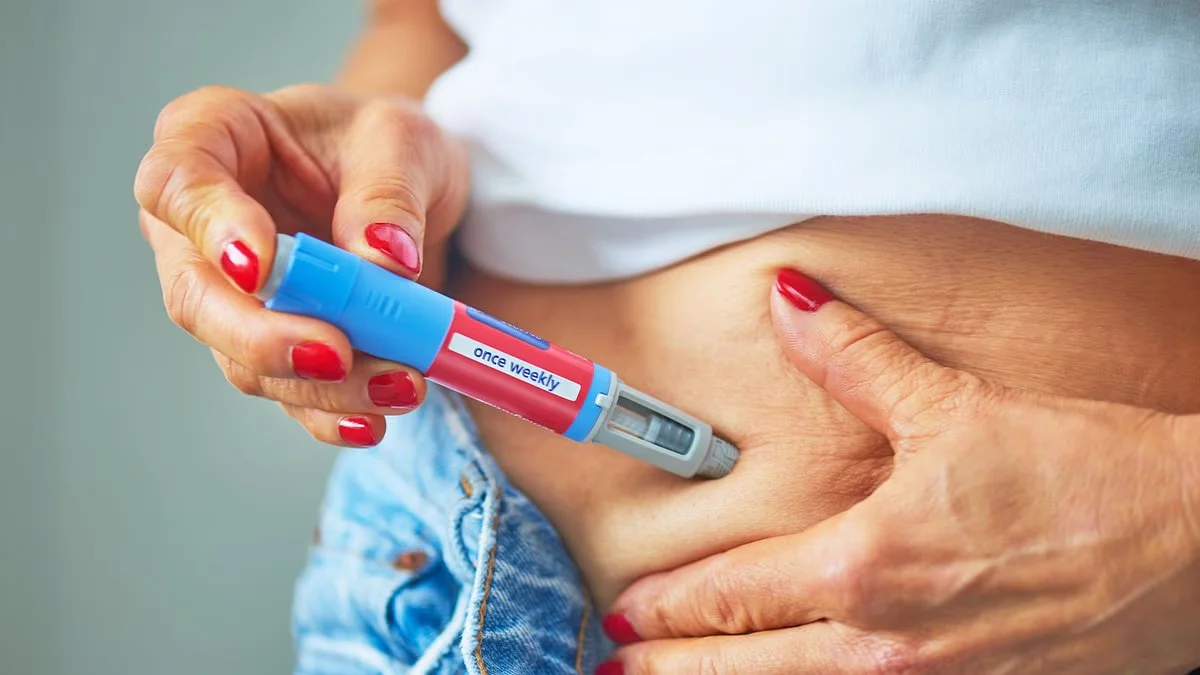
Health experts warn that GLP-1 weight-loss drugs like Ozempic can cause substantial lean-mass loss in a sizable portion of users, potentially accelerating sarcopenia and increasing fall risk, especially among older adults; however, doctors advise mitigating strategies such as high-protein diets, regular strength training, and close medical follow-up to preserve muscle while maintaining weight-loss benefits.