Tag

Pareidolia

All articles tagged with #pareidolia

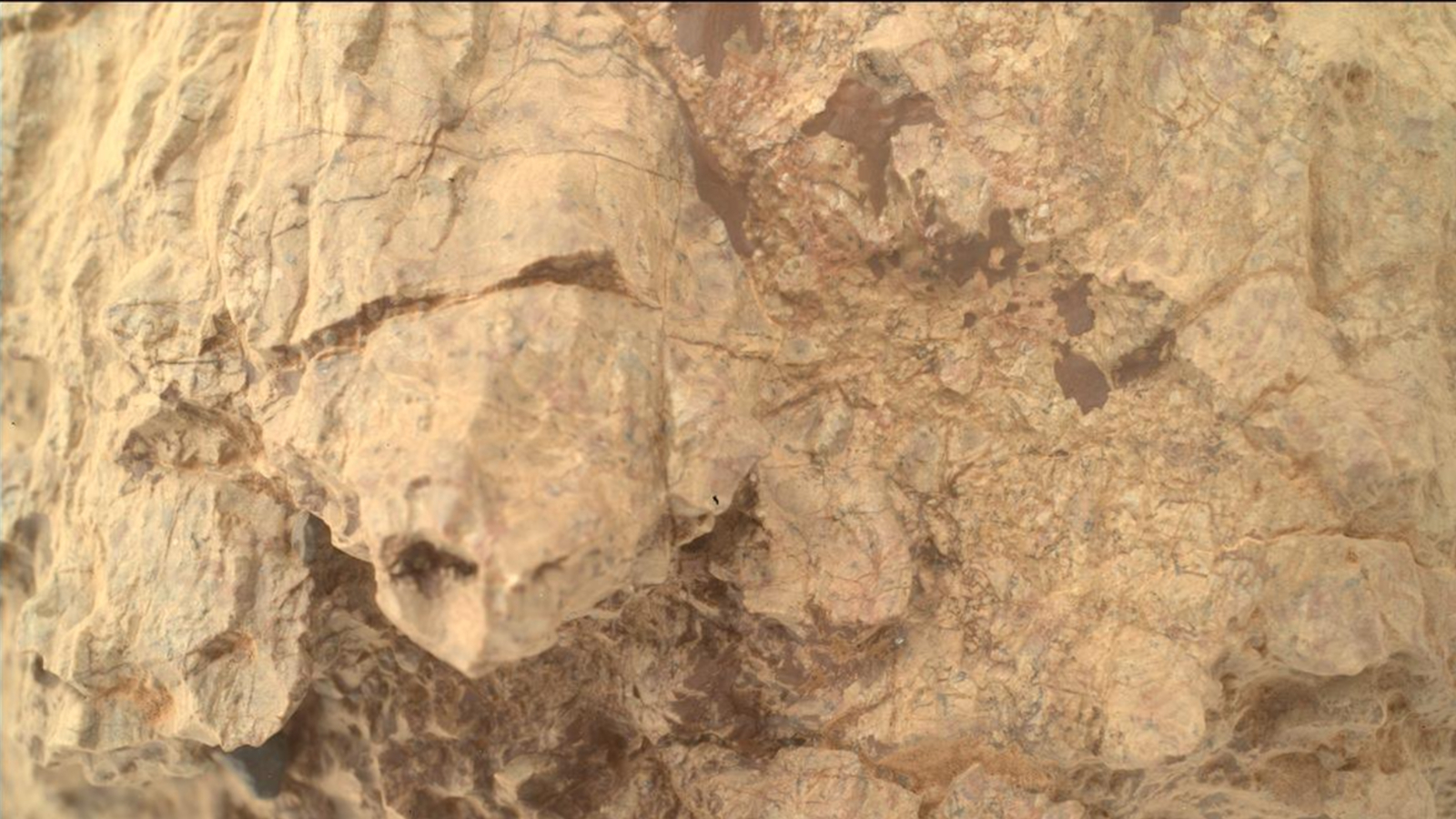
Perseverance captures Mars rock that eerily resembles a dinosaur skull
science1 month ago

Perseverance captures Mars rock that eerily resembles a dinosaur skull

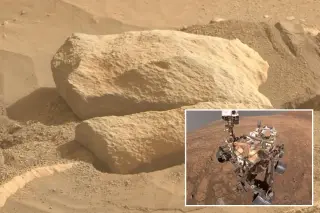
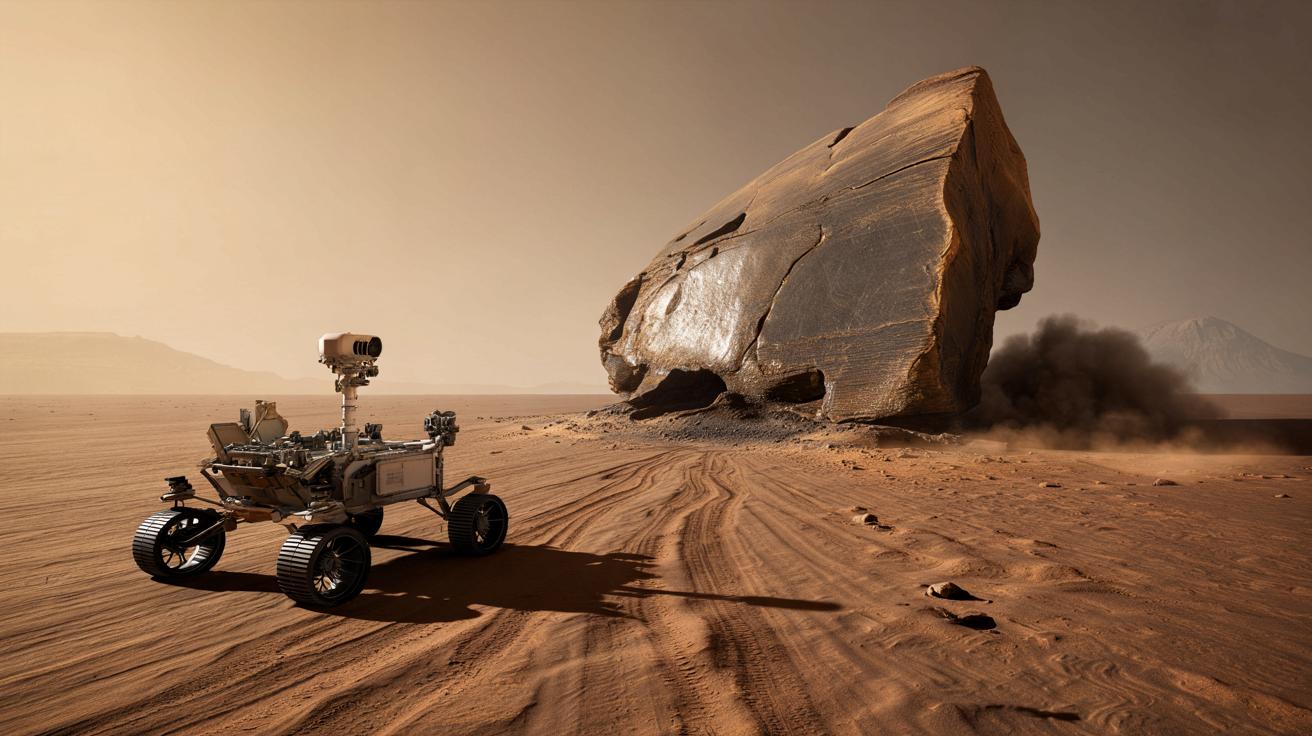
NASA's Perseverance rover photographed a rock in Jezero Crater on Mars that bears a striking resemblance to a dinosaur skull, sparking public fascination and highlighting pareidolia as people see familiar shapes in random geology; the image was taken on April 18 and adds to a pattern of Mars rocks that resemble animals or objects in other public appearances.

Mars Life Claims Spark Debate as Curiosity Images Are Analyzed for Insects and Reptiles
science1 month ago

Mars Life Claims Spark Debate as Curiosity Images Are Analyzed for Insects and Reptiles

An Ohio University entomologist analyzes Curiosity rover images and claims to see winged insects and reptile-like fossils on Mars, suggesting a possible ecosystem. NASA’s published findings do not confirm macroscopic life, and many scientists attribute such observations to pareidolia; Curiosity has revealed ancient lakebeds and preserved organics, but no definitive life forms.

NASA Dismisses ‘Party Hat’ Mars Rock as Wind-Sculpted, Not Debris
science1 month ago

NASA Dismisses ‘Party Hat’ Mars Rock as Wind-Sculpted, Not Debris

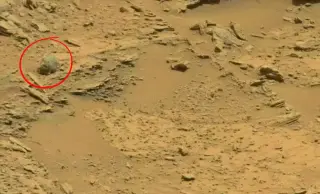
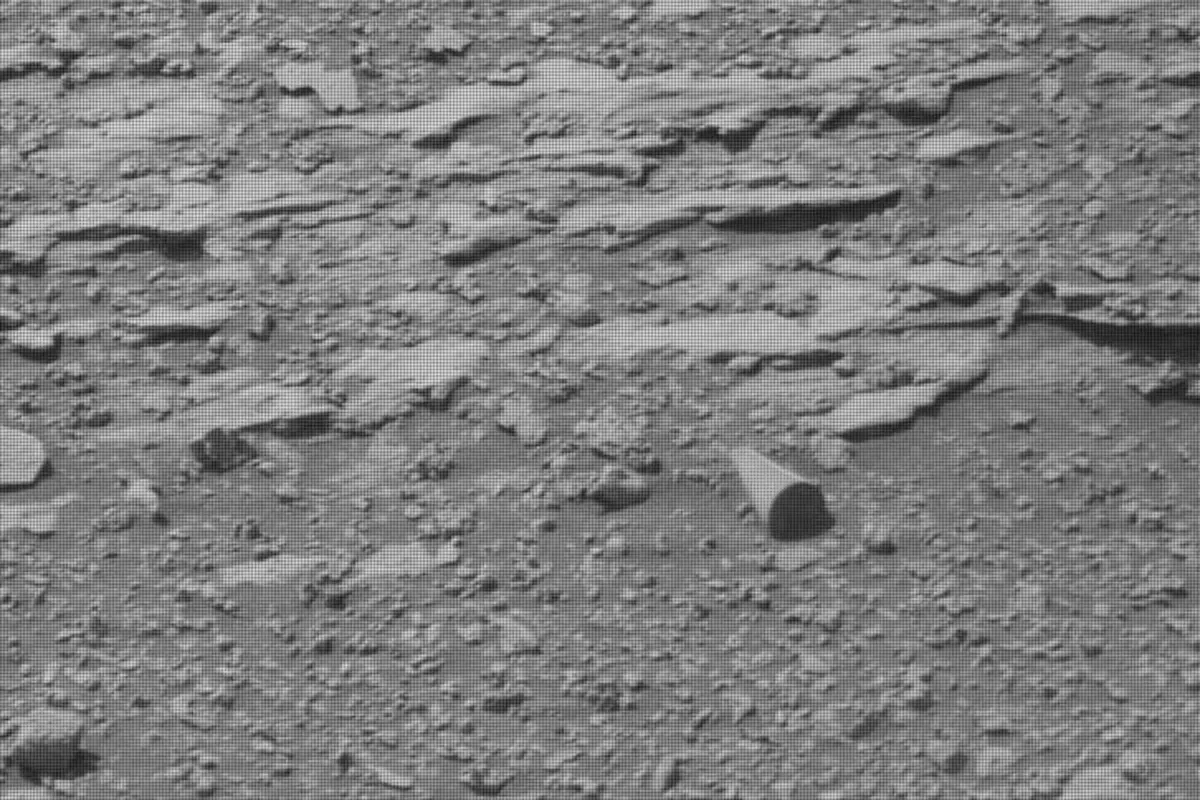
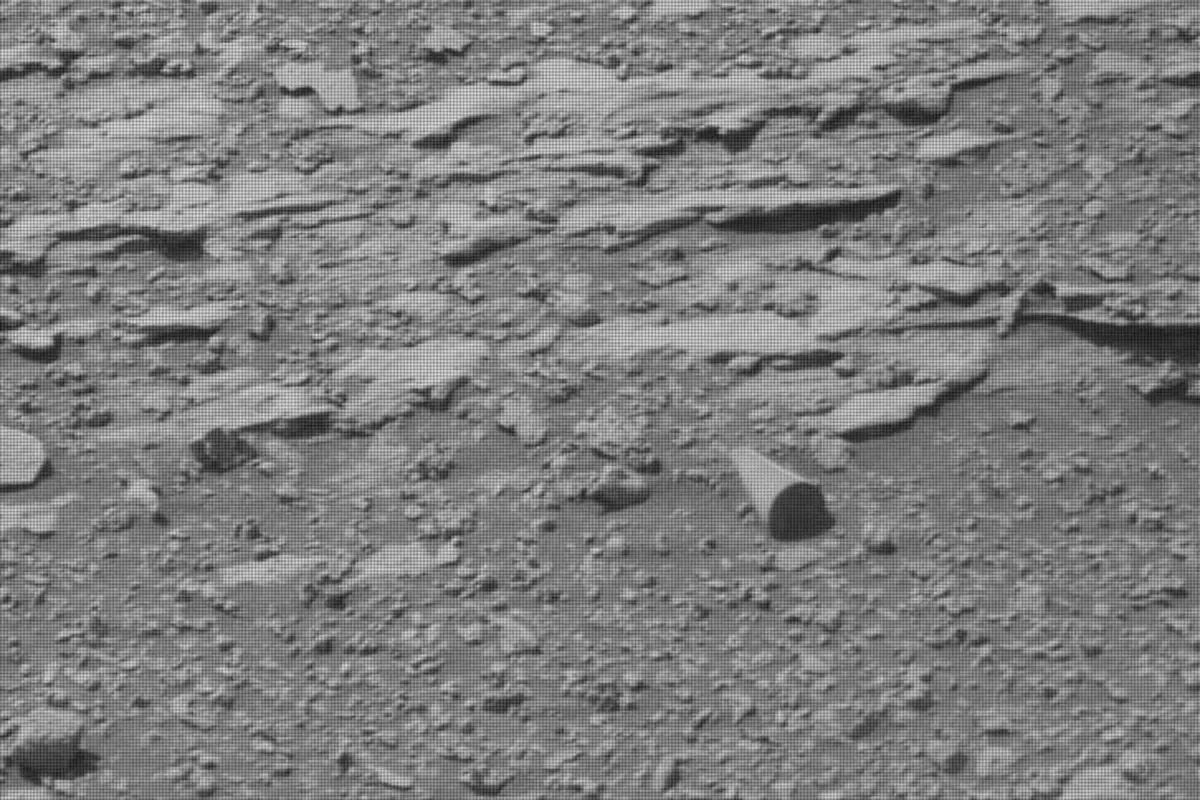
NASA says the cone-shaped “party hat” rock photographed by the Curiosity rover in Gale Crater in August 2022 is a wind-sculpted rock, not debris; the resemblance may be due to pareidolia, despite Avi Loeb’s suggestion that it could be human-made debris. The object measured about 1 cm and was photographed from roughly 13 feet away, with NASA noting Mars winds continue to shape rocks and citing other unusual Martian rocks captured by rovers.

NASA: Mars 'Party Hat' Rock Is Wind-formed, Not Debris
science1 month ago

NASA: Mars 'Party Hat' Rock Is Wind-formed, Not Debris

NASA has identified the cone-shaped object photographed by the Curiosity rover in Gale Crater in August 2022 as likely a wind-shaped rock rather than human-made debris. NASA staff explained that Mars’ high-speed winds can sculpt rocks into unusual forms, and observers may have read a familiar shape (a phenomenon called pareidolia) into the rock, which measured about 1 centimeter and was photographed from roughly 13 feet away. The initial skepticism about a possible Man-made origin was amplified by Avi Loeb’s post, but NASA clarified the natural rock interpretation remains the most plausible.

Mars’s Wind-Carved “Pyramid” Isn’t Man-Made, Just Geology
science2 months ago

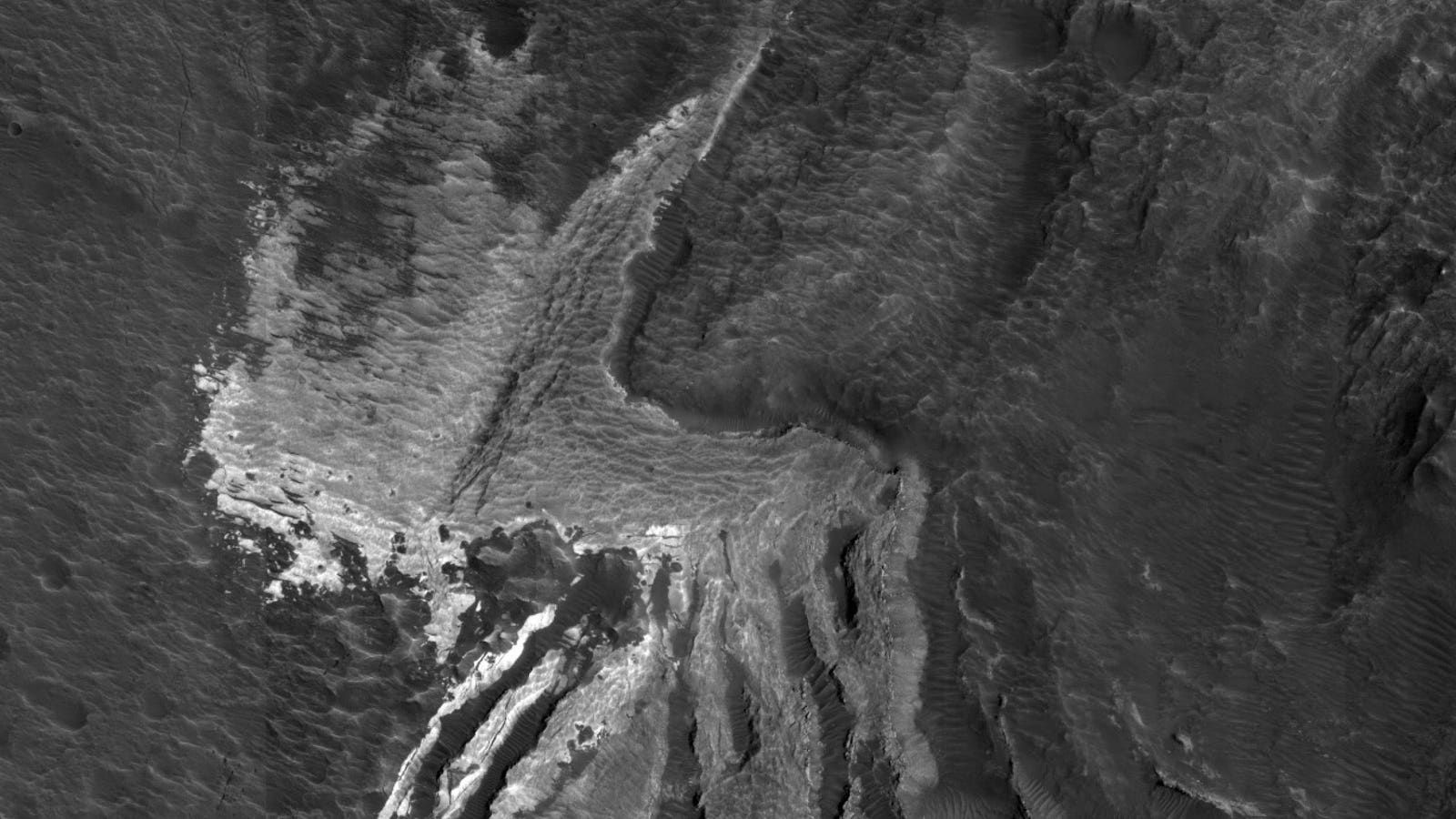
Mars’s Wind-Carved “Pyramid” Isn’t Man-Made, Just Geology

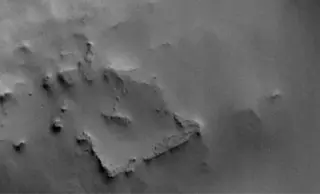
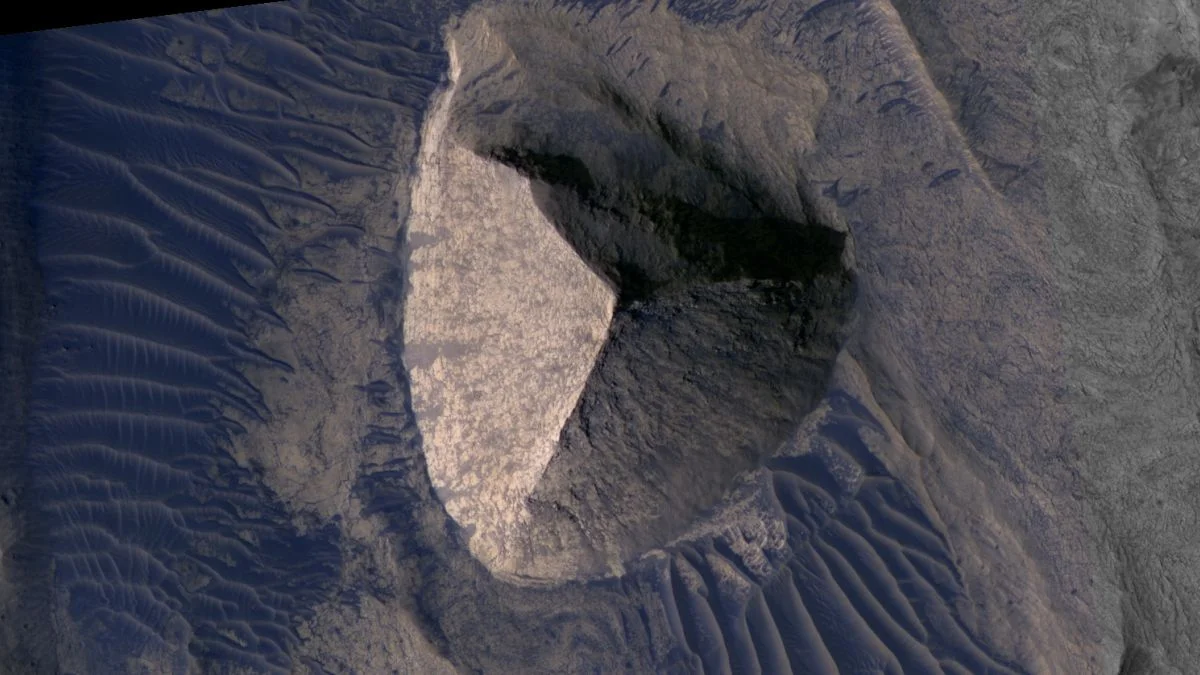
A pyramid‑like feature in Mars’ Candor Chasma known as the Candor Tetrahedron drew attention for resembling an ancient monument, but high‑resolution HiRISE imagery shows it’s a natural wind‑ and water‑eroded hill among other rock forms. The three sides aren’t identical, and the surrounding landscape, including positive relief knobs and aeolian ripples, supports a geological explanation rather than artificial construction. The shape is a classic case of pareidolia in planetary geology.

NASA Rover's Mars Photos Spark Rumors of a Fiero with a Rocket Engine
science6 months ago

NASA Rover's Mars Photos Spark Rumors of a Fiero with a Rocket Engine

A viral claim that NASA's Perseverance rover found a 1984 Pontiac Fiero on Mars is unfounded; the image is a result of pareidolia, image compression artifacts, and photo editing, with no scientific evidence supporting the presence of a car or rocket engine on Mars. The story highlights how perception, context, and social media can create false narratives around space images, but NASA's data and imaging tools do not support such claims.

"117 Hilarious Pareidolia Pics That Show Our Brains' Wild Imagination"
lifestyle1 year ago

"117 Hilarious Pareidolia Pics That Show Our Brains' Wild Imagination"

Pareidolia is a phenomenon where people see familiar faces or shapes in random objects, driven by the brain's tendency to recognize patterns. This article showcases 117 amusing examples of pareidolia, from everyday items to famous instances like NASA's Mars face and artistic uses by Leonardo da Vinci. The phenomenon has historical roots and even sparked high-value auctions for items resembling famous figures.

NASA Debunks Mystery of 'Swoopy' Object on Mars
science-and-technology2 years ago

NASA Debunks Mystery of 'Swoopy' Object on Mars

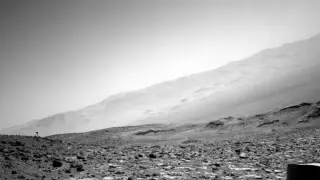
A photograph of a mysterious object on the surface of Mars has been confirmed by NASA to be a wind-carved rock, debunking speculations of it being a Martian bowling pin or an alien's shoe horn. The phenomenon is attributed to pareidolia, the tendency to see familiar shapes in random patterns. This is reminiscent of the famous "face on Mars" photo from 1976, which was later revealed to be a natural rock formation. The image was captured by NASA's Curiosity rover, which has been exploring Mars since 2012 in search of evidence that the planet could have supported Earth-like life.

"Captivating Pareidolia: 31 Mesmerizing Photos"
entertainment2 years ago

"Captivating Pareidolia: 31 Mesmerizing Photos"

This article showcases 31 photos of pareidolia, the phenomenon of perceiving meaningful images in random patterns. The images range from a water buffalo at the dentist to a shadow resembling Batman, and from a pigeon pooping a self-portrait to a scary woman in a pile of laundry. These fascinating examples demonstrate how our brains can find familiar shapes and faces in everyday objects.

"Pareidolia Unveiled: Ancient Cave Paintings Reveal Mind-Bending Illusions"
archaeology2 years ago

"Pareidolia Unveiled: Ancient Cave Paintings Reveal Mind-Bending Illusions"

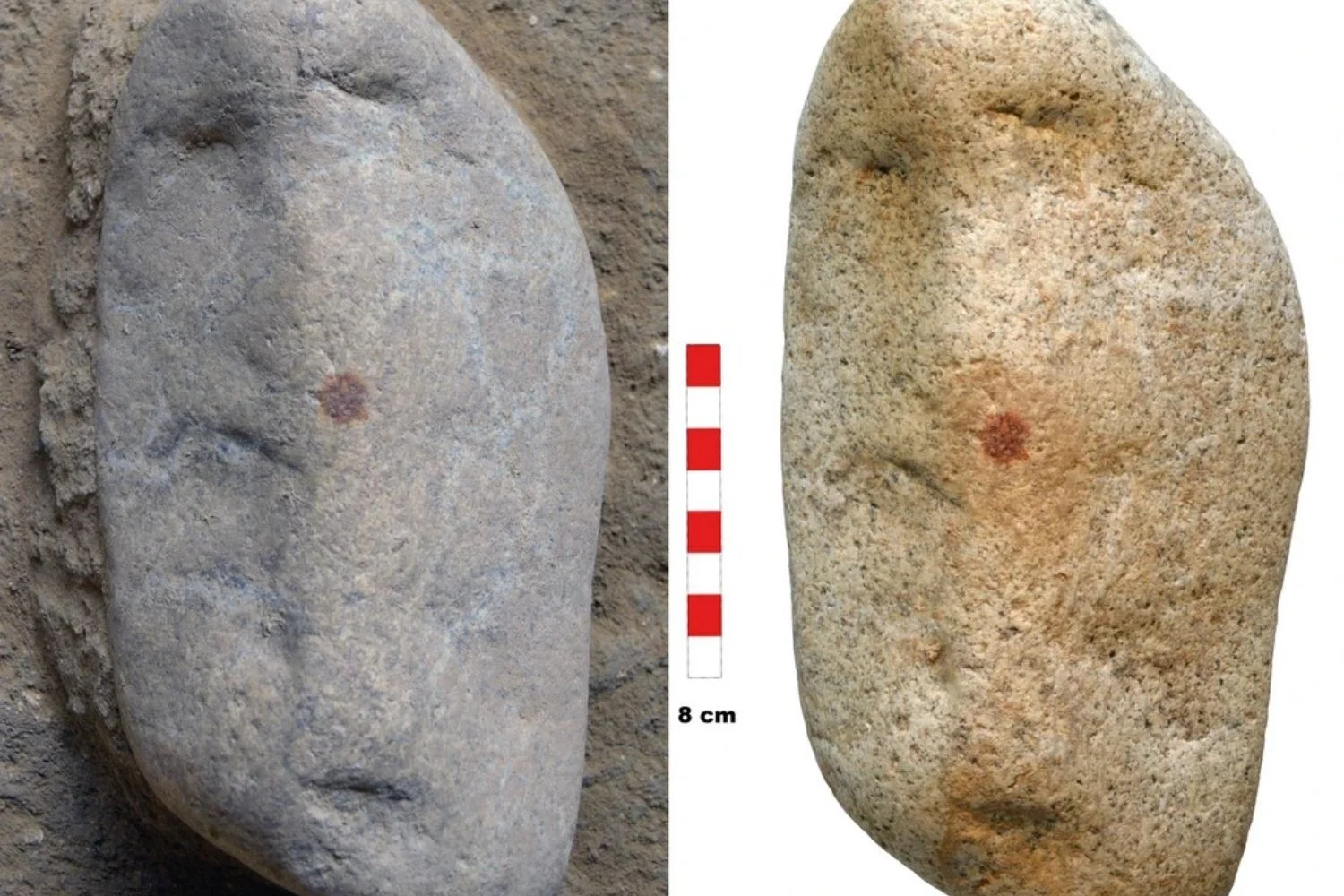
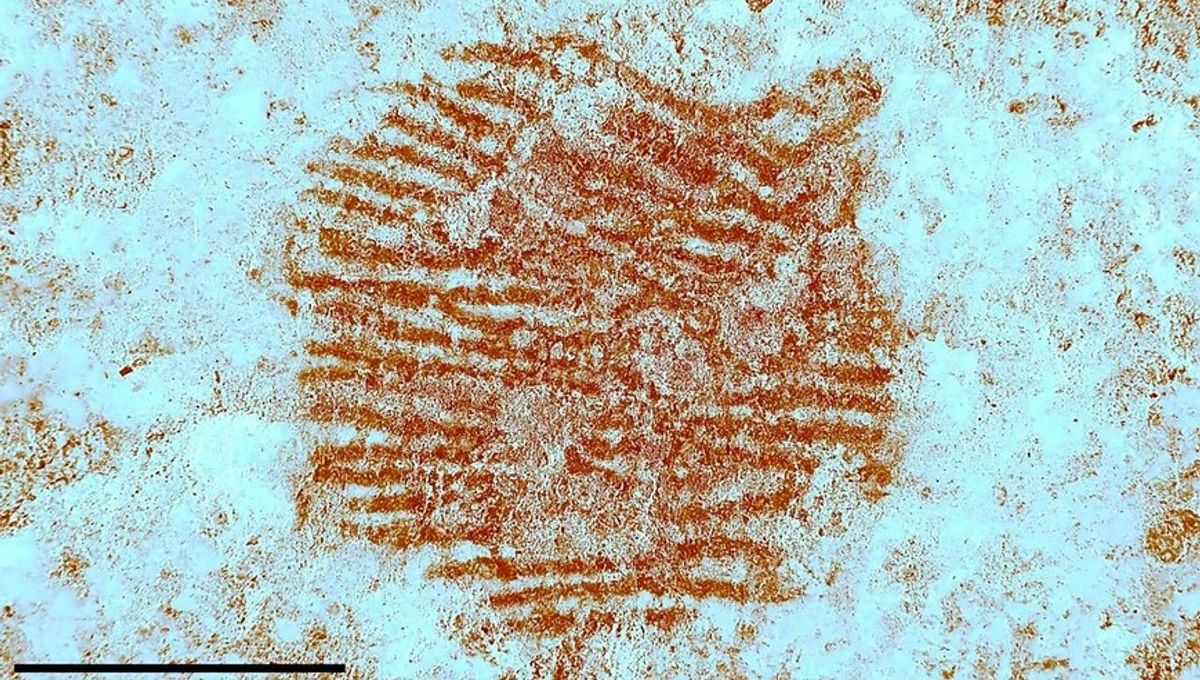
A new study suggests that Ice Age cave art, dating back 40,000 years, was influenced by pareidolia, a phenomenon where humans see meaningful shapes in random patterns. Researchers found that many cave paintings in Northern Spain incorporated natural features of the cave walls, indicating that artists were influenced by both pareidolia and their own creativity. The study also explored the role of lighting conditions and advances our understanding of the experiences and influences of Upper Palaeolithic artists.