Tag

Plant Evolution

All articles tagged with #plant evolution

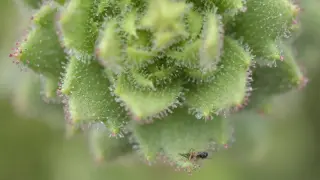
Darwin Vindicated: Alpine Saxifraga candelabrum Proves Carnivory in Plants
science21 days ago

Darwin Vindicated: Alpine Saxifraga candelabrum Proves Carnivory in Plants

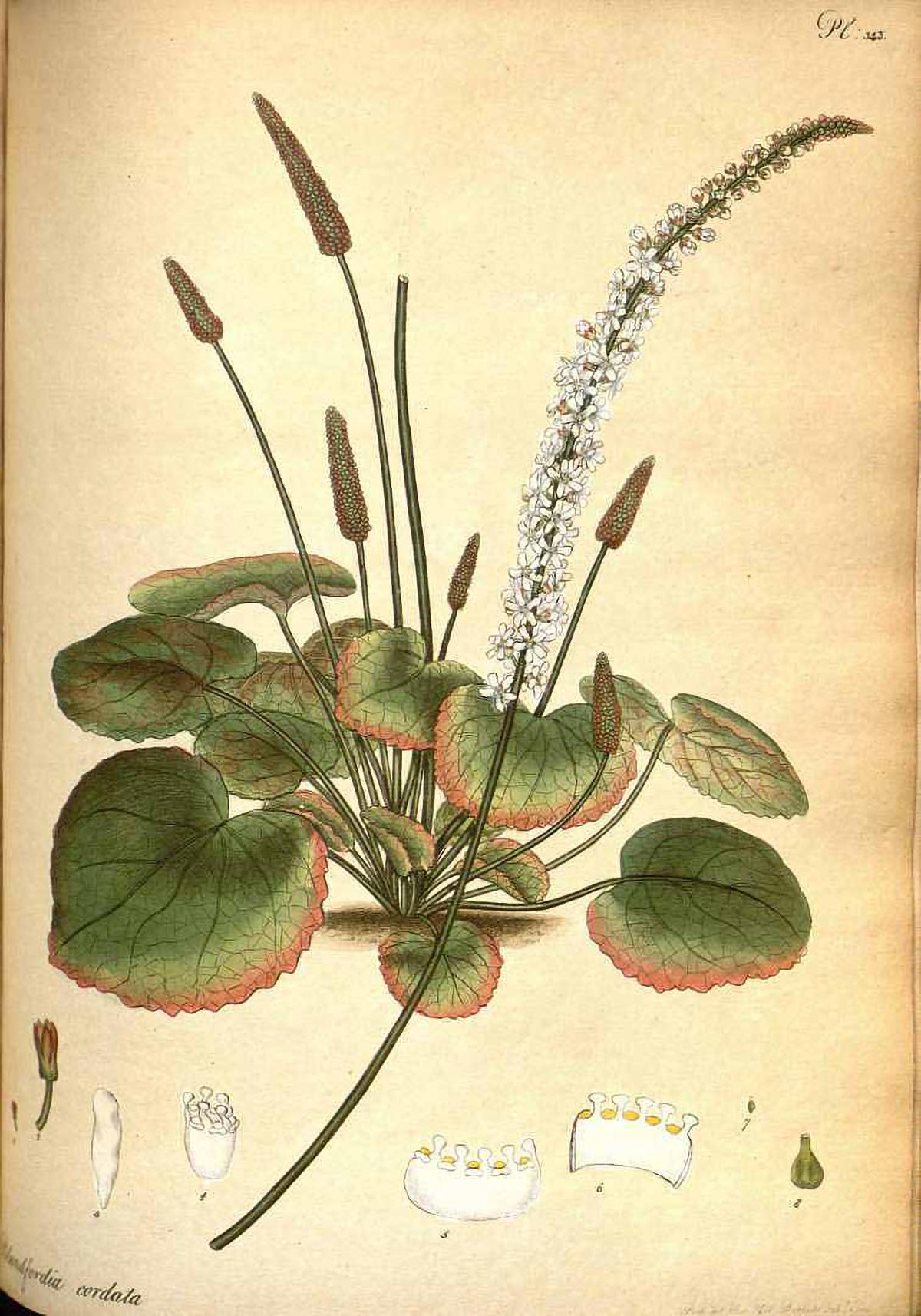
A Nature Communications study shows Saxifraga candelabrum, an alpine flowering plant in China, lures insects with flower odors and digests them using a phosphatase enzyme, transferring nitrogen to the plant—confirming Darwin’s 19th‑century hunch about carnivory in the Saxifraga lineage. Genetic analysis reveals shared carnivory‑related genes across different plant groups, suggesting carnivory is more widespread among flowering plants than previously thought. Found in nitrate‑poor, high‑altitude soils, S. candelabrum’s discovery expands our understanding of plant evolution and may help identify other hidden carnivorous lineages; the work underscores that Darwin’s ideas can be refined and extended with modern techniques."
Ancient Chinese Amber Pushes Resin Evolution Before Seed Plants
paleontology1 month ago

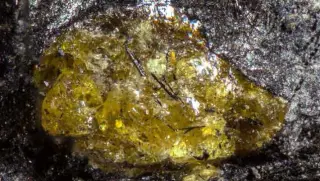
Ancient Chinese Amber Pushes Resin Evolution Before Seed Plants

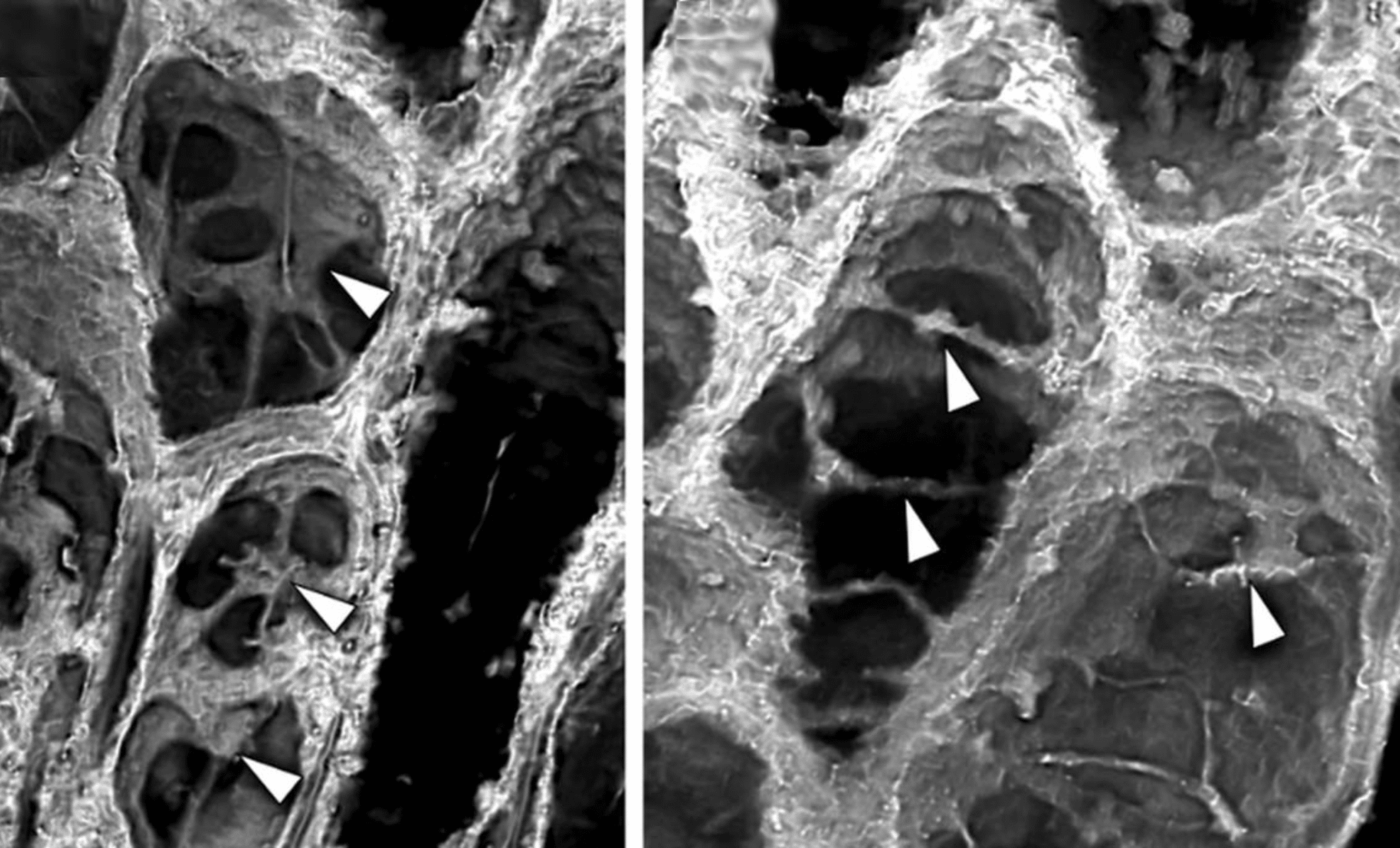
Paleontologists in Xinjiang, China report 385-million-year-old amber—the oldest confirmed amber to date—embedded in a coal seam and comprising 241 tiny pieces extracted from about 10 kg of coal. Chemical analyses show its resin resembles conifer resins, suggesting resin production evolved before seed plants and likely came from progymnosperms or lycopsids. The find implies early resin’s role was wound sealing and antifungal defense, possibly influenced by ancient wildfires, and was published online July 15, 2026 in Science Advances (Lu et al.).

Devonian Amber Pushes Resin Evolution Back 385 Million Years
science1 month ago

Devonian Amber Pushes Resin Evolution Back 385 Million Years

Paleontologists uncovered microscopic amber fragments in a 385-million-year-old coal seam in China, dating to the Middle Devonian and about 150 million years before dinosaurs. Chemical tests suggest these grains were conifer-type resin, indicating that sophisticated resin production evolved in early vascular plants before the rise of seed plants, shedding new light on plant defense and the evolution of resin chemistry. The find may hint at even older amber records waiting to be discovered.

Nine genome-doubling waves helped flowering plants weather Earth's crises
science3 months ago

Nine genome-doubling waves helped flowering plants weather Earth's crises

A Cell study of 470 flowering-plant genomes uncovered 132 independent whole-genome duplication events over the last 150 million years, organized into at least nine bursts that line up with major environmental upheavals such as global cooling/warming and mass extinctions. These genome doublings produce polyploids, often called hopeful monsters, which can enhance survival under stress despite cellular and fertility costs. The findings imply that repeated genome duplications helped flowering plants endure Earth’s climatic and ecological crises and may influence how crops respond to climate change, though future bursts would take millions of years to emerge.

Ancient Fossilized Plant Challenges Fibonacci Pattern
science10 months ago

Ancient Fossilized Plant Challenges Fibonacci Pattern

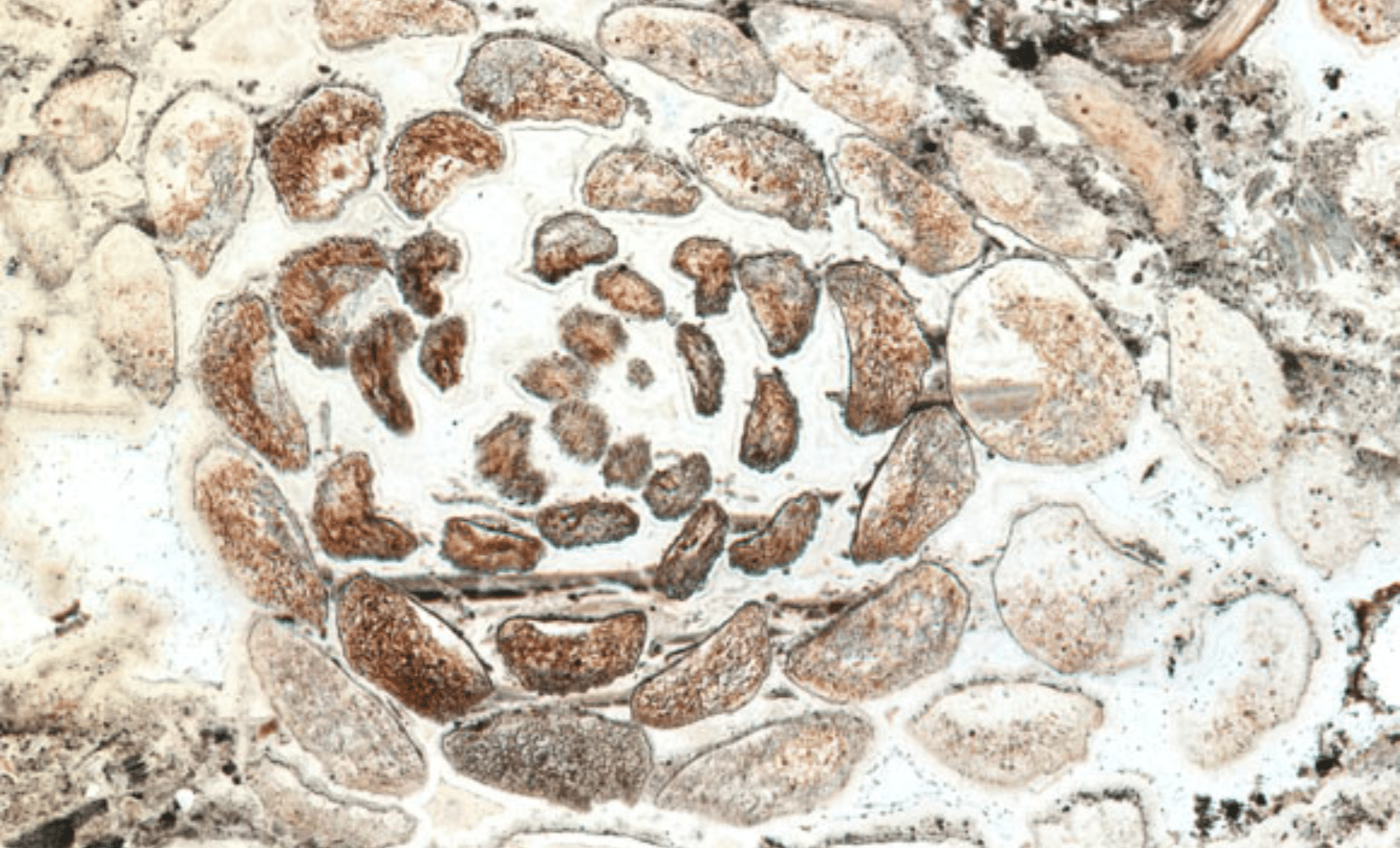
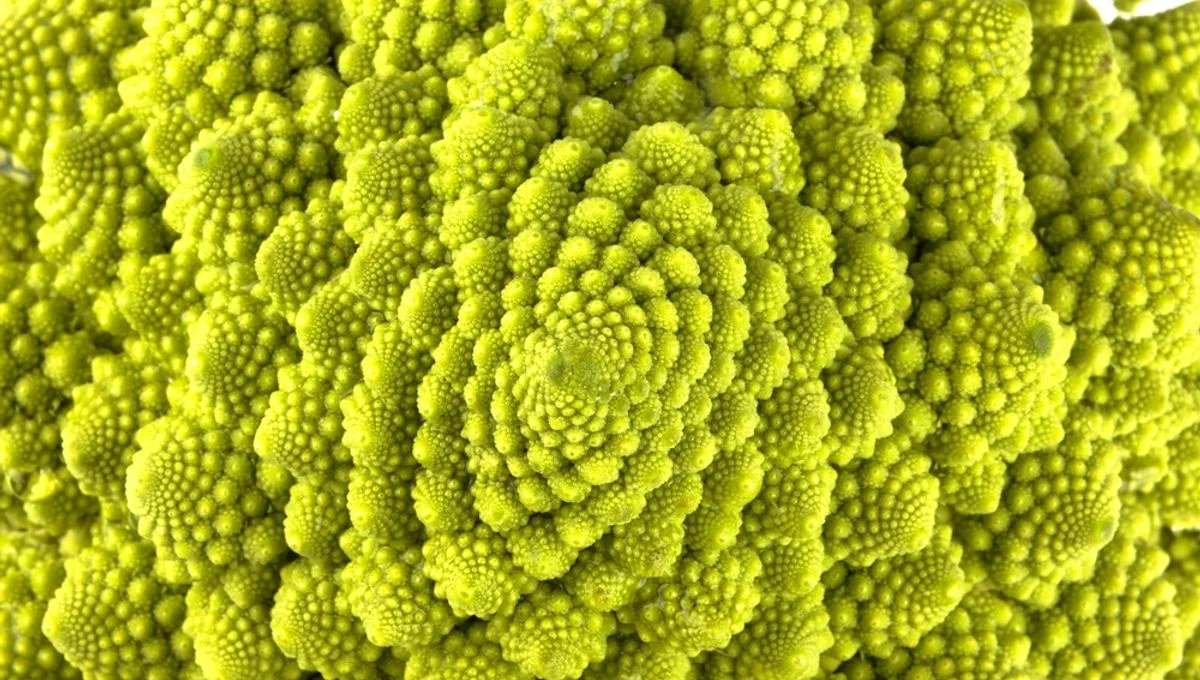
Scientists studying a 407-million-year-old fossilized plant, Asteroxylon mackiei, found that its leaf arrangement does not follow the Fibonacci sequence, challenging previous assumptions that Fibonacci spirals are universal in plant evolution. Using 3D reconstructions, they observed non-Fibonacci leaf patterns, suggesting early plants may have evolved different leaf arrangements before Fibonacci spirals became common in modern plants.

Tracing the Origins of the First Seeds
science1 year ago

Tracing the Origins of the First Seeds

The first seeds emerged during the Devonian period, around 372 million years ago, as plants transitioned from spores to seeds for reproduction. This evolution provided plants with advantages such as protective shells, food storage, and adaptability to diverse environments, allowing them to thrive and diversify. Seeds can remain dormant, enabling them to survive across generations and travel long distances, contributing to their evolutionary success.

"Ancient Origins: The Surprising Age of Your Morning Coffee"
science-and-research2 years ago

"Ancient Origins: The Surprising Age of Your Morning Coffee"

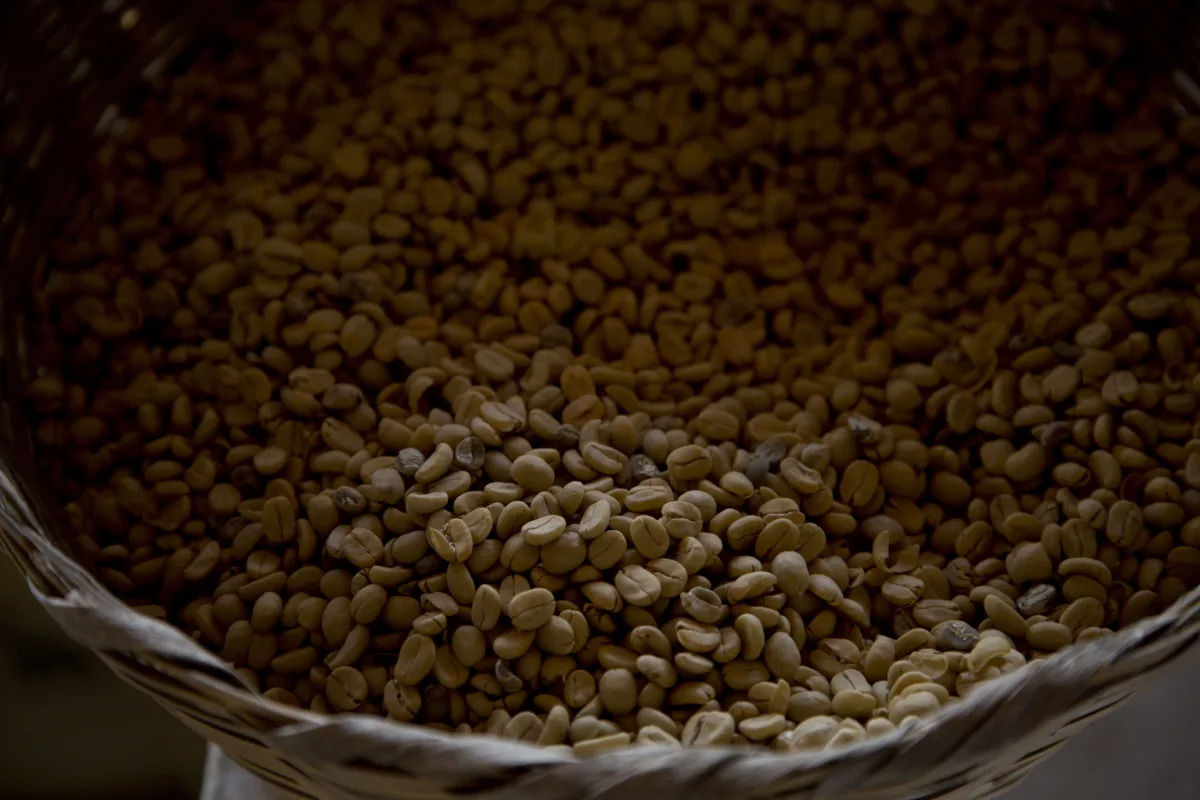
Researchers have traced the origins of arabica coffee back 600,000 years through natural crossbreeding of two other coffee species, shedding light on its genetic makeup and vulnerabilities. The study, published in Nature Genetics, reveals how the plant's population fluctuated over time and highlights genetic clues that could help protect it from diseases like coffee leaf rust. Understanding arabica's past and present could aid in safeguarding the crop for future generations, ensuring a steady supply of the beloved beverage.

"Adaptive Evolution of Plant Pattern Recognition Receptors"
science2 years ago

"Adaptive Evolution of Plant Pattern Recognition Receptors"

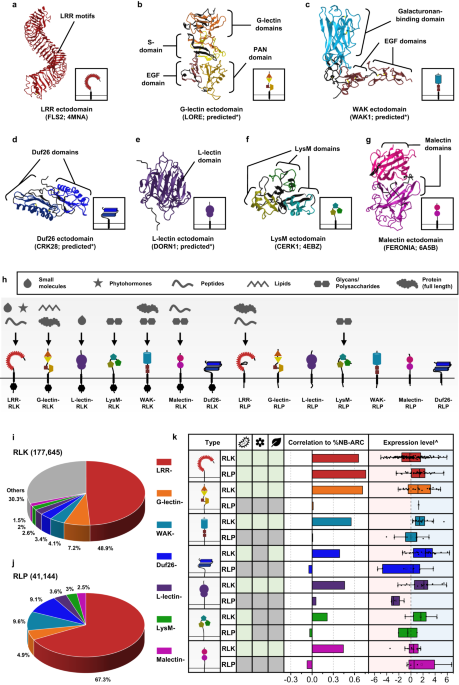
The evolutionary trajectory of pattern recognition receptors (PRRs) in plants, crucial for perceiving environmental changes and detecting pathogens, involves the expansion of receptor-like proteins (RLPs) and receptor-like kinases (RLKs) in response to pathogen pressure. The study identifies the origin and expansion of various cell-surface receptors involved in immunity, development, and reproductive processes, shedding light on their divergence and specialization in distinct biological functions. The findings reveal substantial expansions in specific receptor families across plant lineages, with RLKs demonstrating greater expansion compared to RLPs, particularly in the context of pathogen recognition. Additionally, the study identifies the presence of cell-surface co-receptors and signaling components involved in plant immunity across different plant lineages.

"Zombie Fern: Reviving Dead Leaves to Nourish Itself"
nature2 years ago

"Zombie Fern: Reviving Dead Leaves to Nourish Itself"

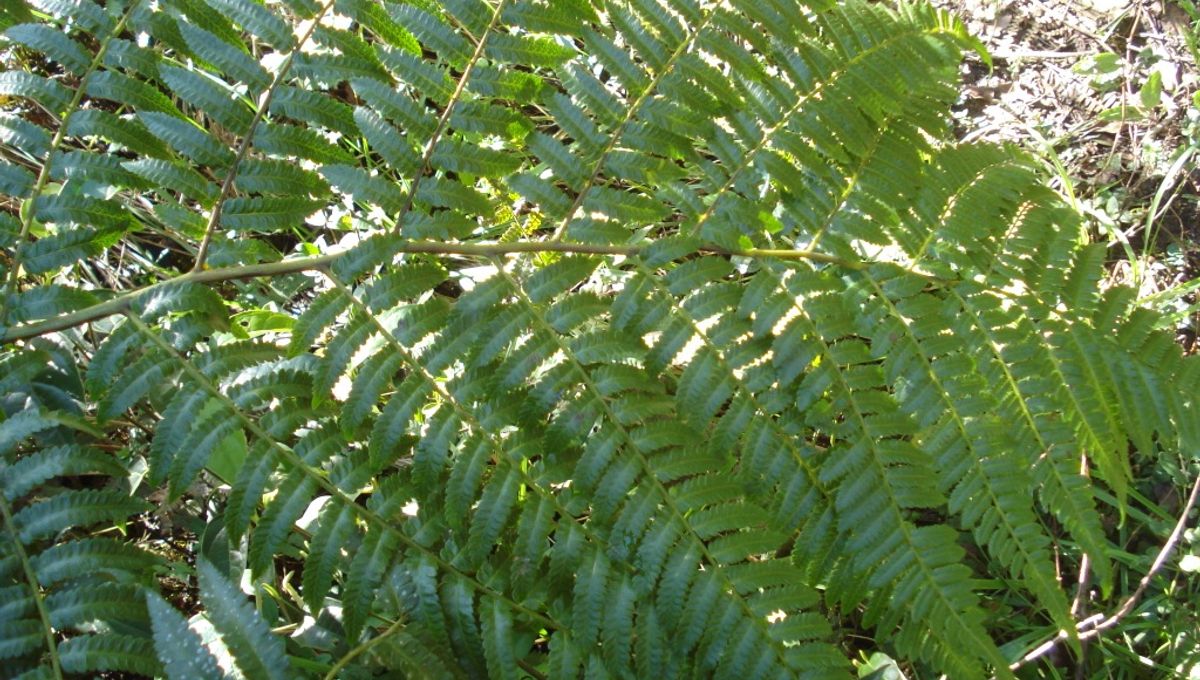
The Cyathea rojasiana, a tree fern species found in Panama, has the unique ability to reanimate its dead leaves, which then transform into living roots that draw nutrients from the soil to feed the rest of the plant. This remarkable adaptation is believed to have evolved to extract nutrients from poor volcanic soils and is the first known instance of a fern repurposing its leaves in this way. The plant's slow growth and specific environmental conditions have contributed to the development of this extraordinary survival strategy.

"Unraveling the Genetic Journey of Lycophytes: A 300-Million-Year Window into Plant Evolution"
science2 years ago

"Unraveling the Genetic Journey of Lycophytes: A 300-Million-Year Window into Plant Evolution"

A study published in PNAS has revealed that lycophytes, ancient land plants similar to ferns, have maintained a remarkably stable genetic structure for over 350 million years, deviating from the norm in plant genetics. The research uncovered that about 30% of their genes have remained in the same arrangement since their divergence, exhibiting an unusual evolutionary pattern known as synteny. This discovery provides insights into plant genetics and evolution, highlighting the importance of preserving biodiversity as these plants hold vital clues to the history of life on Earth.