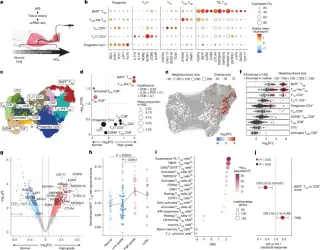
Researchers identified a specific network of regulatory T cells that emerges in preinvasive lung lesions, offering a potential method to detect and intercept non-small cell lung cancer before it becomes invasive.
Scientists have discovered that in colorectal cancer, two subtypes of regulatory T cells play opposing roles, with one subtype helping to restrain tumor growth and the other promoting it. This finding could lead to more targeted immunotherapies that selectively eliminate harmful Tregs, improving outcomes for patients.
Scientists at St. Jude's Research Hospital discovered how mitochondria and lysosomes work together to activate and deactivate regulatory T cells, which are crucial for controlling inflammation and immune responses. Their findings reveal metabolic and organelle signaling pathways that influence T cell function, with potential implications for treating autoimmune diseases and enhancing cancer immunotherapy.
Researchers have developed a technology to reprogram rogue T cells into protective Treg cells, demonstrating targeted therapy for autoimmune diseases like pemphigus vulgaris, inflammatory bowel disease, and graft-versus-host disease in mouse models, potentially leading to safer, personalized treatments.
Fred Ramsdell, a Whitefish immunologist, won the 2025 Nobel Prize in Physiology or Medicine for his work on regulatory T cells and immune tolerance, which has significant implications for treating autoimmune diseases and cancer. His journey from community college to Nobel laureate highlights his passion for impactful science and serendipitous career path, with recent advancements enabling clinical applications of his research.
A Portland-born molecular biologist, Mary E. Brunkow, along with two other scientists, won the Nobel Prize in medicine for discovering how regulatory T cells help prevent autoimmune diseases by maintaining immune system balance, a breakthrough that could lead to better treatments for conditions like diabetes and lupus.
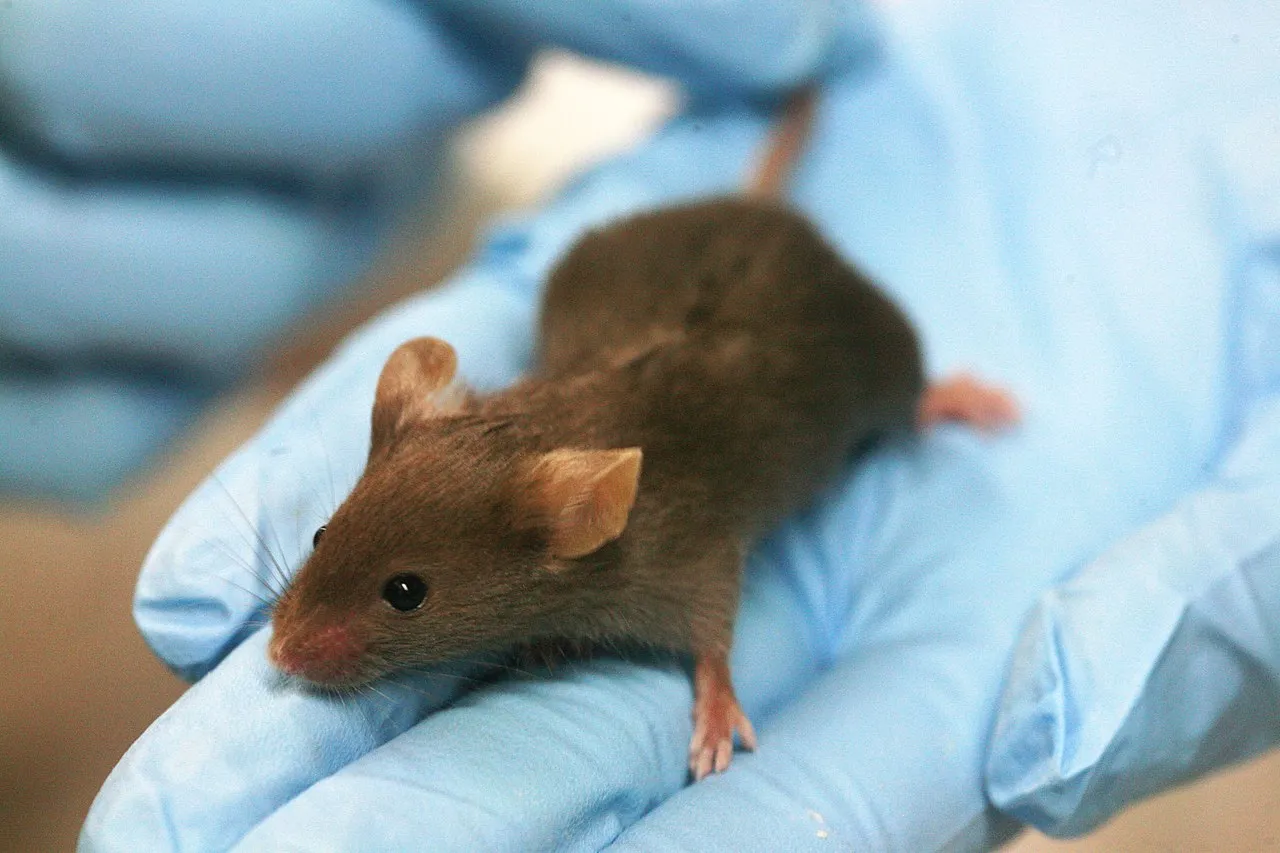
Scientists have developed a promising approach using engineered regulatory T cells as an 'inverse vaccine' to potentially treat celiac disease, showing success in mice by reducing immune reactions to gluten, though further research is needed.
Regulatory T cells (Tregs), which are responsible for immune system regulation, may also play a role in mood stabilization and cognitive function. Decreased expression of the transcription factor Foxp3, which controls Tregs, has been linked to major depressive disorders. Depleting Tregs in mice led to increased anxiety and depressive behaviors, which were reversed when Foxp3-expressing cells were restored. Additionally, mice with depleted Tregs showed cognitive impairments similar to those seen in Alzheimer's disease. This suggests a potential connection between immune responses, mood disorders, and cognitive decline.