At least 49 people died of thirst in northern Niger after a truck carrying travelers from Mali broke down in the Sahara; only two survived after trekking to Assamaka to alert authorities as extreme heat and lack of water left them stranded.
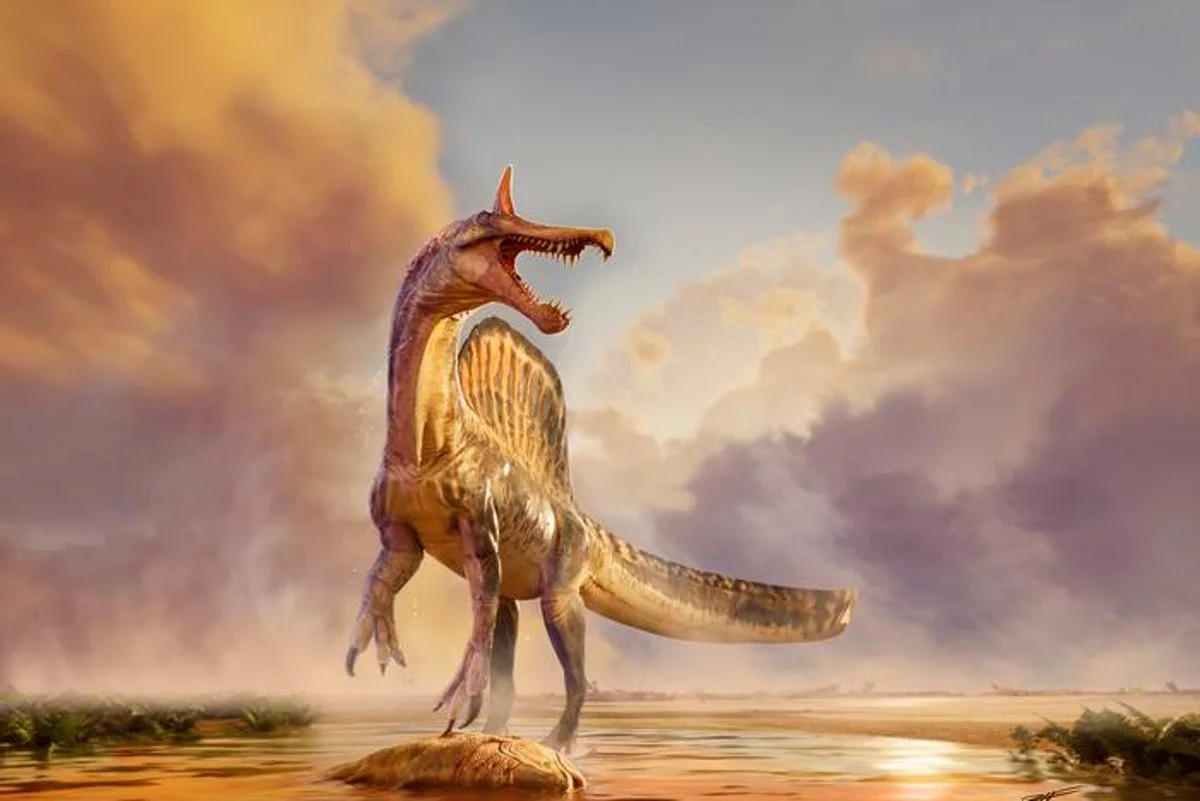
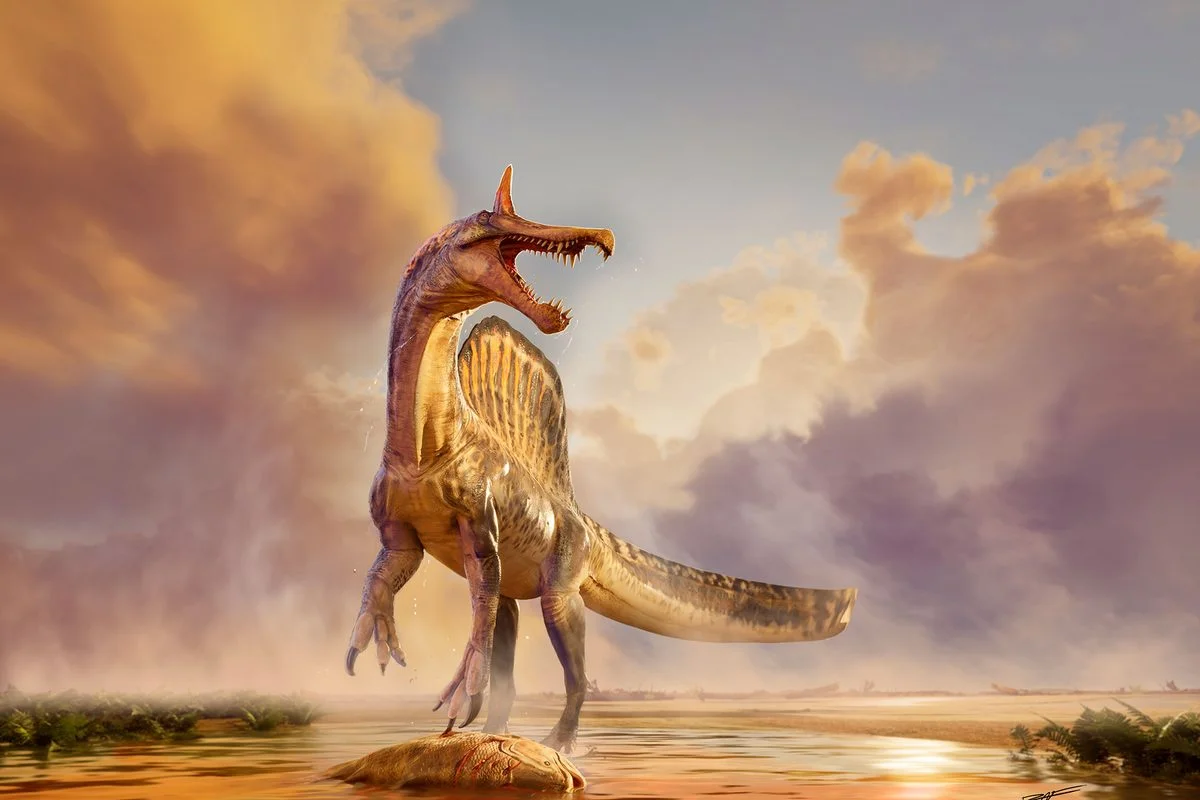
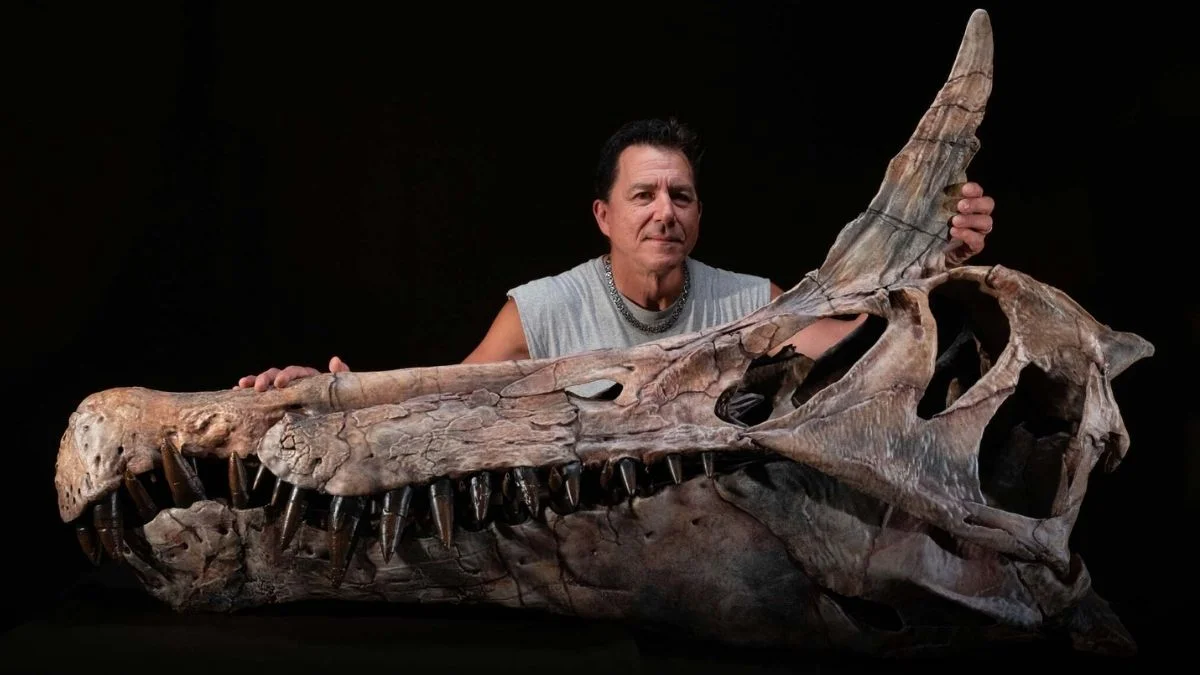
A University of Chicago-led team uncovered a new Spinosaurus species, Spinosaurus mirabilis, in Niger’s central Sahara. The 40-foot, 5–7-ton predator sported a tall 20-inch crest and specialized fish-hunting adaptations, including a skull designed to trap fish. Found 300–600 miles from the nearest Cretaceous shoreline, the fossils reveal an inland, riverine habitat and challenge the long-held view that Spinosaurus was exclusively aquatic, suggesting it waded and hunted fish in shallow waters about 95 million years ago.
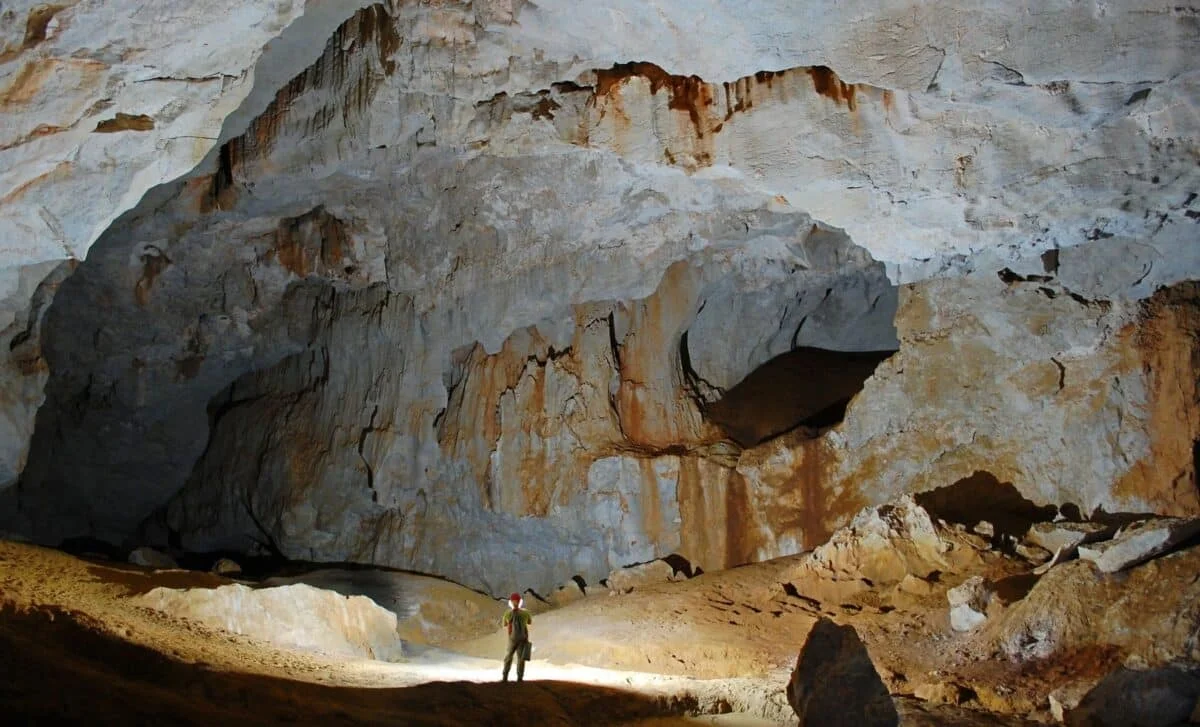
Scientists analyzing stalagmites from caves south of the Atlas Mountains in southern Morocco find rainfall persisted from 8,700 to 4,300 years ago, signaling a greener Sahara; uranium-thorium dating and oxygen isotope analysis tie the wetter period to tropical moisture plumes, and archaeological records show Neolithic communities expanding there as grazing lands widened.
Paleontologists in Niger describe Spinosaurus mirabilis, a new species with a nearly half-meter tall, keratin-covered scimitar-shaped crest found in an inland river system, suggesting the predator waded in shallow waters rather than swam; the discovery challenges the idea of Spinosaurus as primarily aquatic and hints the crest served in social signaling.
A newly described Spinosaurus species, Spinosaurus mirabilis, from Niger’s central Sahara suggests this giant fish-eater lived inland in a forested, river-influenced habitat about 100–95 million years ago, far from coastlines. The fossil reveals scimitar-shaped crests on its back (sheathed in keratin) likely used for display and interdigitating teeth ideal for catching slippery river fish. This finding points to a new evolutionary phase for Spinosaurus as a shallow-water predator capable of wading in up to two meters of water, broadening our view of its ecology beyond coastal environments and indicating it coexisted with long-necked dinosaurs along rivers.
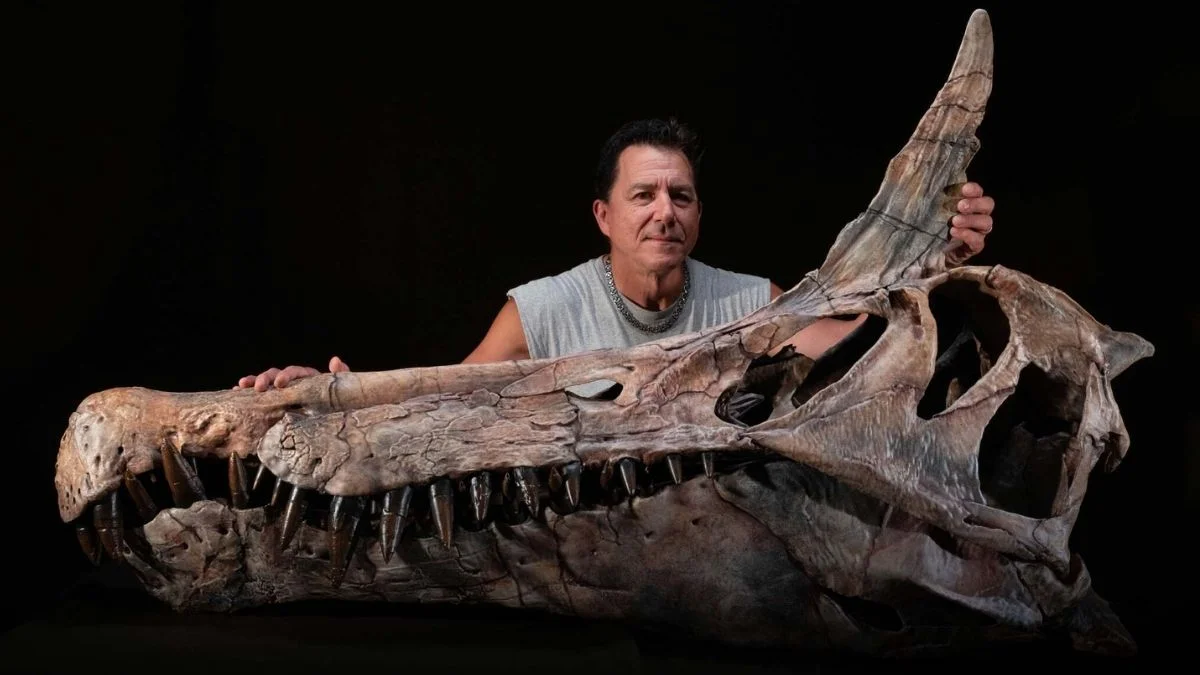
A team led by Paul Sereno has identified a new Spinosaurus species, Spinosaurus mirabilis, from Niger’s central Sahara. The discovery includes jaw fragments, teeth, and three scimitar-shaped head crests up to about 50 cm tall, likely keratin-sheathed and brightly colored for display—the tallest cranial crest yet known in non‑avian dinosaurs. The inland site, dated to about 95 million years ago, suggests an wading, fish‑eating predator that lived far from the coast, challenging the idea that spinosaurids were coastal or aquatic. The findings, published in Science, are accompanied by 3D skull reconstructions and will be exhibited at the Chicago Children’s Museum.
A new Spinosaurus species, Spinosaurus mirabilis, was uncovered in Niger's inland Sahara, notable for a striking skull crest and evidence for a semi-aquatic, fish-eating lifestyle unlike other coast-dwelling relatives. Led by Paul Sereno, researchers even assembled 3D skull models on solar power in the Sahara; the crest may have been keratin-covered for display, suggesting a visual display role akin to modern birds. The study was published in Science.
Paleontologists led by Paul Sereno have named Spinosaurus mirabilis, a colossal new spinosaur discovered in Niger’s Sahara dating to more than 95 million years ago. It features a distinctive scimitar-shaped head crest and interlocking teeth suited for catching fish, and was found far from coastlines, suggesting a forested, riverine habitat. The skull was reconstructed in 3D and described in Science, reinforcing fish-eating traits while leaving open questions about how aquatic these dinosaurs truly were.
Paleontologists led by Paul Sereno have named Spinosaurus mirabilis from inland Niger in the Sahara, a coastal-dwelling genus found far from the ocean. The specimen features a unique skull crest and crocodile-like teeth, hinting at a possible semi-aquatic lifestyle. The discovery, published in Science, challenges previous assumptions about where Spinosaurus lived and how its skull crest looked.
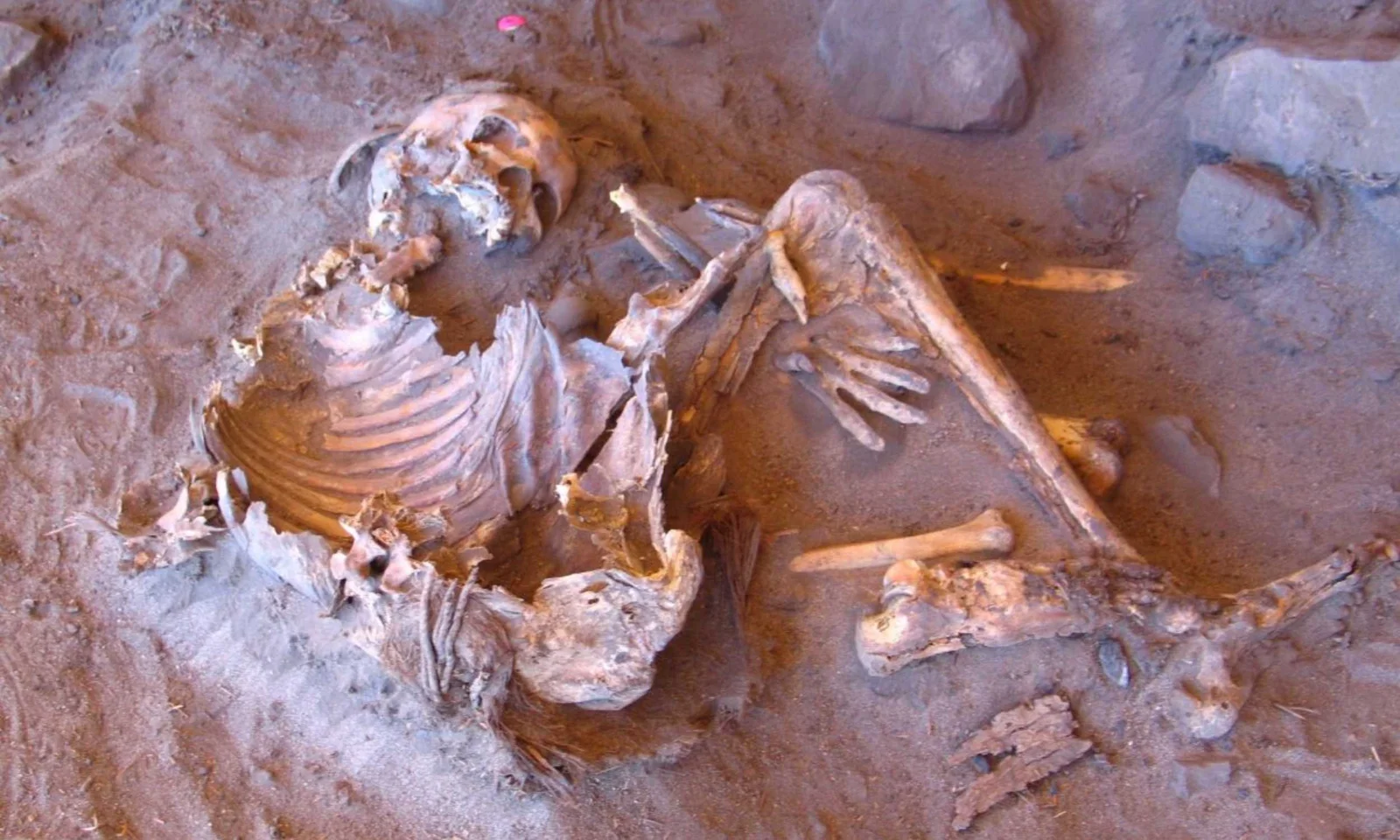
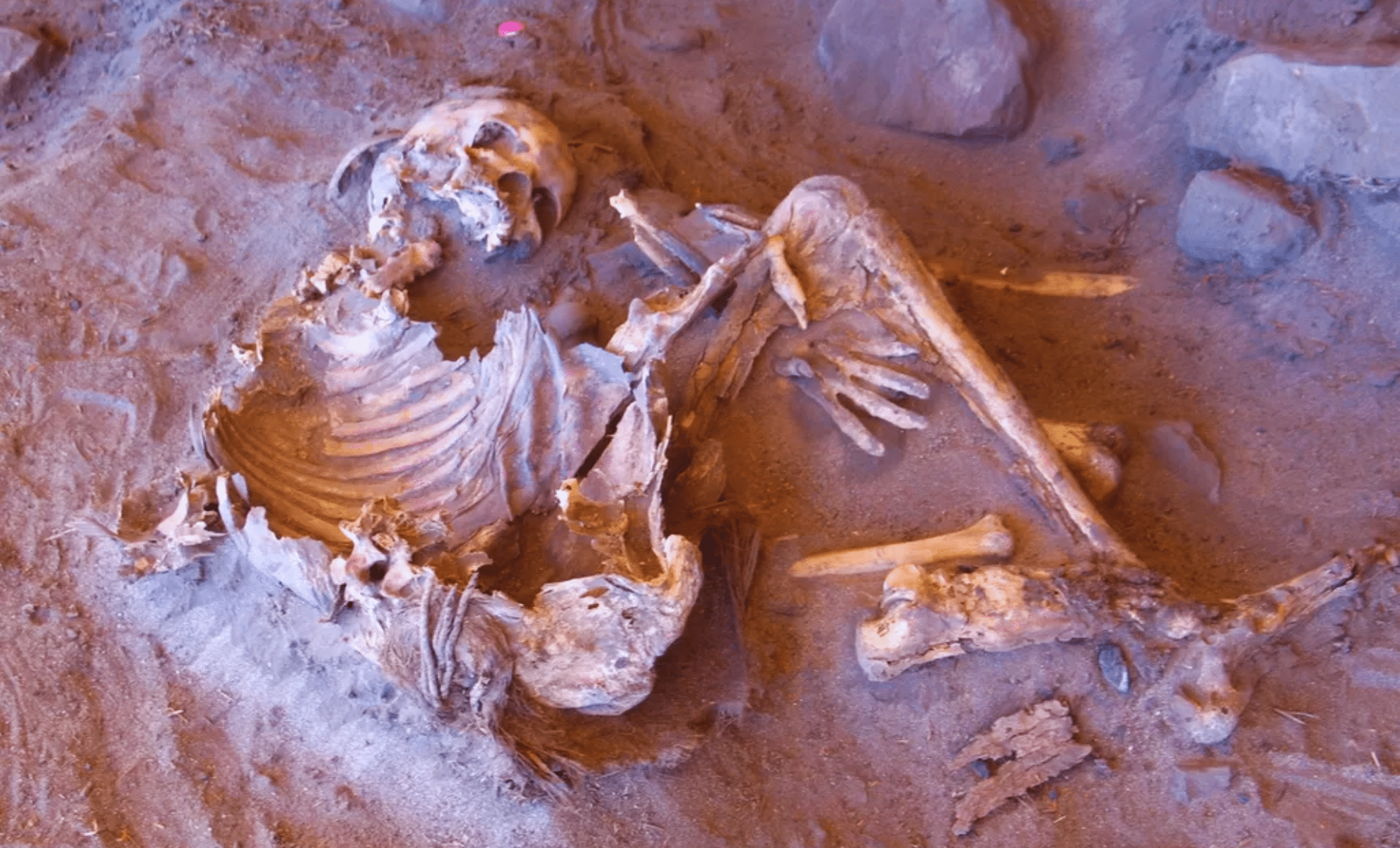
Scientists analyzed 7,000-year-old mummified women from Libya, revealing a unique North African lineage with minimal Neanderthal DNA, suggesting isolated evolution and cultural diffusion of herding practices during the Sahara's Green period, reshaping understanding of early human migration and adaptation.
Archaeologists in Libya uncovered 7,000-year-old skeletons revealing a previously unknown human lineage that remained genetically isolated for tens of thousands of years, challenging existing ideas about prehistoric human migrations and interactions in Africa.
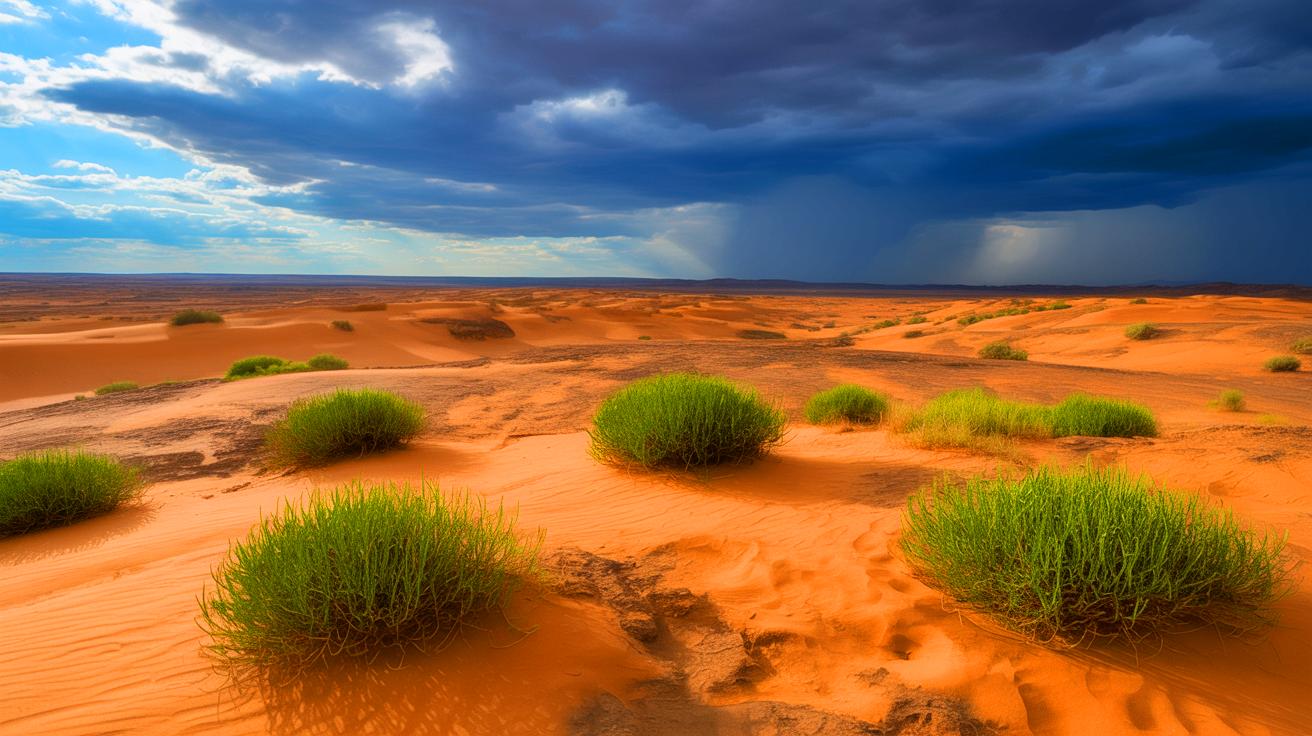
In 2024, the Sahara Desert experienced unusual rainfall, temporarily greening parts of the region, especially the Sahel, highlighting the desert's complex climate history and potential for change, despite remaining largely arid. NASA's findings reveal the Sahara's past as a lush landscape during the African Humid Period and underscore the importance of understanding Earth's dynamic ecosystems amid climate challenges.
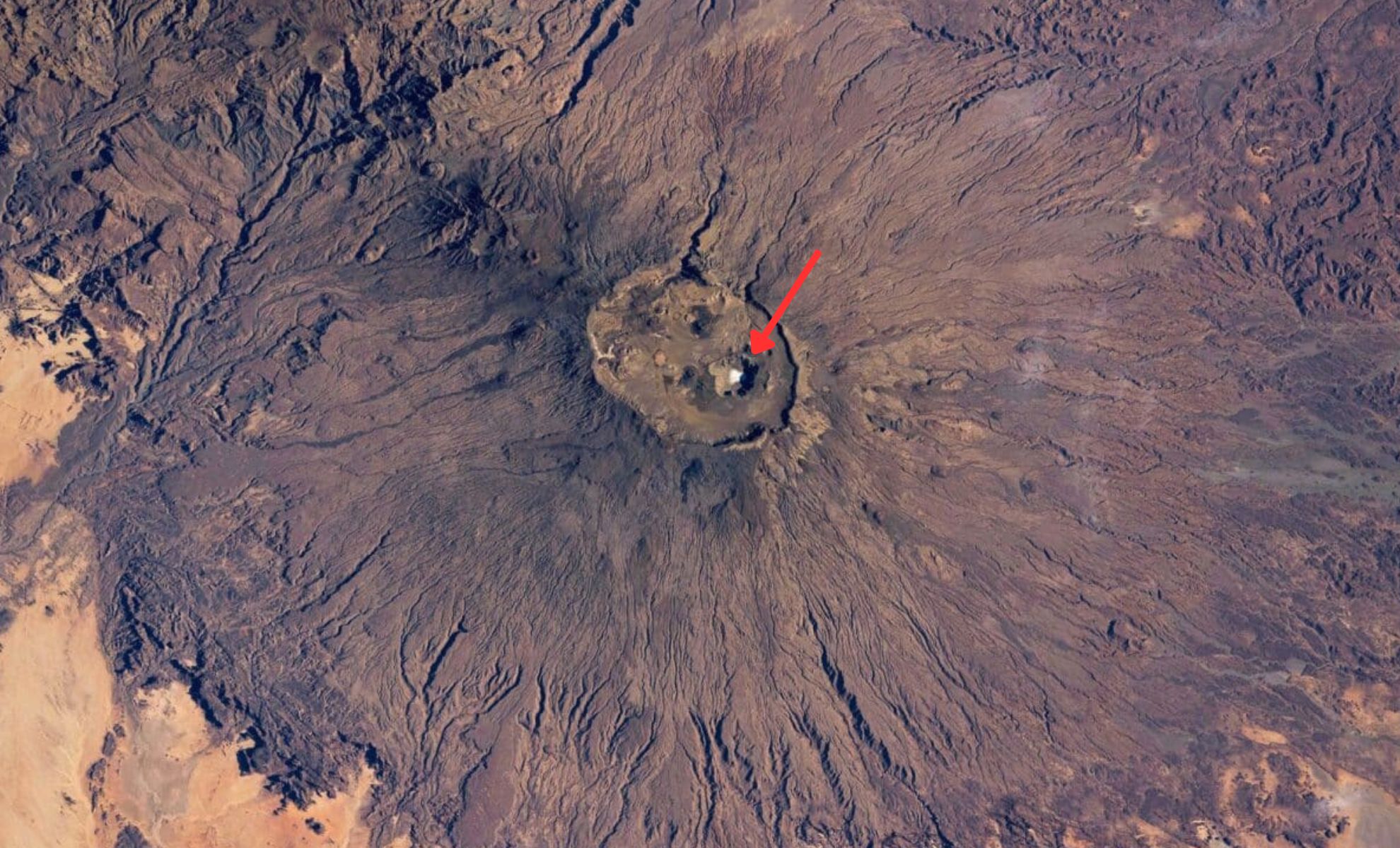
A recent space photograph of Emi Koussi volcano in the Sahara reveals a salt-covered lake bed and erosion channels, indicating the region's wetter past and challenging the perception of the Sahara as a static desert, highlighting its volcanic and hydrological history.
Covering the Sahara Desert with solar panels could have severe environmental impacts, including increased local and global temperatures, altered rainfall patterns, and disruptions to ecosystems like the Amazon rainforest. The project also faces economic and technological challenges, such as efficiency loss and high maintenance costs. Instead, experts recommend diverse, localized renewable energy solutions to avoid the potential catastrophic effects of large-scale geoengineering projects.
The Garamantes, an ancient civilization that thrived in the Sahara 2,400 years ago, managed to sustain their society by tapping into underground groundwater through angled tunnels. This innovative technique allowed them to irrigate their agricultural lands and thrive in an otherwise harsh desert environment. However, over time, the groundwater ran out, leading to the abandonment of their civilization. This serves as a warning about the unsustainable use of scarce resources, with implications for modern societies facing similar challenges.