Big Walk, Big Connections: Strangers Team Up to Beat Loneliness
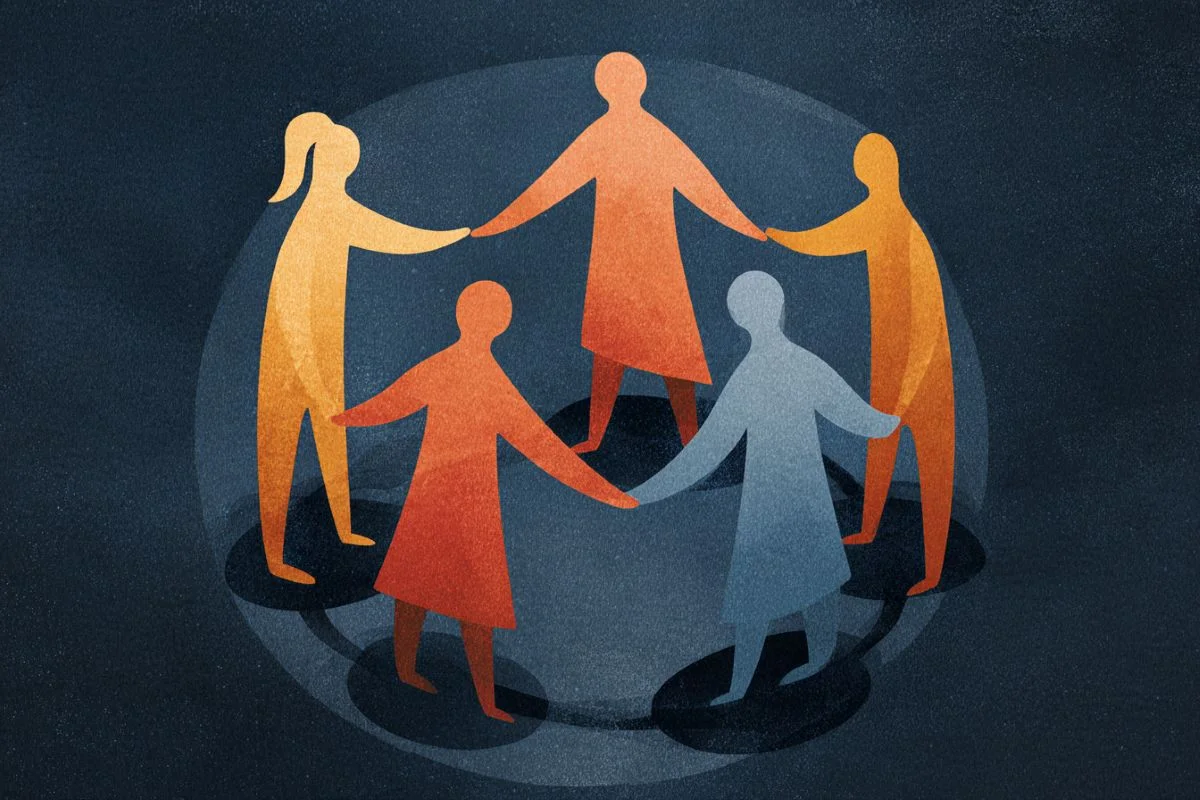
A Eurogamer feature shows how the indie game Big Walk brings strangers together online, using collaborative puzzle solving to turn loneliness into a memorable shared experience.
All articles tagged with #social interaction

A Eurogamer feature shows how the indie game Big Walk brings strangers together online, using collaborative puzzle solving to turn loneliness into a memorable shared experience.

A NYU Langone neurologist urges that emotional wellbeing and meaningful, in-person social connections trump mere social activity or puzzles for brain health, outlining two practical habits: prioritize high‑quality socializing over a packed calendar, and engage in varied, low‑stress activities like reading or listening to music to stimulate different brain regions, boost neuroplasticity, and potentially delay dementia as people live longer.

AI tools are boosting individual productivity in white‑collar work by letting employees get tasks done without heavy reliance on colleagues, but this speed comes with a social cost: workers are interacting with teammates less, which can erode collaboration and increase burnout. Experts urge using AI to augment relationships rather than replace them, rebuilding social time through mentorship, offsites, and regular check‑ins, and redesigning workflows to preserve human connection while maintaining productivity.

A NIH-funded RECOVER study of 1,976 youths aged 6–17 found that long COVID is linked to worse post-pandemic grades, more difficulty concentrating, and reduced social engagement. School-aged children with long COVID showed 18% worse grades vs 7% without, while adolescents showed 29% vs 11%; concentration problems were 38% vs 14% in younger kids and 37% vs 11% in teens. AEP/IEP pursuit and diminished peer fun were more common in those with long COVID as well. The authors call for expanded school-based supports and targeted interventions to mitigate potential long-term developmental impacts.

A study on Seychelles warblers shows that closer social bonds and shared living spaces lead to the sharing of anaerobic gut bacteria, suggesting humans living with others may similarly align their gut microbiomes, with potential benefits for immunity and digestion.

A Nature Reviews Psychology review explains that physiological signals such as heart rate, heart-rate variability, and electrodermal activity synchronize between individuals during social interaction in a context-dependent, dynamic way, potentially underpinning empathy and cooperation, and it calls for multimodal, group-scale studies to map when and why this biological attunement arises.

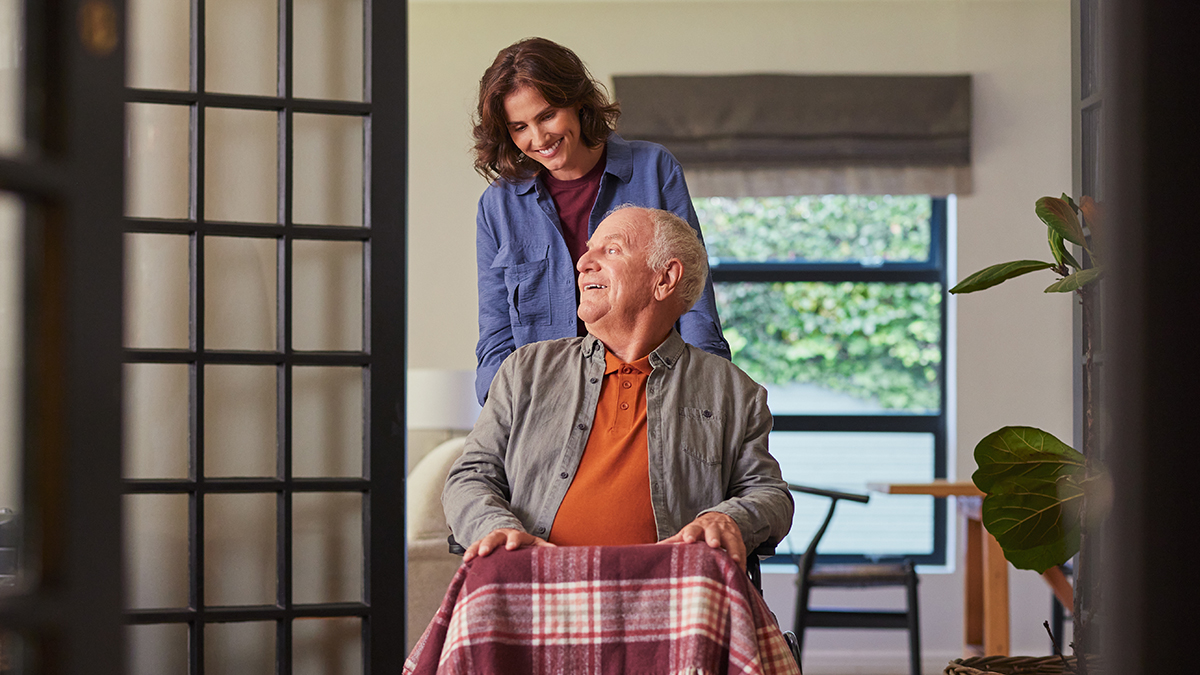
A study finds that helping others through volunteering or informal support can slow cognitive decline in adults over 50 by 15-20%, with 2-4 hours of weekly help being most beneficial, highlighting the importance of social engagement for brain health.

The author stopped using noise-canceling headphones for three months, which increased their safety, awareness of surroundings, social interactions, and overall confidence, leading to a more engaged and connected experience with the world around them.

Excessive alone time during adolescence can negatively impact brain development, particularly in areas related to social cognition and emotional processing, emphasizing the importance of meaningful social interactions for healthy teen development.

Research on SuperAgers—people over 80 with youthful cognitive abilities—reveals that social engagement and maintaining brain activity are key factors in preserving mental sharpness and protecting against dementia, with SuperAgers showing less brain atrophy and more social-related neurons, highlighting the importance of socializing for healthy aging.

Lifelong social housing in rats preserves memory and cognitive flexibility during aging by enhancing hippocampal activity and neural balance, highlighting social connection as a key factor in protecting brain health in old age.

A study using AI and historical footage reveals that pedestrians in three northeastern U.S. cities walk 15% faster and spend less time in public spaces since 1980, likely due to digital communication and the rise of indoor venues like coffee shops, indicating a shift in urban social dynamics.

The article explores the phenomenon of the 'Gen Z stare,' a term describing Gen Z's tendency to stare blankly during interactions, and discusses whether it reflects social awkwardness, boredom, or a broader societal shift. Experts suggest it may be more about authentic communication and the impact of screen time than a unique generational trait, emphasizing the importance of understanding larger social contexts.

A study shows that playing tennis can add nearly 10 years to your life, outperforming running and weight training, likely due to its high-intensity, social, and interval nature, which benefits cardiovascular health and emotional well-being.

Engaging in simple social interactions, such as talking to friends or even strangers, can effectively lower cortisol levels and reduce stress, contributing to better health and longevity, as supported by experts and studies on social relationships.