Tag

Space Stations

All articles tagged with #space stations

No Man's Sky Unveils Cosmos Update, Its Largest Overhaul Yet
technology1 month ago

No Man's Sky Unveils Cosmos Update, Its Largest Overhaul Yet

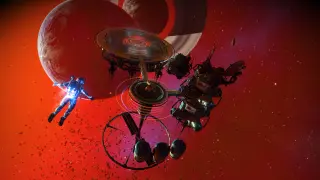
Hello Games releases the Cosmos update—the largest overhaul No Man's Sky has seen in 10 years—adding features like fully customizable space stations, new space outposts for alien trade, asteroid belts, Expeditions, a new star-system map, and galactic alliances with leaderboards; the free update marks the game's 10th anniversary and is available on all platforms.

Cosmos update unlocks orbital bases, alliances, and sun travel in No Man's Sky
gaming1 month ago

Cosmos update unlocks orbital bases, alliances, and sun travel in No Man's Sky

Hello Games’ No Man’s Sky Cosmos update overhauls space, letting players own and decorate space stations, build free-floating orbital bases, form alliances to run networked empires, discover space hulks and new trade outposts, and even reach the sun via a perilous voyage. The release also adds an alliance system and a limited-time expedition “Our Journey Continues,” with patch notes on Hello Games’ site and broad platform support across PC, consoles, Switch, VR, and Game Pass.

Tiangong Could Become Earth's Only Permanently Crew-Occupied Space Station If ISS Retires First
space1 month ago

Tiangong Could Become Earth's Only Permanently Crew-Occupied Space Station If ISS Retires First

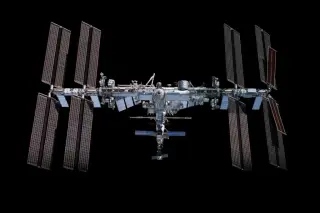
As of September 2026, Earth orbit hosts two continuously crewed stations—the ISS and China's Tiangong. If the ISS retires around 2030 before commercial replacements are ready, Tiangong could become the only permanently inhabited outpost in orbit. NASA aims to preserve continuity through overlapping crew rotations and a transition to commercial stations, with milestones like hardware testing, certification and coordinated rotations; a legislative extension to 2032 has been proposed, but no firm date is guaranteed. The final outcome will depend on hardware readiness, funding and policy decisions, and commercial plans could allow sustained but non-continuous occupancy rather than a full handover.

The Wheel That Wasn’t: A Century of Rotating Space Station Concepts
technology1 month ago

The Wheel That Wasn’t: A Century of Rotating Space Station Concepts

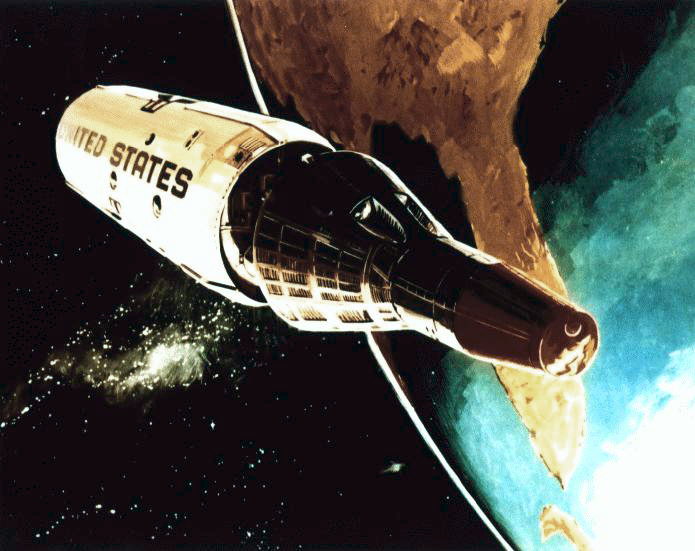
The article surveys the long-running fascination with rotating, gravity-generating space stations—from early ideas by Oberth and Noordung to mid‑century experiments (Convair’s MARS, TASSEL/MTSS, Olympus, MOL) and the Soviet‑era Salyut/Almaz programs—progressing through docking milestones and into the modular, non‑rotating habitats of Skylab and Mir. Despite serious engineering interest in artificial gravity, the cost and practicality kept wheels from becoming reality, so rotating stations remained theoretical while non‑rotating, modular stations became the practical path forward. The piece closes by echoing the irony that the “wheel” concept has persisted as history’s curiosity rather than a future reality.

Bezos envisions a trillion humans living in space to spark breakthroughs
space6 months ago

Bezos envisions a trillion humans living in space to spark breakthroughs

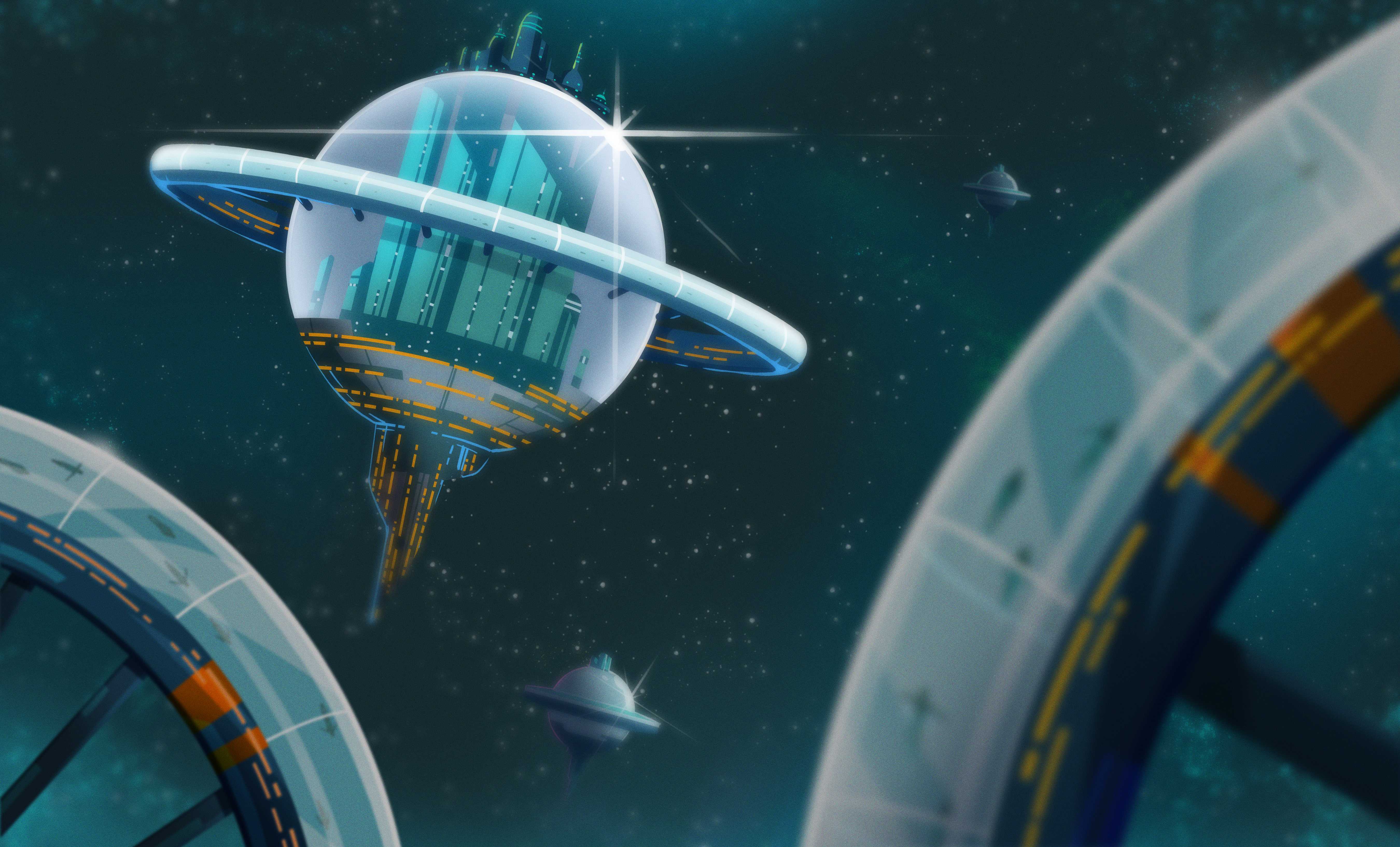
Amazon founder Jeff Bezos said on the Lex Fridman Podcast that he would love to see a trillion humans living in the solar system, with giant rotating space stations capable of hosting cities, farms, and industry. He argues more people could drive breakthroughs—“1,000 Mozarts and 1,000 Einsteins”—and emphasizes moving beyond planetary surfaces while Earth remains a protected base. The plan centers on reducing the cost of getting materials into space (via Blue Origin and related efforts) to enable this long‑term expansion, though no timeline is provided.

A New Orbit: Replacing the ISS With Moon-Targeted Space Stations
technology6 months ago

A New Orbit: Replacing the ISS With Moon-Targeted Space Stations

As the International Space Station nears retirement around 2030, global space agencies and commercial players are pursuing a crowded array of successors: NASA/ESA/CSA/JAXA’s Lunar Gateway around the Moon, China’s planned Tiangong expansion, Russia’s shift to reusing ISS modules as the Russian Orbital Station, and India’s Bharatiya Antariksh Station, with timelines extending to 2035 and beyond. The ISS’s aging hardware and health concerns spur these plans, while a growing slate of science, exploration, and commercial missions edge orbital activity closer to the Moon and beyond. A Part II on commercial concepts is promised.

Former NASA Astronaut Joins Vast as Haven-1 Integration Advances, Launch Slips to 2027
technology8 months ago

Former NASA Astronaut Joins Vast as Haven-1 Integration Advances, Launch Slips to 2027

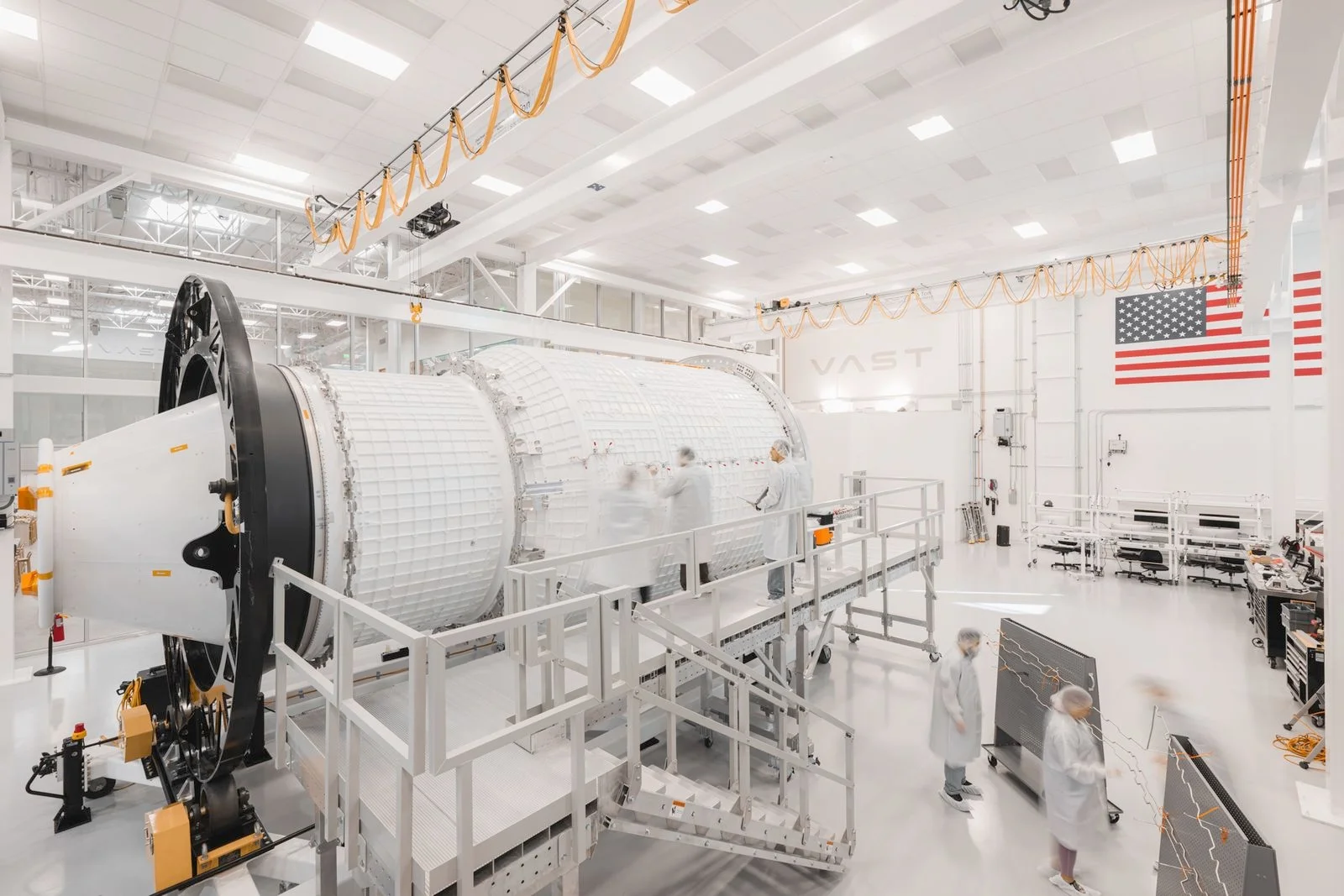
Vast has hired former NASA astronaut Megan McArthur as an astronaut adviser to support Haven-1’s development, joining a cadre of ex-astronauts guiding the project. Haven-1 has begun integration in Long Beach with systems and avionics work, interior outfitting, and exterior shielding. The launch has shifted from mid-2026 to the first quarter of 2027, as the company emphasizes safety and maturation of its design, manufacturing, testing, and operations for future stations.

"NASA Pays SpaceX $843M to Deorbit ISS Amid Controversy"
space-exploration2 years ago

"NASA Pays SpaceX $843M to Deorbit ISS Amid Controversy"

NASA has awarded SpaceX an $843 million contract to safely deorbit the International Space Station by 2030. SpaceX is also involved in launching new space stations for various companies, ensuring continued low-Earth-orbit research. While SpaceX is not publicly traded, its involvement boosts the value of other companies like Airbus, which is part of the Starlab team.

"Iconic Architectural Marvel Set for Dismantling: Future Uncertain"
space-exploration2 years ago

"Iconic Architectural Marvel Set for Dismantling: Future Uncertain"

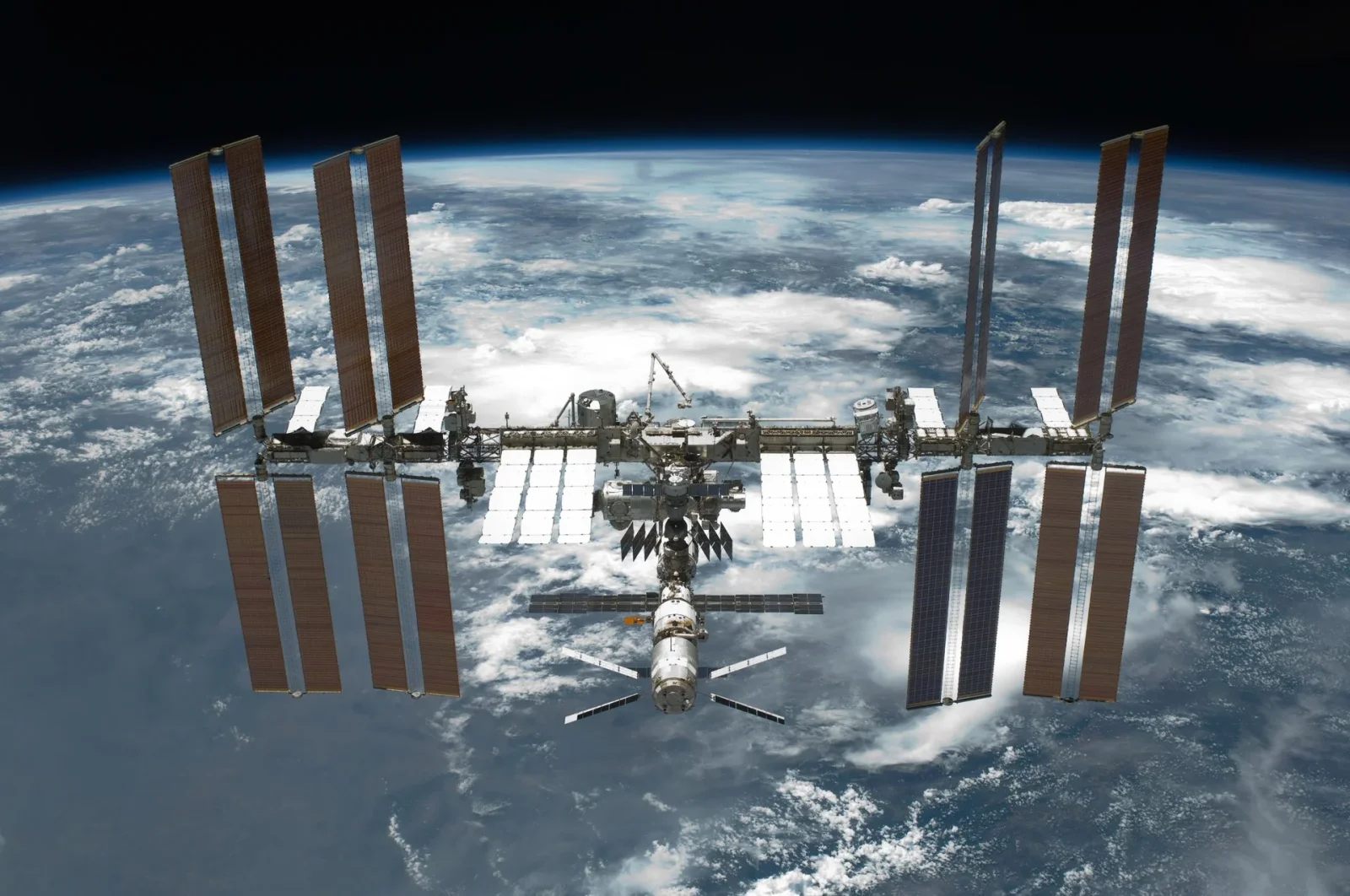
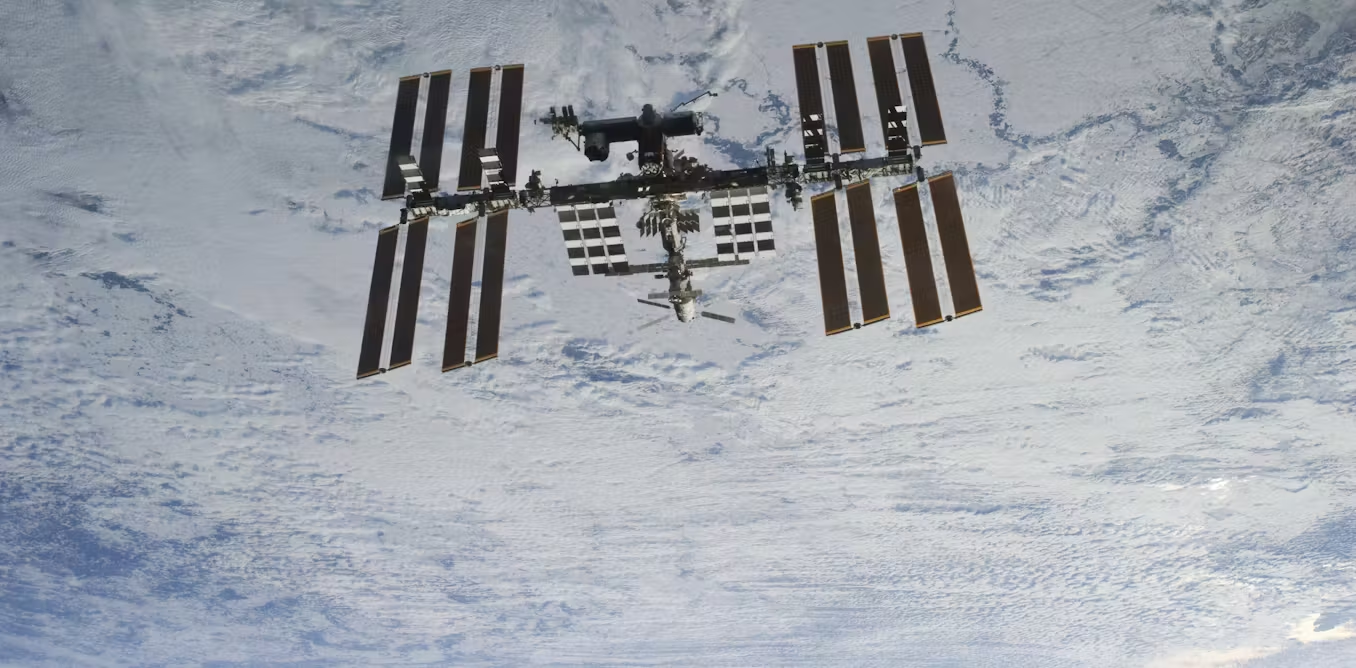
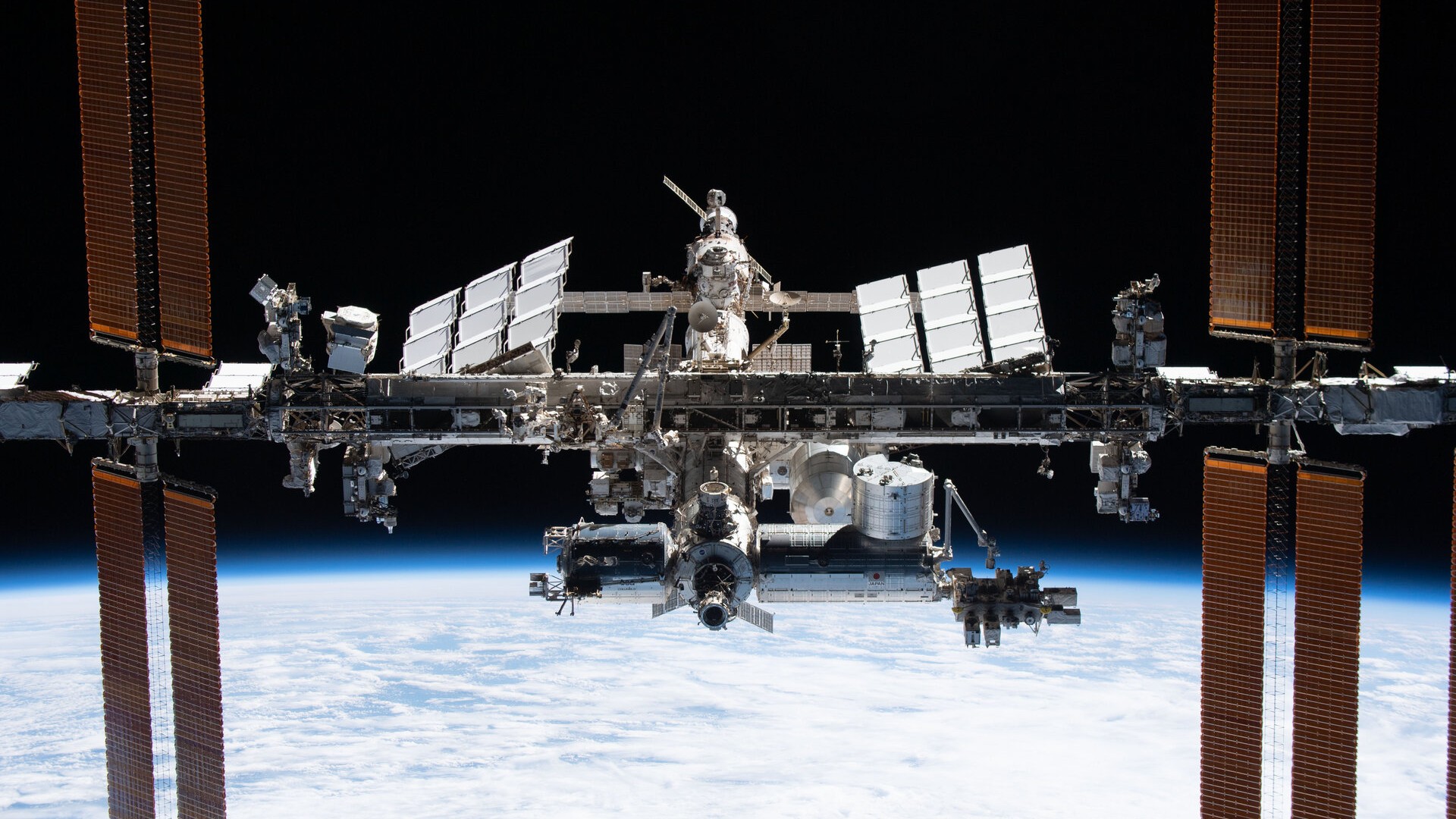
The International Space Station (ISS), a symbol of international cooperation and human exploration, will be decommissioned by 2030. Future space stations will be privately owned, with NASA as a key customer. This shift marks the end of an era of government-led space collaboration, raising concerns about the loss of continuous human presence in space and the unique international partnerships the ISS fostered.