Anthropic says its Opus 4.7 AI model delivers more tasteful and creative outputs for professional tasks, aiming to align results with expert judgment in areas like interfaces, slides, and docs. The piece highlights a broader debate about whether AI can possess genuine 'taste,' noting industry buzz and parallel efforts by other firms, while skeptics question the notion of machines truly selecting winners.
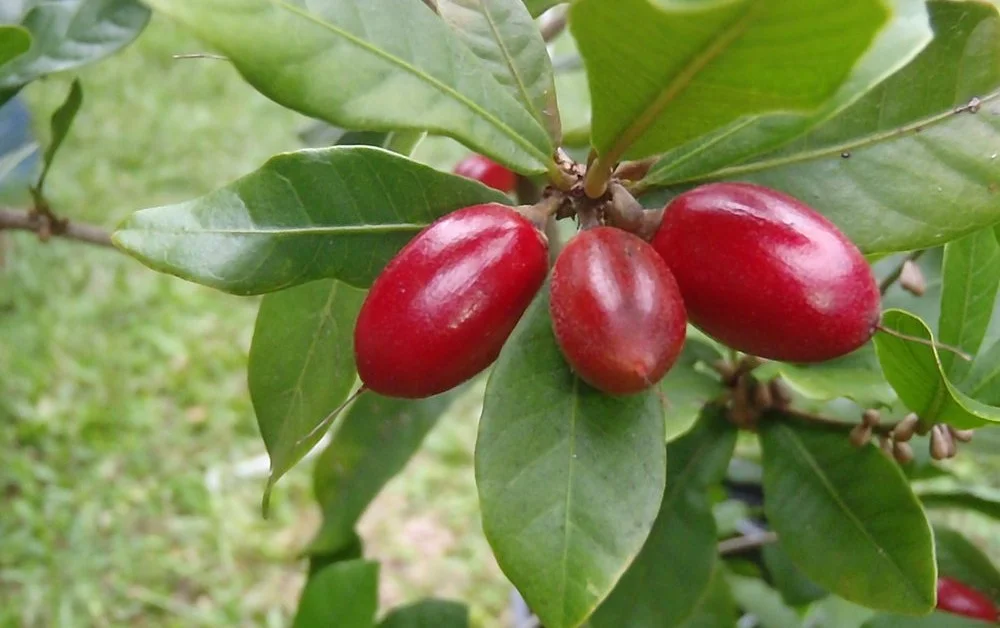
A West African fruit known as miracle berry, containing the glycoprotein miraculin, temporarily makes sour foods taste sweet and can help chemo patients overcome a metallic, metallic-tasting mouth (chemo mouth) for about 30–40 minutes, allowing meals to be enjoyed again. While not a cancer treatment, the berry can restore appetite and flavor perception; it’s commonly grown in Florida, sold in freeze-dried form, and even available on Amazon.
Research shows that champagne's taste can be affected by storage time, altitude, and environment, with older bottles losing carbonation and altitude affecting flavor perception; drinking champagne soon after purchase is recommended for optimal taste.
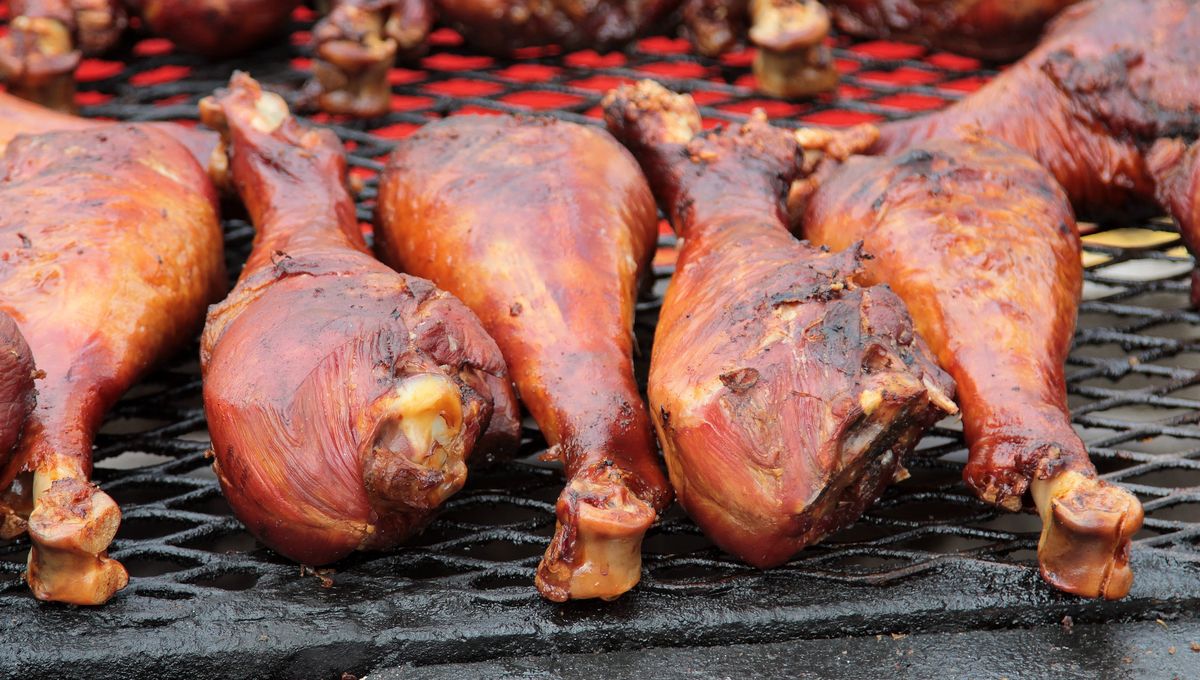
The article explores the possibility of eating dinosaur meat, suggesting that herbivorous dinosaurs like Triceratops and Stegosaurus might have been tasty, while carnivores like T. rex would likely have been unpleasant. Paleontologist Steve Brusatte believes dinosaur meat could have been edible and enjoyable, though some species might have been toxic. The article also discusses modern poisonous birds and their toxins, which are acquired through diet, raising questions about the safety of consuming ancient creatures.
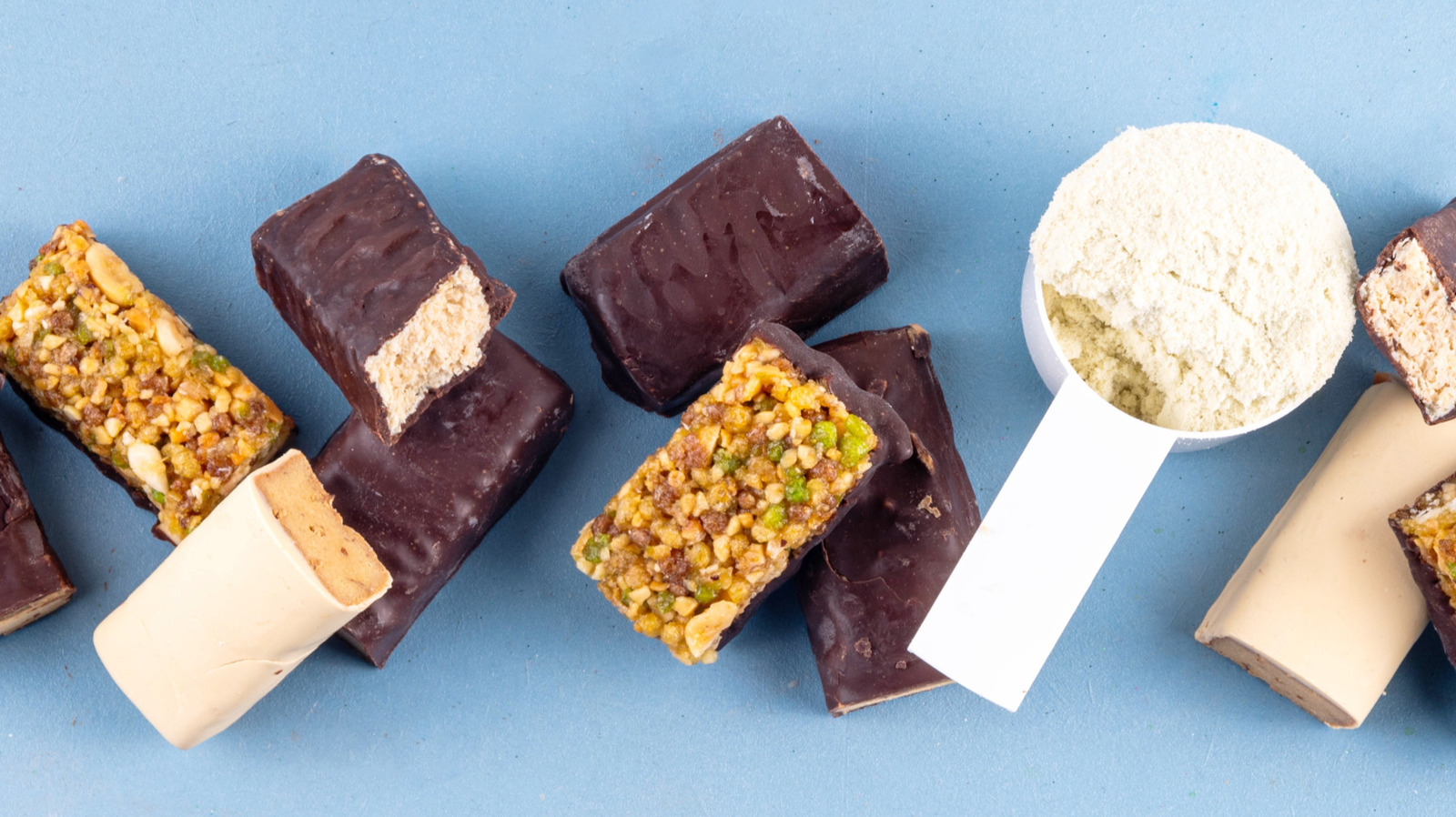
Built Puff protein bars are highly rated for their dessert-like taste and soft, marshmallow-like texture, making them a popular choice among consumers seeking a tasty, high-protein snack with only 6 grams of sugar. They contain collagen and whey protein, with 17 grams of protein per bar, and are praised for their flavor and texture, standing out from more traditional, less appealing protein bars. Despite not being plant-based, their flavor and texture have earned them high reviews, making them a top pick in the protein bar market.
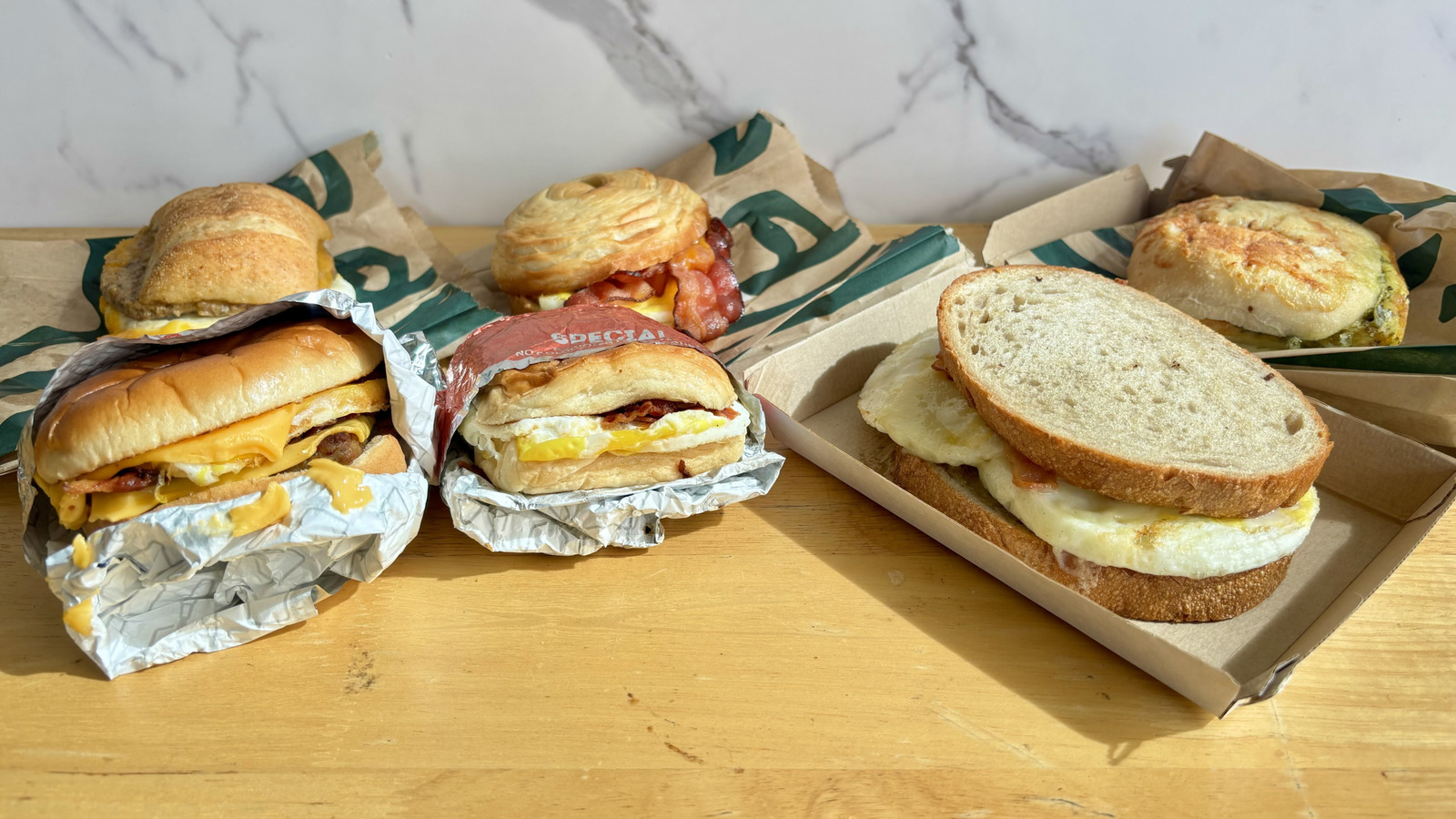
The article ranks various fast food egg sandwiches from worst to best, based on taste, texture, and convenience for on-the-go eating. The Wendy's Breakfast Baconator tops the list for its flavorful combination of sausage, bacon, and cheese sauce, while McDonald's Sausage McMuffin with Egg ranks lowest due to its simplicity and dryness. The rankings consider factors like flavor balance, texture, and ease of eating while traveling.
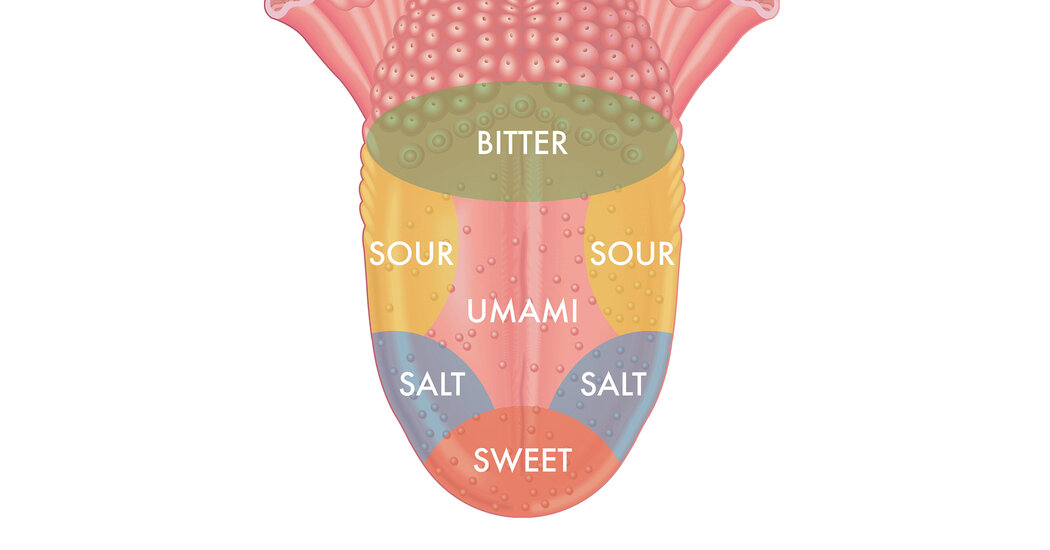
The long-held belief that specific tastes are confined to certain areas of the tongue is a myth, debunked by decades of research. The original 1901 study by David Hanig, often misinterpreted, actually measured sensitivity rather than segregation of tastes. Taste receptors are not limited to the tongue but are also found in various organs throughout the body, playing a complex role in signaling the brain about nutrients and toxins.
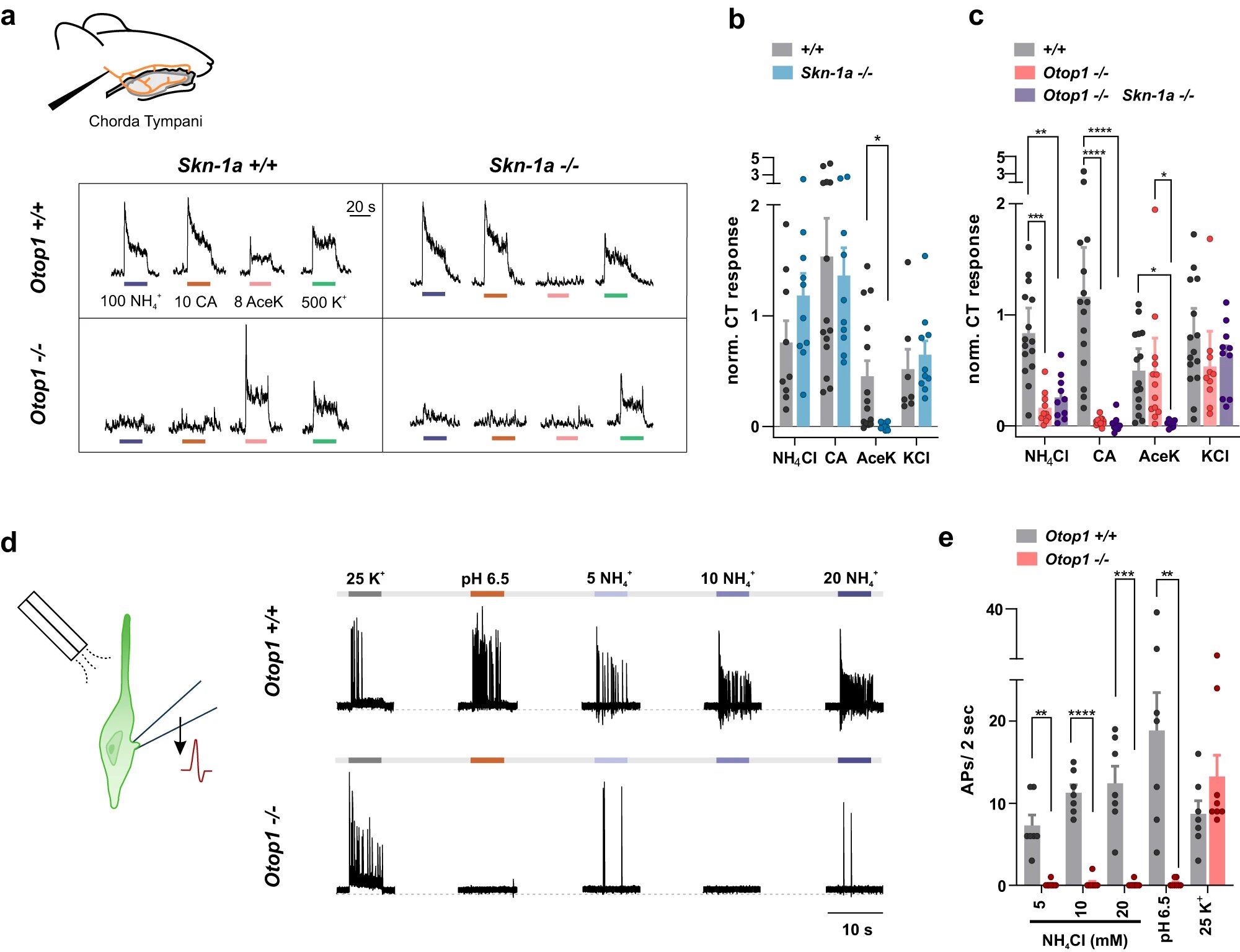
Scientists have discovered evidence for a potential sixth basic taste related to the detection of ammonium chloride through the protein receptor OTOP1. The tongue responds to ammonium chloride through the same protein receptor that signals sour taste. This finding could redefine our understanding of taste and its evolutionary significance, as the ability to taste ammonium chloride may have evolved to help organisms avoid consuming harmful substances. Further research is needed to understand species differences in sensitivity to ammonium and the role of OTOP1 channels in other parts of the body.
Scientists at USC Dornsife College of Letters, Arts and Sciences have discovered evidence of a sixth basic taste. The research, published in Nature Communications, reveals that the tongue responds to ammonium chloride through the same protein receptor that signals sour taste. The protein, called OTOP1, detects acid and also responds strongly to ammonium chloride. The study found that mice with a functional OTOP1 protein found the taste of ammonium chloride unappealing and did not drink the solution, while mice lacking the protein did not mind the taste. The researchers speculate that the ability to taste ammonium chloride may have evolved to help organisms avoid consuming harmful substances. Further research is needed to understand species differences in sensitivity to ammonium and the role of OTOP1 channels in other parts of the body.
Researchers at Penn State have developed an electronic "tongue" that mimics how taste influences our food choices based on both physiological needs and psychological urges, potentially paving the way for AI systems with emotional intelligence. The artificial gustatory system, created using 2D materials, aims to replicate human taste receptors and decode gustation processes. Future applications could include AI-curated diets, personalized meal suggestions, and advancements in other sensory inputs. The researchers also plan to expand the taste range and integrate the gustatory circuit into a single chip. This research could lead to the development of advanced AI systems with emotional intelligence in various domains.
Loss of smell and taste, once considered a hallmark symptom of COVID-19, has become less common in recent waves of the virus, with only a small fraction of new patients reporting it. Research suggests that the prevalence of chemosensory loss has decreased from 50% early in the pandemic to 3-4% in more recent Omicron waves. The changing symptoms of the virus, as new variants emerge and immunity from infections and vaccinations offer defenses, have been observed in multiple studies. Researchers have also found clues as to why some patients do not recover their sense of smell or taste after infection, with ongoing inflammation driven by the immune system's T cells potentially causing damage or preventing repair. These findings could lead to new treatments that target the immune response and promote nerve cell regeneration. Currently, olfactory training and certain drug treatments are being used, but many patients eventually recover their sense of smell on their own.
Loss of smell and taste, once a prominent symptom of COVID-19, has become less common in recent waves of the virus, with only 3% to 4% of new patients reporting it. Research suggests that changes in symptoms may be due to new variants and increased immunity from infections and vaccinations. Studies have shown that a heightened immune response may be targeting nerve cells in the nose, leading to ongoing inflammation and damage. These findings could pave the way for new treatments to promote nerve cell regeneration and recovery. Currently, treatment options include olfactory training and experimental treatments using platelets. However, many patients eventually recover their sense of smell on their own over time.
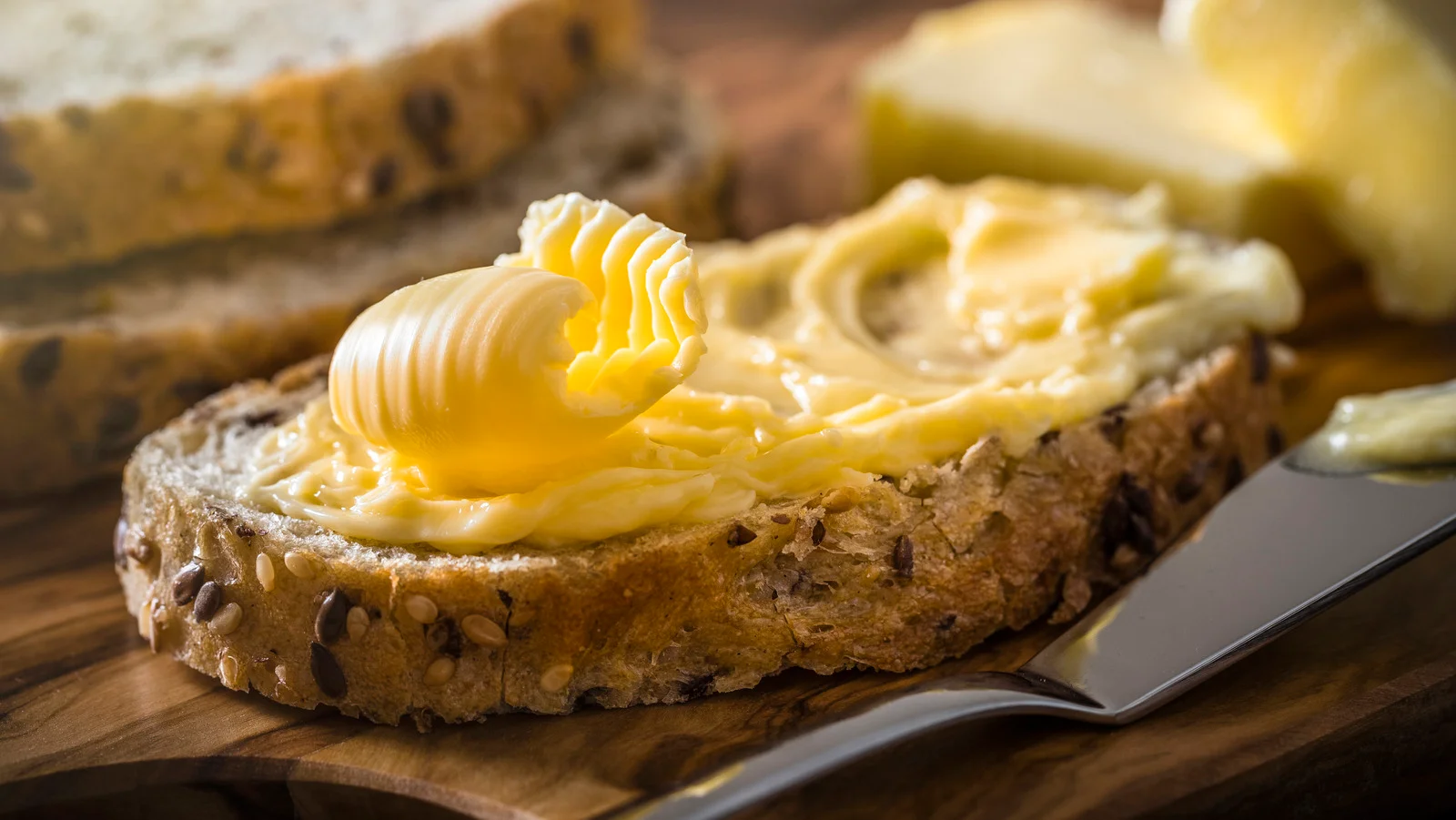
The butter in restaurants tastes better than at home due to a couple of factors. Restaurants use fresh butter, while at home, butter is often stored in the fridge for weeks. Additionally, restaurants store their butter at room temperature, which enhances its spreadability and taste. Individual packets of butter are also used in restaurants, ensuring freshness until the consumer is ready to use it.
Spinach and kale are both nutrient-dense leafy greens that offer numerous health benefits. While kale is often referred to as a "superfood," both greens are rich in fiber, vitamins, and minerals. Spinach provides more folate, vitamin A, and vitamin K per serving, while kale offers more calcium and vitamin C. Both greens have a mild, earthy flavor and can be enjoyed raw or cooked in a variety of dishes.
A comprehensive ranking of the 10 best cranberry juice brands, from worst to first, has been compiled by tasting and evaluating their taste and nutritional value. Apple & Eve and 365 Whole Foods Market's organic cranberry juice were found to be lacking in cranberry flavor, while R.W. Knudsen's Just Cranberry Juice was deemed too bitter. Old Orchard's Healthy Balance Cranberry Juice was the healthiest option, while Lakewood's Pure Cranberry Juice was praised for its tart explosion of cranberry flavor. Market Pantry's cranberry juice was also included in the ranking.