Tag

Viruses

All articles tagged with #viruses

AI in biotech sparks biosecurity debate: can safeguards keep pace?
science-and-technology16 days ago

AI in biotech sparks biosecurity debate: can safeguards keep pace?

AI-based biology tools can design proteins, toxins, and even viruses, prompting debate over safeguards: some researchers say current risk is limited and production requires expertise, while others warn AI could empower bad actors. The discussion spans whether to restrict biological AI or to improve detection and screening of DNA orders; experiments show screening can be bypassed but improvements reduce risk. Policy efforts such as DNA-synthesis screening, guard rails, and international guidelines are evolving as scientists push for responsible AI practices, acknowledging the threat is serious but not inevitable.

Lab Ultrasound Strategy Ruptures Enveloped Viruses, Offering a New Antiviral Avenue
science19 days ago

Lab Ultrasound Strategy Ruptures Enveloped Viruses, Offering a New Antiviral Avenue

Lab experiments show ultrasound in the 3–20 MHz range can cause acoustic resonance to rupture the envelopes of enveloped viruses like SARS-CoV-2 and influenza A (H1N1), rendering them non-infectious in cell models while leaving host cells unharmed. It's a promising, non-invasive approach, but still early—not a treatment yet—with ongoing work to refine frequencies and test other viruses.

Flexible nanopillar film ruptures viruses on contact
science-tech1 month ago

Flexible nanopillar film ruptures viruses on contact

Researchers at RMIT developed a lightweight, flexible acrylic film with thousands of nanoscale pillars that mechanically rupture viral envelopes on contact, inspired by insect wing textures. Lab tests with human parainfluenza virus type 3 showed up to 94% of virus particles were destroyed within an hour. Pillar spacing (around 60 nanometers) mattered more than pillar height, and the scalable molding process could enable antiviral coatings for phones, hospital equipment, and public transit—providing a chemical-free alternative to disinfectants, though real-world durability remains to be tested.

Plastic micro-habitats in soil spark microbial battlegrounds, reshaping farm soil health
environment2 months ago

Plastic micro-habitats in soil spark microbial battlegrounds, reshaping farm soil health

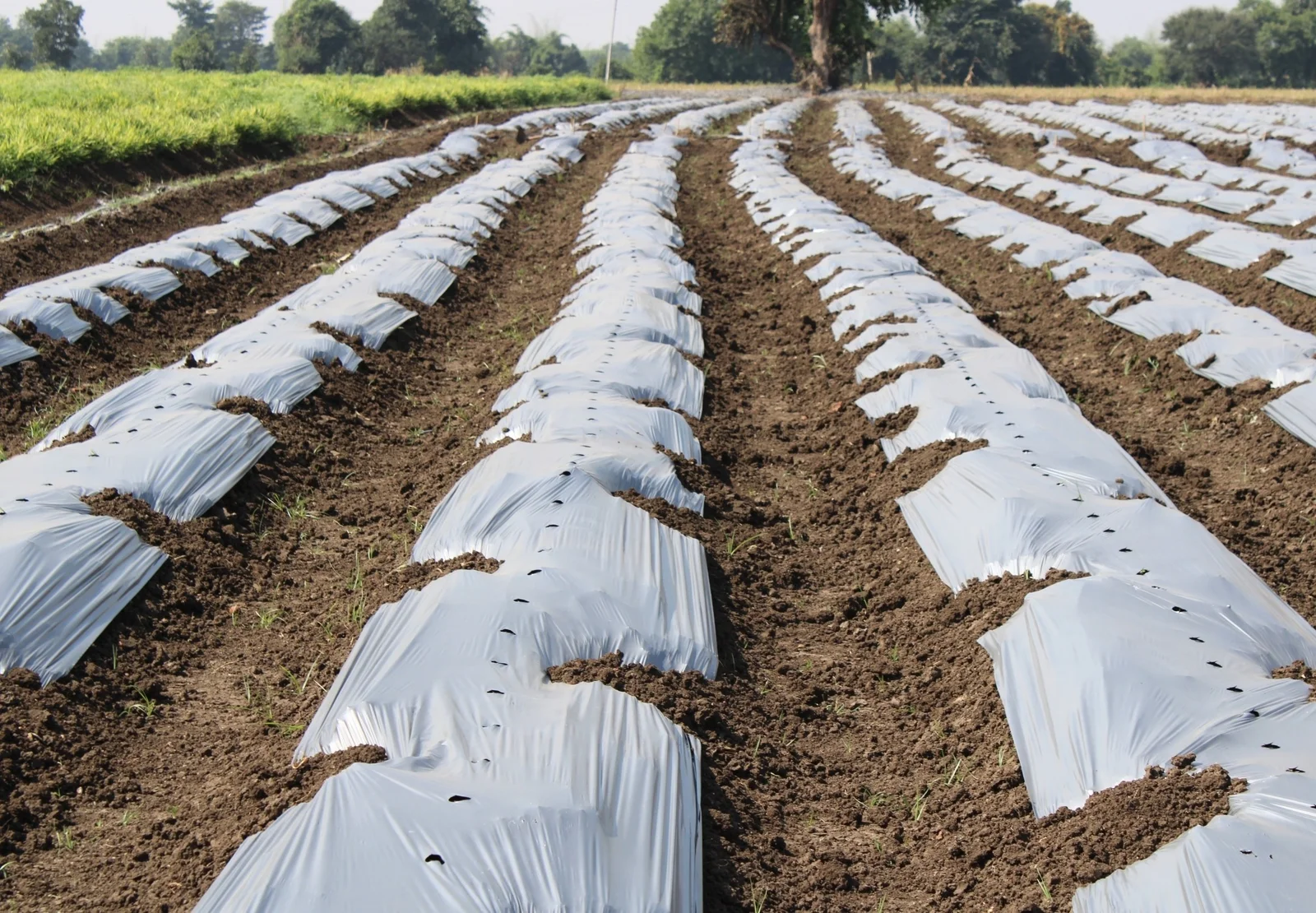
A scientific review finds microplastics in agricultural soils form plastisphere microhabitats that host dense microbial networks and virus-mediated gene exchange, potentially altering soil fertility and nutrient cycling. While researchers explore virus-assisted plastic degradation, long-term field data and biosafety considerations remain uncertain, underscoring the need for multidisciplinary study to understand and manage these tiny but influential ecosystems.

Dragon Hole: Deep-Sea Sinkhole Unveils 1,730 Unknown Viruses
science4 months ago

Dragon Hole: Deep-Sea Sinkhole Unveils 1,730 Unknown Viruses

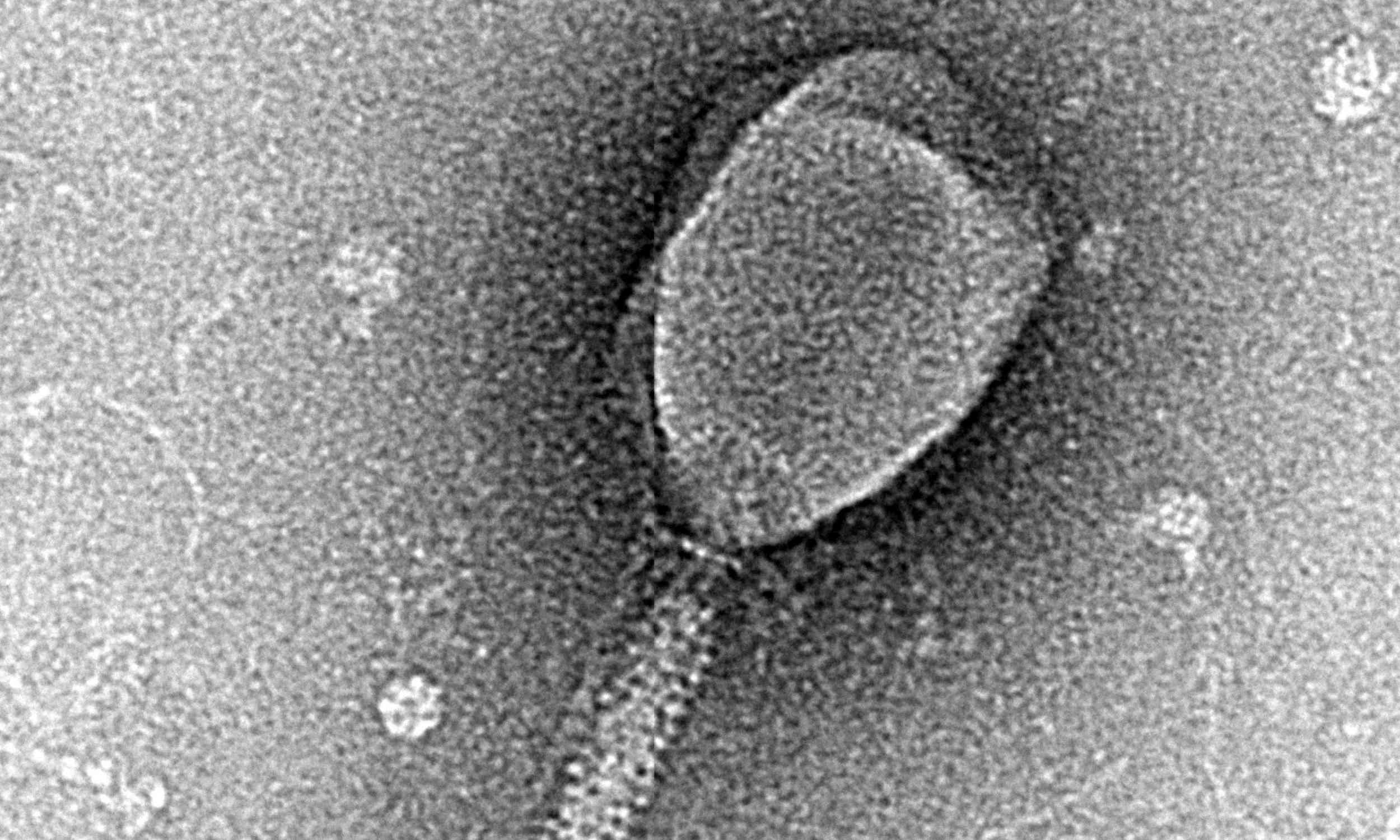
A near-1,000-foot-deep underwater sinkhole in the South China Sea, called Dragon Hole, hosts oxygen-free layers and distinct microbial ecosystems. Researchers grew 294 bacterial strains (over 22% new) and identified about 1,730 viral types—mostly phages—with many undiscovered viruses in the deeper anoxic zones, suggesting a sealed, extreme-environment microbial world.

Winter’s Real Culprits: Viruses, Not Cold Air
health4 months ago

Winter’s Real Culprits: Viruses, Not Cold Air

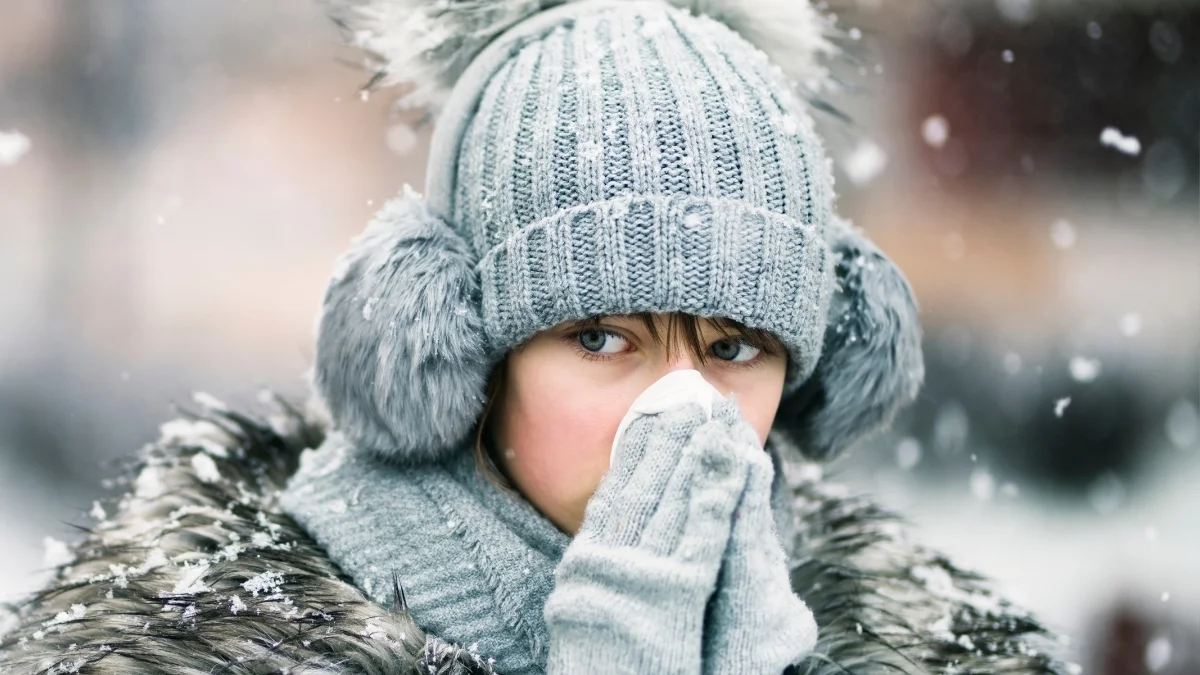
Cold weather doesn’t cause colds or flu; viruses do. Winter conditions raise infection risk by aiding viral survival in cold, dry air and by promoting indoor crowding, while cold exposure can weaken nasal defenses. Prevention focuses on better ventilation and humidity, plus supporting immune health (e.g., vitamin D). Public health messages should emphasize transmission routes rather than cold exposure alone.

AI's Potential to Design Deadly Biological Weapons
science-and-technology4 months ago

AI's Potential to Design Deadly Biological Weapons

Scientists have used AI to design viruses from scratch and to modify toxins to bypass safety checks, raising concerns about the potential for AI-assisted bioweapons. While these advances can aid in medical treatments like phage therapy, they also pose dual-use risks, prompting efforts to strengthen screening protocols, regulatory policies, and international standards to prevent misuse. Despite technological progress, significant challenges remain before AI-designed pathogens could become a real threat, emphasizing the need for robust biosecurity measures.