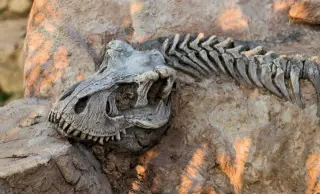
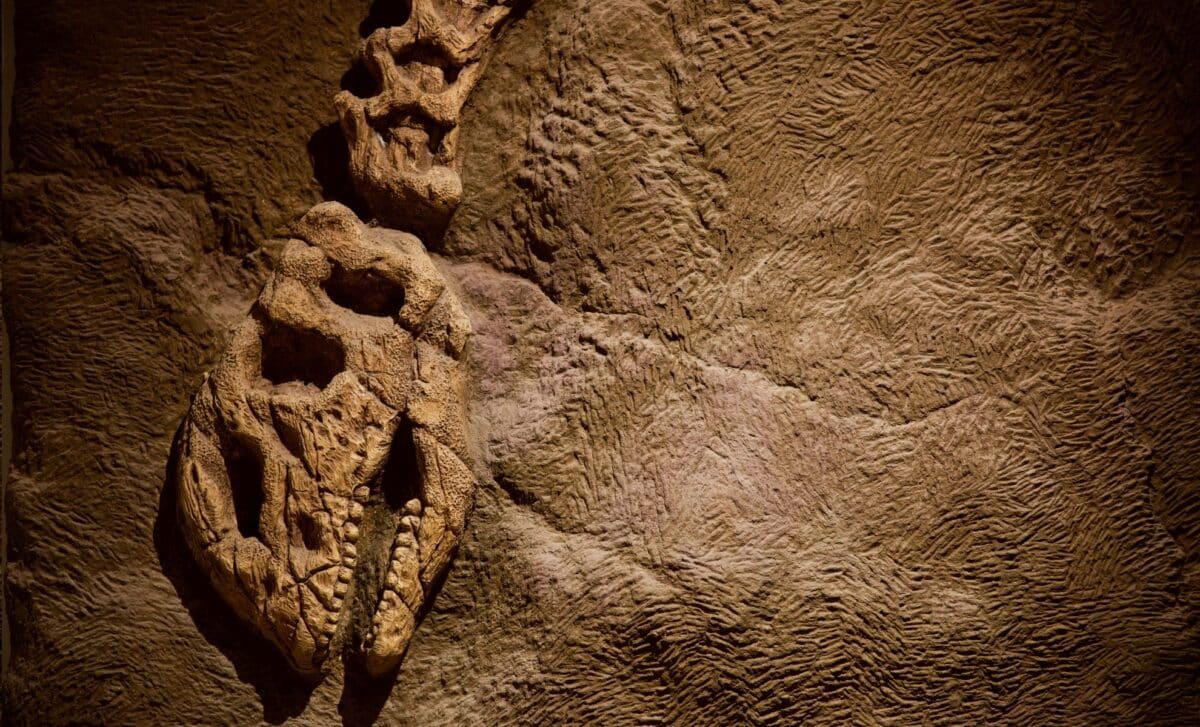
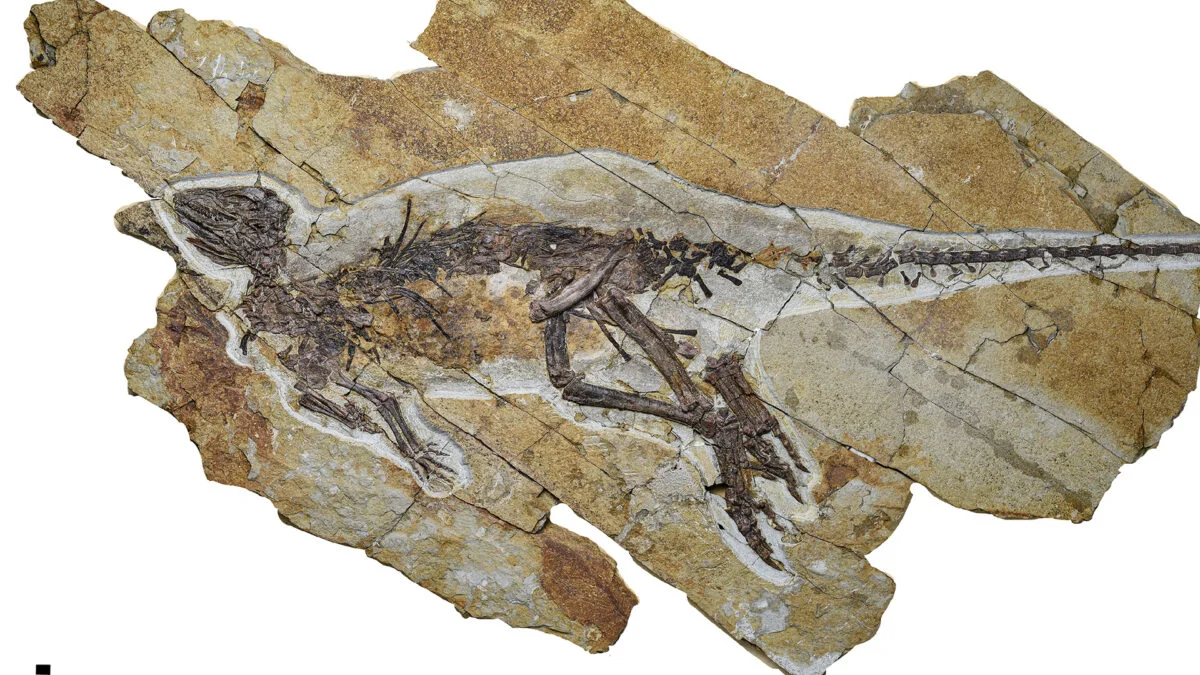
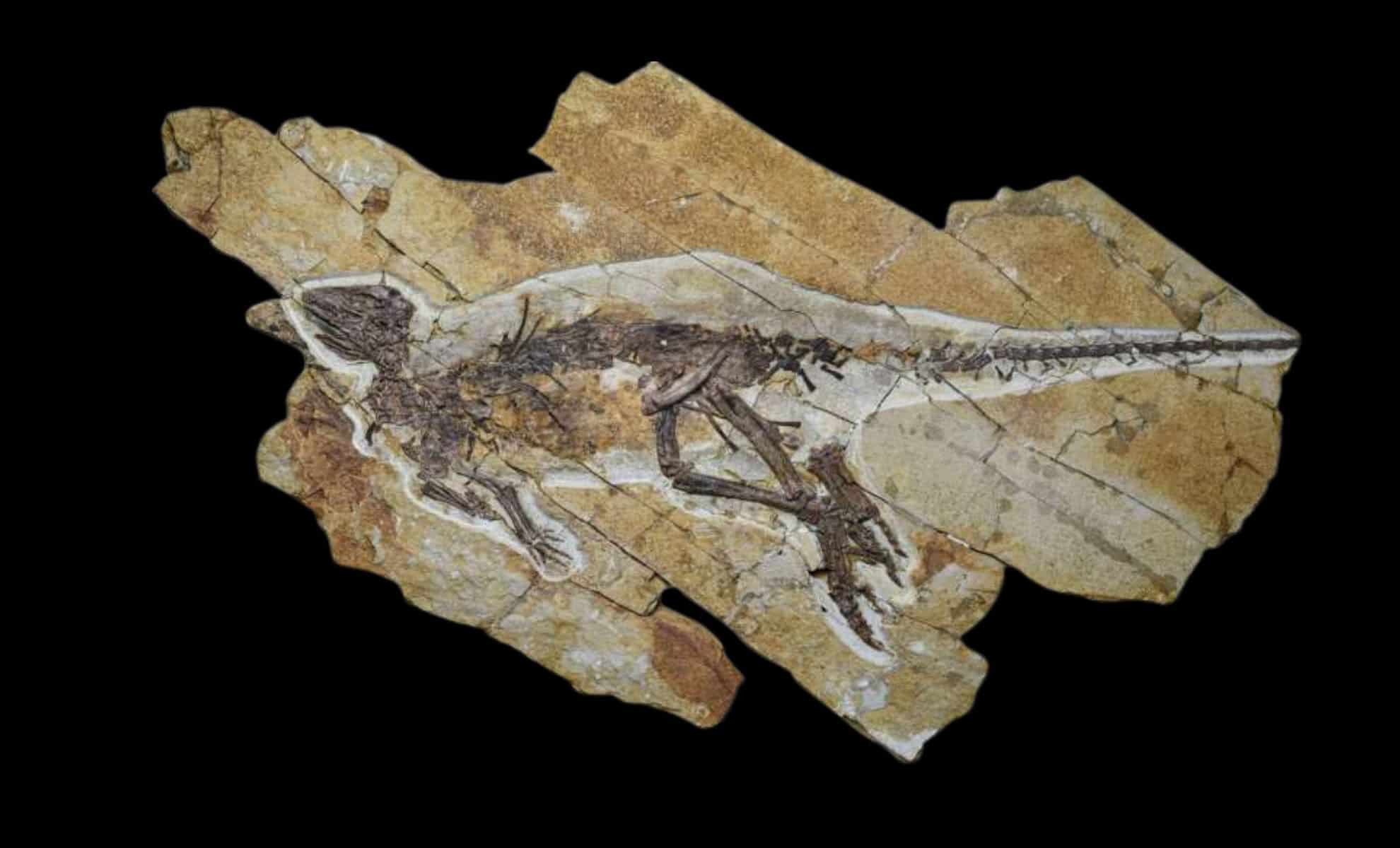
A small Jurassic dinosaur, Pulaosaurus qinglong, preserved an ossified larynx indicating bird-like vocalization, implying some non-avian dinosaurs chirped and called to one another rather than roaring.
A Tufts-led study in Current Biology found that some dogs—especially Samoyeds—can adjust their howl pitch to match changes in music, unlike Shiba Inus, suggesting breed-linked genetics and implying musical ability may predate human language.
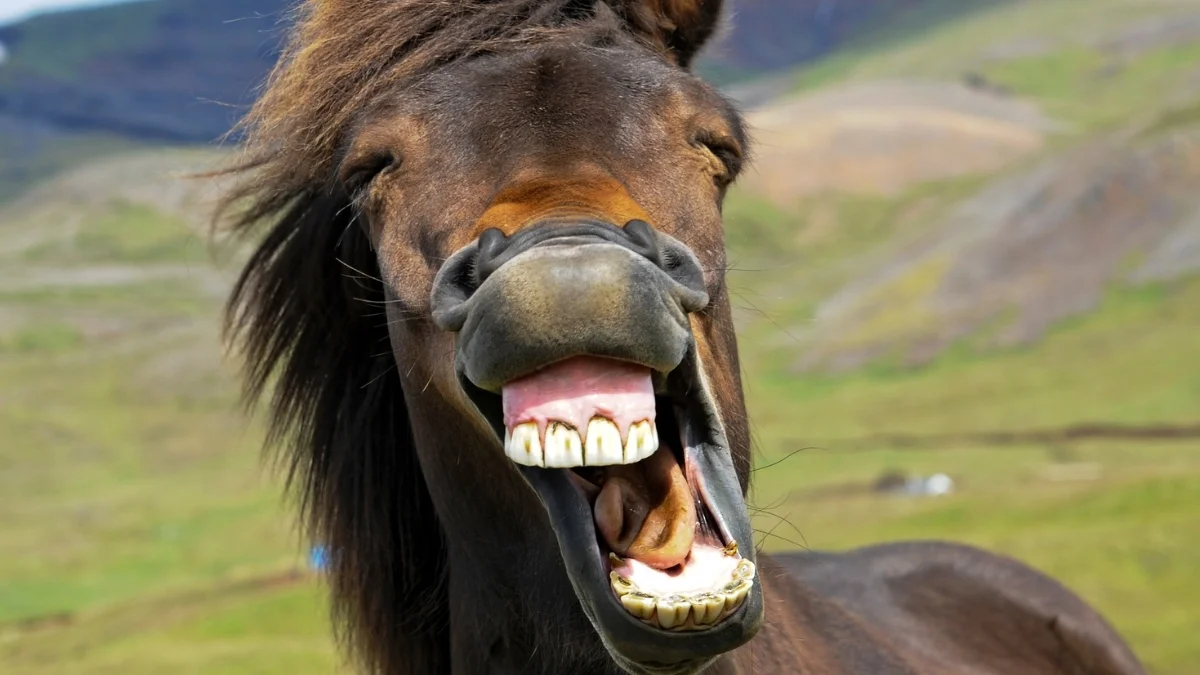
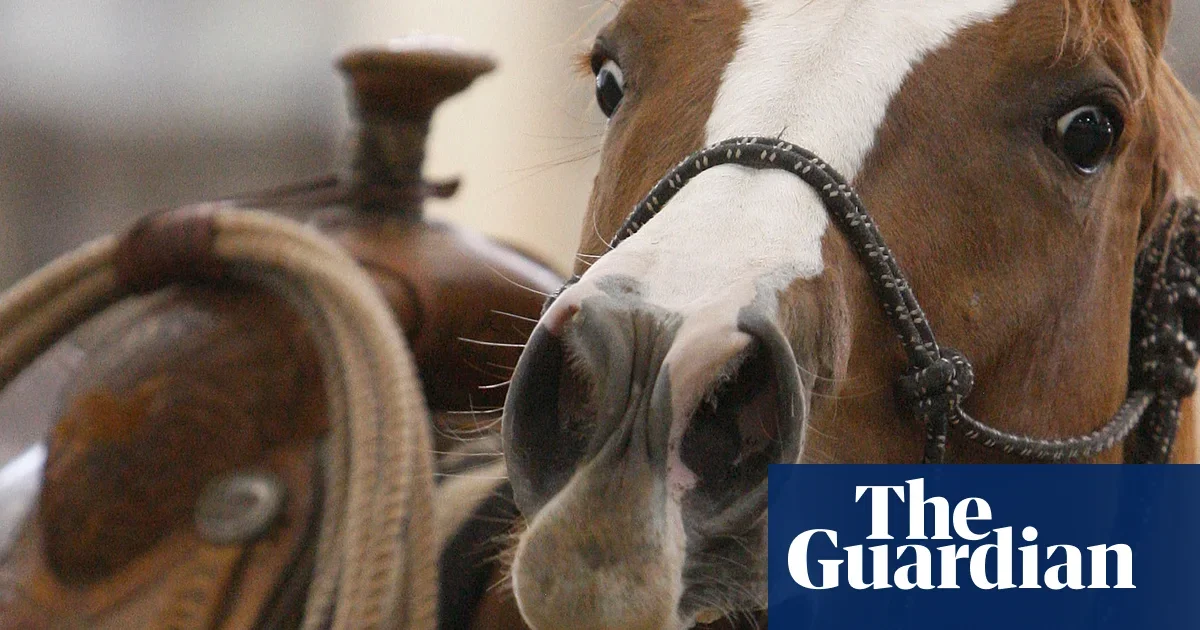
A study in Current Biology finds that the horse’s whinny is a two-tone sound: a low-pitched element from air vibrating in the voice box and a separate high-pitched whistle produced just above it. Using endoscopic imaging and dissections, researchers showed horses are the first large mammals known to whistle via their voice box while singing, a feature that may help convey multiple emotions in social interactions.
A new study shows the horse’s neigh is a two-tone sound: a low-pitched voice-box vibration paired with a high-pitched whistle that escapes through a tiny opening. Researchers filmed inside horses’ noses and analyzed dead horses’ laryngeal tissues to confirm the dual mechanism, making horses the first known large mammals to whistle while they vocalize. The two frequencies may help convey multiple emotions or messages during social interactions.
Two rare dinosaur fossils with preserved voice boxes (Pinacosaurus grangeri in Mongolia and Pulaosaurus qinglong in China) show these animals likely produced birdlike, closed‑mouth sounds rather than mammalian roars, challenging decades of Jurassic Park‑era depictions. The anatomy suggests avian‑type vocalization without a syrinx, while living archosaurs and prior studies point to potentially widespread but varied vocal strategies across dinosaur groups. Hadrosaurs used resonant crests for distinctive calls, highlighting a spectrum of sound production. Despite this breakthrough, preserved vocal anatomy is rare, so researchers caution against a single narrative about dinosaur sounds until more fossils are found.
A remarkably well-preserved fossil of the Jurassic herbivorous dinosaur Pulaosaurus qinglong was discovered with a rare ossified voice box, seeds, and stones in its stomach, providing new insights into its diet, feeding behavior, and potential vocal abilities, suggesting some dinosaurs may have produced complex sounds.
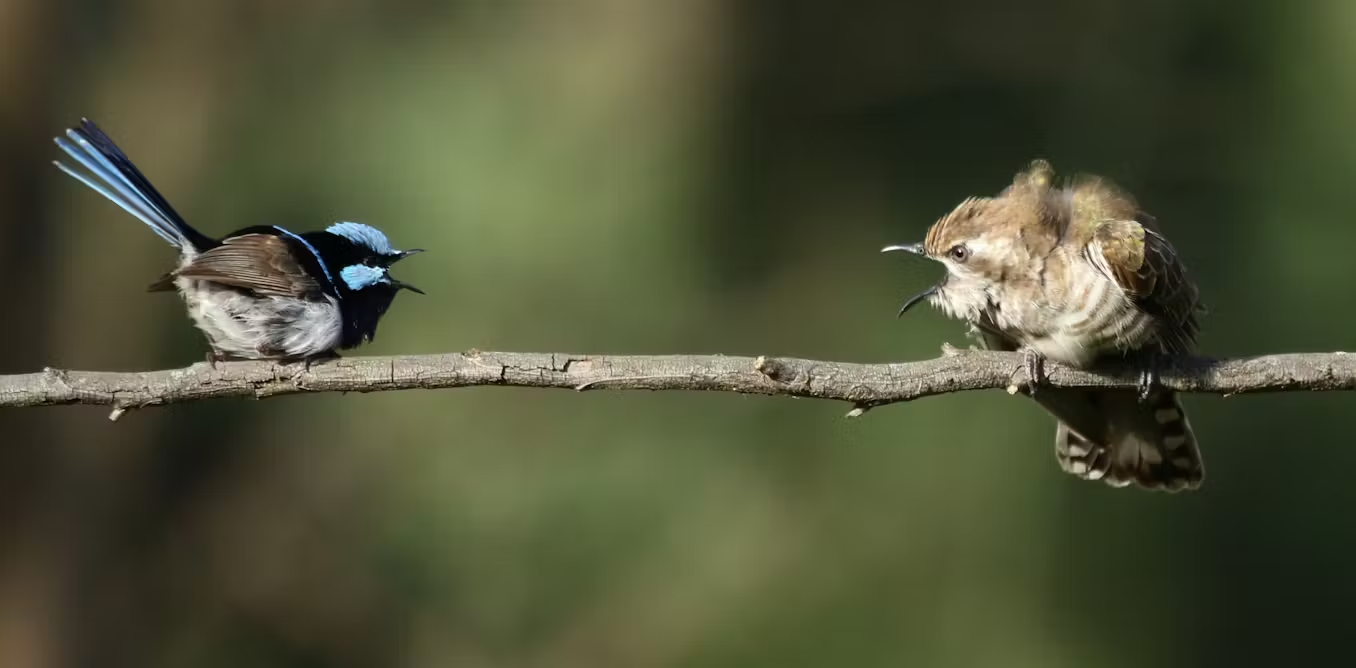
A study reveals that over 20 bird species worldwide use a similar alarm call to warn about brood parasites like cuckoos, with the call being both instinctive and learned, suggesting a potential evolutionary link to human language development.
In 1984, scientists at the NMMF observed unusual human-like vocalizations from beluga whales, especially NOC, who could mimic speech by manipulating his nasal passages and melon shape, highlighting the complex vocal abilities of belugas and their unique communication methods.
AI is being used to decode and understand animal speech, revealing complex communication patterns in species like bonobos, whales, and birds, and raising questions about whether animals can have their own languages or even talk back to humans.
Scientists discovered a 163-million-year-old dinosaur fossil, Pulaosaurus qinglong, with birdlike vocal structures, suggesting that the origins of birdsong may date back over 230 million years and that ancient dinosaurs might have chirped like birds.
A new dinosaur species, Pulaosaurus qinglong, discovered in China, challenges traditional views by likely chirping like a bird, based on fossilized vocal structures, and was a small herbivore, providing new insights into dinosaur behavior and communication.
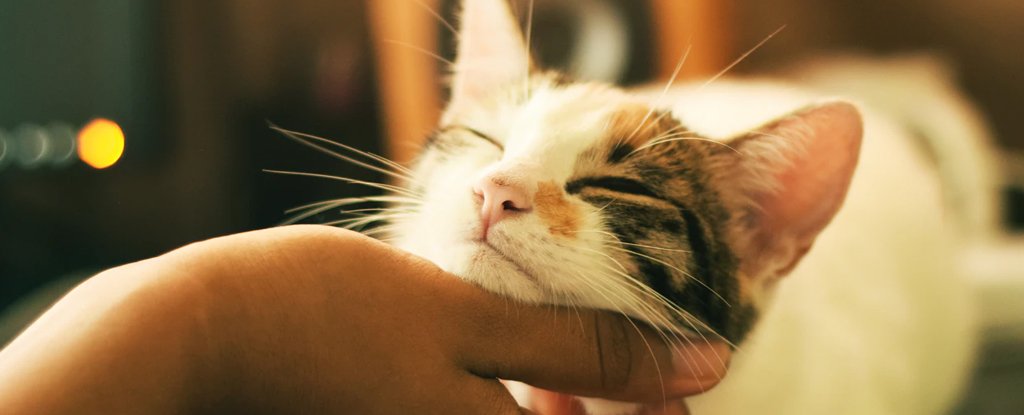
A Japanese study has identified a gene linked to cat purring, suggesting that domestication may have influenced this trait, and providing insights into the purpose and evolution of purring in cats.
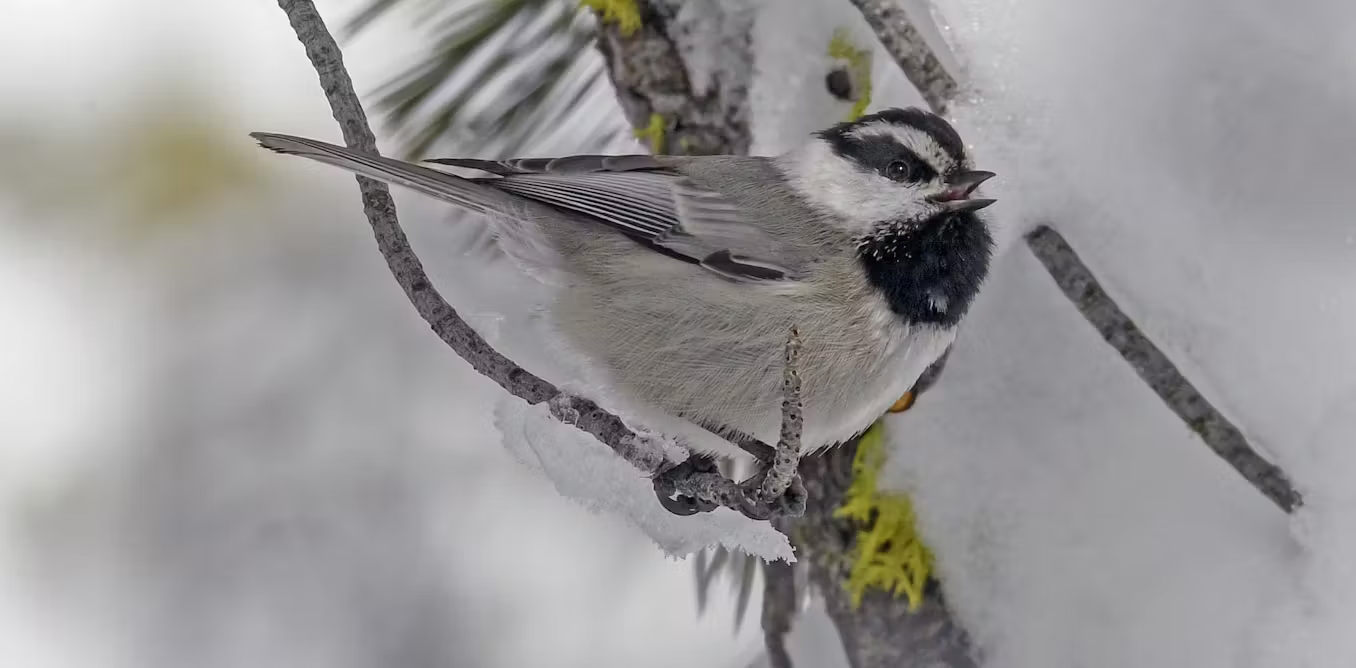
Scientists are studying the complex calls of mountain chickadees to understand how these social birds use vocalizations to convey detailed information, including food sources and social status, with their calls following systematic rules similar to grammar in human language.
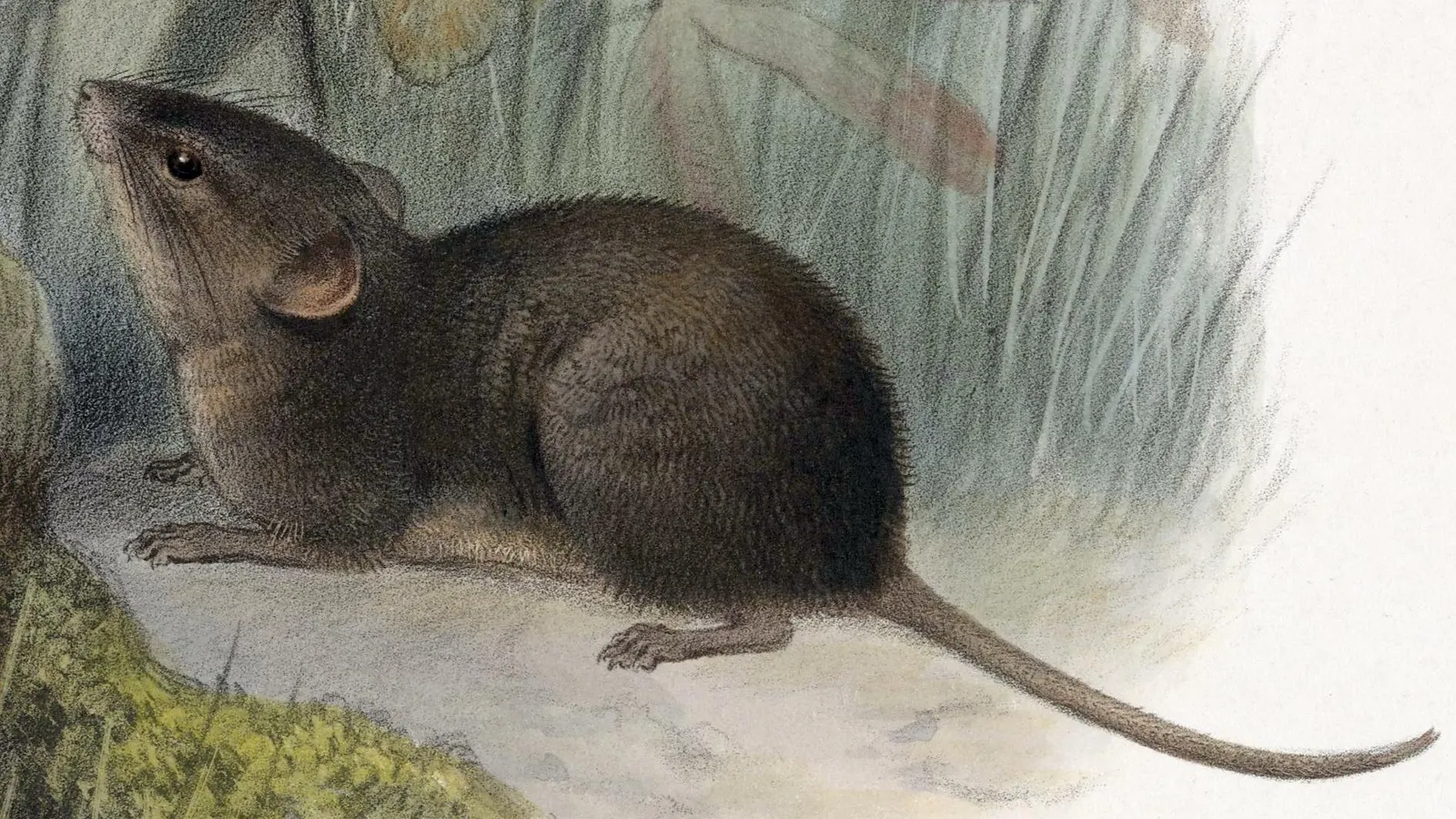
Alston's singing mice, found in Central America's highland cloud forests, are known for their complex vocalizations that serve social functions like territory defense and mate attraction. These mice engage in "sing-offs" to avoid physical confrontations, using precise neural circuits similar to those in humans and songbirds. Their high-pitched songs are an adaptation to avoid predators and are studied for insights into communication and speech disorders, highlighting the evolutionary parallels in vocalization across species.
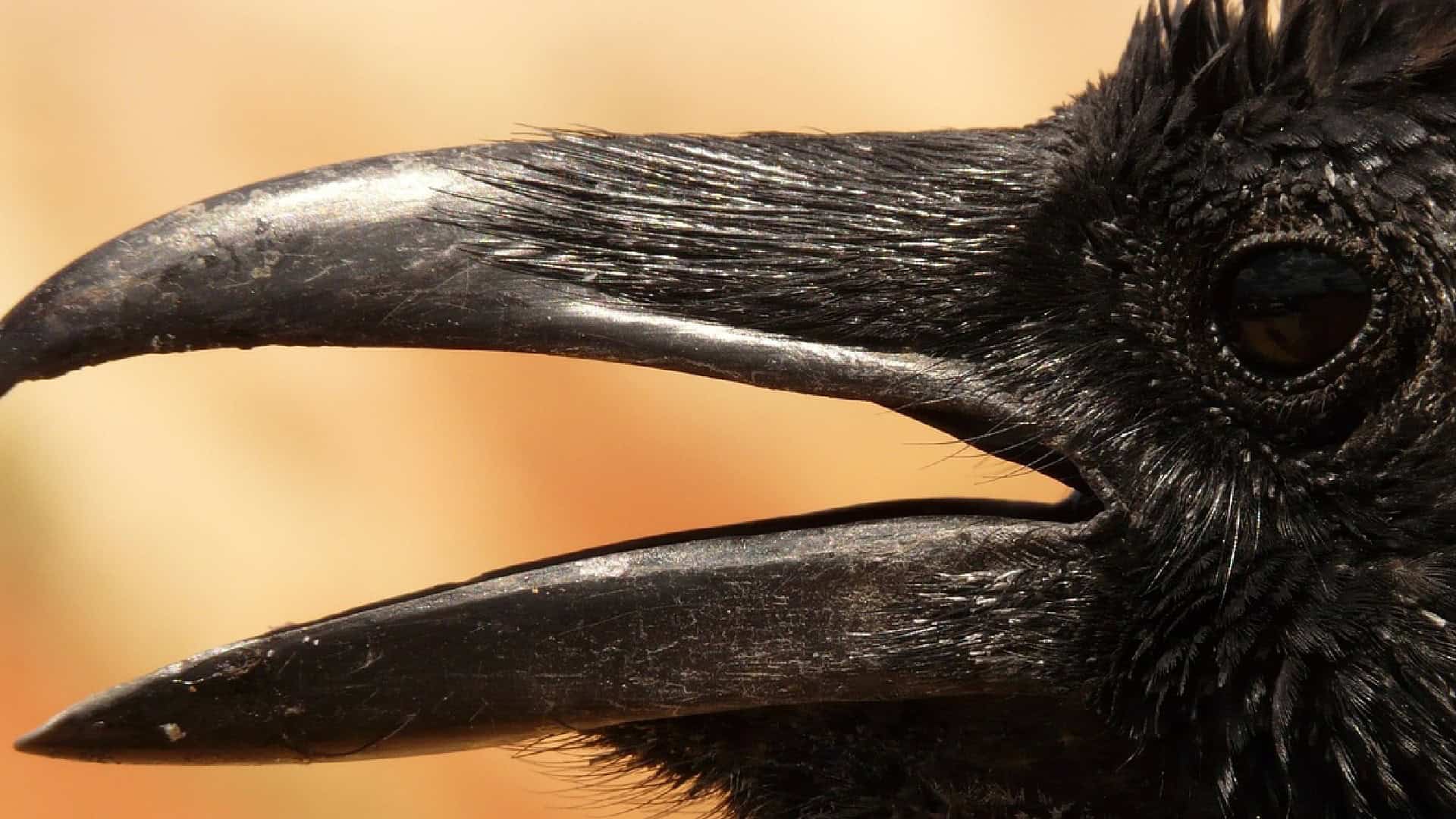
A new study led by neuroscientist Diana Liao reveals that crows can count out loud, demonstrating sophisticated numerical abilities and vocal control. The research shows that crows can produce specific numbers of vocalizations in response to numerical cues, similar to how human toddlers learn to count. This discovery suggests that crows, and potentially other birds, may possess more advanced cognitive skills than previously thought, prompting further research into avian intelligence and communication.