Tag

Zoonotic Diseases

All articles tagged with #zoonotic diseases

Patagonia's hantavirus playbook: lessons from Epuyén to the Hondius
health14 days ago

Patagonia's hantavirus playbook: lessons from Epuyén to the Hondius

Argentina’s hantavirus experiences, especially the 2018 Epuyén outbreak, informed the quarantine and transmission insights now being applied to the Hondius cruise-ship cases, underscoring that the virus spreads mainly through close contact, has long incubation periods, and that climate-driven rodent dynamics and shifting funding can elevate zoonotic risk and demand sustained public-health investment.

Global outbreak-risk map flags 9.3% of land as highly vulnerable to deadly diseases
environment1 month ago

Global outbreak-risk map flags 9.3% of land as highly vulnerable to deadly diseases

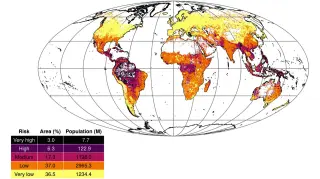
A new global model using machine learning and satellite data maps epidemic-prone diseases across nearly every country, finding about 6.3% of land in the high-risk category and 3% in very high risk (9.3% total), with roughly 20% of people in medium risk. Hotspots cluster in Latin America and Oceania, and population density emerges as the strongest driver of outbreak risk. The study also assesses readiness, showing some regions face high risk but limited health infrastructure, while many high-income countries have stronger capacity. The map is intended to guide surveillance, preparedness, and rapid response for threats including Disease X, and the research was published in Science Advances.

Wildlife trade linked to human-pathogen sharing across mammals
science1 month ago

Wildlife trade linked to human-pathogen sharing across mammals

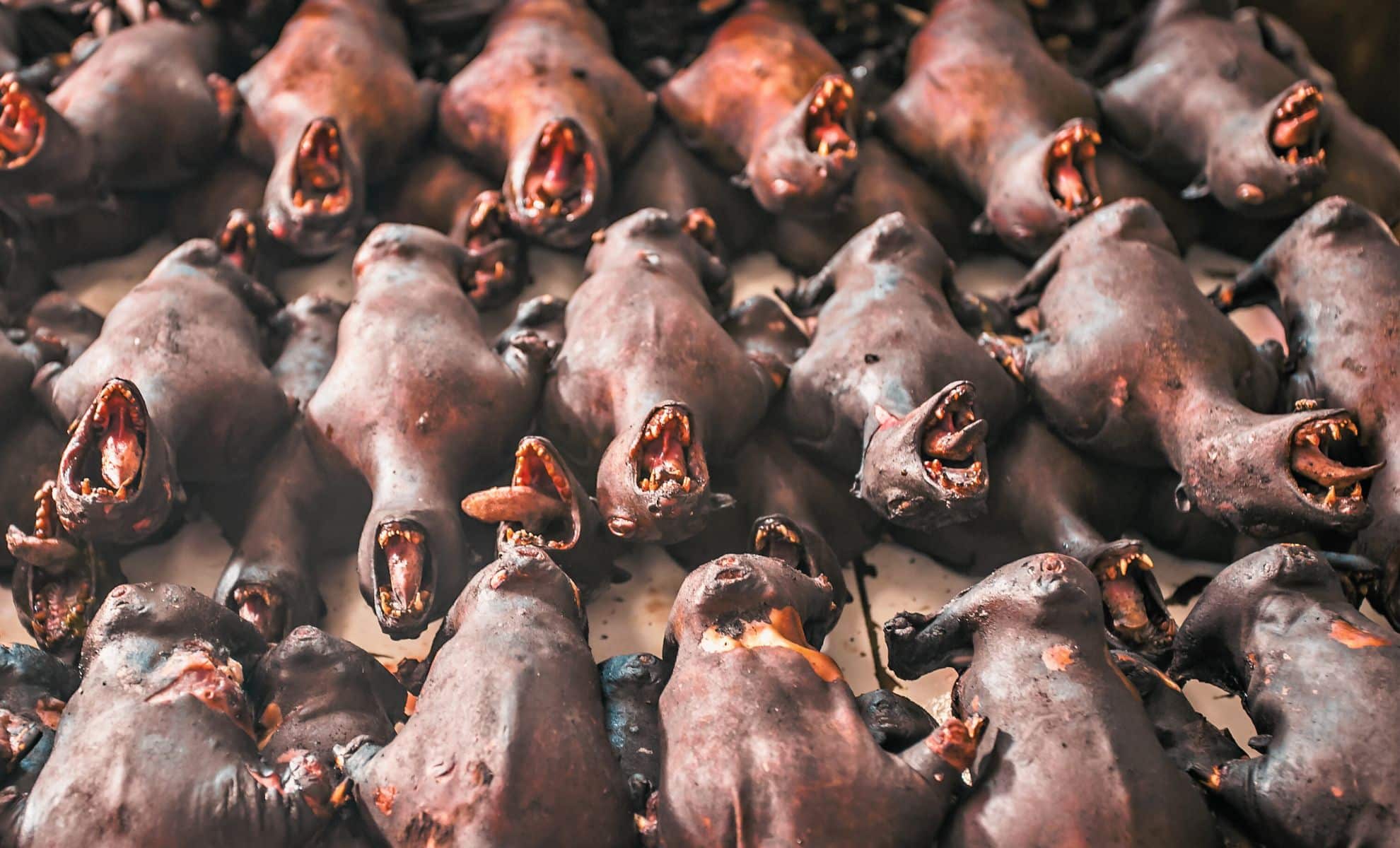
A Science study quantifies the pathogen spillover risk from the global wildlife trade: among 2,079 traded mammal species, about 41% share one or more pathogens with humans, compared with 6.4% of non-traded mammals. Live-trade increases transmission risk, illegal trade plays only a modest role, and species in trade tend to accumulate more pathogens over time (about one extra pathogen per decade of presence). The authors hope the findings inform trade regulations to help curb future pandemics.

Rabies Tops Global List as Most Lethal Virus by Fatality Rate
health3 months ago

Rabies Tops Global List as Most Lethal Virus by Fatality Rate

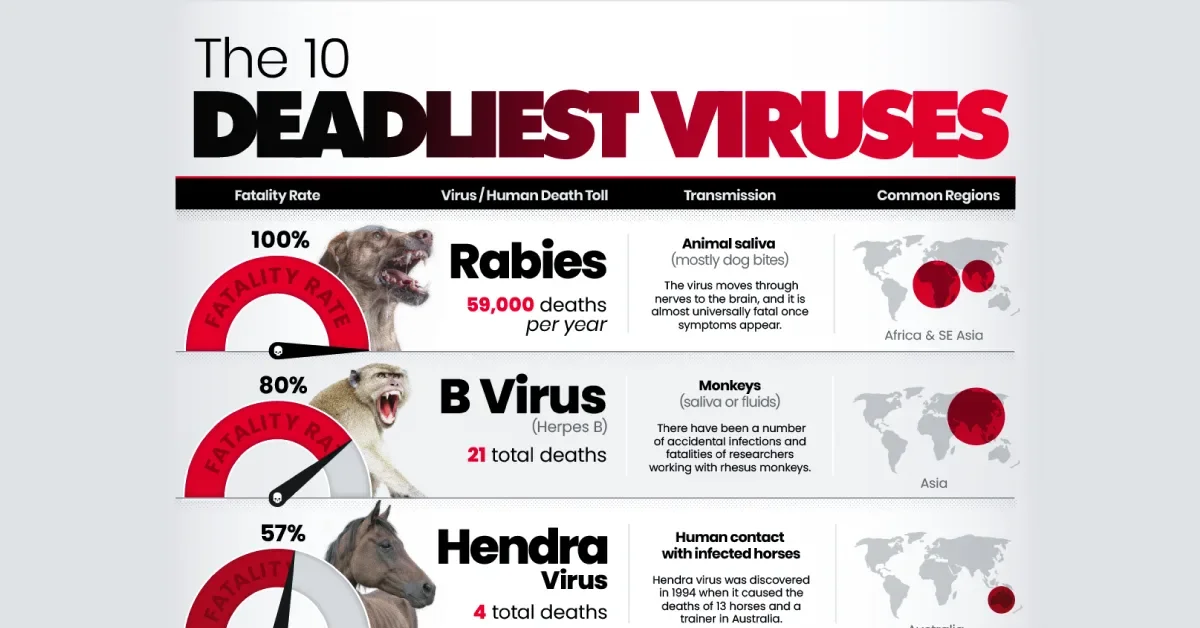
A visualization ranks ten viruses by case fatality rate, led by rabies (nearly 100% fatal once symptoms appear) and including Lujo (80%), Nipah (40–75%), Hendra (57%), Ebola and Marburg (~50%), H5N1 (50%), Crimean-Congo hemorrhagic fever (10–40%), and MERS-CoV (36%). The list highlights that most deadly viruses originate in animals, with some causing highly lethal outbreaks even if infections are relatively rare.

Map Highlights Countries Most Vulnerable to Disease Outbreaks
health4 months ago

Map Highlights Countries Most Vulnerable to Disease Outbreaks

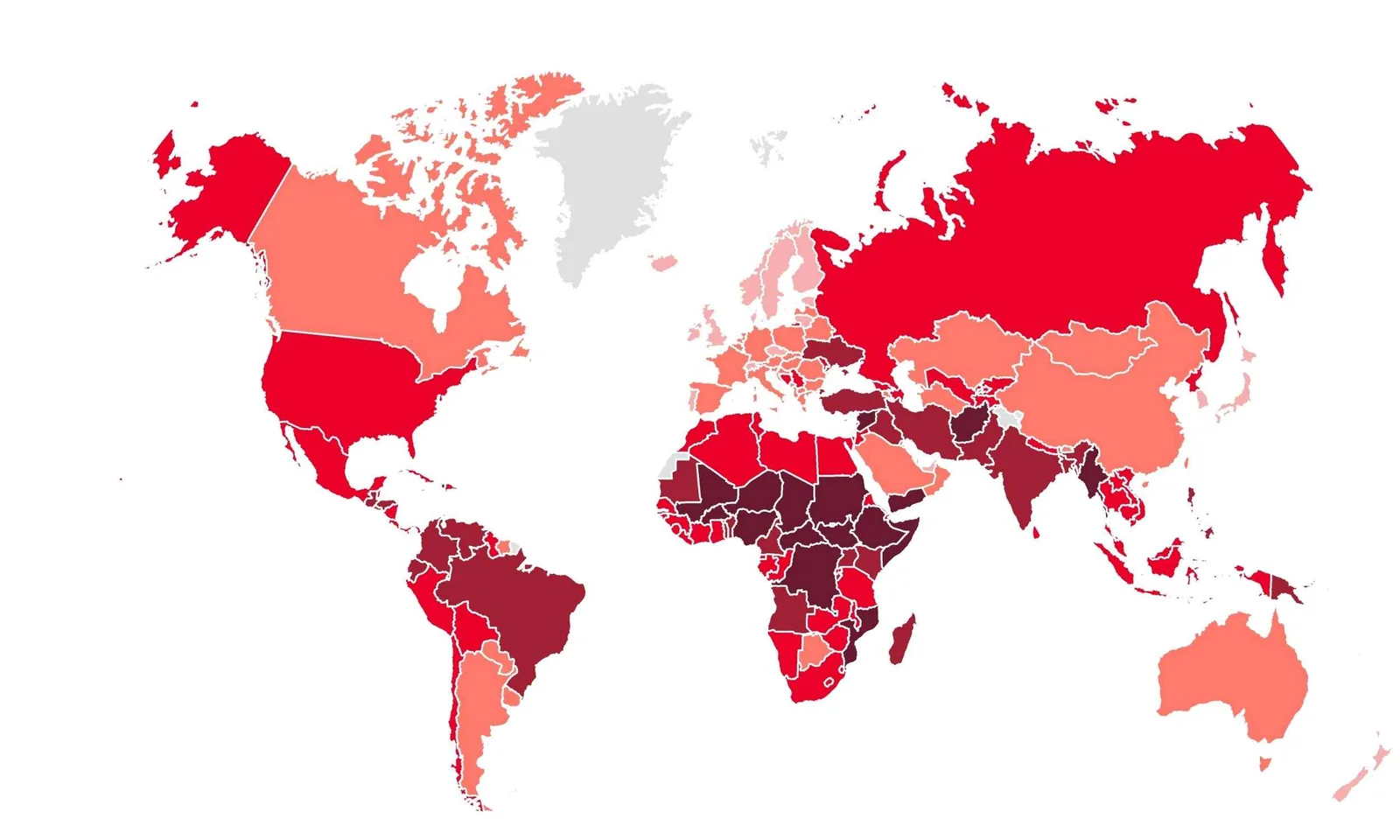
A new global risk map using machine learning and satellite data reveals that about 6.3% of land is highly vulnerable to disease outbreaks, especially in Latin America and Oceania, driven by climate change, land use, and population density, with varying levels of preparedness across countries. The map highlights the importance of early detection, response capacity, and international cooperation to prevent and manage outbreaks, particularly zoonotic diseases that jump from animals to humans.

Bobcats Return, Reducing Zoonotic Disease Risks
environment1 year ago

Bobcats Return, Reducing Zoonotic Disease Risks

Bobcats have made a significant recovery across North America, playing a crucial role in controlling zoonotic diseases by preying on rodents that are efficient disease vectors. Despite facing threats from habitat loss, road traffic, and rodent poisons, bobcats help reduce the spread of diseases like Lyme by being poor disease hosts themselves. While hunting is legal in most U.S. states, California's potential reinstatement of bobcat hunting in 2025 raises concerns about the ecological impact and the importance of these wildcats in maintaining ecosystem health.

"Intensive Farming Linked to Higher Pandemic Risk, Study Finds"
health-and-environment1 year ago

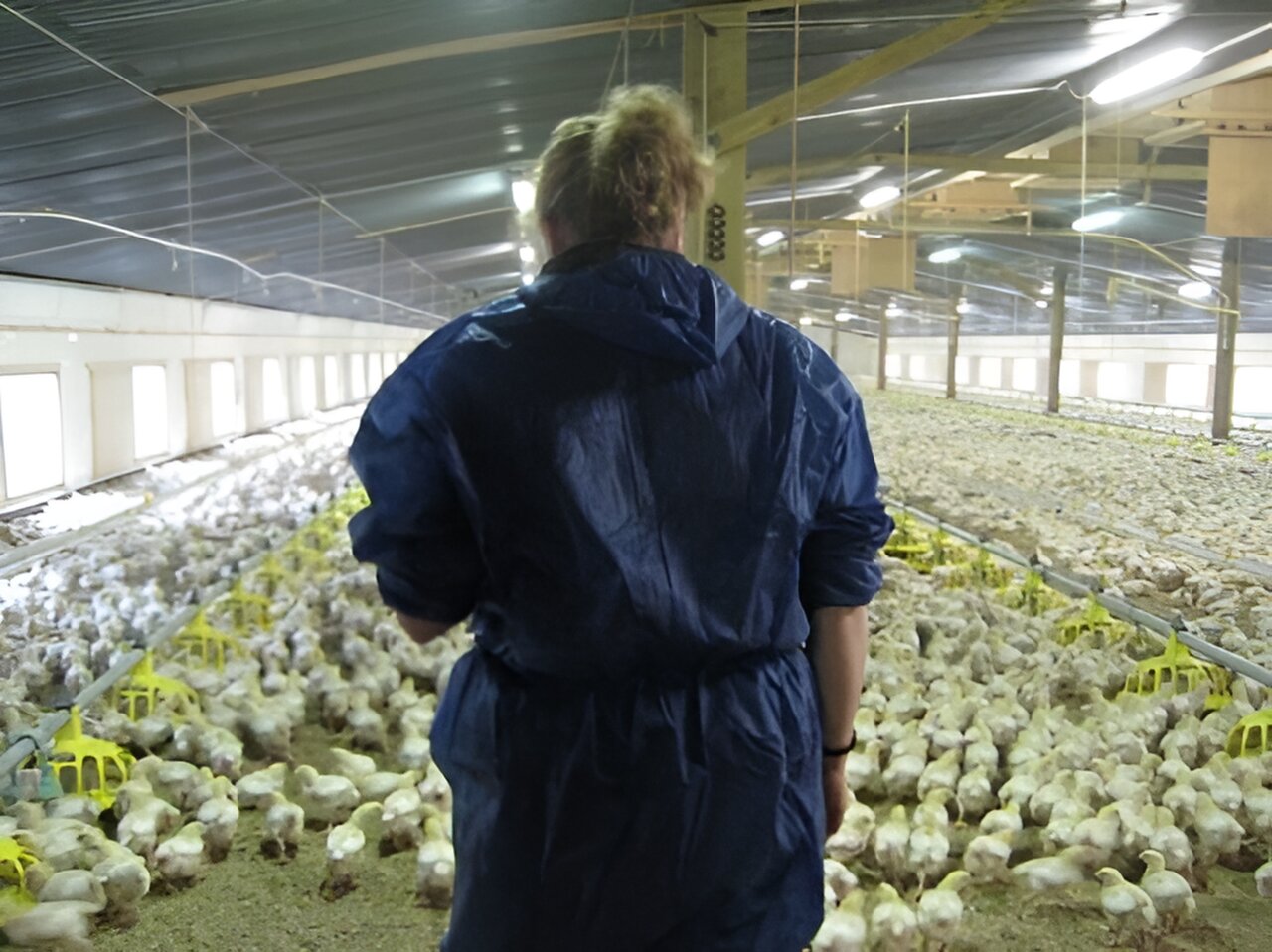
"Intensive Farming Linked to Higher Pandemic Risk, Study Finds"

A study led by the University of Exeter warns that intensive farming may increase the risk of emerging infectious diseases (EIDs) due to social, economic, and political factors. While traditionally thought to reduce zoonotic disease risks through better control and biosecurity, the study highlights that real-world conditions, such as damaged infrastructure and wildlife intrusion, can undermine these measures. The research calls for a broader consideration of socio-cultural impacts on planetary health, environmental sustainability, and animal welfare.

"New Model Reveals Complexity of Zoonotic Disease Transmission"
health1 year ago

"New Model Reveals Complexity of Zoonotic Disease Transmission"

Researchers from the Complexity Science Hub and the University of Veterinary Medicine Vienna have developed a "zoonotic web" to map the complex interactions of zoonotic diseases in Austria, highlighting the importance of a holistic One Health approach. The study, published in Nature Communications, identifies key transmission routes and influential actors in zoonotic disease dynamics, emphasizing the need for public awareness and effective surveillance programs.

Minnesota Warns Cat Owners of Rising Tularemia Cases
health1 year ago

Minnesota Warns Cat Owners of Rising Tularemia Cases

Minnesota health officials have issued a warning about a surge in tularemia infections, particularly advising cat owners to be cautious as the disease can be transmitted from pets to humans through bites or scratches. The state has already reported seven cases in 2024, and symptoms in animals include high fever, swelling, and skin sores. The Health Department recommends avoiding contact with wild animals, using tick repellent, and keeping pets indoors to prevent infection.

First-Ever H5N1 Bird Flu Cases Detected in Alpacas
health2 years ago

First-Ever H5N1 Bird Flu Cases Detected in Alpacas

The USDA has confirmed the first cases of highly pathogenic avian influenza (H5N1) in alpacas on a farm in Idaho, where poultry had previously tested positive. The virus found in alpacas is closely related to the H5N1 strain circulating in dairy cattle. This development raises concerns about the virus's potential to infect a broader range of mammals and possibly humans, although no person-to-person transmission has been reported in the current US outbreak.

"World Health Experts Warn of Inevitable Animal-to-Human Flu Pandemic"
health2 years ago

"World Health Experts Warn of Inevitable Animal-to-Human Flu Pandemic"

Dr. Maria Van Kerkhove of the WHO has warned that Europe faces a high risk of a future flu pandemic, emphasizing that pandemics will continue to be a part of our lives. She highlighted the potential for influenza to jump from animals to humans and the need for robust preparedness systems. Experts, including Sir John Bell and Sir Jeremy Farrar, echoed these concerns, stressing the inevitability of future pandemics and the necessity for better global readiness.

"Exploring Kitum Cave: Uncovering the Origins of Deadly Viruses"
health-science2 years ago

"Exploring Kitum Cave: Uncovering the Origins of Deadly Viruses"

Kitum cave in Kenya, carved by elephants for salt, hosts some of the deadliest pathogens known to man, including the Marburg virus. The cave has been an incubator for zoonotic diseases, with bats carrying the deadly virus. Marburg virus, which can jump into humans from fruit bats, has been described as an epidemic-prone threat by the World Health Organization. There are no approved vaccines or treatments for the virus, and it can cause symptoms similar to Ebola and malaria, leading to bleeding from multiple orifices.