Tag

Mutations

All articles tagged with #mutations

Cloning Limit Exposed: Mouse Line Dies After 58 Generations
science15 days ago

Cloning Limit Exposed: Mouse Line Dies After 58 Generations

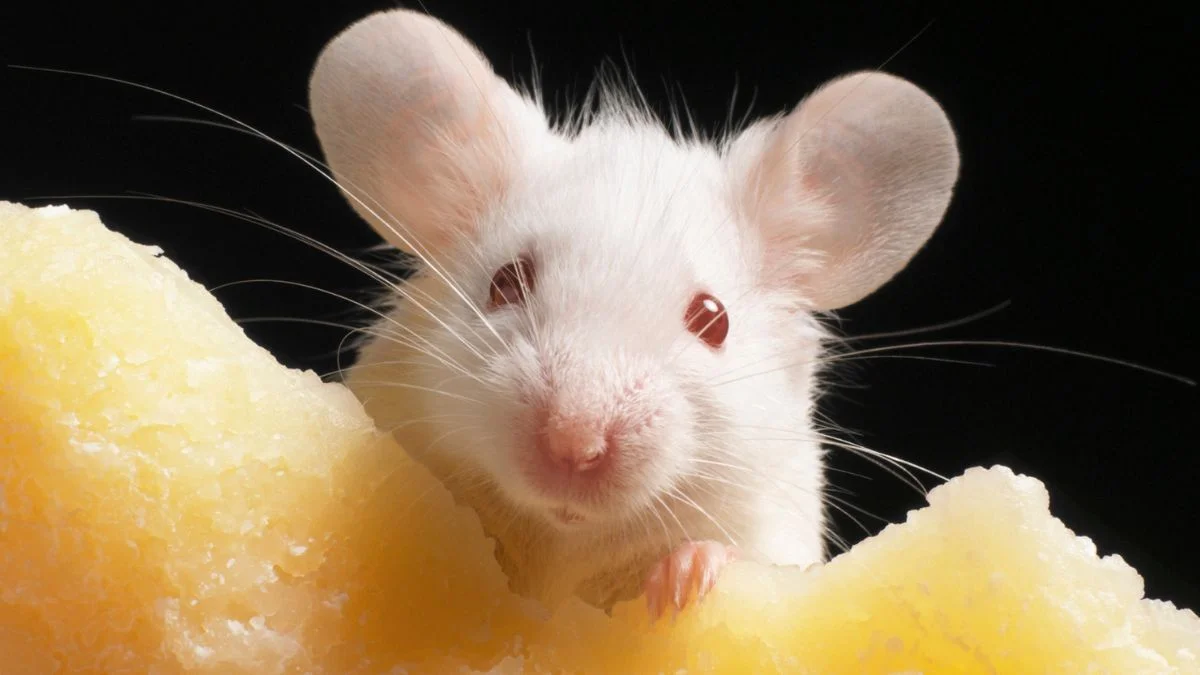
A two-decade Japanese study recloned a female mouse across 58 generations. By generation 58, all offspring died within a day of birth, with no outward defects, and DNA analysis showed accumulating mutations and occasional loss of an X chromosome. The research indicates a hard limit to mammalian cloning and challenges hopes for infinite lineages, with implications for livestock cloning and de-extinction efforts; no method yet exists to overcome this genetic deterioration.

science16 days ago

Mammals Cloned Across 58 Generations Collapse, Study Finds

A 20-year experiment cloning over 1,200 mice across 58 generations shows that deleterious genetic mutations accumulate in cloned lineages, with the 58th generation dying shortly after birth. Initial generations appeared healthy, but the line ultimately collapsed, confirming that mammalian cloning cannot sustain long-term viability and that sexual reproduction is essential for species survival; researchers call for advances in nuclear transfer techniques.

Cicada: Highly Mutated COVID-19 Variant BA.3.2 Tracked as Potential Surge Trigger
health16 days ago

Cicada: Highly Mutated COVID-19 Variant BA.3.2 Tracked as Potential Surge Trigger

Public health authorities are monitoring BA.3.2, nicknamed Cicada, a highly mutated COVID-19 variant with up to 70–75 mutations detected in the U.S. and in 22 other countries. Current U.S. levels are very low (~0.19% of sequences), but the variant has spread internationally and may evade vaccine- or prior-infection–induced antibodies, potentially weakening protection against infection though vaccines are still expected to guard against severe disease. Experts caution Cicada could drive a summer surge if it spreads more efficiently, but it is not yet dominant, underscoring the need for ongoing genomic surveillance and vaccination.

Mouse cloning hits a genetic ceiling after 58 generations
science17 days ago

Mouse cloning hits a genetic ceiling after 58 generations

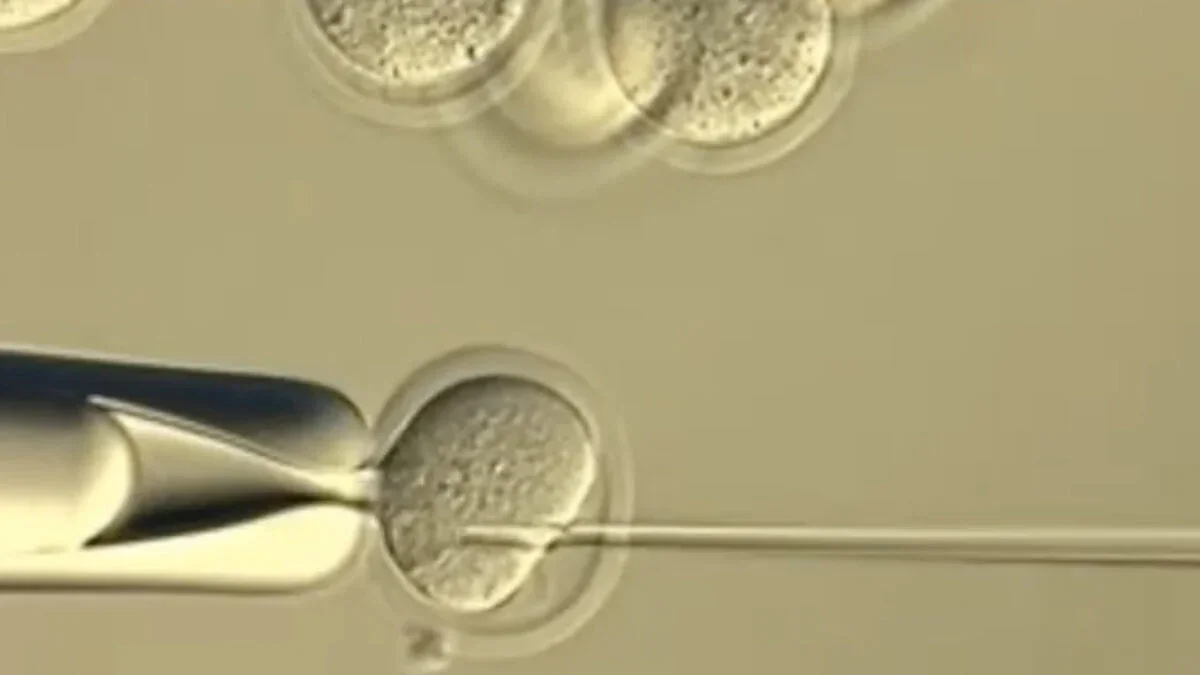
Two decades, 58 generations and more than 30,000 cloning attempts show a single mouse cannot be serially recloned indefinitely: harmful DNA changes accumulate in the lineage, including chromosome losses, leading to a failure of later attempts and suggesting genome instability makes mammalian cloning unsustainable and potentially limits its use in agriculture and vertebrate breeding.

Cloning's mutational cliff: line ends after 58 generations
science17 days ago

Cloning's mutational cliff: line ends after 58 generations

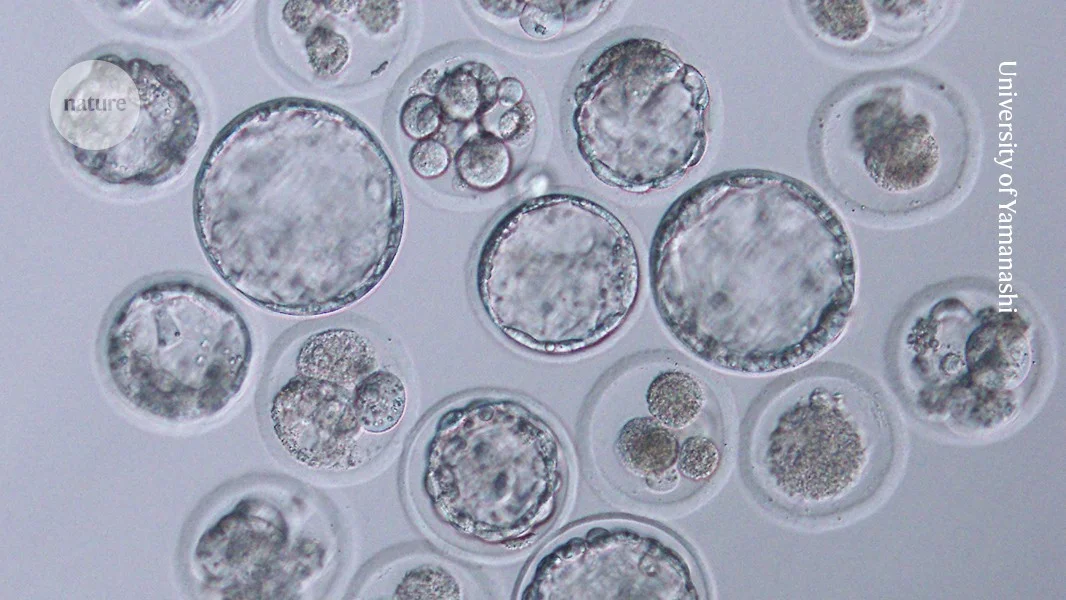
A Japanese team conducted a serial cloning study starting from one female mouse, re-cloning for 57 generations and producing over 1,200 offspring. By generation 58, accumulated genetic mutations and loss of the X chromosome caused the re-cloned mice to die shortly after birth, effectively ending the line. Crossbreeding later-generation clones with normal mice showed initially normal litter sizes but reduced fertility in later-generation lines, with partial recovery in descendants. The results support Muller's ratchet and reinforce the idea that sexual reproduction is essential for long-term mammalian survival, limiting the practical viability of endless cloning.

Clone-ception Hits a Wall: Infinite Cloning Isn’t Feasible
biology17 days ago

Clone-ception Hits a Wall: Infinite Cloning Isn’t Feasible

Japanese researchers studying serial cloning in mice with the epigenetic modifier trichostatin A found that while many late-generation clones were healthy at birth, the lineage eventually hit a hard limit: by the 58th generation the clones survived for only a day. TSA boosted cloning success (about 5.4% at generation 51) compared with 1.6% without it, and over 1,200 clones were produced from a single donor. Each generation accumulated mutations (roughly 70 SNVs and 1.5 structural variants), and in some cases placental abnormalities were corrected in later offspring through sexual reproduction, suggesting that sexual reproduction helps purge deleterious mutations and that indefinite cloning remains biologically unfeasible for now.

Mewgenics Delivers Deep, Cat-Centered Roguelite Chaos
gaming2 months ago

Mewgenics Delivers Deep, Cat-Centered Roguelite Chaos

Mewgenics blends base-building cat breeding with tactical, turn-based dungeon combat across interconnected acts, rewarding experimentation with hybrid classes and mutations while delivering irreverent humor and a distinctive Isaac-inspired aesthetic; the depth is staggering and highly addictive, though newcomers may feel overwhelmed by its systems, limited early information on breeding and items, and the sheer randomness that can both empower and derail runs.

AlphaGenome: DeepMind’s AI Maps the Genome’s Hidden Rules
science2 months ago

AlphaGenome: DeepMind’s AI Maps the Genome’s Hidden Rules

DeepMind’s AlphaGenome trains an AI on vast molecular data to forecast how mutations and regulatory DNA elements alter gene activity, extending the AlphaFold-era breakthrough from proteins to the genome; experts see it as a major engineering advance with potential for cancer and disease research, but stress it remains a predictive tool—its scope is limited to single mutations in a given genome, its predictions don’t capture all splice-site complexities, and clinical use still requires lab validation.

Older Men's Sperm Have More Mutations, Potentially Harmful
science5 months ago

Older Men's Sperm Have More Mutations, Potentially Harmful

Research shows that as men age, their sperm accumulate more mutations, some of which are harmful and linked to developmental disorders and cancers, increasing the potential health risks for their children. The study highlights the role of 'selfish' mutations that outcompete others in the testes, with mutation rates rising from 2% in men in their 30s to about 4.5% in men over 70, though not all mutations are necessarily passed on or harmful. Further research is needed to understand the full impact on offspring health.

Canadian Teen's Bird Flu Case Sparks Mutation Concerns
health1 year ago

Canadian Teen's Bird Flu Case Sparks Mutation Concerns

The H5N1 avian influenza virus is slowly spreading among mammals and has been detected in wastewater in Texas, raising concerns about its potential to cause a pandemic. A Canadian teenager recently fell critically ill with a mutated strain of the virus, highlighting its ability to infect humans. Public health experts advise stockpiling masks and supplies, practicing good hygiene, and staying informed through reliable news sources. The situation underscores the importance of preparedness and vigilance in the face of potential viral outbreaks.

Canadian Teen's Critical Bird Flu Case Highlights Mutation Risks
health1 year ago

Canadian Teen's Critical Bird Flu Case Highlights Mutation Risks

A Canadian teenager infected with the H5N1 bird flu virus has shown mutations that could potentially make the virus more capable of infecting humans, though there is no evidence of human-to-human transmission. The mutations were identified in the virus's hemagglutinin protein, which is crucial for cell attachment. While the teenager remains in critical condition, the case highlights the potential pandemic risk if the virus acquires the ability to spread easily among humans. Scientists emphasize the need for increased surveillance and monitoring of such mutations.