Cold plunges could cut mortality, but a doctor warns to proceed with caution
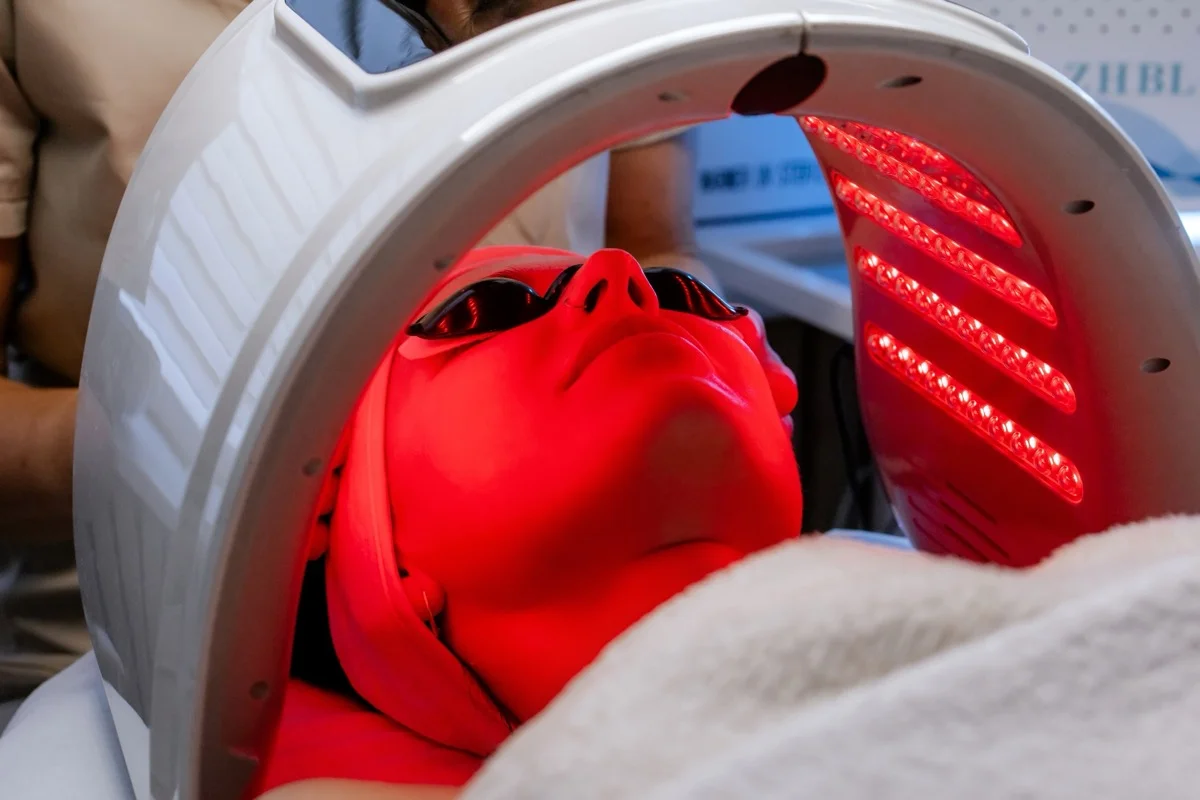
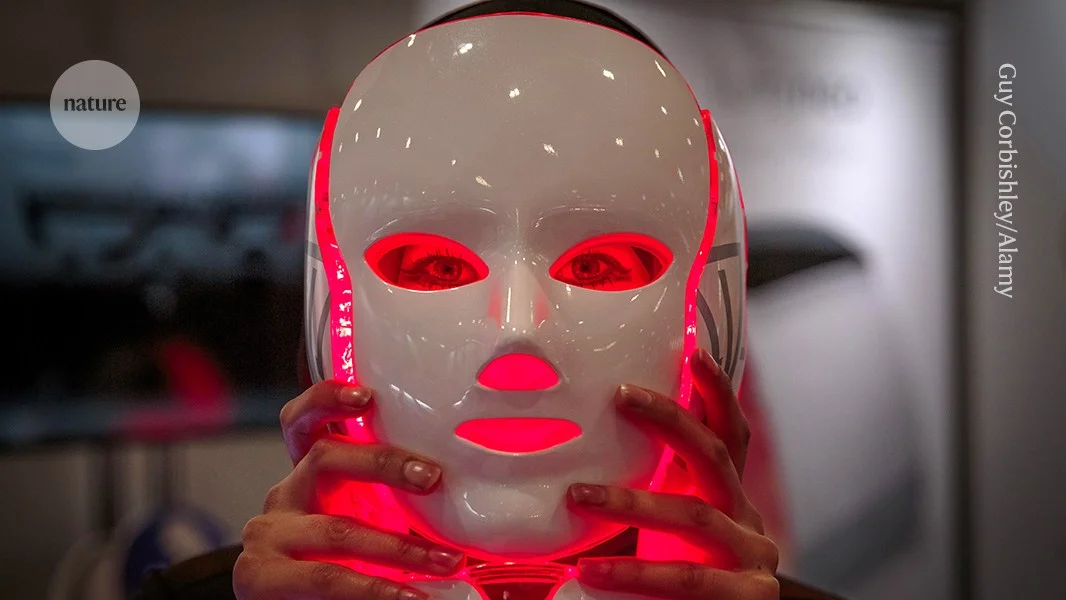
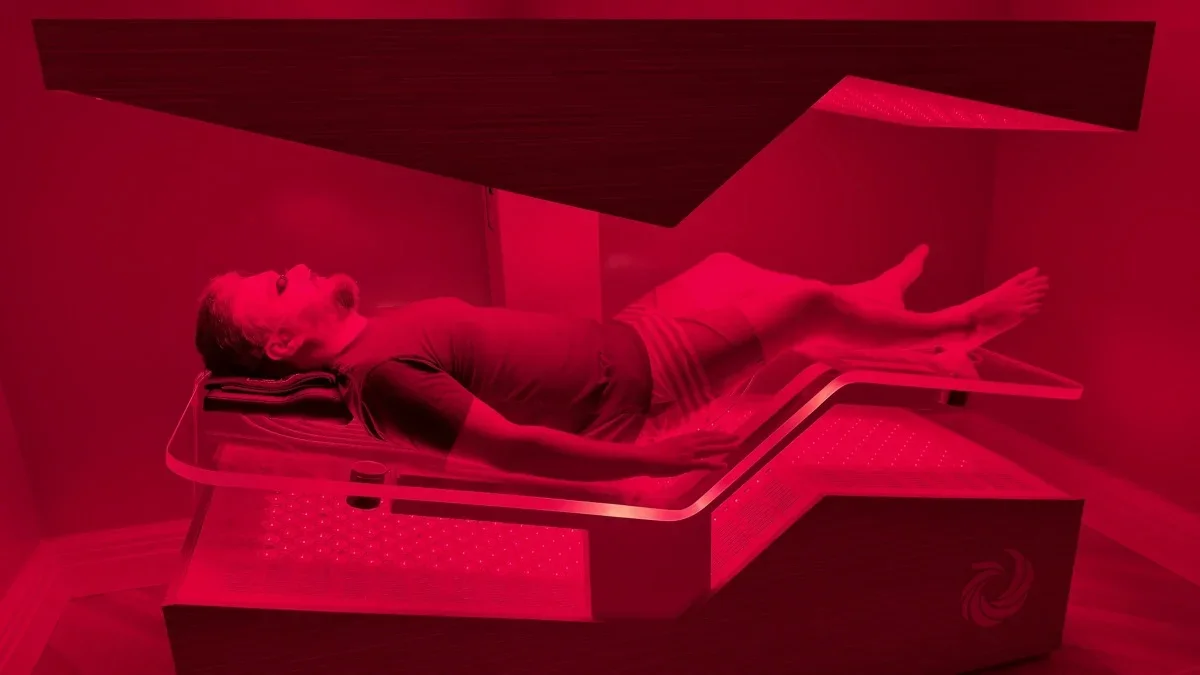
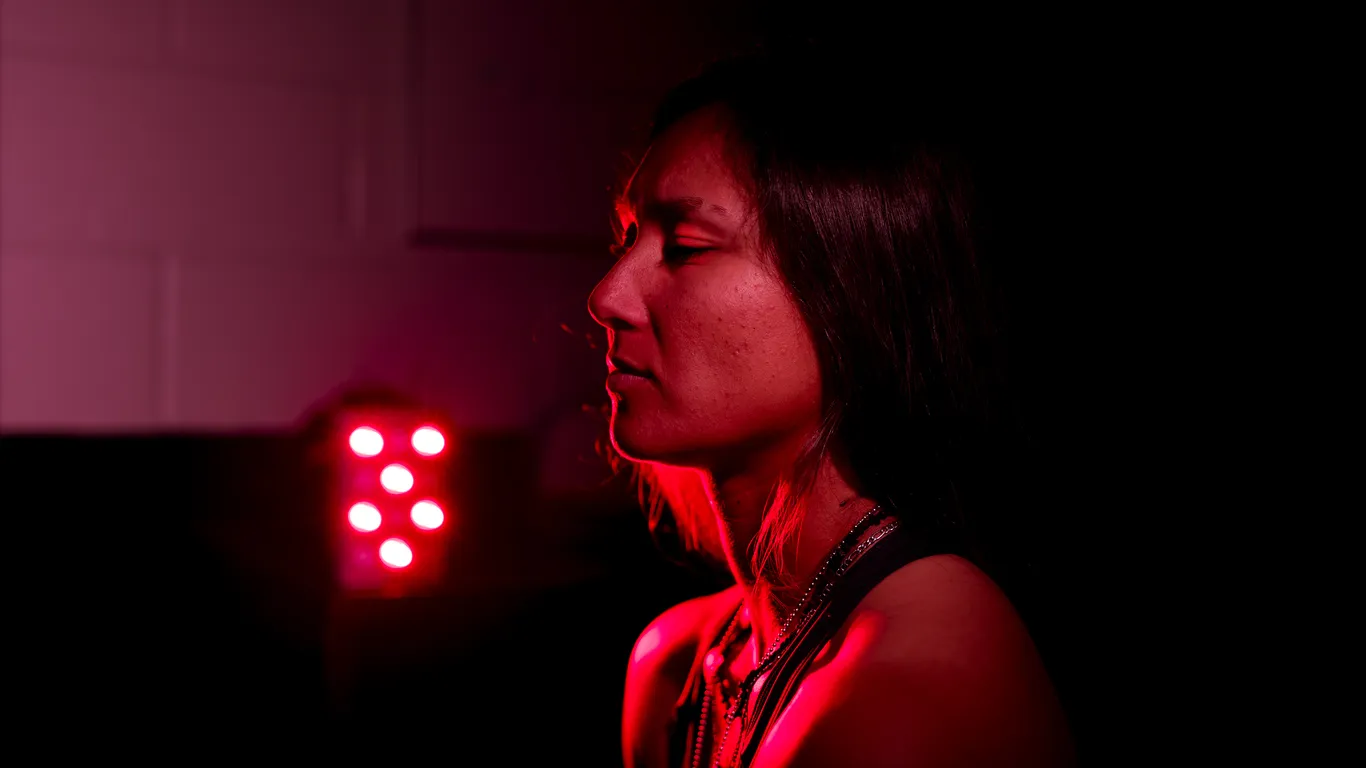
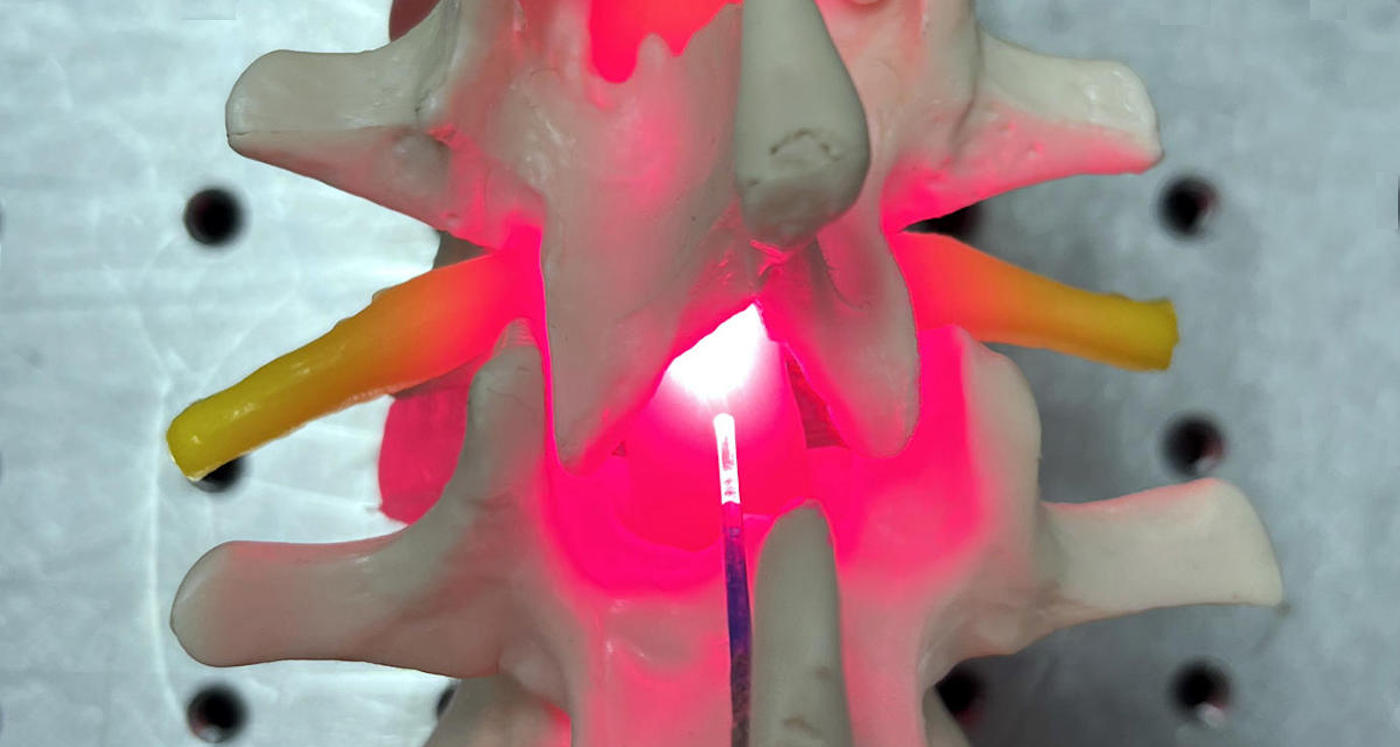
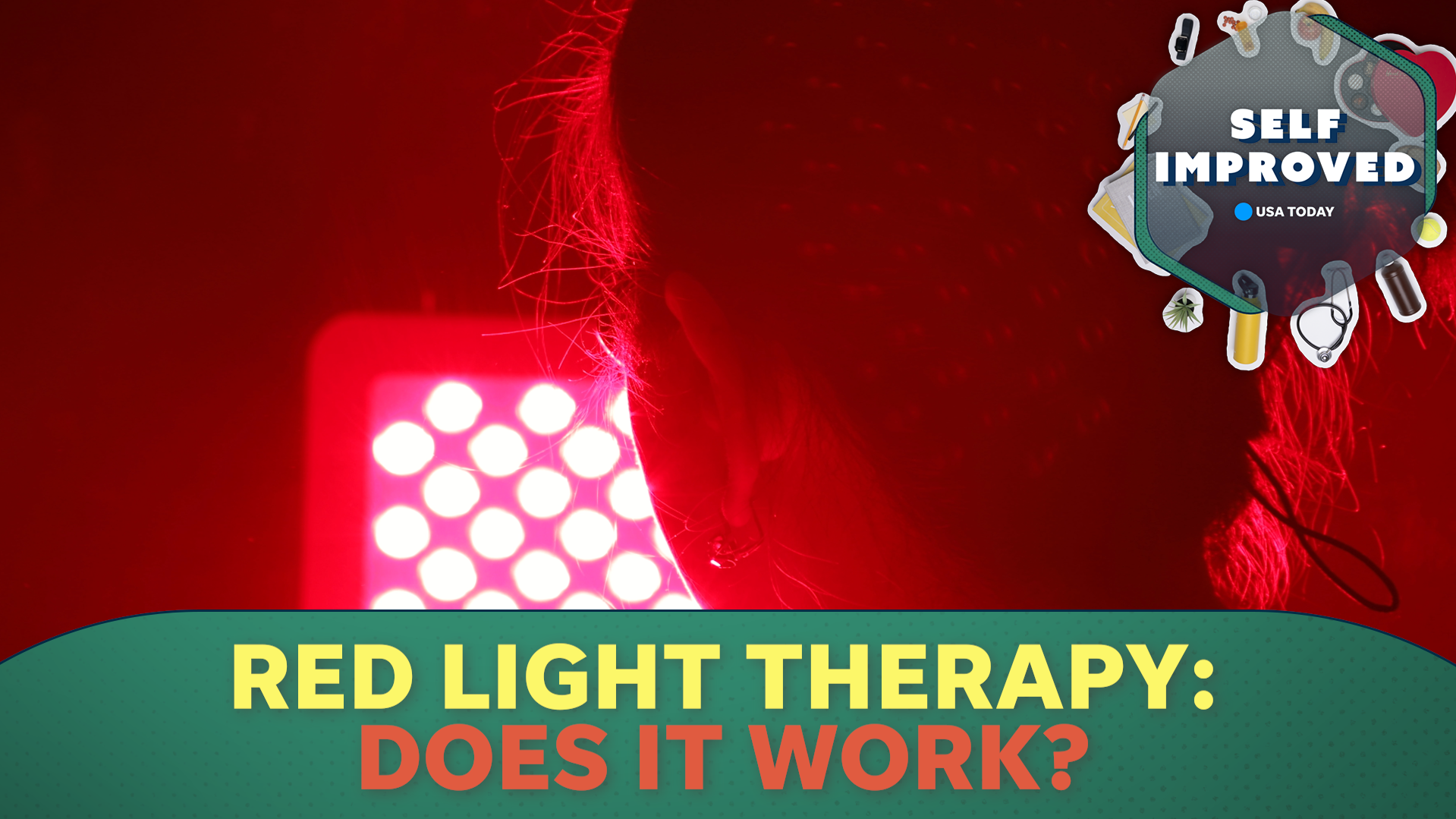
Fox News Wellness Week explores red light therapy and hot/cold contrast therapy, noting skin and inflammation benefits from red light and a strong physiological response to cold plunges. A Finnish study is cited suggesting regular cold exposure may reduce mortality by about 40-50%, but Dr. Marc Siegel cautions viewers to consult a physician and ensure heart health before attempting extreme temperature therapies, emphasizing medical guidance first.