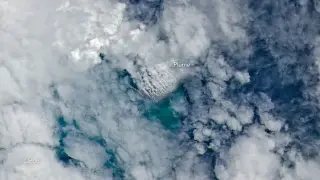
Satellites imaged an underwater volcanic eruption, but scientists still don’t know what’s actually happening on the seafloor, underscoring gaps in our understanding of deep-sea volcanic activity.
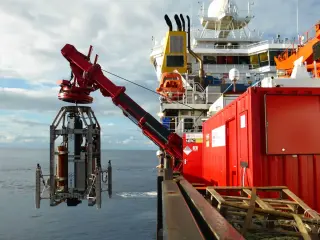
A three-month expedition near Nantucket and Martha’s Vineyard drilled as deep as 1,300 feet below the Atlantic seafloor and recovered about 13,200 gallons of freshwater, confirming a large reservoir that stretches from offshore New Jersey to Maine and could theoretically supply New York City for around 800 years. While the freshwater appears present in several sediment types, accessing and safely using it would be technically complex, expensive, and potentially harmful to marine ecosystems, so researchers are still estimating the reservoir’s size, connections to onshore aquifers, and whether it’s being replenished.
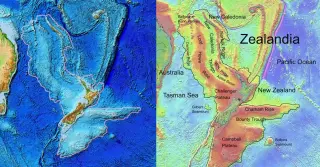
New geological dating and magnetic data strengthen Zealandia's status as a distinct underwater continent, reshaping our understanding of Earth's ancient geography.
Scientists drilling off the Massachusetts coast confirm a massive freshwater reservoir buried beneath the seafloor, likely formed during the last ice age about 20,000 years ago. Early data suggest the pool may extend farther than first thought, potentially providing a city the size of New York City with hundreds of years’ worth of water (around 800 years), with more definitive results expected in about a month.
During an expedition in Antarctica's Weddell Sea, researchers discovered complex fish nesting patterns and geometric formations on the seafloor, revealing rich marine biodiversity and potential strategies for survival, despite not finding the HMS Endurance shipwreck. The findings highlight the importance of protecting this fragile ecosystem.
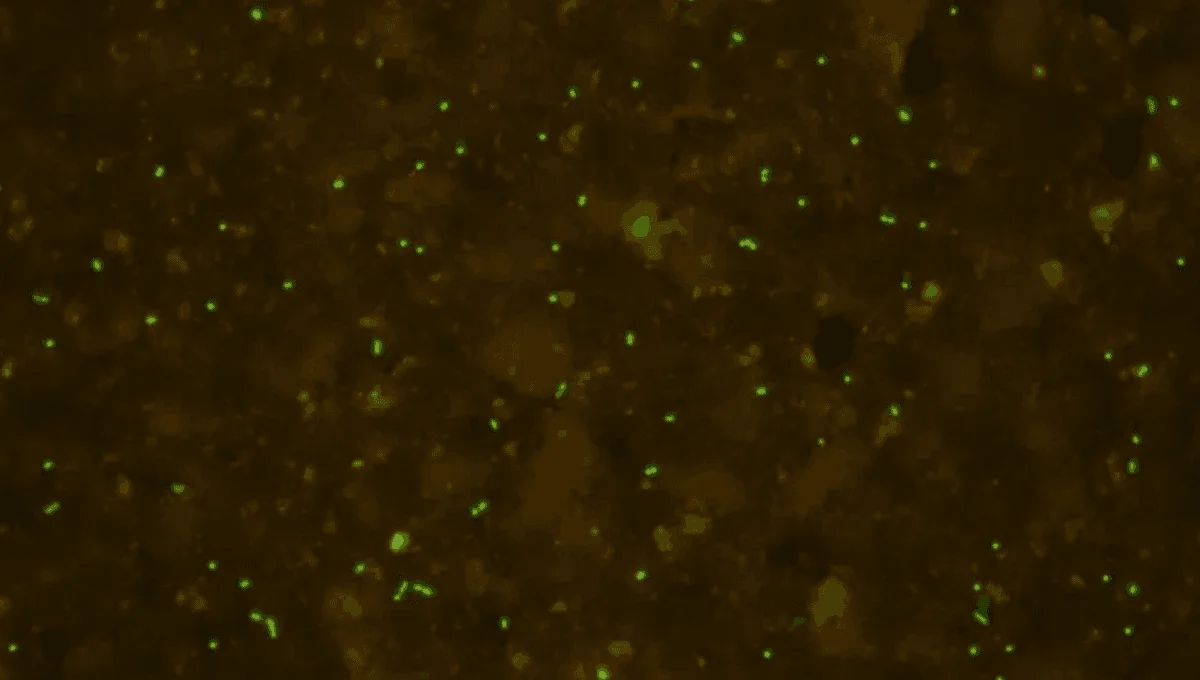
Scientists have revived microbes from 100 million-year-old sediments beneath the seafloor, demonstrating that life can survive in extreme, nutrient-poor environments for vast periods and can be reactivated under laboratory conditions, challenging previous assumptions about the limits of life on Earth.
Scientists have discovered large, mysterious upside-down sand mounds beneath the North Sea, caused by a process called stratigraphic inversion where younger, denser layers sink below older layers, revealing new insights into Earth's crust and sediment movement.
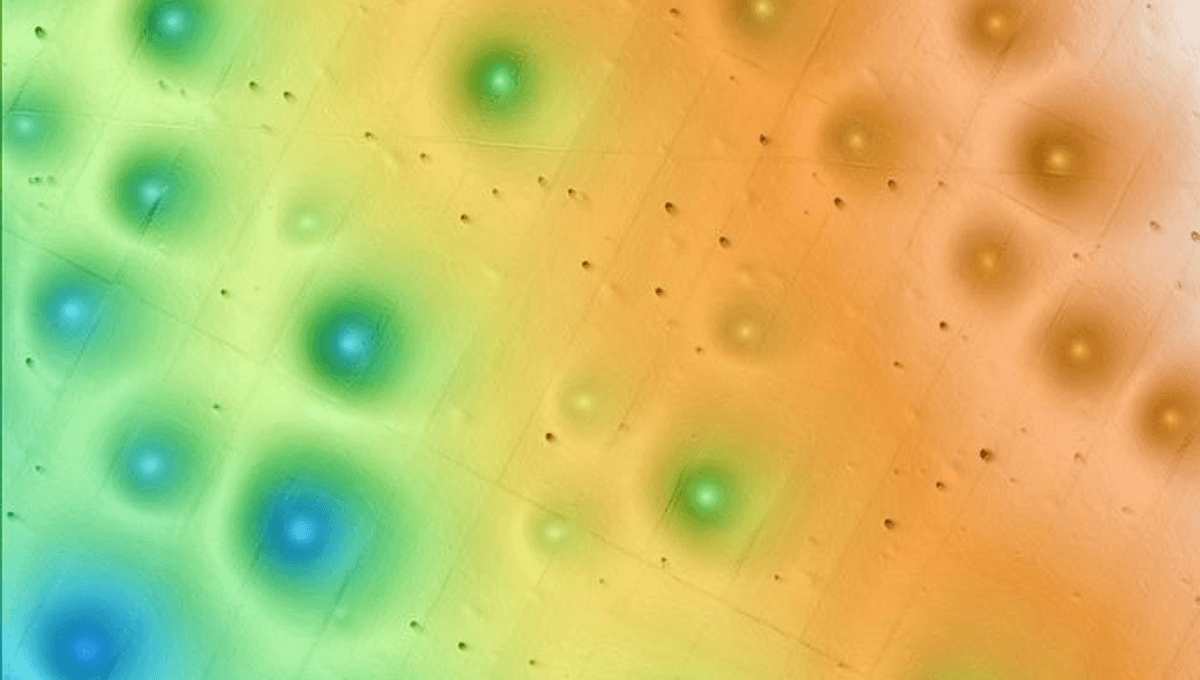
Researchers from the Monterey Bay Aquarium Research Institute (MBARI) have partially solved the mystery of ancient circular depressions off the coast of Central California, known as the Sur Pockmark Field. These depressions, which are around 150 meters wide and 5 meters deep on average, are maintained by sediment gravity flows, a type of underwater avalanche. However, the initial cause of these formations remains unknown. The study, which involved mapping and sediment sampling, provides valuable data for resource managers considering offshore infrastructure.
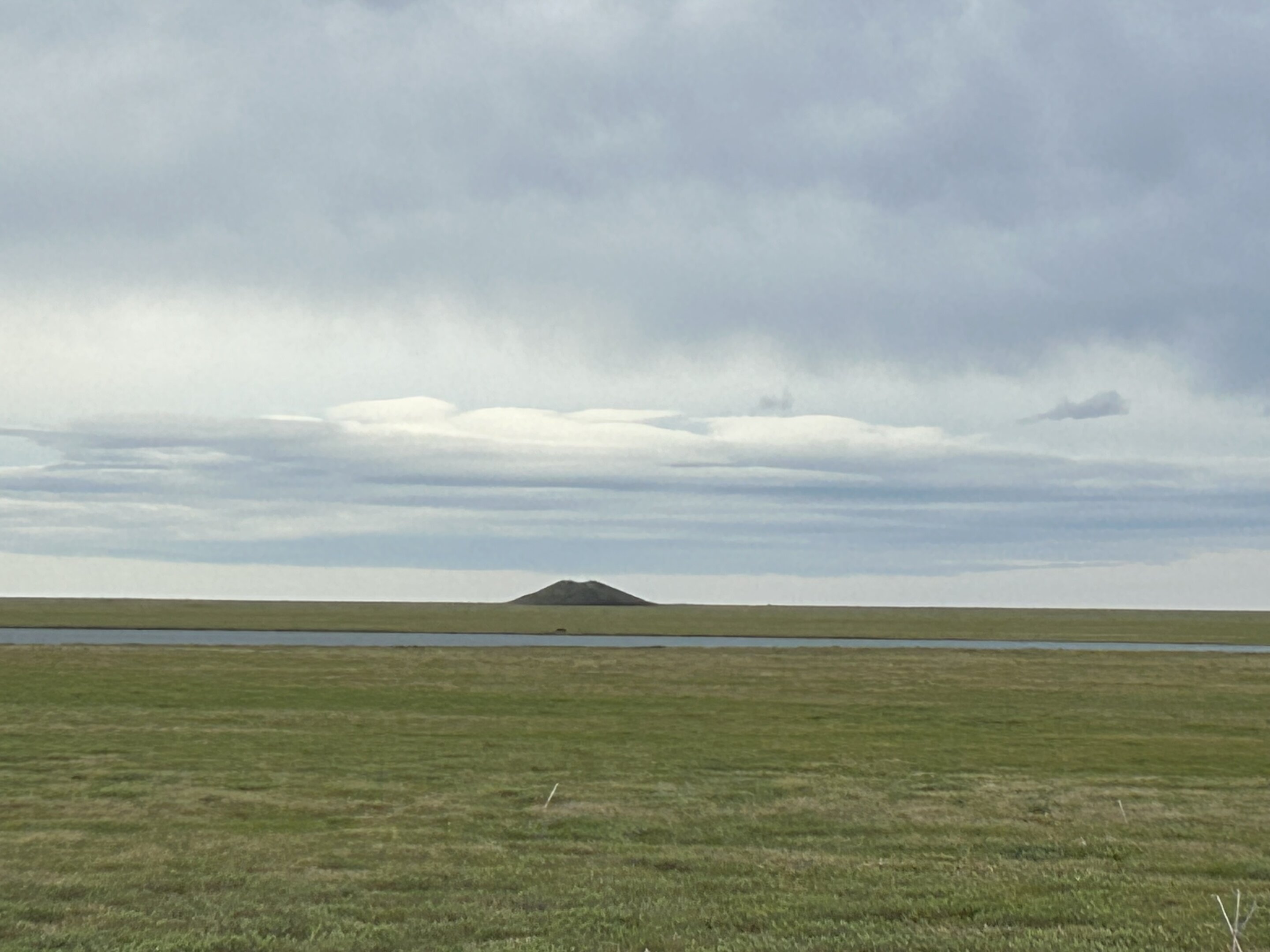
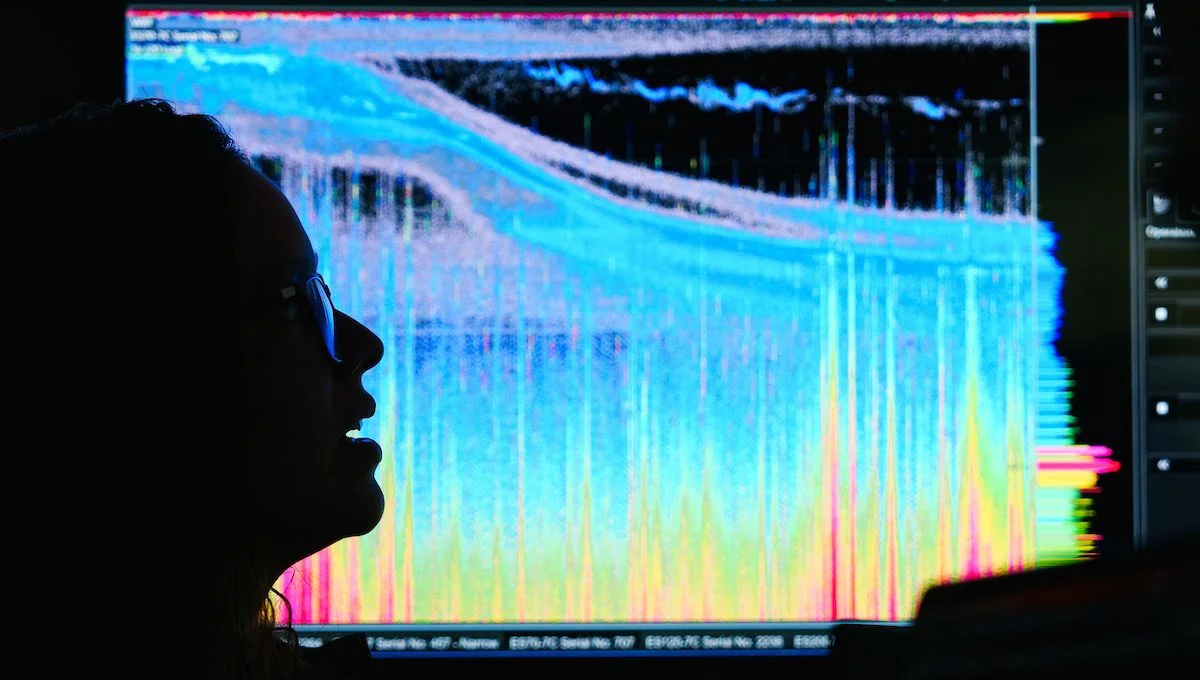
Scientists from Sandia National Laboratories are using a fiber optic cable off the coast of Alaska to study the conditions of the Arctic seafloor and improve understanding of global climate change. By analyzing temperature and acoustic data collected from the cable, they have identified areas with significant amounts of ice and determined the bottom of the seafloor permafrost. The research aims to monitor temperature changes, detect seafloor seeps, and provide insights into the impact of thawing permafrost on greenhouse gas emissions.
Researchers mapping the seafloor off the coast of Guatemala discovered a previously unknown seamount, twice as high as the Burj Khalifa, the world's tallest building. The seamount stands over 1,600 meters high and covers an area of 14 square kilometers. This discovery highlights the vast unexplored areas of the ocean and the potential for biodiversity hotspots. The Schmidt Ocean Institute aims to map the entire seafloor by the end of the decade, revealing the abundance of seamounts and their potential for harboring diverse ecosystems.
Scientists have finally revealed the mysterious octagons found on the seafloor of the Fram Strait, a passage between Greenland and Svalbard. These octagons, ranging in size from small as Oreos to as big as extra-large pizzas, are believed to be created by the cirrate octopus Cirroteuthis muelleri. Researchers observed these octopuses descending from the water column to the seafloor to feed, leaving behind charming octagonal imprints in the silt. This behavior of migrating from the water column to the seafloor for hunting is a strategy observed in other deep-sea creatures as well.
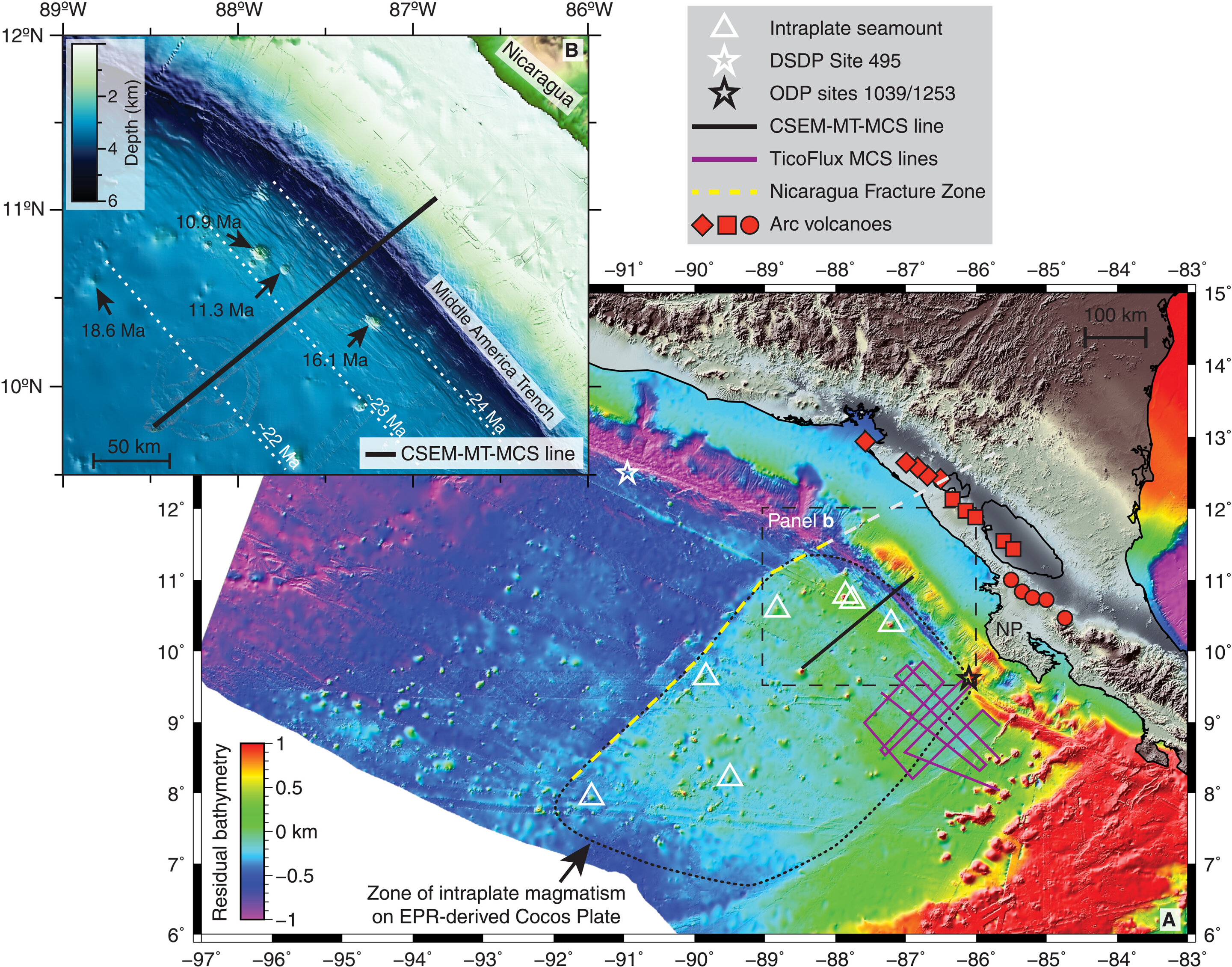
Scientists have discovered a long-lived channel of magma beneath the Cocos Plate, which has been feeding intraplate magmatism for at least 20 million years. The channel is believed to have originated from the Galápagos Plume, over 1,000 kilometers away, and is a widespread and long-lived feature that could be a source for mantle metasomatism. The discovery was made by combining geophysical, geochemical, and seafloor drilling results with seismic reflection data, and could lead to similar discoveries of volcanism elsewhere caused by other mantle plumes.
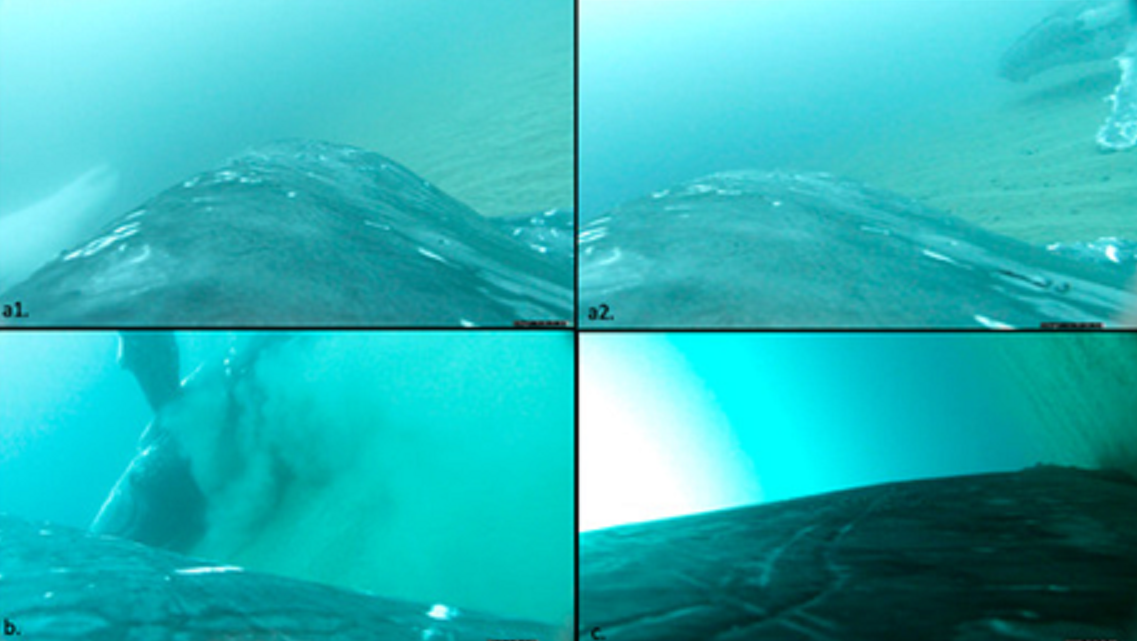
Humpback whales have been filmed for the first time rolling on sandy seabeds to exfoliate and remove ectoparasites, such as barnacles, from their skin. The whales were observed performing full and side "sand rolls" up to 164 feet below the ocean's surface in the Gold Coast Bay in southeast Queensland, Australia. Researchers from Griffith University in Australia tagged three humpback whales using suction-cup sensors that recorded high-definition video, as well as light, pressure, temperature, and GPS data. The whales picked a shallow, sandy location near their migration route to exfoliate, moving head first through the substrate while they rolled.
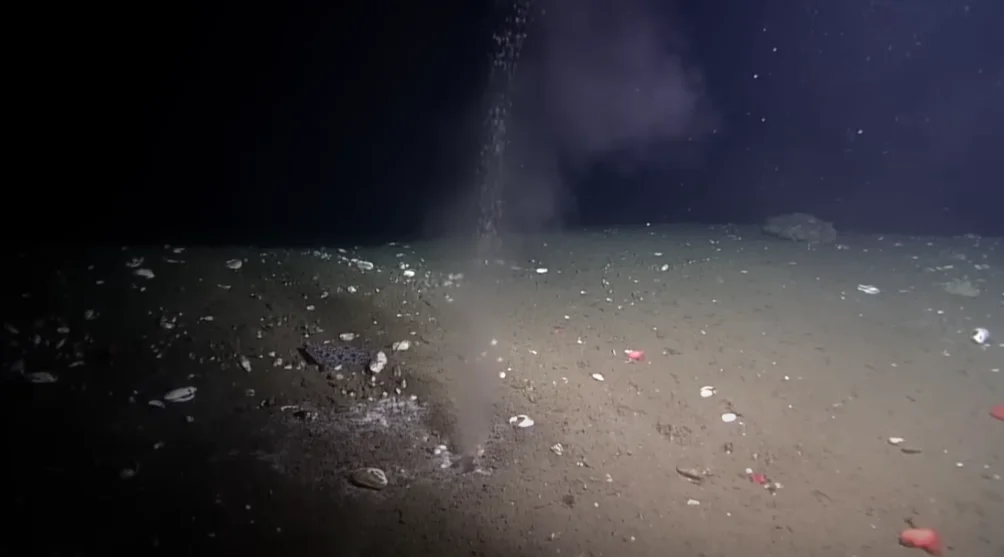
Scientists have discovered warm liquid bubbling up from the seafloor about 50 miles off the Oregon coast, providing insight into the Cascadia Subduction Zone, a fault line known for producing massive quakes every several hundred years. The discovery gives scientists a better idea of how tectonic plates lock into place between large earthquakes and could improve earthquake forecasting down the line. The last major quake to strike the fault was on Jan. 27, 1700, and scientists determined entire forests died across hundreds of miles when the coasts of what are today Washington, Oregon and northern California suddenly dropped 4–6 feet, flooding the coastline with seawater amid an incredible tsunami.
Scientists have discovered warm liquid bubbling up from the seafloor about 50 miles off the Oregon coast, providing insight into the Cascadia Subduction Zone, a fault line known for producing massive quakes every several hundred years. The discovery gives scientists a better idea of how tectonic plates lock into place between large earthquakes and could improve earthquake forecasting down the line. While the discovery doesn't forebode an imminent quake, experts warn that the Pacific Coast could experience similar destructive impacts as the 9.0 quake that struck off the coast of Japan in 2011.