Tag

Spacex Falcon Heavy

All articles tagged with #spacex falcon heavy

Roman Space Telescope Launches: A New Era for Cosmic Discovery Begins
space2 months ago

Roman Space Telescope Launches: A New Era for Cosmic Discovery Begins

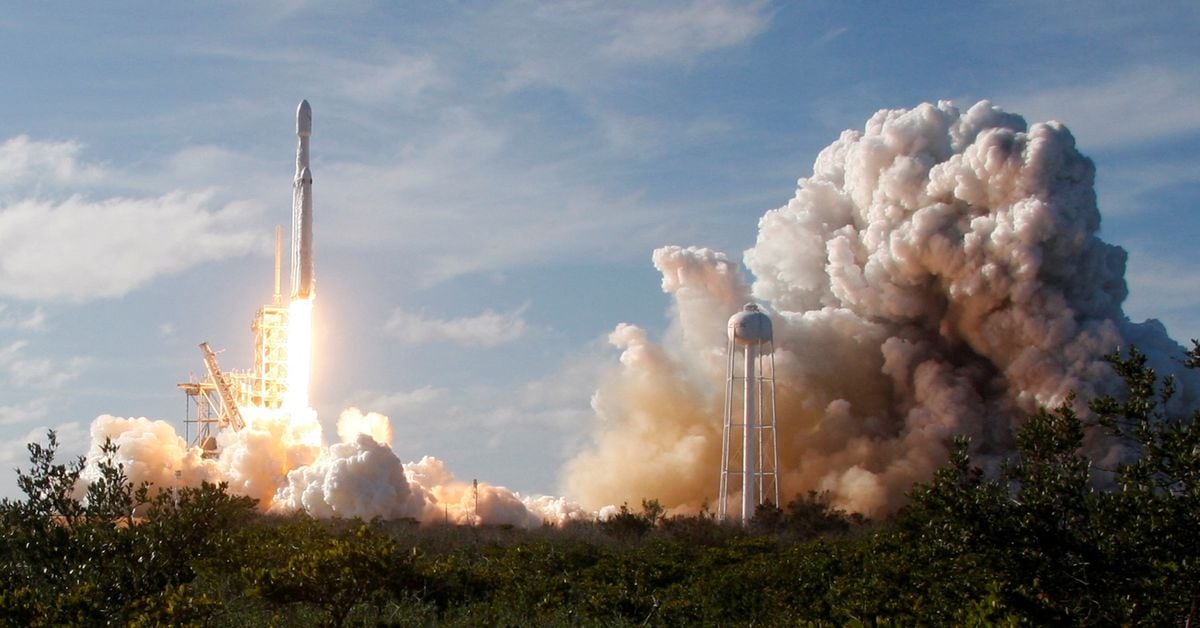
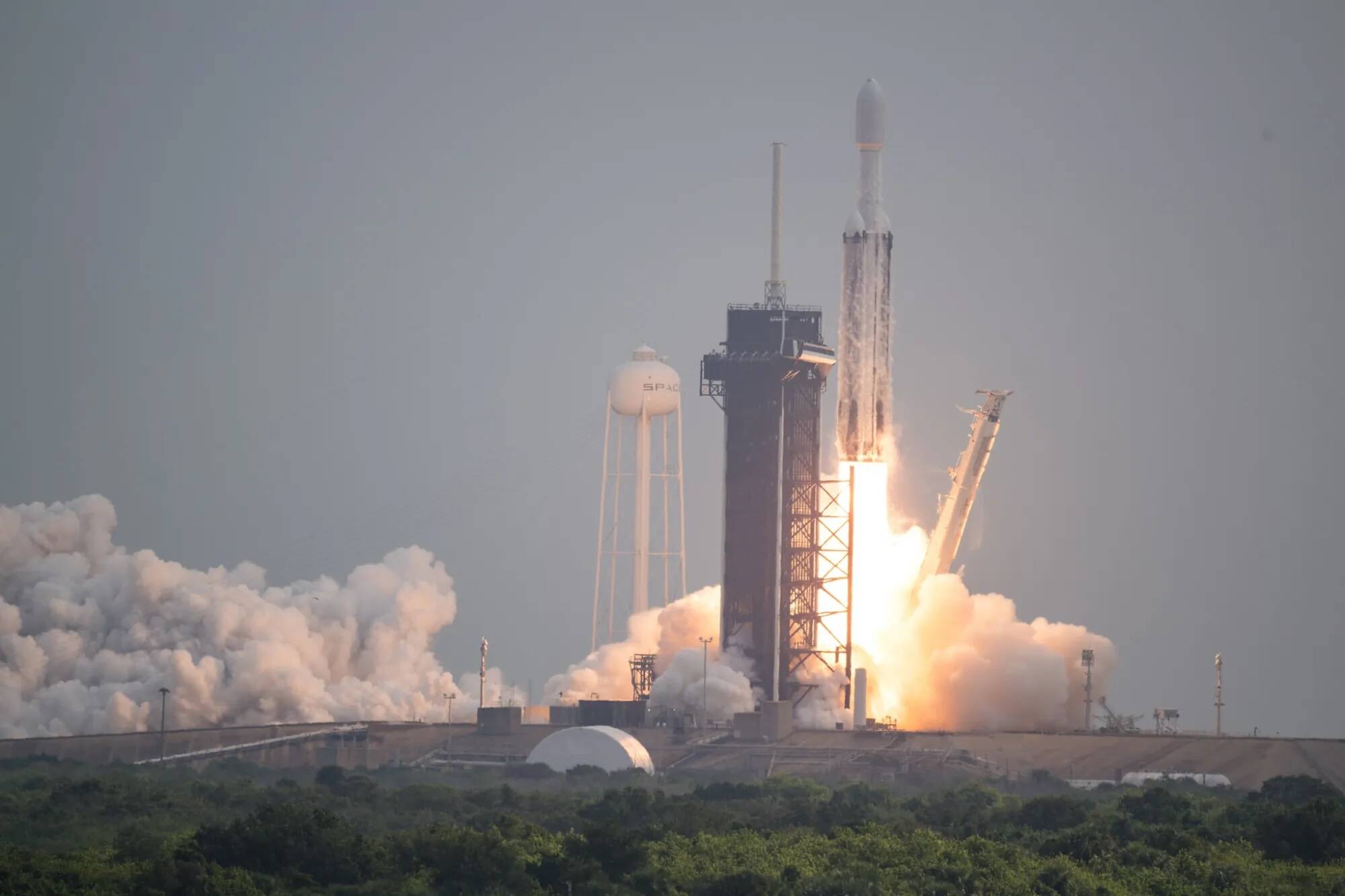
NASA's Nancy Grace Roman Space Telescope successfully launched on August 30, 2026, aboard a SpaceX Falcon Heavy rocket from Kennedy Space Center. The mission, which cost $4.3 billion and was delivered ahead of schedule, aims to revolutionize astronomy by surveying the universe 1,000 times faster than the Hubble Space Telescope. Roman will travel to the Sun-Earth Lagrange Point 2 (L2) to study dark matter, dark energy, and exoplanets, with first images expected in early 2027. The telescope features a Wide Field Instrument for broad cosmic surveys and a Coronagraph for direct imaging of distant planets, potentially paving the way for future missions like the Habitable Worlds Observatory.
NASA's Roman Telescope Launches on Falcon Heavy, Nine Months Ahead of Schedule
space2 months ago

NASA's Roman Telescope Launches on Falcon Heavy, Nine Months Ahead of Schedule

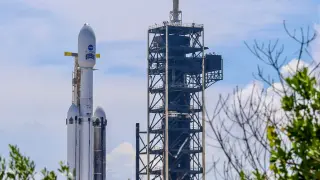
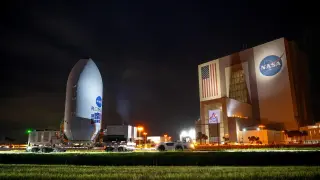
NASA successfully launched the Nancy Grace Roman Space Telescope on August 30, 2026, from Kennedy Space Center. The $4.3 billion observatory, riding a SpaceX Falcon Heavy, is nine months ahead of schedule. It will travel to the Sun-Earth L2 point to map billions of galaxies, study dark energy, and discover over 100,000 exoplanets.

Roman Telescope Reaches Launch Pad Ahead of Aug. 30 Falcon Heavy Liftoff
science2 months ago

Roman Telescope Reaches Launch Pad Ahead of Aug. 30 Falcon Heavy Liftoff

NASA’s Nancy Grace Roman Space Telescope has been successfully delivered to Launch Complex-39A at Kennedy Space Center in Florida, positioning it for a scheduled launch on August 30, 2026. The observatory, which will ride atop a SpaceX Falcon Heavy rocket, is designed to revolutionize astronomy by studying dark energy, mapping distant stars, and detecting exoplanets with a field of view 100 times larger than the Hubble Space Telescope. Following a successful Launch Readiness Review on August 28, NASA declared the mission 'go' for launch. The telescope will travel to the Earth-Sun L2 point, approximately 930,000 miles away, where it will undergo a multi-month checkout before beginning its primary science operations. This mission represents a critical milestone for NASA’s science portfolio, following the success of the Artemis lunar program.

Roman Telescope Launch Scheduled for August 30 from Kennedy Space Center
science-and-space3 months ago

Roman Telescope Launch Scheduled for August 30 from Kennedy Space Center

NASA and SpaceX have scheduled the launch of the Nancy Grace Roman Space Telescope for August 30, 2026, from Launch Complex 39A at Kennedy Space Center. The infrared observatory, which features a field of view 100 times larger than Hubble's, will travel to the Sun-Earth L2 point to study dark energy, map galaxies, and detect exoplanets. NASA has confirmed a backup launch window for August 31 and detailed a comprehensive broadcast schedule for the event.

Roman Telescope Sealed for Launch: NASA Clears Final Hurdles Ahead of Aug. 30 Liftoff
space3 months ago

Roman Telescope Sealed for Launch: NASA Clears Final Hurdles Ahead of Aug. 30 Liftoff

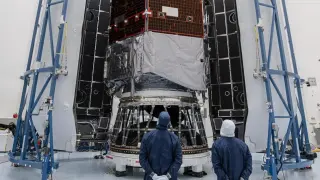
NASA and SpaceX have completed the final Flight Readiness Review for the Nancy Grace Roman Space Telescope, clearing it for launch on August 30. The observatory, encapsulated in a Falcon Heavy fairing, will travel to Launch Complex 39A in Florida. Once deployed at Lagrange Point 2, Roman will survey 100 times more sky than Hubble to map dark matter and detect up to 200,000 exoplanets.

NASA's Nancy Grace Roman Space Telescope arrives at Kennedy Space Center ahead of Falcon Heavy launch
space-exploration5 months ago

NASA's Nancy Grace Roman Space Telescope arrives at Kennedy Space Center ahead of Falcon Heavy launch

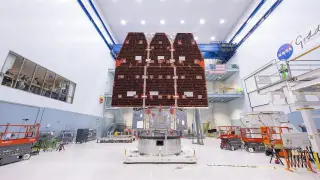
NASA’s Nancy Grace Roman Space Telescope has arrived at Kennedy Space Center, Florida, for final tests before an Aug. 30 liftoff aboard SpaceX’s Falcon Heavy—eight weeks earlier than originally planned. From Goddard, the telescope was shipped on a Pegasus barge to KSC, where it will be unpacked, decontaminated, and moved into the Payload Hazardous Servicing Facility for final checkouts, fueling, and integration in preparation for launch to Sun-Earth L2. The mission, powered by a historical 2.4-meter mirror and a 300-megapixel camera, aims to study dark energy, exoplanets, and other cosmic phenomena, with a nominal five-year primary duration and potential extensions if conditions allow.

"US military's secretive X-37B space drone set for 7th launch atop SpaceX Falcon Heavy"
space2 years ago

"US military's secretive X-37B space drone set for 7th launch atop SpaceX Falcon Heavy"

The US military's X-37B spaceplane is set for its seventh mission, this time launching atop a SpaceX Falcon Heavy rocket. The secretive vehicle, resembling a miniature space shuttle, is designed for long-duration orbital flights and technology experiments. The mission's details remain undisclosed, but it is expected to test new orbital regimes and space domain awareness technologies. The X-37B will also carry a NASA experiment to study the effects of radiation on plant seeds. This launch marks the ninth for SpaceX's Falcon Heavy and the third time it has been used for a national security payload.

"X-37B Spaceplane Set for Historic Launch on SpaceX Falcon Heavy"
space3 years ago

"X-37B Spaceplane Set for Historic Launch on SpaceX Falcon Heavy"

The U.S. Air Force X-37B spaceplane, operated by the Air Force Rapid Capabilities Office and the U.S. Space Force, is set to launch on a SpaceX Falcon Heavy rocket on December 7 from Kennedy Space Center. This will be the seventh mission for the reusable spaceplane, designated as Orbital Test Vehicle 7 (OTV-7). The mission aims to conduct various tests, including operating in new orbital regimes, experimenting with space domain awareness technologies, and investigating radiation effects on materials. The X-37B will also carry a NASA experiment called Seeds-2, which will expose plant seeds to the radiation environment of long-duration spaceflight.

NASA's Psyche Mission: Exploring a Metal-Rich Asteroid and the Potential for Astronomical Wealth
space3 years ago

NASA's Psyche Mission: Exploring a Metal-Rich Asteroid and the Potential for Astronomical Wealth

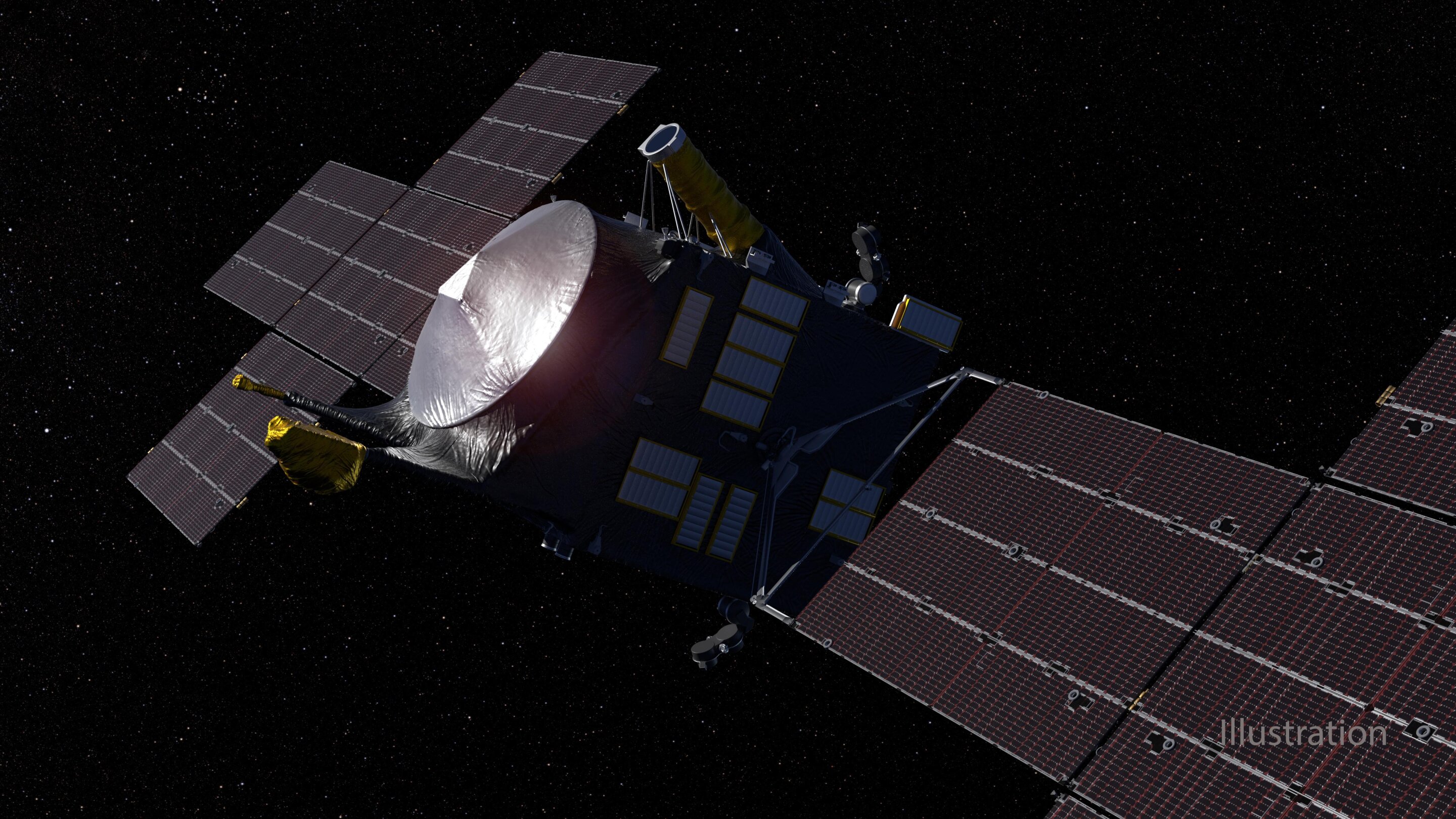
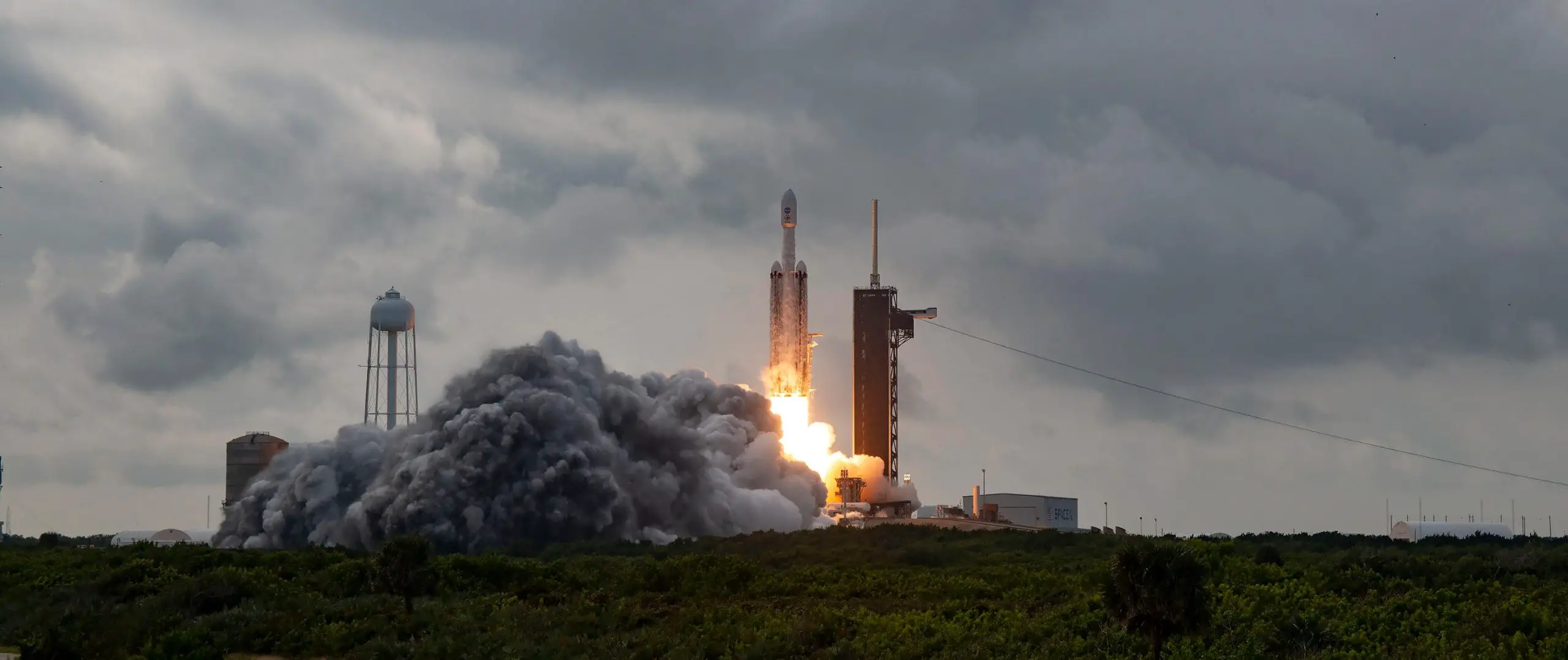
NASA's Psyche mission successfully launched on a SpaceX Falcon Heavy rocket, heading towards the metal-rich asteroid Psyche. The spacecraft will study the asteroid's composition and formation of rocky planets, while also testing Deep Space Optical Communications technology. The mission will undergo a commissioning phase and is expected to reach the asteroid in 2029. The use of SpaceX's Falcon Heavy marks a first for NASA, as it is the first time the launcher has been entrusted with the agency's "most complex and highest priority missions." The reliance on SpaceX highlights the limited options for Western launch providers, as other companies face delays and supply issues.

NASA's Psyche Mission: Journey to a Metal-Rich Asteroid Aboard SpaceX Falcon Heavy
space3 years ago

NASA's Psyche Mission: Journey to a Metal-Rich Asteroid Aboard SpaceX Falcon Heavy

NASA's Psyche spacecraft, launched atop a SpaceX Falcon Heavy rocket, is on its way to study a metal-rich asteroid called Psyche located in the main asteroid belt between Mars and Jupiter. This is NASA's first mission to explore an asteroid with more metal than rock or ice. The spacecraft is also carrying a pioneering technology demonstration called Deep Space Optical Communications (DSOC), which will test laser communications beyond the Moon. The mission aims to unlock secrets about planet formation and evolution while advancing optical communication capabilities for future space exploration.

"SpaceX Falcon Heavy launch of NASA's Psyche asteroid mission delayed due to bad weather"
spaceflight3 years ago

"SpaceX Falcon Heavy launch of NASA's Psyche asteroid mission delayed due to bad weather"

The launch of NASA's Psyche asteroid mission, scheduled for October 12, has been delayed to October 13 due to inclement weather. The launch window runs through October 25, with Friday and Saturday being the backup options. The delay is also influenced by the limited launch recycle attempts of SpaceX's Falcon Heavy rocket. The Psyche mission aims to explore a metal asteroid in the main asteroid belt between Mars and Jupiter.