Researchers have developed a battery-free implant that uses endogenous glucose to power a closed-loop system for managing metabolic disorders. By mimicking the vagus nerve, the device reduces inflammation and improves insulin sensitivity in animal models.
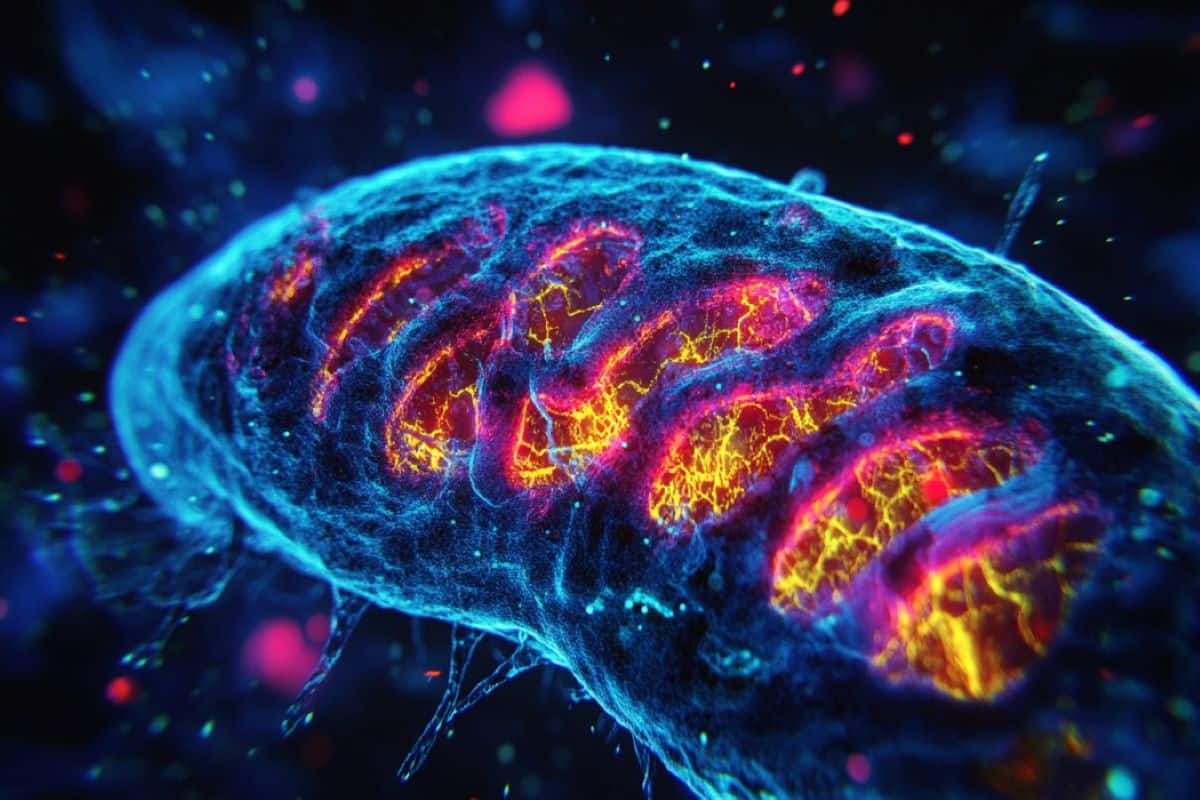
Glen Jeffery, a neuroscience professor at University College London, has declared energy-efficient LED bulbs a 'clear and present public health emergency,' comparing their potential risks to those of asbestos. He argues that the short-wavelength blue light emitted by LEDs, which are now in nearly half of US households, damages mitochondria and disrupts systemic health. While some studies link LED exposure to reduced mitochondrial activity and altered liver function in mice, the European Commission’s scientific committee has found no evidence of direct adverse health effects in healthy populations during normal use. Jeffery recommends mitigating risks by supplementing LED lighting with broad-spectrum sources, such as incandescent bulbs or natural sunlight, to support circadian rhythms and mitochondrial function.
GLP-1 drugs like Ozempic and Zepbound are proving to be 'generational breakthroughs' by reducing risks for heart disease, kidney failure, and certain cancers, not just aiding weight loss. While 11% of U.S. adults now use these drugs, experts caution that benefits for healthy individuals remain unproven and side effects like muscle loss require monitoring.
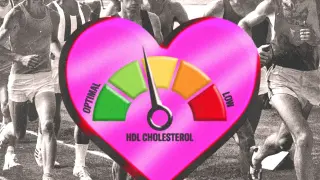
HDL, or 'good' cholesterol, removes excess cholesterol from arteries via reverse transport, but experts warn that focusing solely on raising it is ineffective. Low HDL often signals underlying issues like insulin resistance or obesity. Rather than seeking specific foods or drugs to boost HDL, cardiologists recommend treating these root causes through diet, exercise, and sleep, noting that some individuals may have genetically low HDL that cannot be altered.
Cardiovascular-kidney-metabolic (CKM) syndrome is a clinical framework that links obesity, type 2 diabetes, chronic kidney disease, and heart disease as interconnected conditions rather than isolated diagnoses. According to the American Heart Association, approximately one in three U.S. adults has CKM syndrome, often without realizing it until significant organ damage occurs. The condition progresses through five distinct stages, from optimal health with no risk factors to established cardiovascular disease alongside metabolic and kidney issues. Early detection relies on evaluating multiple biomarkers, including waist circumference, blood pressure, blood sugar, cholesterol, and kidney function tests. Treatment focuses on lifestyle modifications, such as adopting the Mediterranean or DASH diet, regular exercise, and adequate sleep, alongside medications like SGLT2 inhibitors and GLP-1 receptor agonists that offer protective effects for both the heart and kidneys.
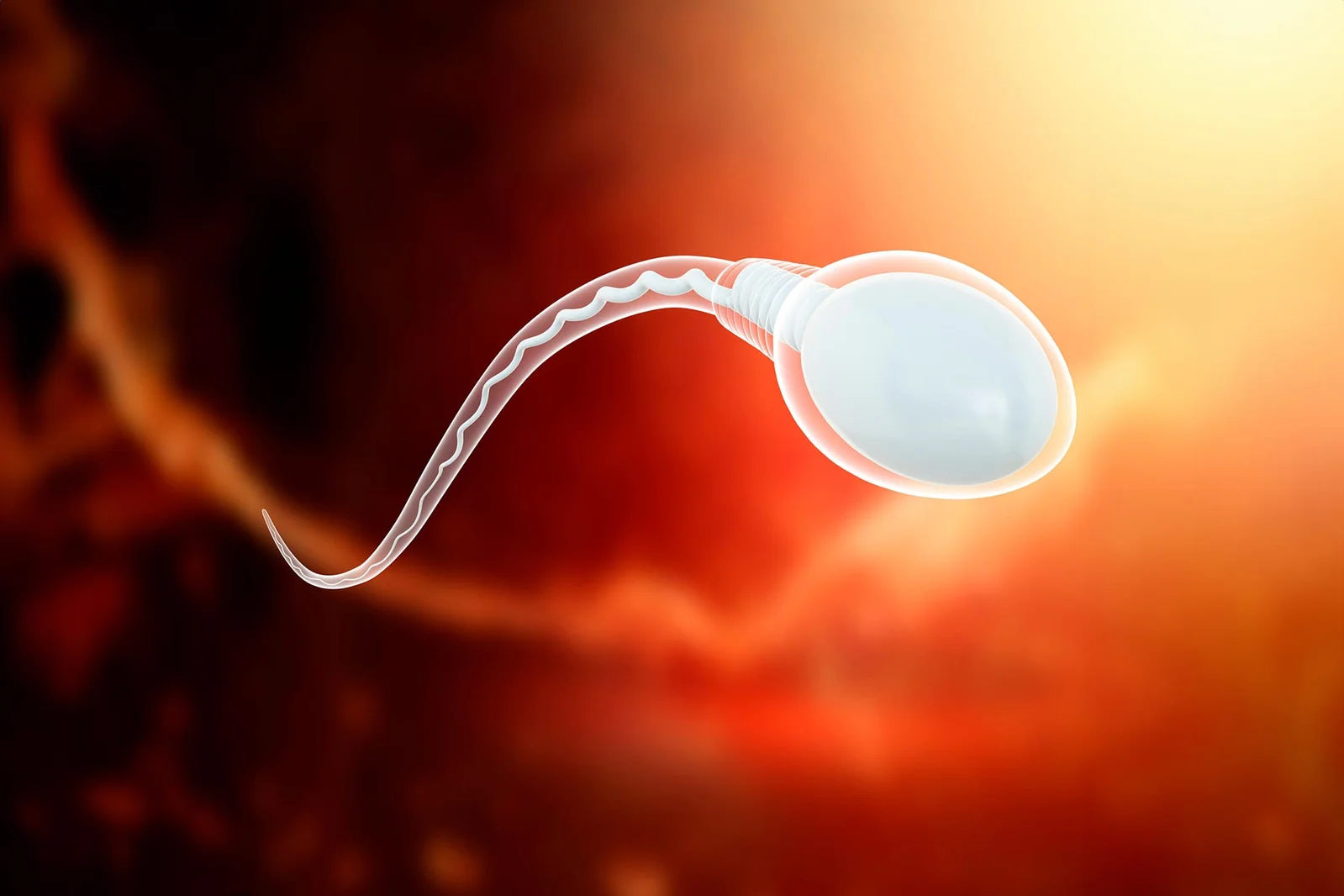
A UC Riverside mouse study shows that a father’s exposure to microplastics can reprogram sperm RNA, which is linked to metabolic problems and diabetes-like phenotypes in female offspring on a high-fat diet, while male offspring exhibit milder effects. The work suggests environmental pollutants can imprint health risks on future generations via small non-coding RNAs and highlights the need for further research in humans.
A global study found that over 20% of adults with normal BMI have abdominal obesity, which significantly increases their risk of hypertension, diabetes, and high cholesterol, highlighting the limitations of BMI as a sole health indicator.
The age at which girls experience their first period, or menarche, can provide insights into their future health, with earlier onset linked to increased risks of hormone-sensitive cancers, metabolic disorders, insulin resistance, and possibly heart disease, though more research is needed to clarify these connections.
Researchers at Korea University College of Medicine used mitochondrial gene editing to induce mutations in the ND5 gene in mice, revealing significant impacts on brain function, metabolism, and thermoregulation. The study found that these mutations led to learning deficits, hippocampal atrophy, and obesity, highlighting the potential of mitochondrial gene editing for developing therapies for mitochondrial diseases and related neurodegenerative and metabolic disorders.
A recent study published in Nature Metabolism suggests that dietary supplementation with resistant starch can lead to weight loss and improved insulin sensitivity in overweight individuals by reshaping the gut microbiota. The study found that supplementation with resistant starch increased the abundance of Bifidobacterium adolescentis in the gut microbiome, which in turn led to improvements in insulin sensitivity through changes in secondary bile acid levels and reduced inflammation. This research offers a potential avenue for the treatment of metabolic disorders and sheds light on the role of the gut microbiome in weight management and metabolic health.
A study conducted by researchers from Harvard and Oxford University suggests that being diagnosed with certain health conditions in one's 20s can increase the likelihood of being childless later in life. The study, which included 2.5 million participants from Sweden and Finland, found that behavioral health issues such as alcoholism and schizophrenia had the greatest influence on childlessness among men, while autoimmune and inflammatory diseases like multiple sclerosis and cardiovascular disorders were more likely to result in childlessness among women. The study identified 74 different conditions associated with childlessness, including mental health disorders, birth defects, and metabolic disorders. These findings contribute to the understanding of factors contributing to declining birth rates and highlight the need for improved public health interventions.
Scientists have developed a nanogel-based delivery system that effectively targets and reverses obesity in mice by delivering drugs directly to the liver, avoiding side effects and enhancing drug efficacy. The treatment, which has shown promise for other liver-related diseases, represents a significant advance in targeted therapy for metabolic disorders. Efforts are underway to translate these findings for human use, with a startup company called Cyta Therapeutics leading the way. The nanogel delivery system, developed at the University of Massachusetts Amherst, enabled obese mice to revert to a normal weight while maintaining a high-fat diet.
Metabolism refers to the chemical changes that occur within cells and organisms to provide energy and maintain overall health. Factors such as age, sex, muscle mass, genetics, movement, and tobacco use can influence the speed of metabolism. People with a slow metabolism may have difficulty losing weight because they burn fewer calories, but building muscle can help increase metabolism. Metabolic disorders are inherited conditions that affect the body's metabolism. Aging, losing weight, quitting smoking, and skipping meals can all contribute to a slower metabolism. Prioritizing strength training and a healthy lifestyle can help boost metabolism.
The American Heart Association has released an advisory introducing a new syndrome called cardiovascular-kidney-metabolic (CKM) syndrome, which links heart disease, metabolic disorders, and kidney disease. The advisory provides updated approaches to screening, stages, and treatment for CKM syndrome. It emphasizes the importance of collaborative care among healthcare providers from different specialties and addresses the impact of social factors on health and CKM risk. The advisory aims to improve risk assessment and develop personalized treatment plans for individuals with CKM syndrome.
New research suggests that caffeine consumption may improve thyroid function in individuals with metabolic disorders. The study found a nonlinear association between caffeine intake and thyroid-stimulating hormone (TSH) levels. Moderate caffeine consumption (9.97-264.97 mg/d) was positively correlated with TSH levels, while higher or lower amounts of caffeine showed no significant association. However, the study has limitations, including exclusions of certain patient groups and potential bias. Further research is needed to verify the effects of caffeine on thyroid function and understand the underlying mechanisms.