Tag

Petermann Glacier

All articles tagged with #petermann glacier

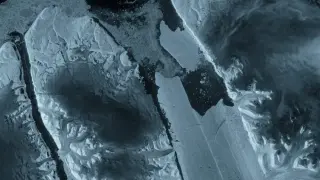
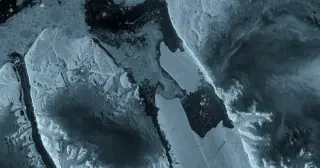
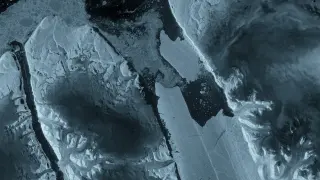
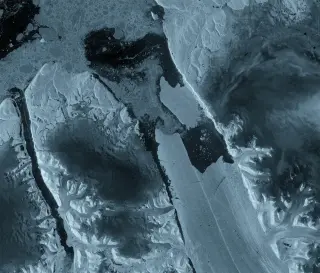
Arctic ice island forms as Greenland’s Petermann Glacier calves, tracked by Sentinel-1
environment1 hour ago

Arctic ice island forms as Greenland’s Petermann Glacier calves, tracked by Sentinel-1

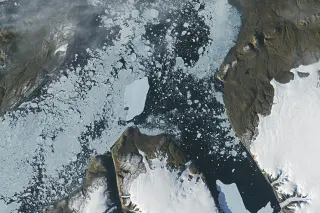
Sentinel-1 radar imagery captured a 76 sq km section of Petermann Glacier’s floating ice tongue detaching on 4 August 2026, forming a Manhattan-sized ice island up to 150 metres thick—the Arctic’s largest calving event since 2020. The researchers warn two additional large detachments (≈97 and 87 sq km) could follow as fractures propagate. The one-day repeat radar data enabled near‑real‑time monitoring, underscoring the value of Copernicus Sentinel-1 for tracking glacier dynamics and potential impacts on shipping and the Arctic environment.

Manhattan-Sized Ice Island Emerges from Greenland Glacier Break
science9 days ago

Manhattan-Sized Ice Island Emerges from Greenland Glacier Break

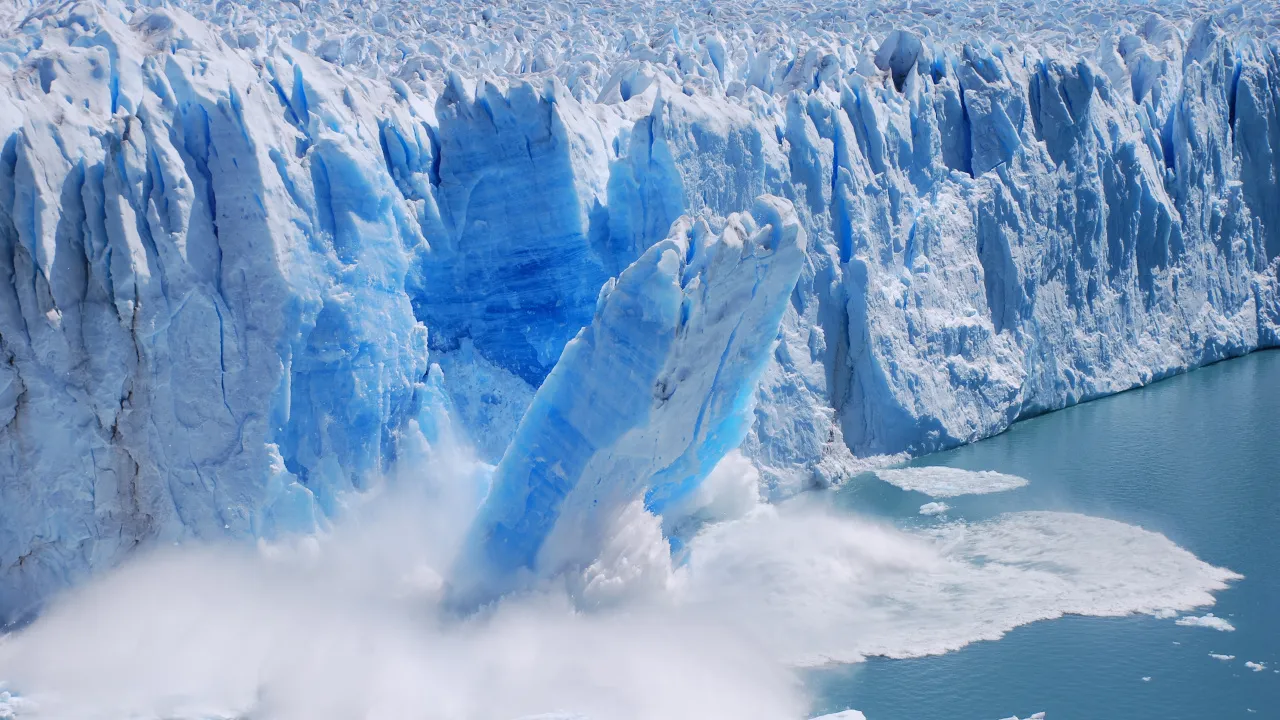
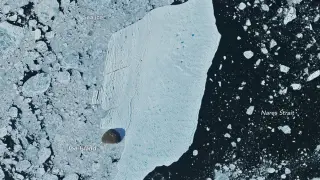
A massive iceberg broke off Greenland’s Petermann Glacier, forming an ice island up to 492 feet thick and about 29.5 square miles (76.4 sq km) in surface area—roughly the size of Manhattan—marking the glacier’s largest loss of floating ice since 2012, with two more calving events anticipated as scientists monitor the drifting ice islands and assess risks to ships and offshore infrastructure.

environment3 years ago

Petermann Glacier Retreat Could Accelerate Sea Level Rise.

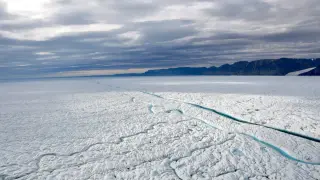
Images from NASA's Terra satellite show the retreat of Petermann Glacier's floating ice tongue over the past two decades due to warming ocean waters melting the glacier's ice from below. The glacier is thinning, retreating, and accelerating its flow, making it more prone to fractures and iceberg calving. A rift formed in 2017, which has converged with an older rift, and it remains to be seen if it will eventually grow across the width of the glacier and release another large iceberg. The highest melt rates under the floating ice tongue occurred within its grounding zone, where tides can help warmer seawater reach farther and melt inland ice from below, contributing to sea level rise.

The Accelerating Threat of Glacier Melting and Sea Level Rise.
climate-change3 years ago

The Accelerating Threat of Glacier Melting and Sea Level Rise.

Researchers from the University of California, Irvine, and NASA’s Jet Propulsion Laboratory have discovered that the grounding line of the Petermann Glacier in northwest Greenland moves substantially with tidal cycles, allowing warm seawater to seep far underneath the glacier, accelerating ice melt. This revelation defies the traditional understanding that these grounding lines remain static during tidal cycles and are immune to melt. The team suggests that if these overlooked ice-ocean dynamics were accounted for in models, estimates of future sea level rise could double.