Tag

Plant Based

All articles tagged with #plant based

health2 days ago

Mycotoxins Found in Every Plant-Based Product in UK Market, Study Finds

A UK study of 212 vegan and vegetarian products found mycotoxins in every item, with 19 different toxins detected and some products carrying multiple toxins. Although levels were below EU guideline limits, researchers warn that constant consumption could lead to cumulative exposure and potential health risks, underscoring the need for ongoing raw-material monitoring and improved risk assessments to guide policymakers and protect vulnerable consumers.

A Day in 50g of Fiber: How a Gut Health Scientist Feeds Her Microbiome
health3 days ago

A Day in 50g of Fiber: How a Gut Health Scientist Feeds Her Microbiome

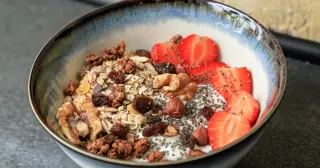
Megan Rossi, a gut health scientist and registered dietitian at King’s College London, aims for 50–60 grams of fiber daily—above the UK guideline of 30g—believing this level could boost mood and gut health by feeding the gut’s bacteria. Her day is built around high-fiber choices: a kefir-soaked overnight oats breakfast with seeds, fruit, and nuts; a lunch bowl aligning with her “Super Six” plant-based groups (grains, legumes, vegetables, nuts/seeds, fruits, herbs/spices), plus yogurt and olive oil; an afternoon smoothie packed with frozen fruits/vegetables and kefir; and a dinner stir-fry with protein, vegetables, and legumes, followed by frozen berries with kefir for dessert. She emphasizes gradual fiber increases to minimize bloating and relies on meal planning to hit fiber targets, highlighting the microbiome’s role in digestion, mood, and overall health while noting that more research is needed.

High-Protein Diets May Backfire on Longevity for Inactive Adults
health18 days ago

High-Protein Diets May Backfire on Longevity for Inactive Adults

A UW–Madison review of more than 350 studies suggests that while protein supports muscle, consuming more than the body needs may offer little extra benefit and could shorten longevity in sedentary adults, depending on protein source and amino acid profile. Experts stress personalization, noting that active individuals may still need higher protein and that increasing physical activity helps the body use nutrients. Practical tips to rebalance include: 50% of the plate as vegetables, 25% protein, 25% starch; about 0.8 g/kg/day of protein for low activity (around 1.0 g/kg for more active people); eat a rainbow of fruits and vegetables; switch to plant-based proteins; choose whole, unprocessed foods, and consult healthcare providers for personal guidance.

Tempeh, Beans, and Oats: A Dietitian-Backed Gut Health Protein Trio
health27 days ago

Tempeh, Beans, and Oats: A Dietitian-Backed Gut Health Protein Trio

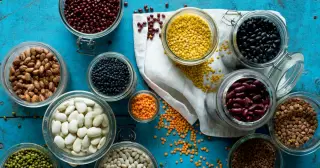
A nutrition expert highlights three gut-friendly plant-based proteins—tempeh, beans, and oats. Tempeh provides about 18g protein and 6g fiber per serving and includes probiotics; beans (like navy/white varieties) supply substantial fiber, protein, and calcium; oats offer roughly 5g protein with soluble fiber that supports digestion and heart health, especially when paired with fortified non-dairy milk. The piece emphasizes fiber and probiotics as the two main gut-health traits to look for in plant-based proteins, noting tempeh is among the few foods that combine both fiber and probiotics.

Nine Fruits That Contribute Plant-Based Omega-3, Dietitians Say
health1 month ago

Nine Fruits That Contribute Plant-Based Omega-3, Dietitians Say

A TODAY health feature lists nine fruits that provide small amounts of plant-based omega-3 (ALA), led by walnuts as the richest source. Other options include plantains, cherimoya, guava, avocado, mamey sapote, jackfruit, kiwi, and papaya. While these fruits can help contribute toward daily omega-3 targets, the body converts only a portion of ALA to EPA/DHA, so algae-based supplements or direct EPA/DHA sources (like fish) remain important for optimal brain, heart and eye health.

Influencer Tries Seven‑Day Blue Zone Diet, Reports Energy Boosts and Social Costs
health1 month ago

Influencer Tries Seven‑Day Blue Zone Diet, Reports Energy Boosts and Social Costs

Fitness influencer Will Tennyson tests the Blue Zone diet for seven days, focusing on all-natural, single-ingredient foods with a plant-forward approach. He notes improved energy, no brain fog, better gut function, and about 2.5 pounds of weight loss, plus clearer skin, but finds the regime expensive and hard to sustain, and socially challenging; he misses protein bars and dairy yogurt and concludes quality-focused, lower-volume meals can feel more satisfying, though the diet isn’t practical long-term.

5 Simple Ways to Start the Mediterranean Diet for Heart Health and Longevity
wellbeing1 month ago

5 Simple Ways to Start the Mediterranean Diet for Heart Health and Longevity

The Washington Post Well+Being piece highlights decades of research showing the Mediterranean diet—rich in plant-based foods and lean proteins—improves cardiovascular health and may lower cancer and Type 2 diabetes risk, with a large Spanish trial reporting about a 30% reduction in heart attacks and strokes. It also provides five easy ways to adapt the diet to different cuisines and lifestyles.

Plant-Forward, High-Protein Snacks for a Healthier Heart
health1 month ago

Plant-Forward, High-Protein Snacks for a Healthier Heart

Experts say the protein source matters more than total protein for heart health, with plant-based options linked to lower cardiovascular risk. They highlight high-protein, heart-friendly snacks like edamame hummus with veggies, unsalted nuts, apple with nut butter, Greek yogurt with berries, roasted chickpeas, and canned salmon on whole-grain crackers, underscoring an overall plant-based pattern alongside adequate protein intake.

Small Meat Substitutions May Extend Healthspan and Trim Grocery Bills
health2 months ago

Small Meat Substitutions May Extend Healthspan and Trim Grocery Bills

Australian researchers studied about 100 adults aged 65–75 on four meal plans that swapped some meat for plant proteins and fiber for a month; all groups lost roughly four pounds, but only the plant-forward diets improved biological age (per the Klemera–Doubal method) and health markers, while the high-meat plan showed no biological-age benefit. The study suggests modest meat reduction and greater plant-protein/fiber intake can support aging healthfully without requiring a vegetarian diet; results are preliminary.

Four-week plant-forward diets linked to younger-looking biology in seniors
health3 months ago

Four-week plant-forward diets linked to younger-looking biology in seniors

A 104-person study (aged 65–75) found that four weeks of dietary changes, especially plant-forward diets with about 70% plant protein, lowered biological age as judged by 20 health biomarkers in three of four diet groups; a high-fat omnivorous diet showed no meaningful change. The results suggest short-term dietary shifts can affect aging biomarkers, but are preliminary.

Protein by Design: Why Variety Beats Single-Source Protein
health3 months ago

Protein by Design: Why Variety Beats Single-Source Protein

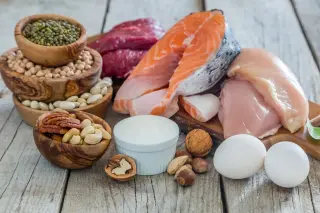
Experts urge a mix of protein sources to meet amino-acid needs and nutrient goals while weighing health and environmental factors. The piece reviews beef, pork, chicken, fish, eggs, beans, lentils, tofu and protein powders, outlining protein content, benefits (fiber, vitamins, minerals) and drawbacks (fat, sodium, processing, cost). It emphasizes prioritizing whole foods and notes that daily protein guidance is about 1.2–1.6 g/kg body weight, with room for individual variation and preference.

The 40s Diet Blueprint to Extend Your Lifespan
health3 months ago

The 40s Diet Blueprint to Extend Your Lifespan

Experts say that in your 40s it’s wise to adopt a plant-forward, minimally processed diet rich in nuts, seeds, legumes, and adequate protein, while prioritizing whole foods over smoothies. Emphasizing patterns like the Mediterranean, DASH, or MIND, and maintaining a healthy weight with regular movement and limited alcohol, could significantly extend lifespan—roughly a decade for many people.

Consumer Reports Picks Lemon Eucalyptus as Top Non-DEET Bug Repellent
science3 months ago

Consumer Reports Picks Lemon Eucalyptus as Top Non-DEET Bug Repellent

Consumer Reports names Repel Lemon Eucalyptus Insect Repellent the leading non-DEET option, scoring 90% in lab tests and matching DEET performance for up to 6 hours of protection while avoiding surface damage; it’s praised for its pleasant scent and has strong Amazon reviews, positioning plant-based repellents as credible alternatives to DEET.