Tag

Sweeteners

All articles tagged with #sweeteners

Sweeteners can disrupt gut bacteria, especially when paired with medications
science3 days ago

Sweeteners can disrupt gut bacteria, especially when paired with medications

Cambridge researchers screened 39 sweeteners on 25 gut bacteria and found most affected at least one species, with more than 100 interactions when combined with other substances (such as caffeine, vanillin, and duloxetine). The most striking result was that isosteviol together with the antidepressant duloxetine strongly suppressed two key gut bacteria and lowered microbial diversity in a synthetic community. All experiments were conducted in the lab, so human health relevance remains to be established.


Common sweeteners can disrupt gut bacteria, especially with medications, Cambridge study finds
life-sciences4 days ago

Common sweeteners can disrupt gut bacteria, especially with medications, Cambridge study finds

Cambridge researchers showed in vitro that common sweeteners slow growth of several gut bacteria; most notably, the isosteviol–duloxetine combination strongly suppressed Roseburia intestinalis and Parabacteroides merdae, reducing microbial diversity and altering interactions with host cells. The team tested 25 bacterial species against 39 sweeteners and examined interactions with substances like caffeine, vanillin, and eight drugs, uncovering over 100 interaction effects. Although the findings suggest that sweeteners can affect gut microbes—especially when mixed with other compounds—these were lab experiments and real-world health implications require further study.

Sugar Unmasked: Hidden Sources, Limits, and the Realities of Sweeteners
health1 month ago

Sugar Unmasked: Hidden Sources, Limits, and the Realities of Sweeteners

An overview of why sugar is so pervasive, revealing that there are over 50 names for sugar and that free/added sugars hide in drinks, snacks and sauces. While sugar in whole foods is fine, guidelines urge limiting free sugars to about 5–10% of daily calories (UK/WHO), though many people exceed this, especially via soft drinks. Sugar is linked to tooth decay, obesity, and potential cognitive and gut health effects. Practical tips include gradual reductions, swaps to fruit, dairy and water, and using sweeteners as a transitional aid rather than a cure-all. The piece also notes the UK sugar tax has driven reformulation and highlights broader environmental concerns tied to sugar production.

Sugar substitutes deliver modest metabolic benefits, but no perfect replacement yet
science2 months ago

Sugar substitutes deliver modest metabolic benefits, but no perfect replacement yet

Randomised trials show that replacing sugar with approved sweeteners can lower post-meal glucose and insulin and aid weight maintenance in structured diets; there is no universal substitute that perfectly mimics sugar's bulk and mouthfeel, and policy debates continue to hinge on differences between observational studies and trials. Future advances may come from blends, sweet proteins, rare sugars, and AI-assisted discovery, but more data across children and high-risk groups are needed.

Sweeteners Across Generations: Gut Microbes and Metabolism Affected by Sucralose and Stevia in Mice
nutrition3 months ago

Sweeteners Across Generations: Gut Microbes and Metabolism Affected by Sucralose and Stevia in Mice

A mouse study in Frontiers in Nutrition shows artificial (sucralose) and natural (stevia) non-nutritive sweeteners can alter the gut microbiome and gene expression related to inflammation and metabolism, with effects passing to a second generation: sucralose impaired glucose tolerance in male offspring in generation 1, and by generation 2, fasting glucose rose in male sucralose descendants and female stevia descendants, while both sweeteners lowered short-chain fatty acids and increased microbial diversity. The researchers caution that results in mice may not translate to humans and call for moderation and further study.

Nutritionist Weighs In: Sugar, Honey, or Monk Fruit — Which Is Healthier?
health8 months ago

Nutritionist Weighs In: Sugar, Honey, or Monk Fruit — Which Is Healthier?

Nutritionist Suman Agarwal explains that while natural sweeteners like jaggery, honey, and dates have some benefits, they are not calorie-free and can have high glycemic indexes, making moderation important. Zero-calorie options like stevia and monk fruit are safer alternatives, but overall, limiting all added sugars is recommended for long-term health, following WHO guidelines and recent studies linking high sugar intake to increased cardiovascular risk.

Maple Syrup or Honey: Best Sweetener for Diabetes
health11 months ago

Maple Syrup or Honey: Best Sweetener for Diabetes

Maple syrup and honey are natural sweeteners with health benefits and moderate glycemic indices, making them better options than refined sugar for diabetes management. Maple syrup has a slightly lower GI and higher mineral content, while honey offers more vitamins and antioxidants. Moderation and individual monitoring are key, and consulting healthcare providers is recommended for personalized advice.

Trump Secures Coca-Cola's Return to Cane Sugar in U.S. Drinks
business1 year ago

Trump Secures Coca-Cola's Return to Cane Sugar in U.S. Drinks

President Trump claimed Coca-Cola in the US would switch to cane sugar, but the company did not confirm this, leaving it unclear whether the switch will happen as Trump suggested. Coca-Cola typically uses corn syrup in the US but uses cane sugar in other countries. The company has not officially announced any change to its sweetener formulation following Trump's statement.

"Balancing Weight and Health: The Role of Sweeteners in Sugar Replacement"
health-and-wellness2 years ago

"Balancing Weight and Health: The Role of Sweeteners in Sugar Replacement"

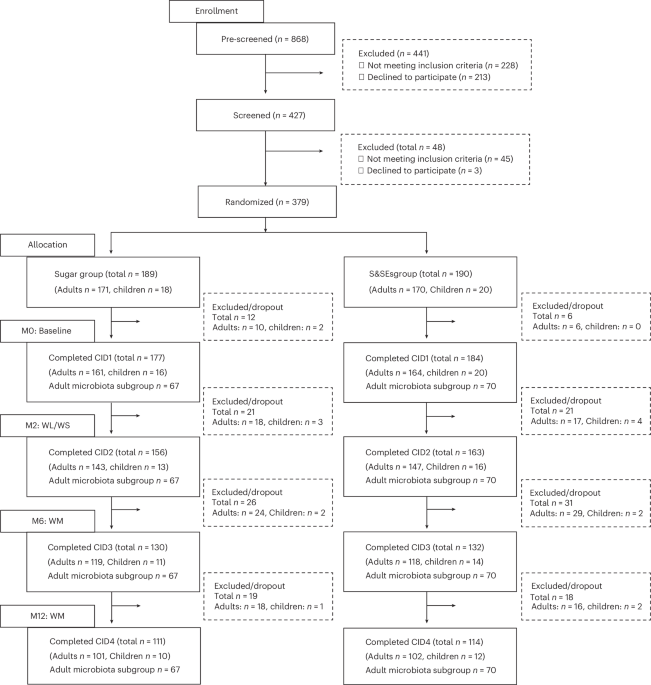
A new study, known as the Sweet Project, suggests that replacing sugar with sweeteners and sweetness enhancers (S&SE) could help with weight management and doesn't appear to increase the risk of type 2 diabetes or heart disease. The research found that adults who consumed sweeteners after rapid weight loss continued to lose weight for a year, experienced enhanced mood, increased diet satisfaction, and reduced cravings for sweets. However, the study had limitations, and previous research has suggested potential health risks associated with sweeteners. Experts recommend a personalized, holistic approach to weight management, including physical activity, mindful calorie and carbohydrate consumption, a plant-forward diet, and finding easy ways to satisfy sweet cravings with natural sugars.

"The Truth About Non-Sugar Sweeteners and Your Appetite"
health-and-nutrition2 years ago

"The Truth About Non-Sugar Sweeteners and Your Appetite"

A recent study suggests that replacing sugar with sweeteners like stevia does not increase appetite levels, contrary to previous lower-quality studies. The research, conducted by the SWEET consortium, involved 53 healthy adults and found no difference in appetite levels between those who consumed sugar and those who consumed sweeteners. Additionally, participants who consumed sweeteners had lower insulin responses, and stevia showed a significant reduction in blood sugar response compared to sugar. While this study provides valuable insights, more research is needed to confirm these findings and their long-term health impact.

"Debunked: The Myth of Sweeteners Increasing Hunger and Health Risks"
health-and-nutrition2 years ago

"Debunked: The Myth of Sweeteners Increasing Hunger and Health Risks"

A new study has found that replacing sugar with artificial and natural sweeteners in foods does not increase hunger and can help lower blood sugar levels, providing benefits for people at risk of developing type 2 diabetes. The double blind randomized controlled trial, led by the University of Leeds, provides strong evidence that sweeteners do not negatively impact appetite and are beneficial for reducing sugar intake. The study, part of the SWEET consortium, is the first of its kind to look at the effects of sweeteners on appetite and glycemia using food products, and it found that sweeteners can be a helpful tool to reduce added sugar intake without leading to increased appetite or energy intake.