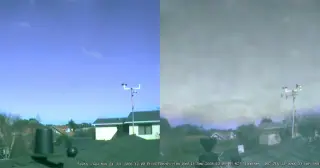
A 1990s-era weather camera in Lower Hutt, New Zealand, has produced a 20-year timelapse of local skies, capturing daily noon images from 2006 to 2026 despite aging hardware and environmental wear.
A new timelapse video captures Comet C/2020 F3 (NEOWISE) rising over the Adriatic Sea from Italy, marking its fourth anniversary since becoming the Great Comet of 2020. The footage, compiled from over 240 images taken in 30 minutes, shows the comet's bright nucleus and tails against noctilucent clouds. This visual highlights the comet's unexpected longevity, as it remained visible to the naked eye for over a month after its initial appearance.
A viral timelapse video captures the rapid transformation of monarch caterpillars into butterflies, highlighting the critical 'J' pose and the brief but vital period where emerging adults pump fluid into their wings before flight. The footage, originally posted by @sam.lw_ and shared by @TheDodo, illustrates the pupal stage lasting 8-15 days and the subsequent emergence, offering a visual guide for backyard observers. While the process is natural, the video emphasizes that the final moments before flight are critical for wing expansion, a detail often missed in standard observation. The article also notes that female monarchs lay 100-500 eggs, with hatching occurring in four days, and that caterpillars molt several times before the final metamorphosis. This visual record serves as an educational tool for understanding the intricate biological steps required for successful butterfly emergence.
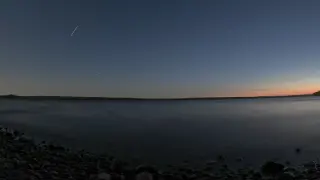
A Digital Camera World author tests the GoPro Mission 1 Pro by leaving it on a beach overnight to shoot a 4K night-sky timelapse. With a larger sensor and bigger battery, the camera ran roughly from midnight to just after sunrise (about 00:20–05:30), delivering usable 8MP stills and demonstrating impressive endurance for a compact action camera without needing an external power source.
A new timelapse from NASA’s Artemis 2 archive showcases Earth in both day and night views, satellites, and auroras captured by the crew during their lunar flyby. The video compiles about 12,000 photos released from the mission, which launched April 1 and returned April 10 with four astronauts—Reid Wiseman, Victor Glover, Christina Koch, and Jeremy Hansen—marking the first crewed lunar flyby since Apollo 17. The footage highlights Earth from behind the Moon, including an ‘Earthset’ shot, and underscores Artemis’ broader plan to return humans to the Moon in upcoming missions Artemis 3 and 4.
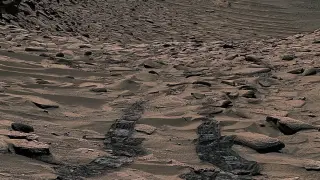
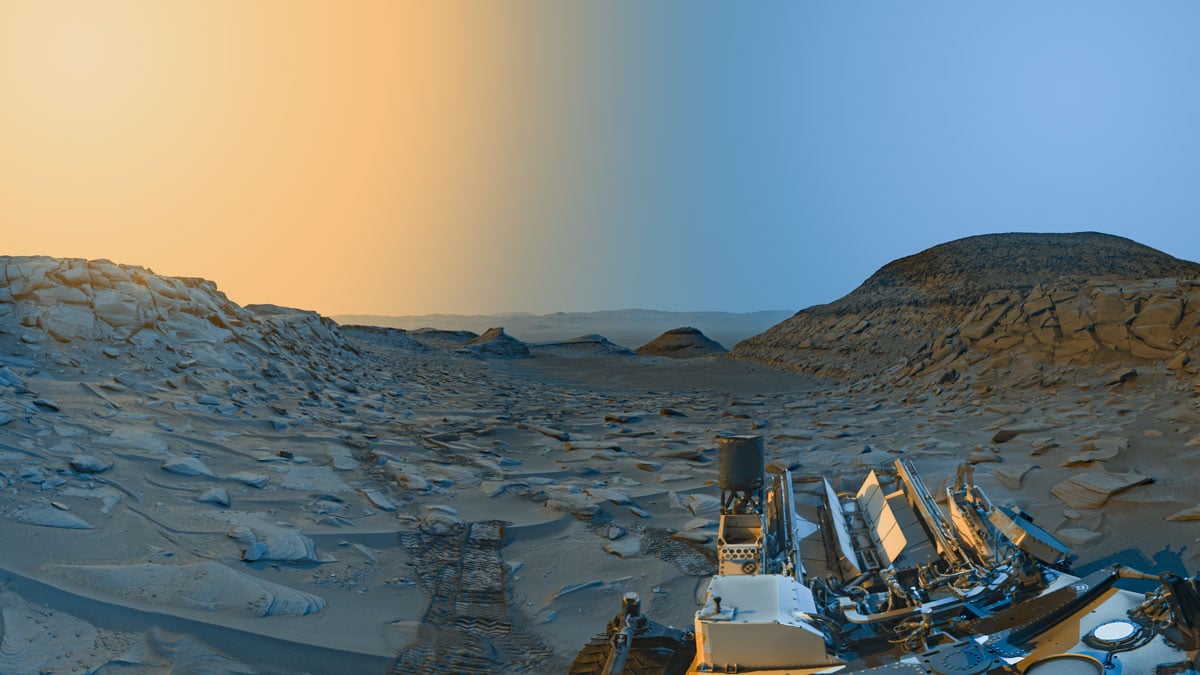
NASA released a two‑minute timelapse from the Curiosity rover spanning six years at Gale Crater to study how sand grains shift on the rover’s deck as it climbs Mount Sharp; the footage helps scientists separate wheel‑driven sand from wind‑blown dust, part of broader findings about Mars’ past habitability and ongoing challenges like wheel wear, with Curiosity having traveled about 23 miles since landing in 2012, and NASA continuing engineering tweaks to keep the rover moving.
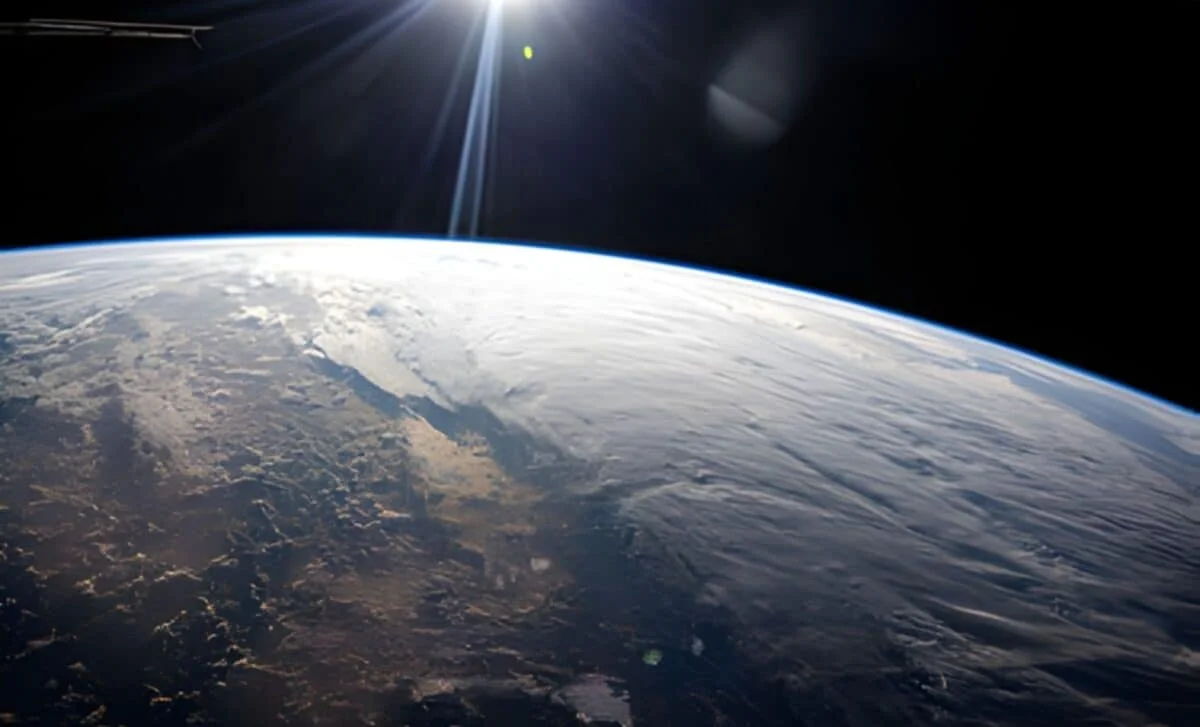
Polish ESA astronaut Sławosz Uznański-Wiśniewski spent 20 days aboard the International Space Station for the Ax-4 Ignis mission, filming a nine-minute timelapse from the Cupola that shows Earth’s atmosphere and the Moon rising. ESA released the clips alongside a hands-on science agenda—13 Polish-institution experiments and 3 ESA-led studies—underscoring international collaboration and tech development for future space missions; the Ax-4 mission launched June 25, 2025 aboard a SpaceX Dragon.
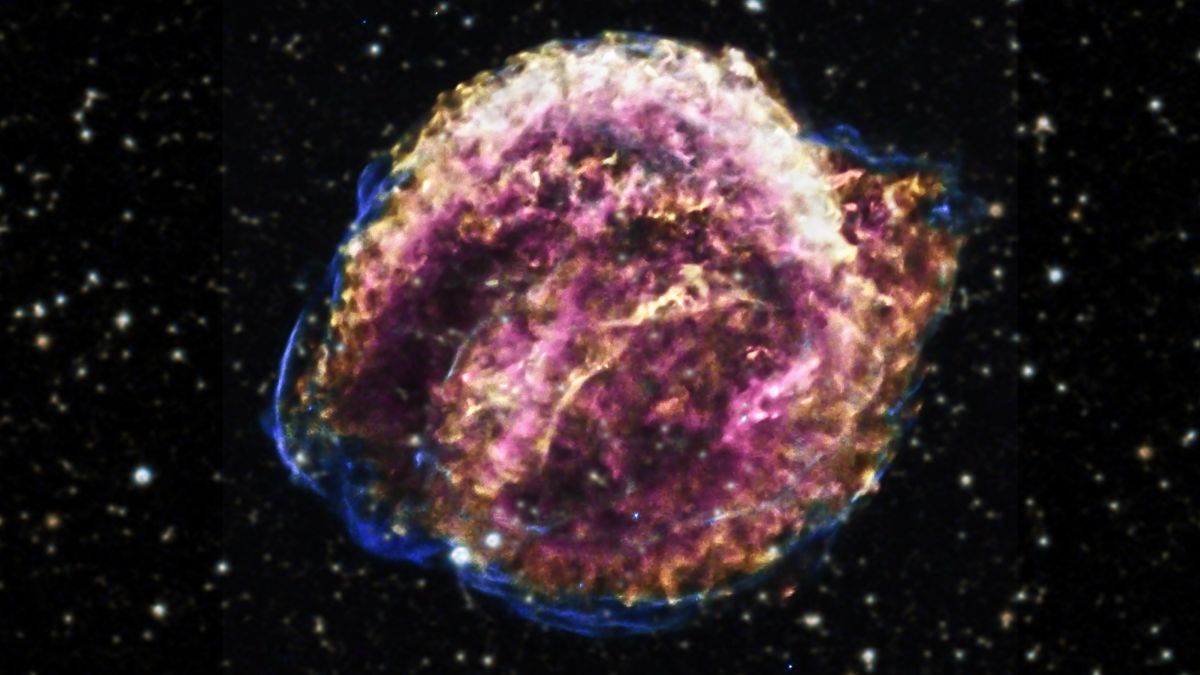
A NASA timelapse video showcases 25 years of expansion of Kepler's Supernova remnant, revealing rapid changes in the explosion's debris, which helps astronomers understand supernova dynamics and element distribution in the universe.
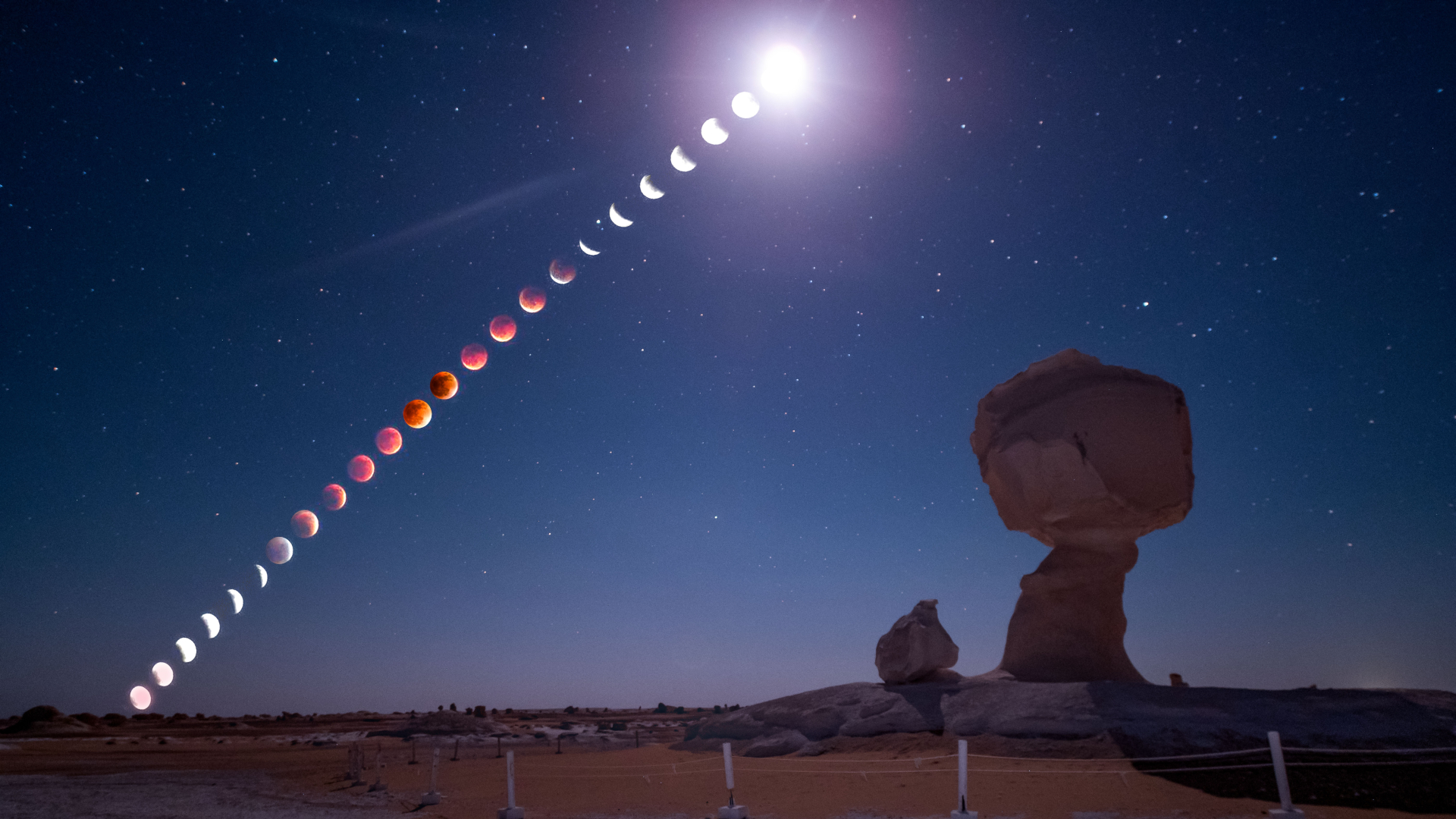
Photographer Osama Fathi captured stunning timelapse images of the September 7 blood moon lunar eclipse over Egypt's White Desert, showcasing the moon's transformation during the event with detailed shots using various lenses, highlighting both its beauty and scientific significance.
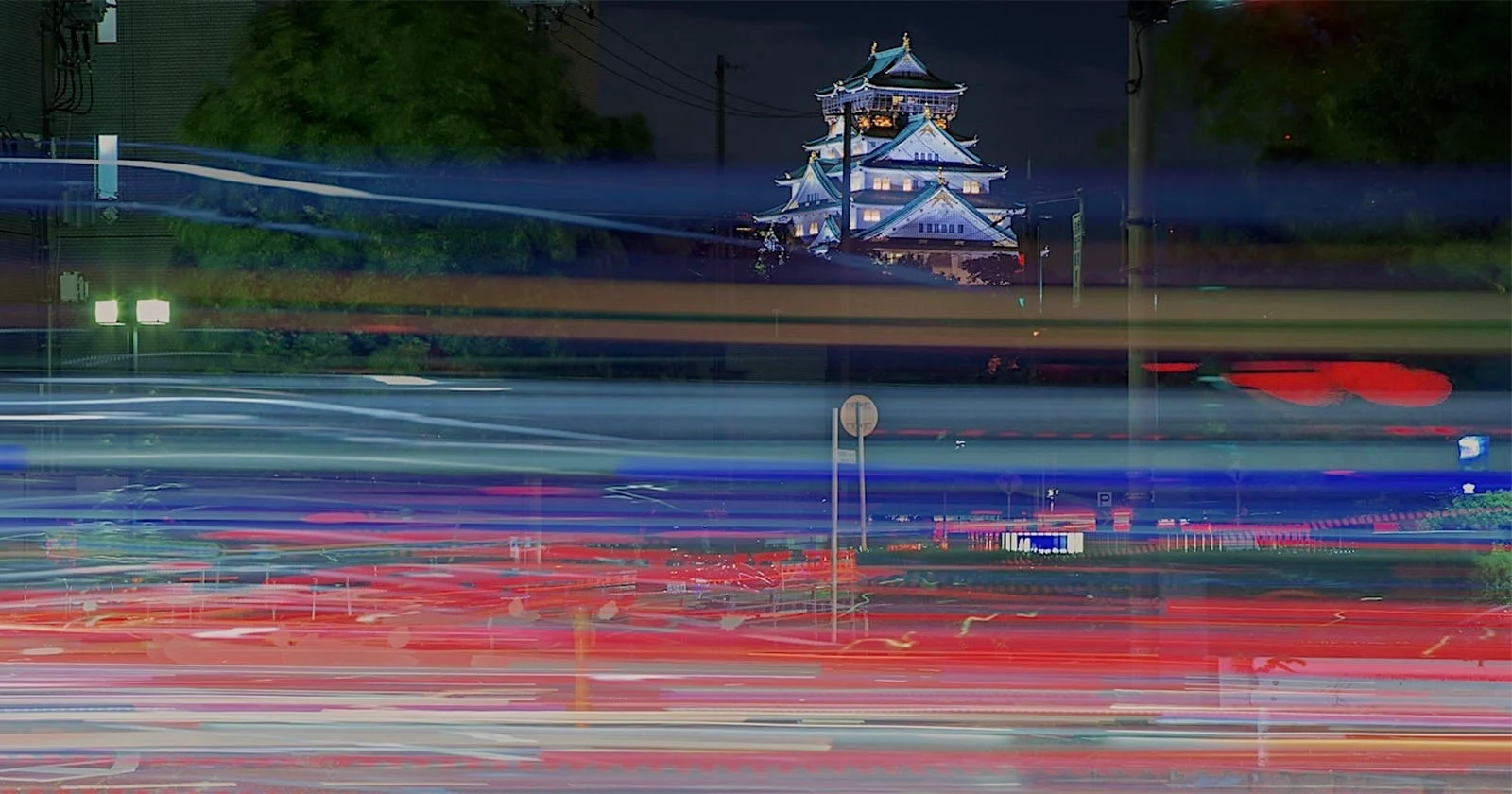
Photographer Gavin Heffernan created a mesmerizing timelapse video titled 'Dreamlapse Japan 3' by capturing over 35,000 photos across various Japanese cities. Using a technique called 'street stacking,' Heffernan applied long exposure and image stacking, typically used for star trails, to depict the vibrant and overwhelming sensory experience of Japan's cityscapes. The project, which took three weeks of shooting and two weeks of editing, involved navigating the challenging exposure ranges of urban environments and was completed using a Canon 6D and various editing software.
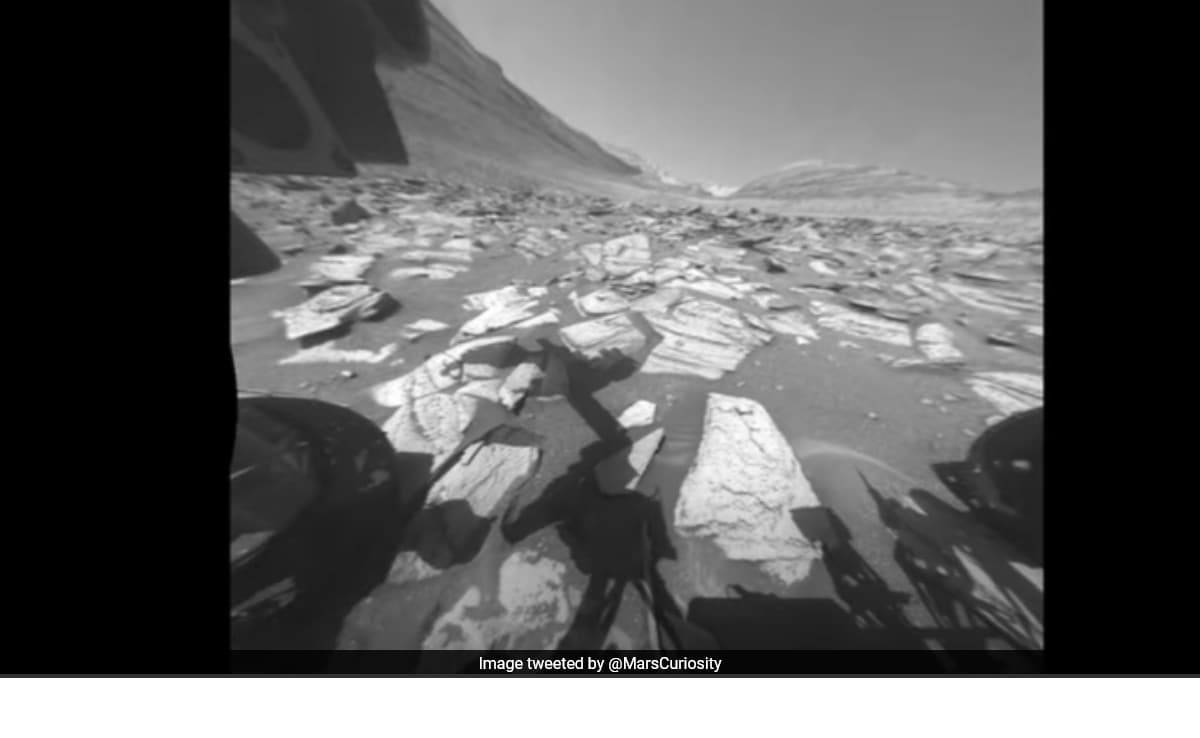
NASA's Curiosity rover has provided a glimpse into a Martian day with a timelapse video titled "Curiosity 12-hour View of Mars." Captured using its Hazard-Avoidance Cameras during a period of solar conjunction, the footage shows the rover's shadow moving across the Martian terrain over a 12-hour period, which is slightly longer than an Earth day. The rover, which has been on Mars since 2012, was stationary for two weeks and used this time to study Martian weather and dust. The video is a unique look at the passage of time on the Red Planet and showcases the rover's ongoing mission to explore and study Mars.
NASA's Curiosity Rover, which has been on Mars since 2012, has captured a time lapse video showing a full day on the Red Planet for the first time. The rover remained stationary for two weeks during the Mars solar conjunction in November 2023, using its hazard-avoidance cameras to record 12 hours of a Martian day, known as a sol. The resulting black and white images show Curiosity's shadow moving across the terrain of the Gale Crater, where it has been conducting scientific exploration. This event coincided with a period when communication with Earth was limited due to the alignment of Mars, Earth, and the Sun.
NASA's Fermi Gamma-ray Space Telescope has compiled a 14-year time-lapse movie of the gamma-ray sky, showcasing the dynamic and high-energy universe. The visualization includes the Milky Way's gamma-ray glow, solar flares, and distant blazars—galaxies with supermassive black holes at their centers. The time-lapse offers a unique perspective on cosmic events, such as black hole eruptions, and contributes to our understanding of the universe's complexity and beauty.
NASA's Curiosity rover, during a break in its Mars mission due to the Mars solar conjunction, utilized its Hazard-Avoidance Cameras (Hazcams) to capture a timelapse of a Martian day. The rover, stationed at the base of Mount Sharp, recorded the sun's movement over 12 hours, resulting in a unique view of its own shadow moving across the Martian landscape. The images, taken on November 8, were compiled into videos post-conjunction, showcasing a different use of the rover's capabilities while regular operations were paused from November 11 to November 25. Curiosity and other Mars explorers have now resumed their scientific duties.
NASA's Curiosity Mars rover captured two time-lapse videos showing its shadow moving across the Martian landscape from dawn to dusk. The footage was taken using the rover's Hazard-Avoidance Cameras during a period of limited communication due to Mars' solar conjunction. While no significant weather events were observed, the videos provide a unique perspective on the passage of time on Mars and highlight the rover's technical capabilities. Curiosity has been exploring the Martian surface since 2014, and the recent images contribute to our understanding of the Red Planet's environment.