Tag

University Of Oxford

All articles tagged with #university of oxford

32 Americans selected for 2027 Rhodes Scholarships at Oxford
education2 days ago

32 Americans selected for 2027 Rhodes Scholarships at Oxford

Thirty-two American students have been named 2027 Rhodes Scholars, selected from over 1,000 candidates to pursue graduate studies at the University of Oxford. The cohort includes researchers focused on space debris, AI in healthcare, and bioelectronics. Harvard led the group with four recipients, followed by Yale and Princeton with three each. Two scholars are the first from their respective institutions, Prairie View A&M and The Citadel. The program, established in 1903, awards over 100 scholarships globally annually for two to three years of study.


Genetic mutation explains explosive severity of Kent meningitis B outbreak
health1 month ago

Genetic mutation explains explosive severity of Kent meningitis B outbreak

Scientists have identified why the March meningitis B outbreak in Kent was so severe: the bacteria acquired genetic material from other throat bacteria, creating a new, dangerous variant. This horizontal gene transfer allowed the strain to bypass immune defenses and spread rapidly among young people in a nightclub setting. While two people died and nine were hospitalized, experts note the outbreak was short-lived because infected individuals were too ill to act as silent carriers. The menB vaccine, currently offered to over one million university students, protects against this specific variant.

Quantum Galileo Interferometer Confirms Einstein’s Equivalence Principle for Falling Atoms
science2 months ago

Quantum Galileo Interferometer Confirms Einstein’s Equivalence Principle for Falling Atoms

An international team led by Ben-Gurion University of the Negev has directly observed gravity’s effect on a quantum object for the first time. Using ultracold rubidium atoms, researchers split atomic waves into two paths: one held stationary by magnetic forces and the other allowed to fall freely. The resulting interference pattern matched predictions from Einstein’s equivalence principle, confirming that quantum mechanics and general relativity remain compatible at this scale. Published in Science Advances on September 2, the study does not prove gravity is quantum but validates the consistency of current theories.

Oxford study flags dangerous gaps in AI health guidance from chatbots
technology9 months ago

Oxford study flags dangerous gaps in AI health guidance from chatbots

A University of Oxford study found that AI chatbots deliver a mix of accurate and inaccurate medical information, making it hard for users to identify trustworthy guidance and potentially leading to unsafe health decisions about when to seek a GP or emergency care. Experts call for safer health-focused AI versions, clearer guidelines, and regulatory guardrails to reduce misdiagnosis and confusion.

Ozempic Shows Promise in Reducing Dementia Risk
health2 years ago

Ozempic Shows Promise in Reducing Dementia Risk

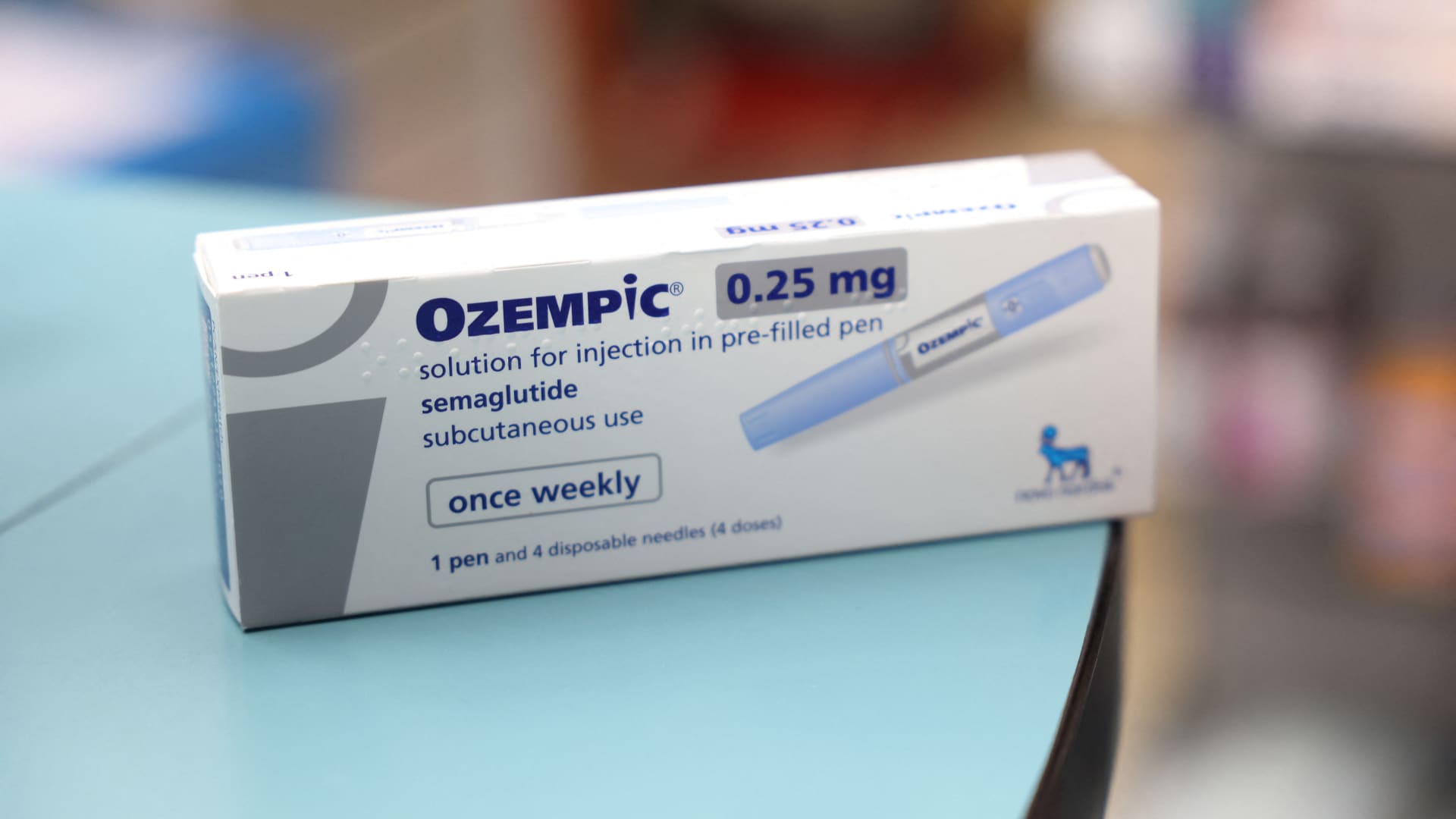
A University of Oxford analysis suggests that Novo Nordisk's diabetes drug Ozempic may lower the risk of dementia and nicotine dependence in patients, adding to its known benefits of regulating blood sugar and promoting weight loss. The study, which compared Ozempic to other diabetes treatments, found significant reductions in cognitive problems and nicotine dependence among Ozempic users. However, the findings are observational and need to be confirmed through controlled trials.

"3 Most Effective Ways to Protect Your Brain from Dementia Revealed by Scientists"
health2 years ago

"3 Most Effective Ways to Protect Your Brain from Dementia Revealed by Scientists"

Scientists at the University of Oxford have identified the three most effective ways to reduce the risk of developing dementia as cutting alcohol consumption, avoiding traffic-related air pollution, and reducing sugar intake. A study of 40,000 people over 45 found that specific parts of the brain are most vulnerable to these factors. The research also highlighted the impact of diabetes, sleep, weight, and other modifiable risk factors on brain health. With the number of people living with dementia projected to rise, the study emphasizes the importance of promoting good brain health and understanding how dementia can be prevented.

"Unraveling the Mystery of Ancient, Well-Preserved Human Brains"
science2 years ago

"Unraveling the Mystery of Ancient, Well-Preserved Human Brains"

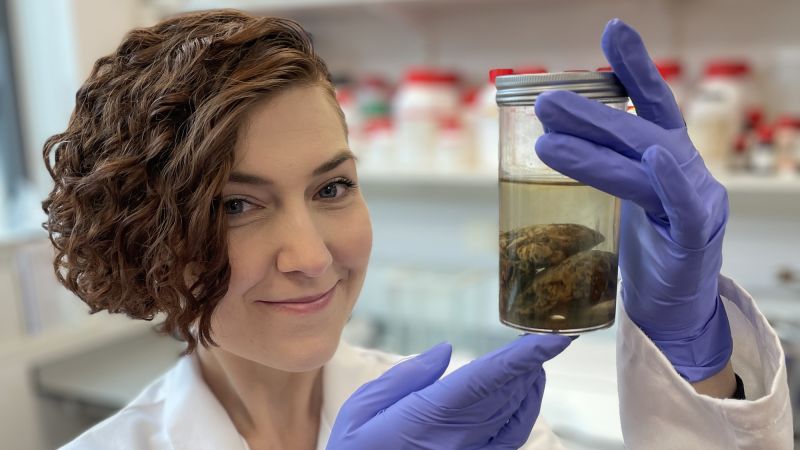
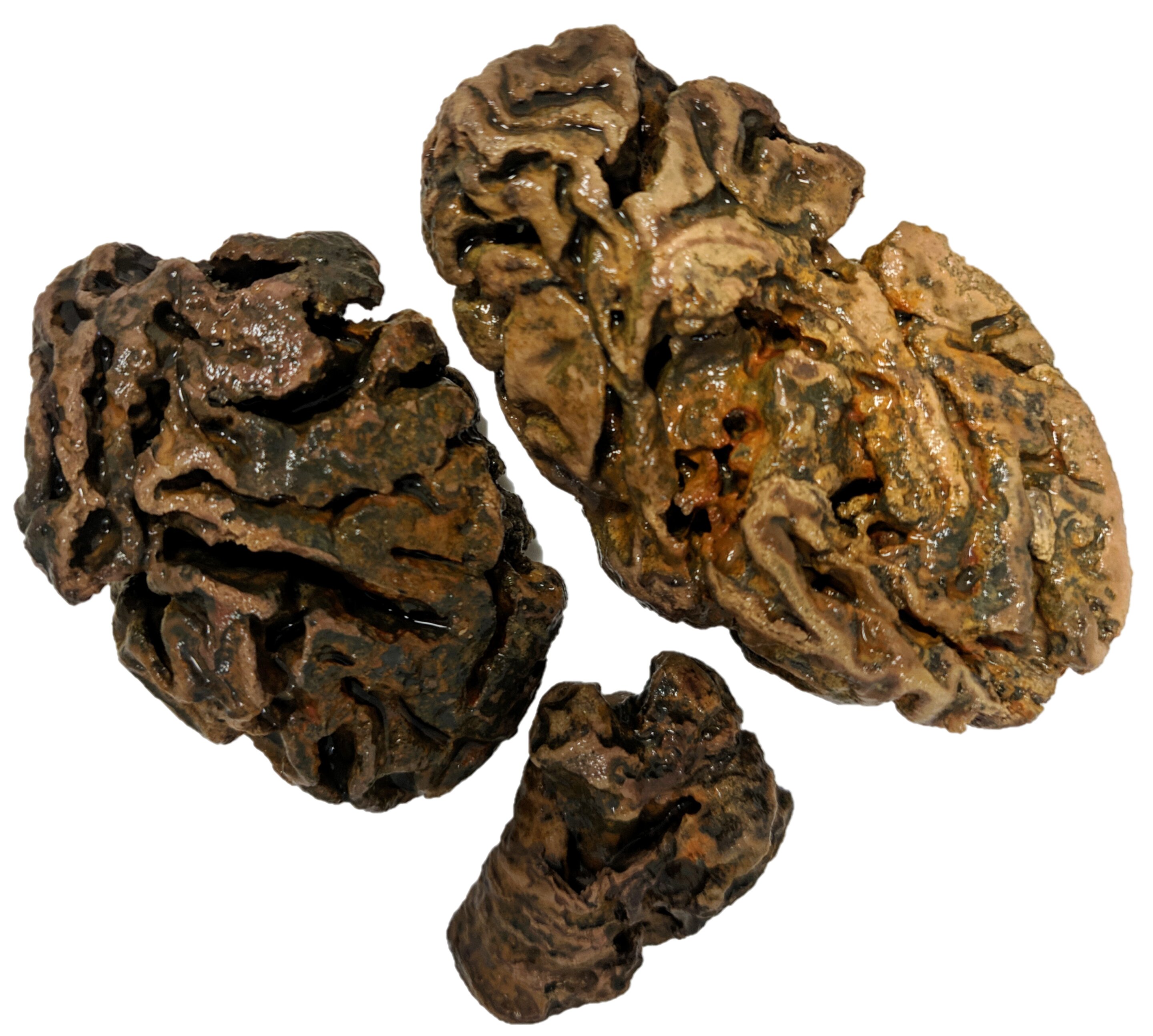
Alexandra Morton-Hayward, a forensic anthropologist at the University of Oxford, has compiled a unique archive of information about 4,405 ancient brains unearthed by archaeologists, shedding light on how brains can survive for thousands of years. The database could help scientists study brain tissue from ancient times and determine whether diseases known today were also present in ancient civilizations. The preservation mechanisms of these brains, including dehydration, tanning, freezing, and saponification, have been identified, with the possibility of a fifth unknown mechanism. The brains could potentially reveal ancient DNA and proteins, providing insights into the people to which they once belonged.

"Revealing the Remarkable Preservation of Ancient Human Brains"
science2 years ago

"Revealing the Remarkable Preservation of Ancient Human Brains"

A new study led by researchers at the University of Oxford challenges the belief that brain preservation in the archaeological record is extremely rare. The team compiled a new archive of preserved human brains, revealing that nervous tissues persist in much greater abundances than previously thought, with over 4,000 preserved human brains from over two hundred sources across six continents. The study sheds light on the environmental conditions and mechanisms that contribute to brain preservation, offering unique insights into ancient health, disease, and the evolution of human cognition and behavior.

science-and-technology2 years ago

"Oxford's Magnetic Whirls: High-Speed Data Transfer"

Researchers at the University of Oxford have created magnetic whirls in membranes that could enable data transfer at kilometers per second, potentially revolutionizing computing platforms for the next generation of applications such as AI and autonomous devices. This breakthrough aims to address the energy-inefficiency of current silicon-based computing and could lead to a new computing paradigm utilizing fast and efficient physical phenomena.

"New Malaria Vaccine Shows High Protection in African Children"
health-and-medicine2 years ago

"New Malaria Vaccine Shows High Protection in African Children"

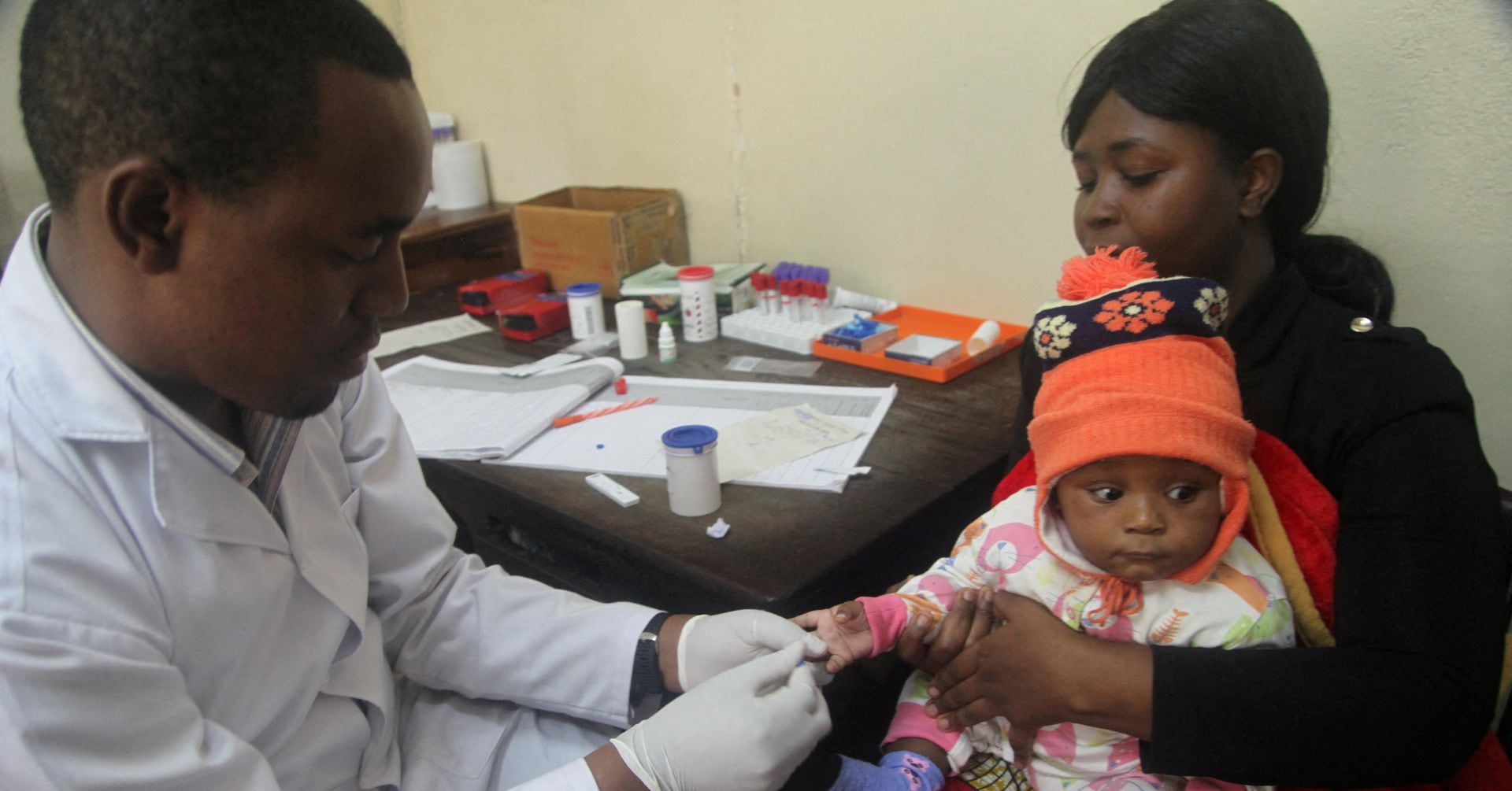
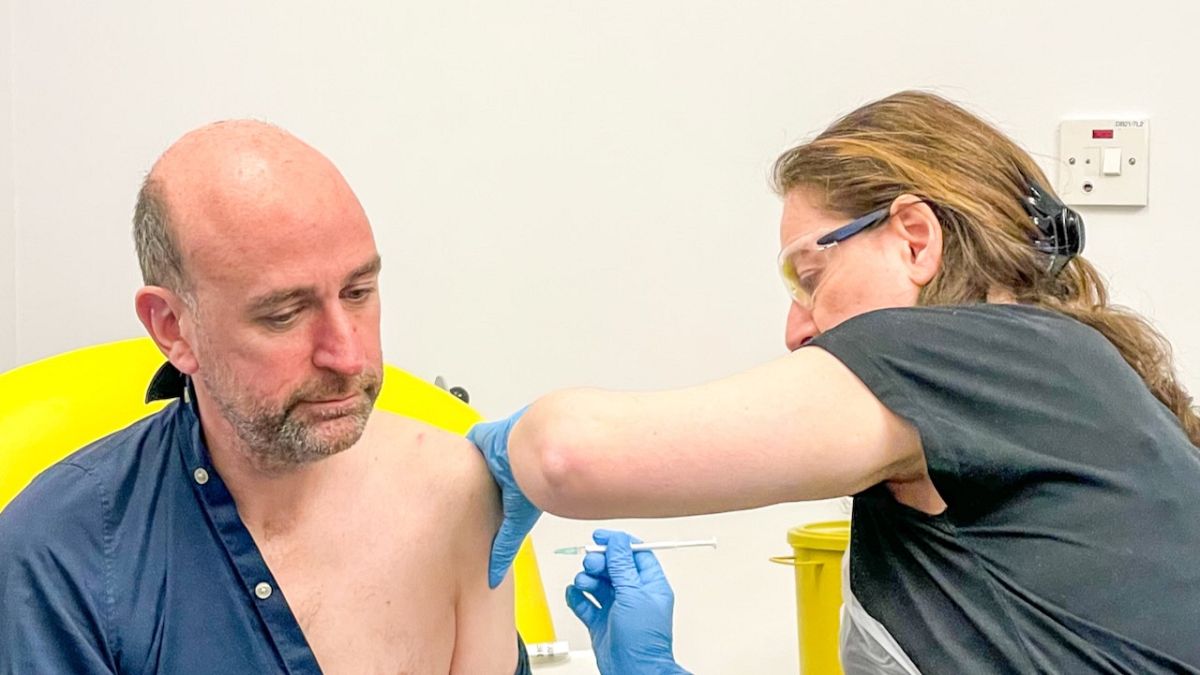
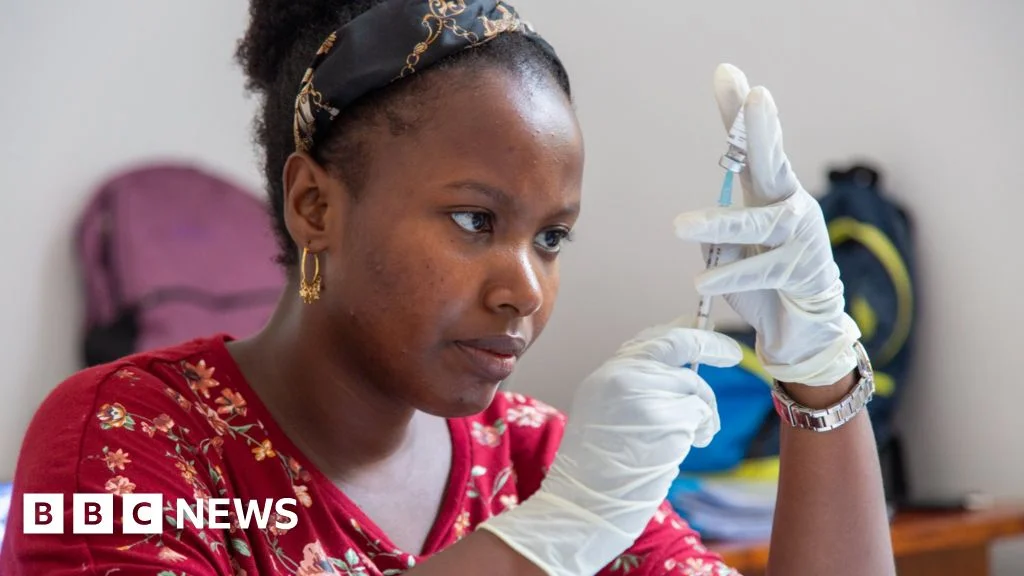
A malaria vaccine developed by the University of Oxford and the Serum Institute of India has shown to prevent around three-quarters of symptomatic malaria cases in young children in a large trial, with results published in The Lancet medical journal. The vaccine, known as R21, is the second to become available this year and has already been approved for use in three West African countries and by the World Health Organization. The vaccine is cheaper and more readily available than the first vaccine, and there are plans to provide further updates as more countries express demand.

"Human Trials Begin for Groundbreaking Nipah Virus Vaccine"
health2 years ago

"Human Trials Begin for Groundbreaking Nipah Virus Vaccine"

The University of Oxford has initiated the first human trial for a vaccine against the Nipah virus, a zoonotic pathogen with a mortality rate of up to 75%. The ChAdOx1 NipahB vaccine is being tested on 51 volunteers to evaluate its safety and immune responses. With no approved vaccines or treatments for Nipah virus, this trial marks a significant step in pandemic preparedness, and further research is expected to follow in Nipah virus-affected countries.

WHO Approves Affordable and Effective Malaria Vaccine
health3 years ago

WHO Approves Affordable and Effective Malaria Vaccine

The World Health Organization (WHO) has recommended the widespread use of a highly effective malaria vaccine developed by the University of Oxford. The R21/Matrix-M vaccine is the second malaria vaccine to receive WHO approval and the first to meet the organization's target of 75% efficacy. Malaria claims half a million lives annually, primarily affecting children under five and pregnant women. The new vaccine, which is cheaper and more effective than the previously approved RTS,S vaccine, has the potential to close the demand-and-supply gap. However, experts caution that the vaccine should be used in conjunction with other preventive measures, as malaria elimination requires a multi-faceted approach.

WHO Endorses Affordable Malaria Vaccine for African Rollout
health3 years ago

WHO Endorses Affordable Malaria Vaccine for African Rollout

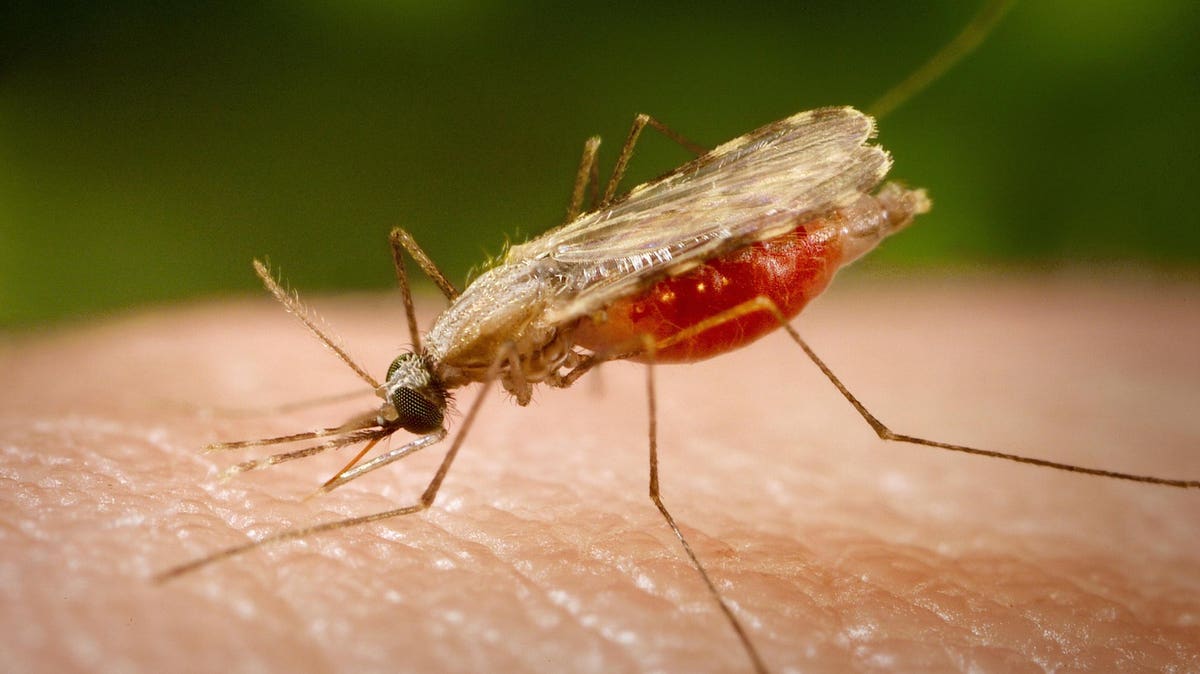
The World Health Organization (WHO) has recommended a new, affordable malaria vaccine developed by the University of Oxford. This marks the second malaria vaccine to receive WHO backing. The vaccine, called R21, can be produced on a large scale, with agreements already in place to manufacture over 100 million doses annually. The effectiveness of R21 is comparable to the first vaccine, RTS,S, and it has the potential to save hundreds of thousands of lives each year. Malaria remains a significant global health issue, with over 247 million cases and 619,000 deaths reported in 2021.

"Breakthroughs in Malaria Vaccines: Progress and Future Prospects"
health3 years ago

"Breakthroughs in Malaria Vaccines: Progress and Future Prospects"

Researchers are making progress in the development of malaria vaccines, with two authorized vaccines currently available. GSK's RTS,S or Mosquirix vaccine was the first to receive widespread use approval, but its effectiveness is limited. The University of Oxford has unveiled a potentially better and cheaper vaccine, which is currently being evaluated by the World Health Organization. BioNTech and Moderna are also exploring the use of mRNA technology for malaria vaccines. A breakthrough mRNA vaccine has been announced by researchers in New Zealand and Australia, which stimulates a different part of the immune system and could generate a more protective response. However, the vaccine is still in early stages and has not been tested in humans. Malaria remains a significant global health issue, causing hundreds of thousands of deaths each year, primarily in Africa.

health3 years ago

Nigeria Approves Highly Effective Malaria Vaccine

Nigeria has become the second country in the world to approve the use of the R21/Matrix-M malaria vaccine developed by the University of Oxford and manufactured by the Serum Institute of India. The vaccine is indicated for the prevention of clinical malaria in children from 5 months to 36 months of age. Nigeria expects to receive at least 100,000 doses of the vaccine in donations soon before the market authorisation will start making other arrangements with the National Primary Health Care Development Agency (NPHCDA).