Tag

Vertebrate Evolution

All articles tagged with #vertebrate evolution

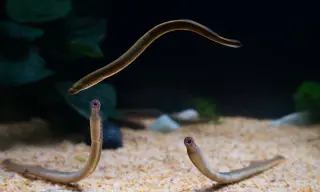
3D lamprey brain atlas maps ancient vertebrate brain evolution
science18 days ago

3D lamprey brain atlas maps ancient vertebrate brain evolution

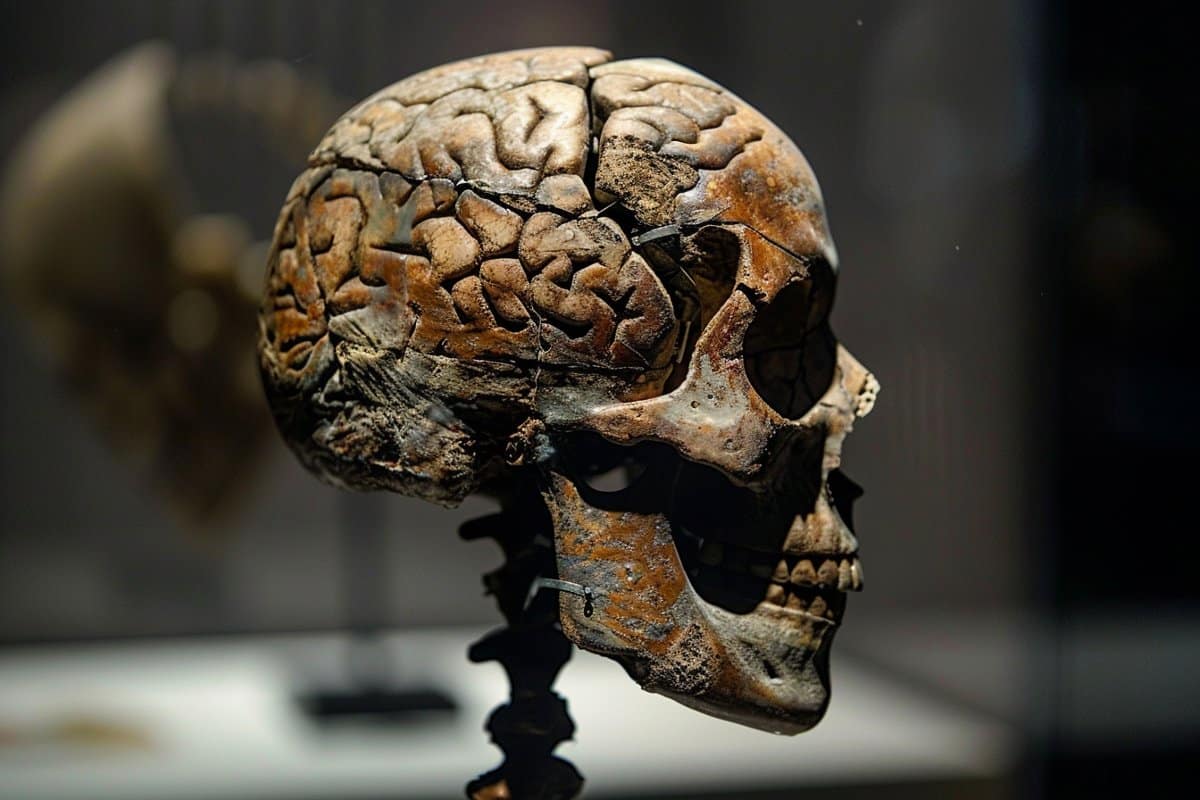
Chinese researchers have built the first 3D spatial single-cell atlas of the lamprey brain, enabling reconstruction of ancestral vertebrate brain features and revealing conserved gene expression and neurogenesis patterns with mammals; published as a Science cover article on June 19, 2026, the work suggests early vertebrate brains were already well-partitioned and provides a new resource for brain-evolution studies.
Three-Foot Silurian Giant Reveals Early Steps Toward Modern Bony Fishes
science2 months ago

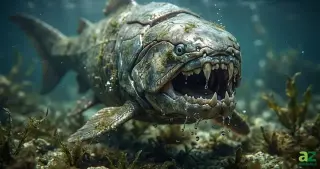
Three-Foot Silurian Giant Reveals Early Steps Toward Modern Bony Fishes

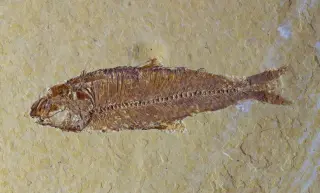
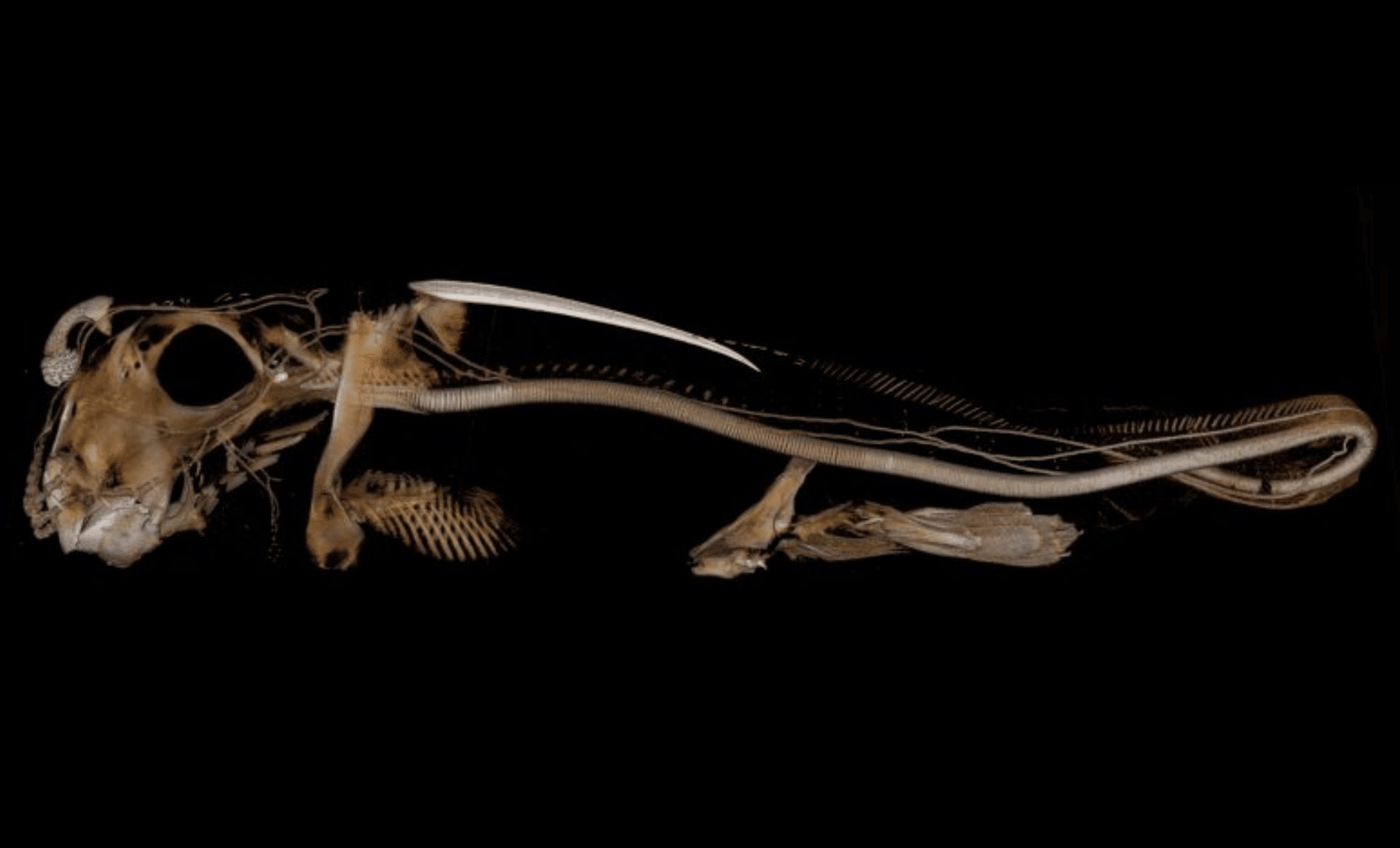
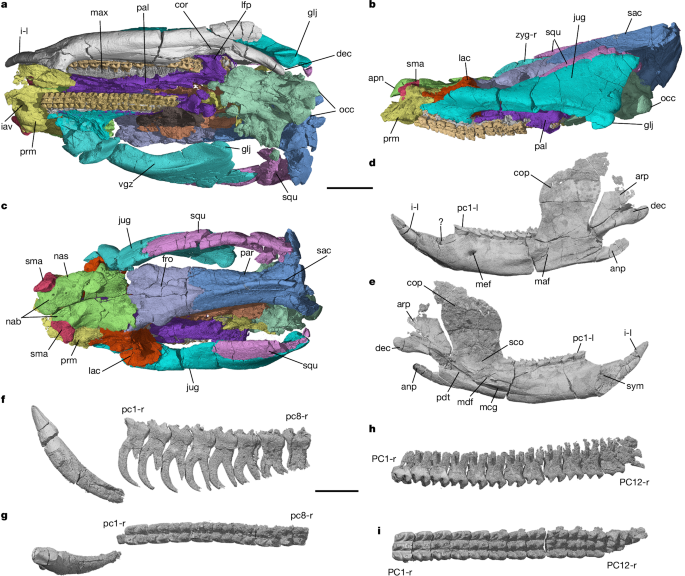
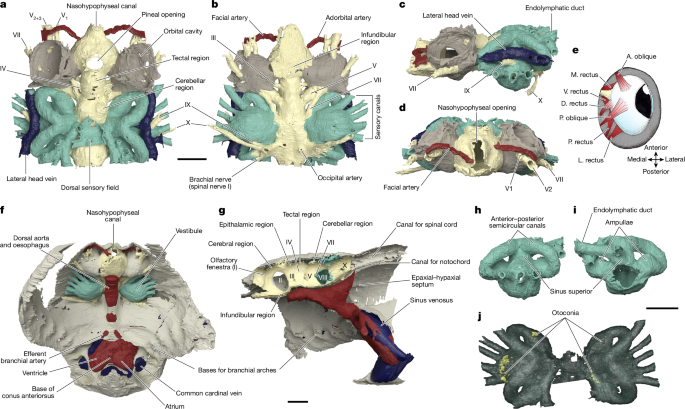
Two Silurian fossils from China illuminate early osteichthyan evolution: a 436-million-year-old Eosteus chongqingensis from the Chongqing Lagerstätte shows a mosaic of bony-fish traits, suggesting such features emerged earlier than once thought; a 423-million-year-old Megamastax amblyodus from Yunnan reveals early dentition and anatomy bridging jawed cartilage and bony fishes, indicating osteichthyans were widespread in the Silurian and potentially apex predators. Together these finds help fill the pre-Devonian fossil gap and trace the origin of modern fishes.

Silurian Fossils Reframe the Origins of Bone-Fish Evolution
science2 months ago

Silurian Fossils Reframe the Origins of Bone-Fish Evolution

A 436-million-year-old near-complete bony fish fossil Eosteus chongqingensis from China’s Chongqing Lagerstätte suggests early osteichthyan traits appeared before the ray-finned/lobe-finned split, while 423-million-year Megamastax amblyodus head-and-trunk fossils reveal ancient dentition and anatomy linking toward early bony fishes; these finds fill gaps in the pre-Devonian fossil record and illuminate how early vertebrates evolved toward modern fishes and vertebrates.

Tiny 436-Million-Year-Old Fossil Recasts the Origin of Bony Vertebrates
science3 months ago

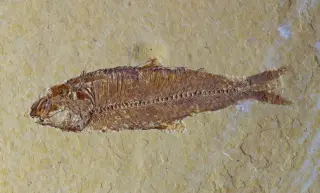
Tiny 436-Million-Year-Old Fossil Recasts the Origin of Bony Vertebrates

A 436-million-year-old bony fish fossil, Eosteus chongqingensis, from China’s Chongqing Lagerstätte, is the oldest near-complete articulated osteichthyan and shows bony-fish traits emerged earlier than thought; a second find, Megamastax amblyodus from ~423 million years ago, reveals a large Silurian predator with early bony-fish dentition, helping place these early fishes on the osteichthyan stem and filling gaps in pre-Devonian vertebrate evolution.

Four-eyed Cambrian pioneers rewrite the story of early vertebrate vision
science4 months ago

Four-eyed Cambrian pioneers rewrite the story of early vertebrate vision

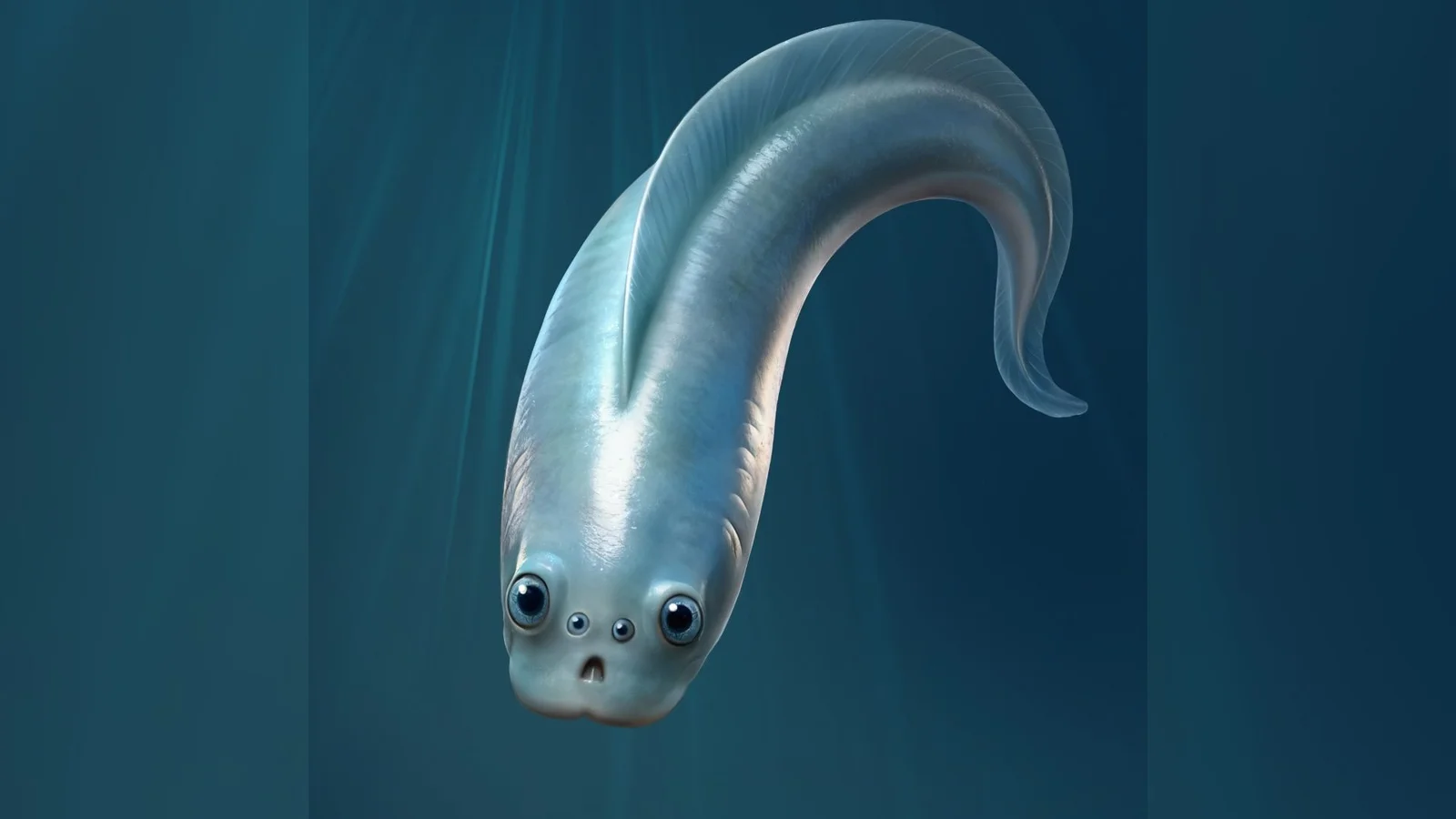
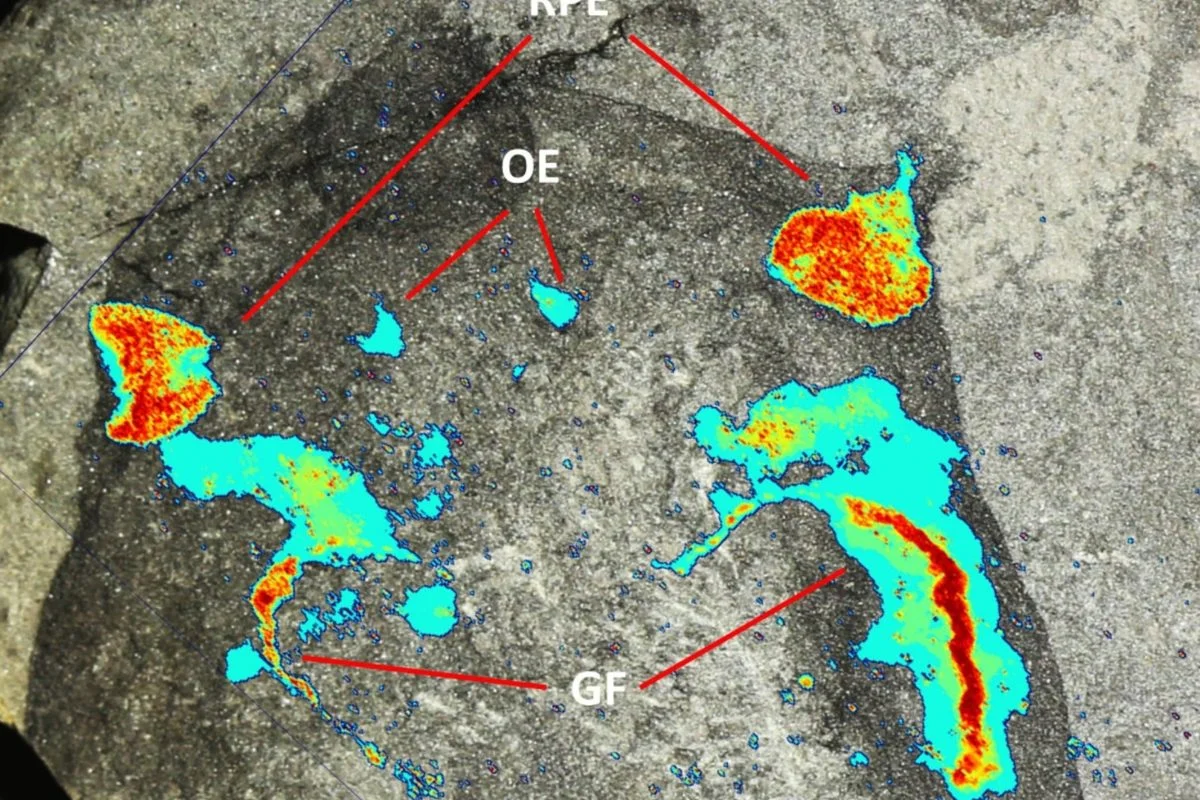
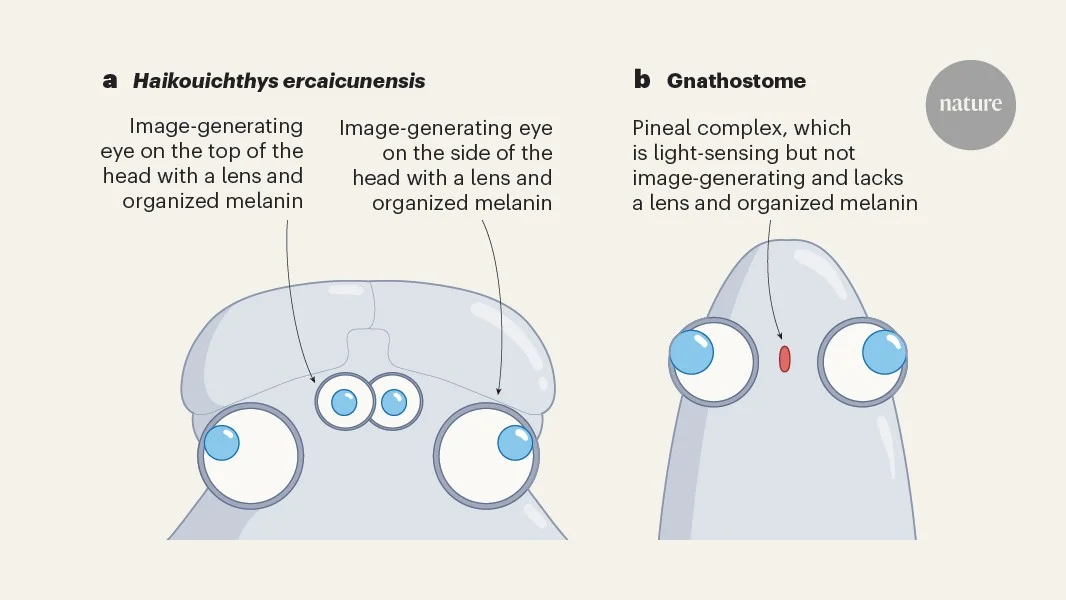
Fossils from the Cambrian Chengjiang beds in China show that early vertebrates called myllokunmingids had four eyes—two large on the sides and two smaller in between—likely giving them a wider field of view to dodge predators; the two smaller eyes may be ancestral to image-forming eyes linked to the pineal gland, offering new insights into how vertebrate vision evolved.

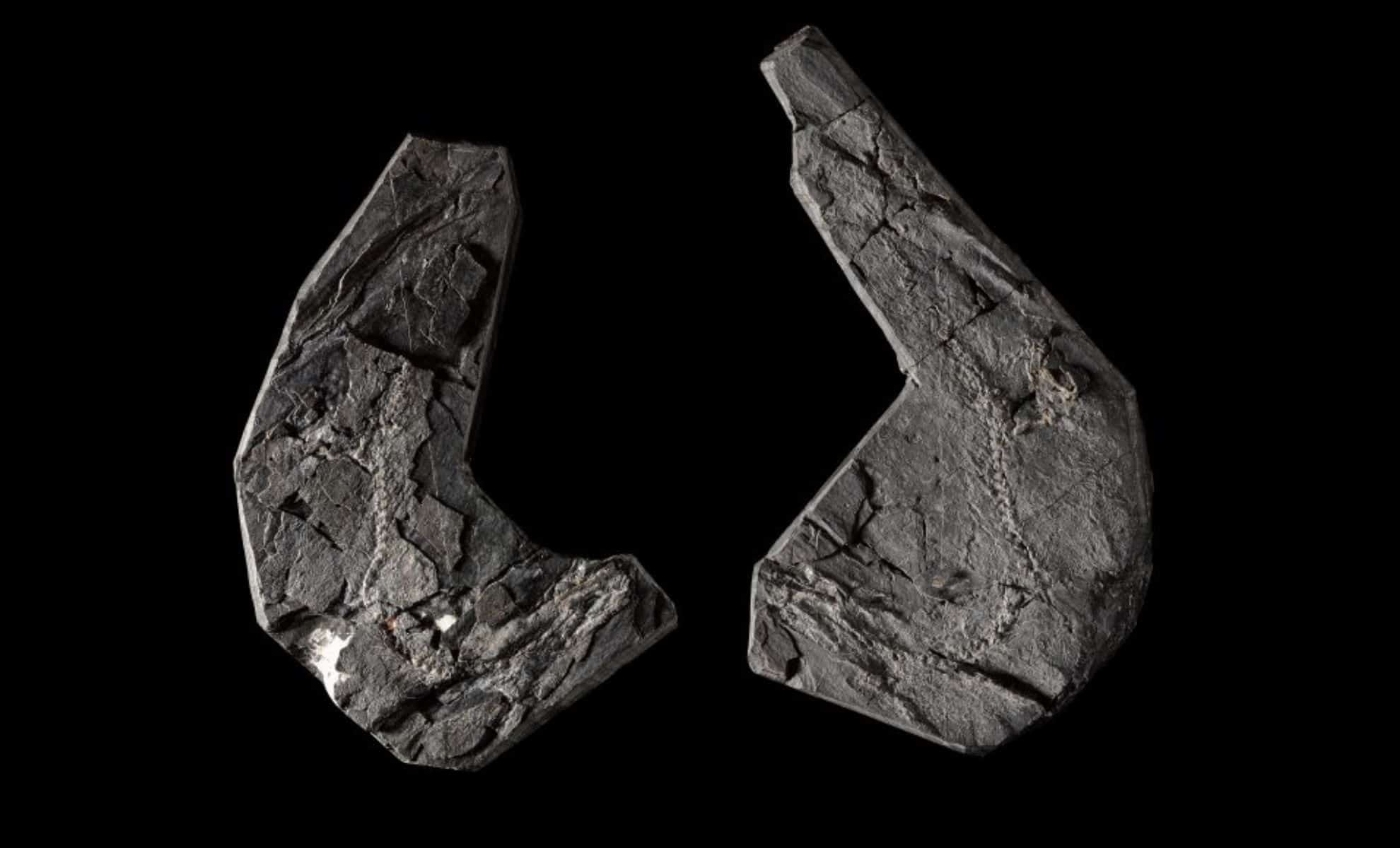
Scottish 443-million-year-old eel-like fossils reveal early bones and camera-like eyes
science5 months ago

Scottish 443-million-year-old eel-like fossils reveal early bones and camera-like eyes

Researchers using synchrotron X-ray imaging analyzed 443-million-year-old Jamoytius and Lasanius fossils found near Glasgow. They discovered bone-like tissues and traces of zinc and copper in the eyes, indicating advanced camera-type eyes and early bone development in vertebrates, pushing back the origin of these features. The study, published in Proceedings of the Royal Society B, suggests these early vertebrates were less primitive than previously thought.

Scientists Discover Sea Creature Challenging Evolutionary Theories
science9 months ago

Scientists Discover Sea Creature Challenging Evolutionary Theories

Scientists discovered that male spotted ratfish have true teeth on a forehead appendage used in mating, challenging long-held beliefs that teeth are only located in the mouth. This structure, called the tenaculum, is a rare example of non-oral teeth in vertebrates, providing new insights into dental evolution and developmental biology.

Uncovering the Ancient Origins of the Vertebrate 'Fight or Flight' Response
science2 years ago

Uncovering the Ancient Origins of the Vertebrate 'Fight or Flight' Response

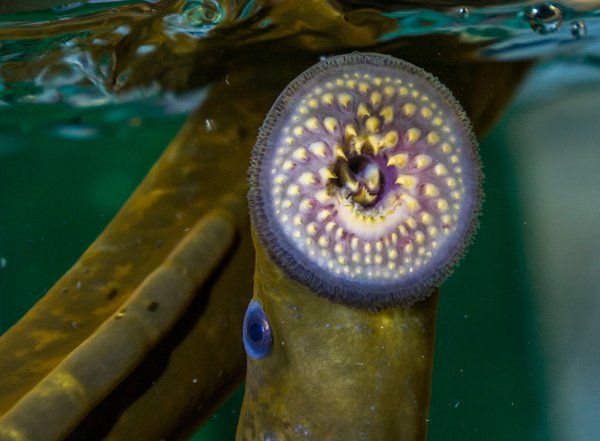
Researchers have debunked a long-held belief that lamprey, a type of jawless fish, lack sympathetic neurons, which are part of the peripheral nervous system. New research led by Marianne Bronner's lab at Caltech has found that sympathetic neurons do exist in lamprey but arise much later in development than previously thought, revising the timeline of sympathetic nervous system evolution. This discovery suggests that the developmental program governing the formation of sympathetic neurons is evolutionarily conserved across all vertebrates, from lamprey to mammals.

The Influence of Ancient Viruses on Brain Evolution
neuroscience2 years ago

The Influence of Ancient Viruses on Brain Evolution

A study published in Cell reveals that ancient retroviruses are responsible for the development of myelin, a crucial component of complex vertebrate brains. The discovery of "RetroMyelin," a gene sequence derived from ancient retroviruses, highlights the impact of viral genes on vertebrate evolution. Experimental disruption of RetroMyelin in zebrafish and frogs led to significantly reduced myelin production, demonstrating its functional role in myelination across mammals, amphibians, and fish. This research challenges previous understandings of evolutionary biology and opens new avenues for exploring the intricate relationship between viruses and vertebrate development.

Unraveling the Hagfish Genome: Insights into Vertebrate Evolution
genetics2 years ago

Unraveling the Hagfish Genome: Insights into Vertebrate Evolution

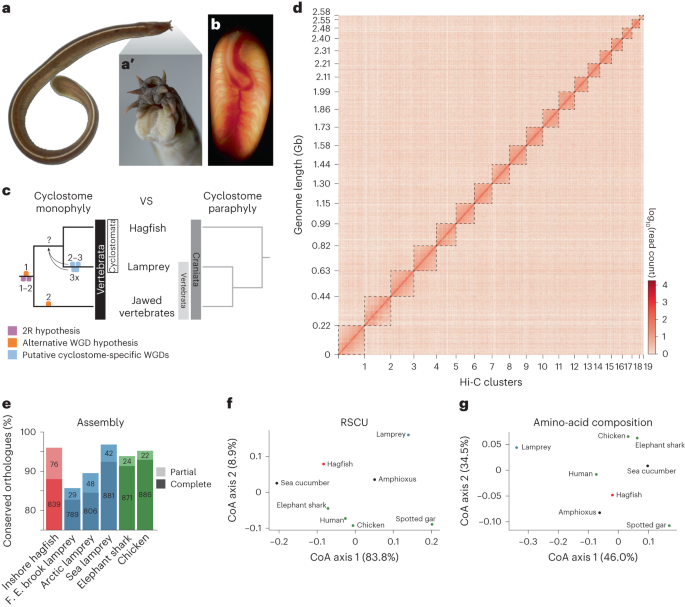
The sequencing and analysis of the genome of the inshore hagfish, Eptatretus burgeri, sheds light on the timing and consequences of whole-genome duplication events in early vertebrate evolution. The study provides insights into the ancestral vertebrate karyotype, supports the monophyly of cyclostomes, and reveals the presence of six Hox clusters in hagfish, suggesting a distinct genome history shared by lampreys and hagfish. Additionally, the research uncovers gene family evolution and genomic changes accompanying major transitions in chordate evolution, offering essential information for comparative genomics and understanding the genetic basis of vertebrate diversity.