Tag

Seawater

All articles tagged with #seawater

Dual-passivated stainless steel could slash green hydrogen costs
technology1 month ago

Dual-passivated stainless steel could slash green hydrogen costs

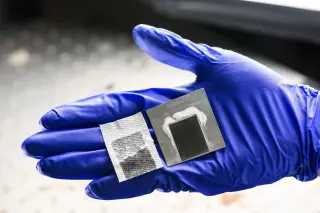
Researchers at the University of Hong Kong developed SS-H2, a manganese-enhanced stainless steel that forms a second protective layer atop the chromium oxide, enabling corrosion resistance up to 1700 mV in chloride-rich environments. This makes seawater electrolysis for green hydrogen more feasible and could replace expensive titanium components, potentially cutting structural-material costs by about 40x for PEM electrolyzers. The team is moving toward industrial-scale production and has filed patents, though practical deployment in components like meshes and foams remains to be solved.

Brooklyn Beckham's Seawater Pasta Sparks Online Roast
entertainment2 months ago

Brooklyn Beckham's Seawater Pasta Sparks Online Roast

Brooklyn Beckham faced heavy online roasting after posting a TikTok where he boils pasta in seawater from the ocean, then finishes the dish with tomatoes and his Cloud23 hot sauce, before tasting it with another chef; commenters mocked the idea of cooking with ocean water and questioned cleanliness and taste, though Beckham and his colleague appeared to enjoy the final dish.

Laser-etched solar desalination turns seawater into freshwater while mining minerals—no brine waste
technology4 months ago

Laser-etched solar desalination turns seawater into freshwater while mining minerals—no brine waste

University of Rochester researchers have created a solar-powered desalination system using laser-treated, superwicking black metal that rapidly evaporates seawater, directs salts to a passive region to prevent clogging, and produces freshwater without liquid brine while recovering solid minerals (including lithium), offering a scalable path to both drinking water and mineral resources.

Seawater and CO2 turn into carbon-storing cement ingredients
environment6 months ago

Seawater and CO2 turn into carbon-storing cement ingredients

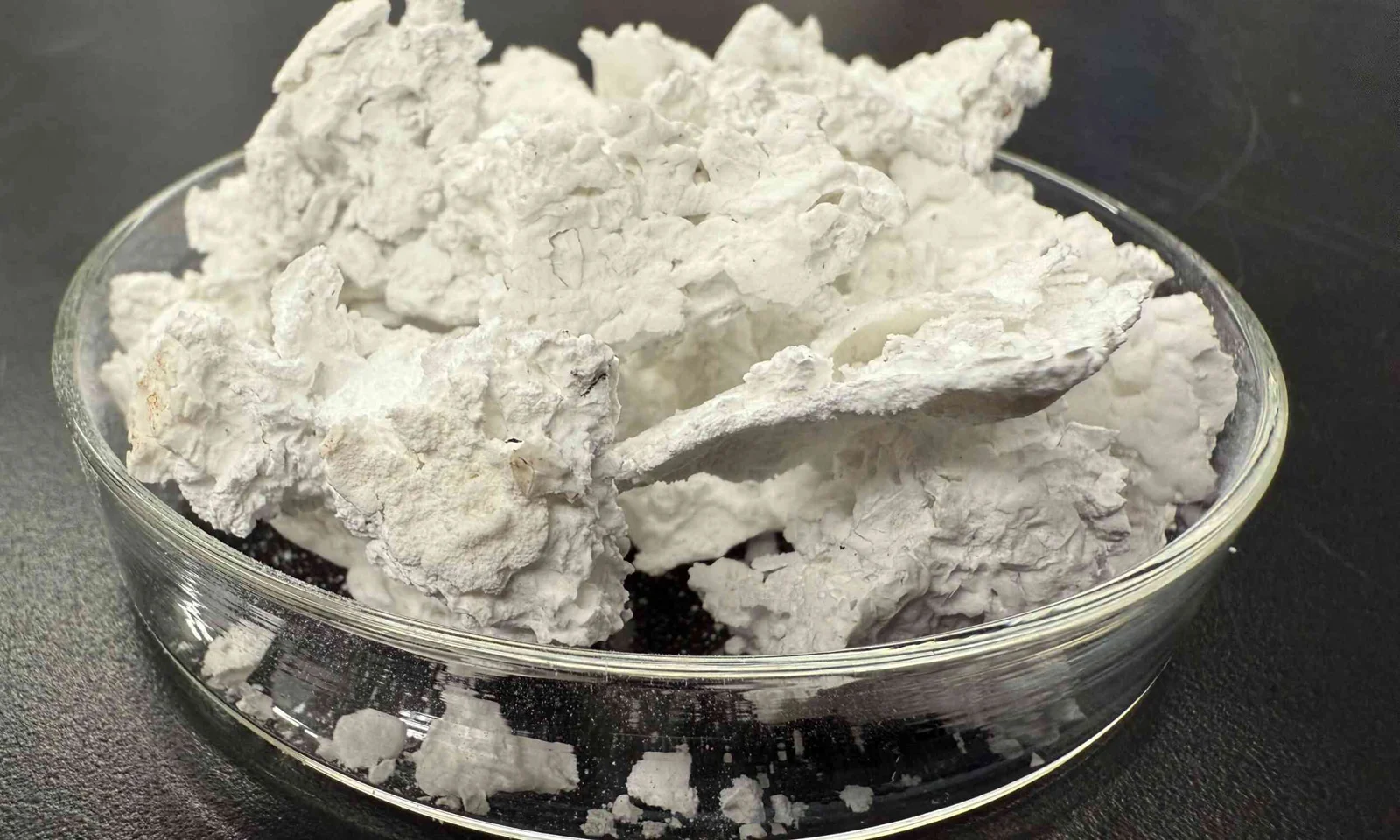
Researchers show that seawater and carbon dioxide can be converted in a tabletop reactor into solid minerals (calcium carbonate and a magnesium-rich solid) that can form powders or grains, potentially replacing mined sand in concrete and, in some mixes, store more CO2 than the process emits (carbon-negative). If powered by clean energy and scaled up, near‑shore modular reactors could sequester CO2 at the source and reduce cement's climate impact, though durability and wear tests at larger scales are still needed.

Hydrated Sodium Vanadate Boosts Sodium-Ion Battery Performance and Desalination
technology7 months ago

Hydrated Sodium Vanadate Boosts Sodium-Ion Battery Performance and Desalination

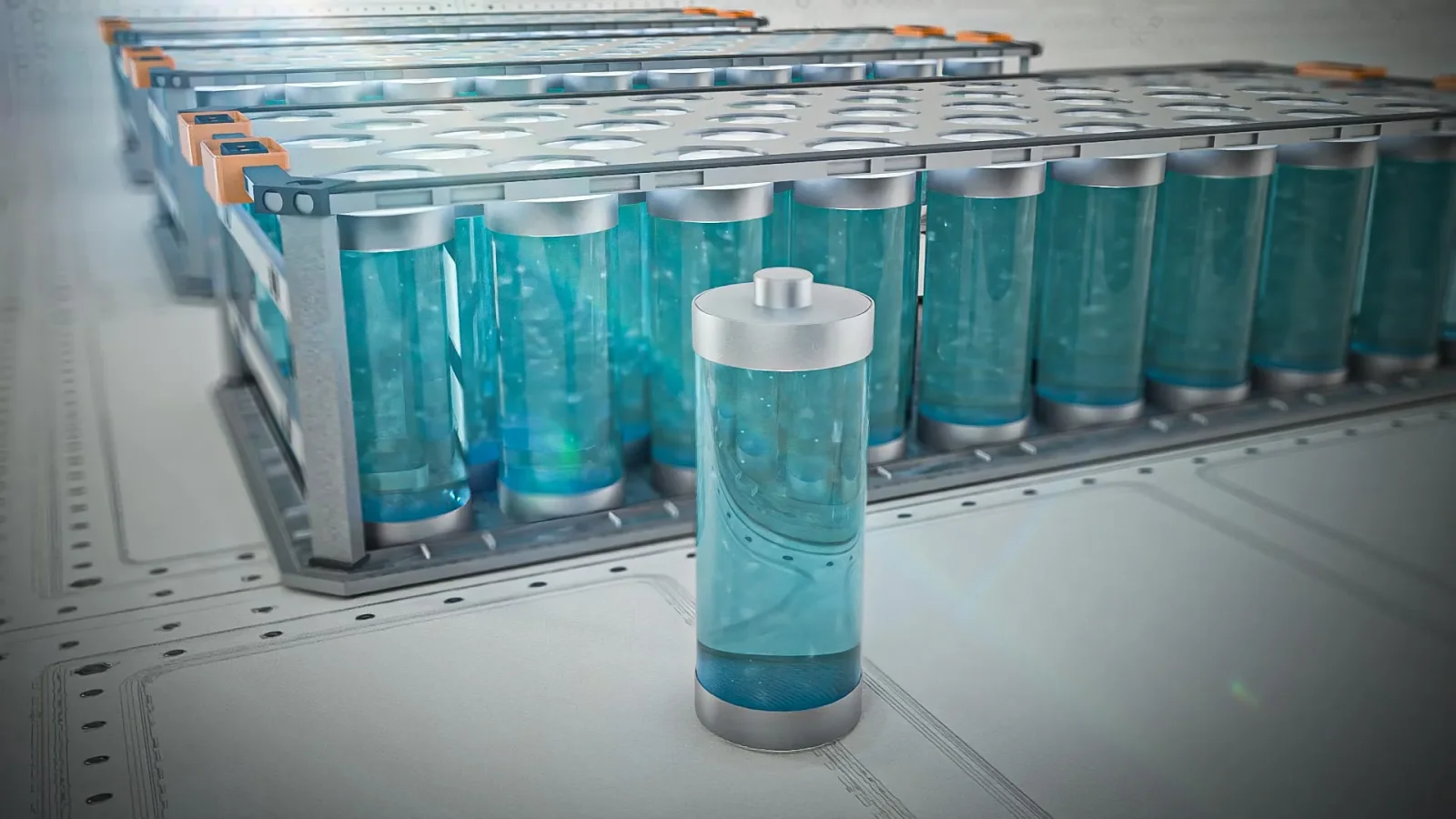
University of Surrey researchers found that keeping water in nanostructured sodium vanadate hydrate (NVOH) dramatically boosts sodium-ion battery performance, nearly doubling energy storage, speeding charging, and maintaining stability for 400+ cycles. In seawater, the hydrated material also enables electrochemical desalination with a graphite electrode removing chloride, hinting at future batteries that store energy while desalinating water.

Visible Gold Found in Earth's Ocean Water
science1 year ago

Visible Gold Found in Earth's Ocean Water

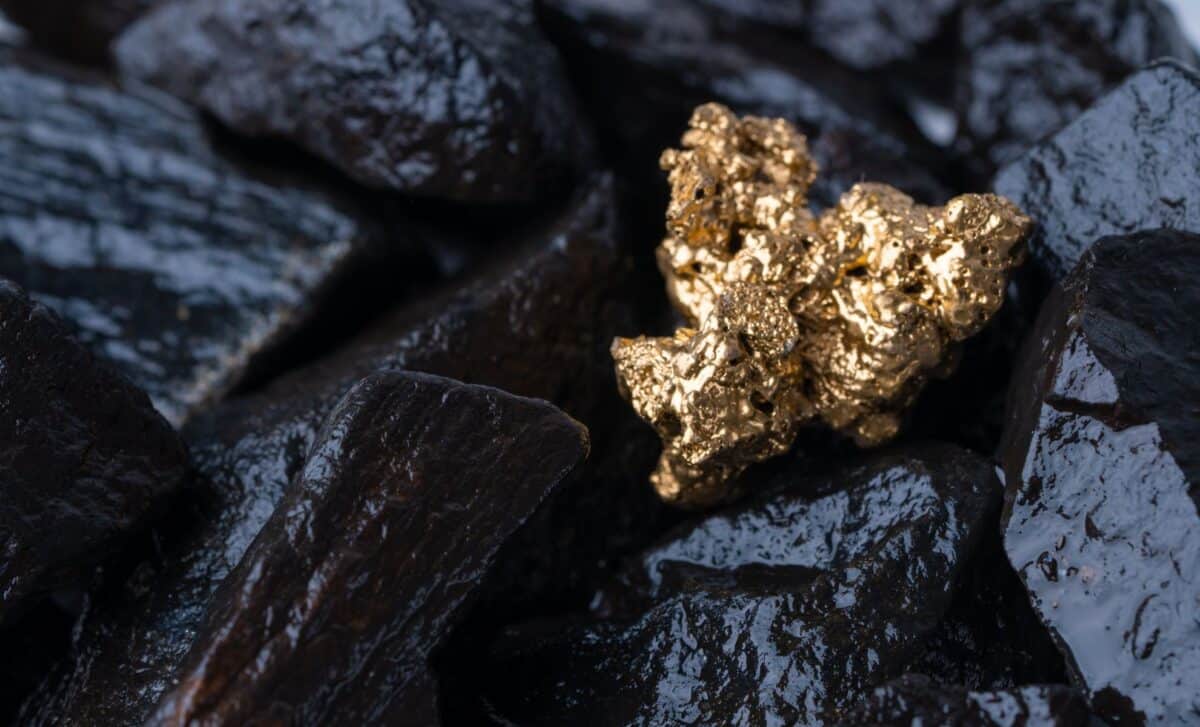
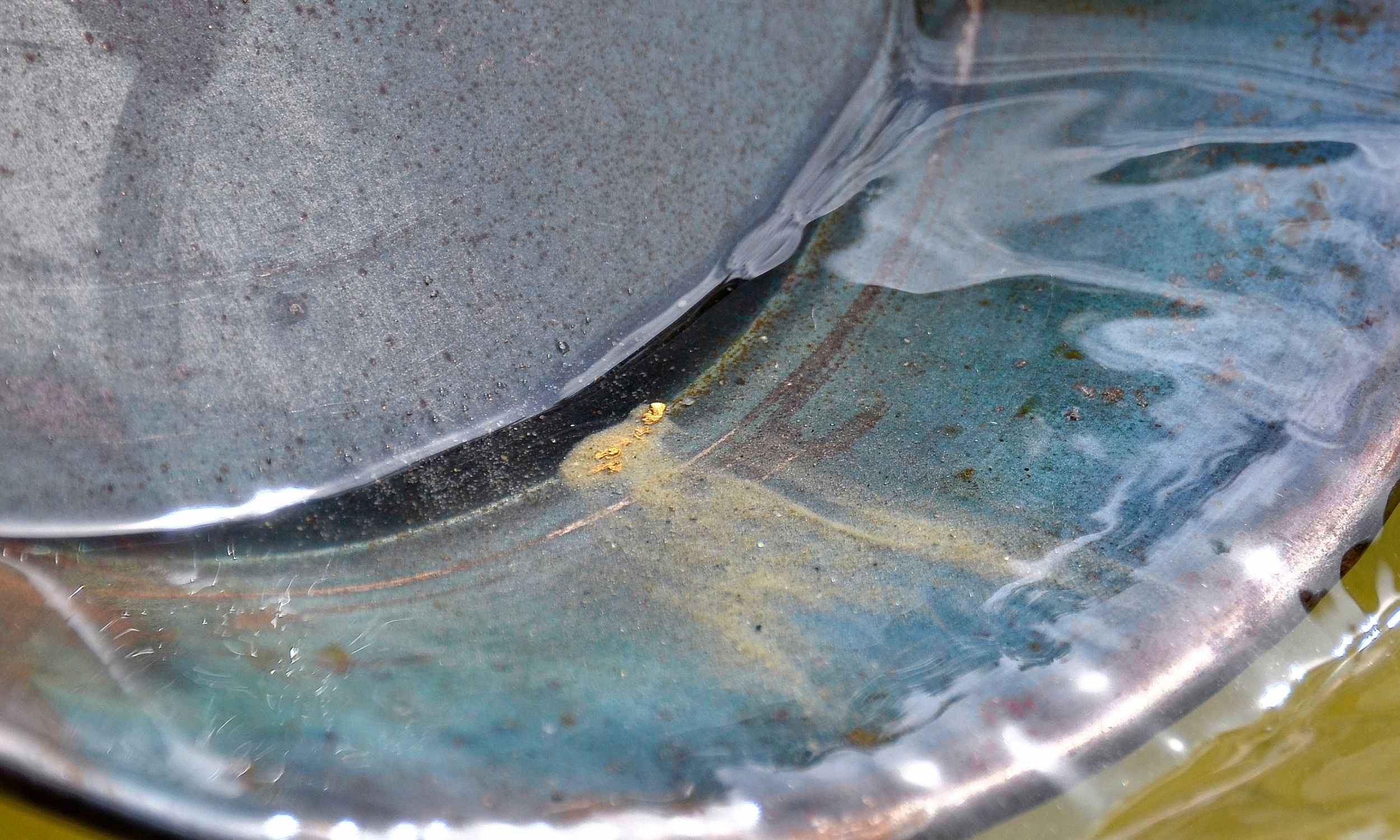
Gold is present in Earth's oceans at extremely low concentrations, making extraction economically unfeasible with current technology. While gold enters seawater from various sources and exists on the seafloor, the tiny amounts dissolved in water are difficult to collect and process. Mining seawater for gold is not practical due to the high costs and technical challenges, and most gold deposits are located deep on the seafloor, requiring complex extraction methods. Ongoing research aims to better understand gold's oceanic cycle and improve detection techniques, but the idea of harvesting ocean gold remains impractical for now.

Israel's Successful Trial of Flooding Hamas Tunnels with Seawater
conflictenvironment2 years ago

Israel's Successful Trial of Flooding Hamas Tunnels with Seawater

Israel's military has reportedly begun pumping seawater into tunnels used by Hamas in Gaza, with the aim of dismantling the network and weakening Palestinian armed groups. However, experts warn that this flooding could have damaging ecological effects, including the pollution of Gaza's already devastated water supply and damage to its crops. The flooding plan could potentially breach international humanitarian law, and concerns have been raised about the safety of Israeli captives who may be held in the tunnels. The long-term damage to the environment and the essential water needs of the civilian population are also major concerns.

Israel's Seawater Solution: Flooding Hamas' Tunnels in Gaza
international-affairs2 years ago

Israel's Seawater Solution: Flooding Hamas' Tunnels in Gaza

The Israeli military has reportedly started pumping seawater into Hamas' tunnel complex in Gaza, a process that could take weeks to destroy the tunnels. While some Biden administration officials believe this could help eliminate the tunnels where Hamas is suspected of hiding hostages, fighters, and munitions, others have expressed concerns about the potential impact on Gaza's fresh water supply. Israel's military and defense ministry have not yet commented on the report.

Israel's Seawater Flooding of Gaza Tunnels: Military Futility and Civilian Perils
conflict2 years ago

Israel's Seawater Flooding of Gaza Tunnels: Military Futility and Civilian Perils

Israel's military has reportedly begun pumping seawater into the tunnel network allegedly used by Hamas in Gaza as part of a strategy to destroy the tunnels. The tunnel system extends for 300 miles, and Israel is assessing the use of thick blast doors. The move has drawn criticism due to concerns about the environmental impact and the worsening of the fresh water situation in Gaza. Some officials from the Biden administration have expressed doubts about the effectiveness of using seawater and its potential impact on Gaza's freshwater supply. Israel believes the underground system has been crucial to Hamas operations.

Israel's Controversial Plan to Flood Hamas Tunnels with Seawater Raises Concerns over Gaza's Freshwater Supply
international-affairs2 years ago

Israel's Controversial Plan to Flood Hamas Tunnels with Seawater Raises Concerns over Gaza's Freshwater Supply

Israel is reportedly considering a plan to flood Hamas tunnels in Gaza using seawater pumps. The tunnel system is used by Hamas to transport weapons and militants. The flooding could force militants out into the open, but experts warn that it may pollute Gaza's already scarce water supply and damage the surrounding environment. The effectiveness of the plan is uncertain, as the details of the tunnel system and its permeability are not fully known. It remains unclear whether Israel will proceed with the plan.